


You can clean ground-floor and easily reachable windows yourself with basic tools and a little time. Professional window cleaners are the better choice for high, large, or heavily soiled windows, where safety and a streak-free finish matter most.
The answer depends on window height, glass condition, the tools you own, and how much time you can spare. Many homeowners handle routine cleaning on low windows without trouble. Problems appear when frames are old, glass is stained, or upper floors are involved. This guide explains what each option involves so you can choose based on facts rather than guesswork.
What Does DIY Window Cleaning Involve?
DIY window cleaning usually means washing the glass, frame, and sill with warm water, a mild detergent, and a soft cloth or squeegee. The process starts by removing loose dust and cobwebs from the frame, then applying soapy water to loosen dirt from the pane. A squeegee pulls the water off in overlapping strokes, and a microfibre cloth wipes the edges dry. Done carefully, this gives a clear finish on standard household windows.
Results depend heavily on technique. Working in direct sunlight makes the cleaning solution dry too quickly and leaves streaks behind. Using too much product creates a film that attracts dust faster. Cleaning on a cloudy day, or when the glass is in shade, gives you more time to wipe properly. Most people find that a routine of every four to six weeks keeps typical windows in good condition.
Which Cleaning Equipment Do You Actually Need?

The right cleaning equipment makes a visible difference to the final result. A quality squeegee with a fresh rubber blade, a bucket, a scrubber or sponge, and microfibre cloths cover most needs. A small detailing brush helps with corners and tracks where grime collects. Household glass cleaner works for light dirt, while diluted washing-up liquid is often enough for regular maintenance and avoids harsh residue.
Buying a full set of cleaning equipment can cost more than a single professional visit, especially if you only clean a few times a year. Extension poles, ladders, and water-fed systems add further expense and need storage space. Cheap tools also tend to leave smears because the blades wear out quickly. For a household with many windows, the upfront spending is easier to justify than for a small flat with only a few panes.
What Are the Risks and Limits of Cleaning Windows Yourself?
Height is the biggest limitation. Falls from ladders are a well-documented cause of household injuries, and upper-floor windows should not be reached with improvised setups. Leaning out of a sash or casement window to reach the outer pane is also unsafe. If you cannot clean a window from the ground or from inside with both feet firmly placed, it is better left to trained people with proper access equipment.
Glass condition matters too. Hard water marks, paint splashes, sealant residue, and mineral deposits often need specialist products and techniques that ordinary cleaners cannot handle. Scrubbing hard with the wrong tool can scratch the surface permanently. Frames made of uPVC, aluminium, or timber also react differently to certain chemicals. Using an unsuitable product can dull the finish or discolour the material, which adds repair costs later.
What Does Professional Window Cleaning Include?
A professional service normally covers the glass, frames, and sills, and many companies also clean external tracks and door glass. Trained cleaners use commercial-grade cleaning equipment such as water-fed poles, purified water systems, and professional squeegees. Purified water dries without leaving mineral spots, which is why the glass often stays cleaner for longer than it does after a manual wash with tap water.
Professionals also work to safety procedures and carry insurance, which protects your property if something goes wrong. Bee Cleaning Services Manchester provides Window Cleaning Services in Oldham for homes and small commercial premises, using suitable methods for each window type. Trained staff can reach higher panes, conservatories, and awkward extensions without ladders resting on fragile surfaces. Regular scheduled visits also spread the workload so that dirt never builds up to a stubborn level.
Can You Clean Windows Yourself or Hire a Professional: How to Decide
The simplest way to decide is to look at four factors: access, condition, time, and budget. If your windows are low, lightly dirty, and easy to reach, DIY cleaning is practical and inexpensive. If you have multiple storeys, large glazed areas, or conservatory roofs, professional help removes the risk and saves several hours. Mixed approaches work well too, such as cleaning ground-floor glass yourself and booking experts for the rest.
Cost comparison should include tools, cleaning products, and your own time. A homeowner who spends a Saturday morning on ladders may value a scheduled visit more than the saved fee. Anyone weighing both routes in detail can read this guide on comparing DIY methods with hiring a local window cleaner. It sets out typical costs, effort, and results side by side for Oldham households.
How Often Should Windows Be Cleaned?
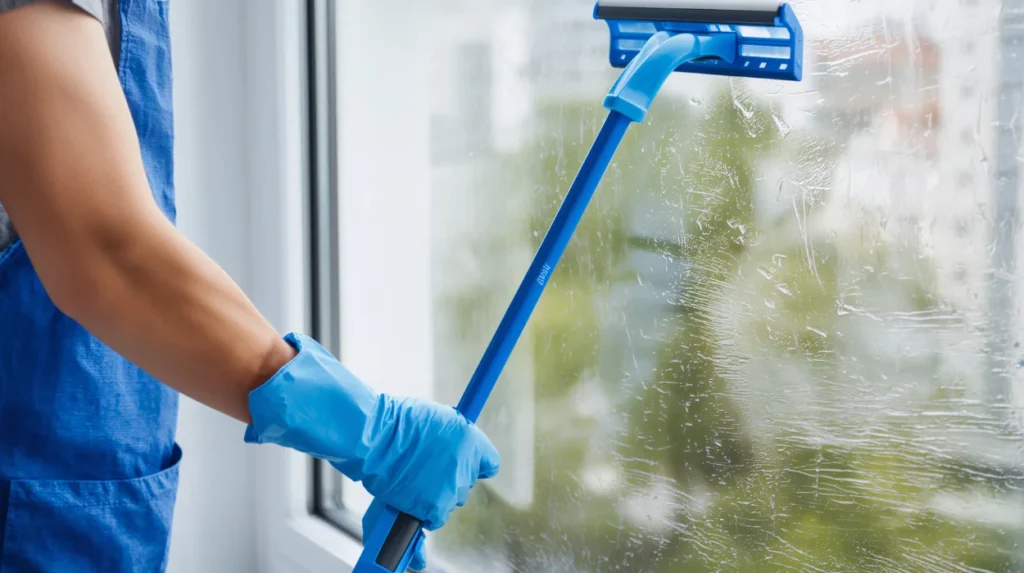
Most homes benefit from exterior cleaning every four to eight weeks, depending on location and weather. Properties near busy roads, trees, or construction sites collect dust, pollen, and pollution faster. Interior glass usually needs attention less often, roughly every two to three months, unless there are children, pets, or smokers in the house. Kitchens and bathrooms may need extra cleaning because steam and grease settle on the surface.
Seasonal timing also has an effect. Autumn leaf drop and winter rain leave marks on the glass that can etch in if left too long. A spring clean helps to restore light after the darker months, and a summer visit removes pollen and dust. Keeping a simple schedule prevents heavy build-up and makes each session quicker, whether you clean the windows yourself or arrange a regular service.
Choosing a Reliable Window Cleaner in Oldham
When you decide to hire, check a few basics before booking. Look for public liability insurance, clear pricing, and a service description that says which parts of the window are included. Ask whether the company uses water-fed poles or traditional methods, and confirm whether they can reach upper floors and conservatories. Reviews from real customers and consistent local availability are good indicators of a dependable provider.
Homeowners who are ready to compare providers can look at insured professional window cleaners to see what a dependable service should offer. For readers who want the outcome without the effort, streak-free window cleaning in Oldham covers the process from booking to finished glass. Reading these details before you commit helps you avoid unclear quotes and mismatched expectations.
Both options have a place, and the right one depends on access, budget, and how much time you want to spend. Simple tasks on low windows suit a DIY approach, while heights, stains, and large glass areas are better handled by trained professionals. Bee Cleaning Services Manchester supports Oldham homes and businesses with professional cleaning solutions that keep glass clear and frames well maintained, so you can choose the level of help that suits your property.
Frequently Asked Questions
Is it cheaper to clean windows yourself?
For a few low windows, doing it yourself is usually cheaper, because you only need basic tools and a few cloths. Costs rise once you add ladders, poles, and quality products. Your time also has a value, especially for larger homes. Over a full year, a regular service can cost about the same as buying equipment and cleaning solutions repeatedly. Many people find the price gap smaller than expected.
What is the best homemade solution for cleaning windows?
A mix of warm water and a few drops of washing-up liquid works well for routine cleaning. White vinegar diluted with water helps remove light film and mineral marks. Avoid using vinegar on natural stone sills or some frame finishes, as it can cause damage. Always wipe with a squeegee or lint-free cloth to prevent streaks. Test any homemade solution on a small area before using it widely.
Why do my windows always look streaky after cleaning?
Streaks usually come from cleaning in direct sun, using too much product, or dirty cloths. Old squeegee blades and hard tap water also leave marks. Work in the shade, use a clean blade, and wipe the edges last. Change cloths often so that you do not spread dirt back onto the glass. Polishing with a dry microfibre cloth finishes the job.
Is it safe to clean upstairs windows myself?
It is only safe if you can reach the glass from inside without leaning out or standing on unstable surfaces. Ladders raise the risk of falls, particularly on uneven ground or in wet weather. Extension poles reduce the need to climb but still require care. If access is difficult, it is safer to book a trained cleaner with the right equipment. Never rush this task or work alone on a ladder.
How often should a professional clean my windows?
Most households book a professional visit every four to eight weeks for exterior glass. Homes in cleaner areas may stretch this to every twelve weeks. Busy roads, trees, and coastal air can shorten the gap. Conservatories and large glazed areas often need more frequent attention. A cleaner can suggest a suitable schedule after seeing the property.