

Leather and fabric sofas require different cleaning approaches, and understanding these methods ensures your furniture stays protected and lasts longer. The best method depends on your sofa’s material, the type of stain, and the level of dirt accumulation.
Choosing the right cleaning approach for your sofa is essential for maintaining its appearance and extending its lifespan. Leather and fabric upholstery respond differently to various cleaning techniques and solutions, which is why using the incorrect method can damage your investment. Whether you’re dealing with a stubborn wine stain, everyday dust, or general maintenance cleaning, knowing the distinction between leather vs fabric sofa cleaning methods helps you make informed decisions about professional cleaning-equipment and techniques.
Understanding Your Sofa’s Material Type
Before selecting a cleaning method, identifying your sofa’s material is the critical first step. Most residential sofas fall into two primary categories: genuine or synthetic leather and natural or synthetic fabric blends. Running your hand across the surface and checking the manufacturer’s tag provides essential information about fiber content and recommended care instructions. Leather, whether full-grain, top-grain, or bonded, requires gentle handling and moisture control, while fabric types—including microfiber, cotton, wool, and polyester blends—tolerate water-based solutions differently.
The label on your sofa typically lists the recommended cleaning code, which guides which cleaning-equipment and solvents are safe to use. Code “W” indicates water-based solutions are appropriate, while “S” suggests solvent-only cleaning is necessary. Understanding this classification prevents costly damage and ensures you select methods aligned with manufacturer specifications. Bee Cleaning Services Manchester specializes in identifying these material distinctions and applying appropriate techniques tailored to your sofa’s unique composition.
Fabric Sofa Cleaning Methods and Techniques
Fabric upholstery responds well to several effective cleaning methods, each suited to different soiling levels and stain types. Water-based extraction cleaning uses hot water mixed with specialized detergents applied through professional cleaning-equipment that simultaneously injects and extracts solution, lifting dirt and allergens from deep within fabric fibers. This method proves highly effective for general maintenance and moderate staining. Dry cleaning methods, conversely, employ minimal moisture and chemical solvents, making them suitable for delicate fabrics or items where water exposure poses risks.
Encapsulation cleaning represents an advanced fabric cleaning approach where specialized compounds are applied to soils, creating crystals that encapsulate dirt particles. Once dry, vacuuming removes the encapsulated soils without requiring significant drying time. For immediate refreshment or between professional cleanings, dry powder methods offer convenience, though they typically provide surface-level cleaning only. Most residential fabric sofas benefit from annual professional cleaning combined with regular vacuuming and spot-treatment maintenance. When selecting a fabric sofa cleaning service, asking about specific cleaning methods for sofa stain removal helps ensure your chosen provider uses appropriate techniques for your furniture’s specific needs.
Leather Sofa Cleaning Methods and Protective Measures
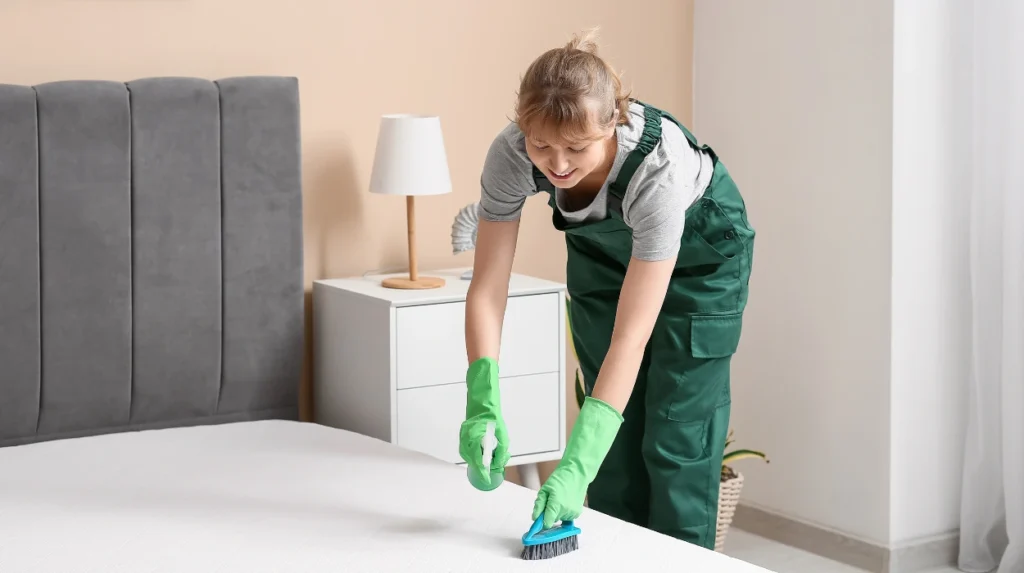
Leather cleaning requires fundamentally different approaches than fabric, emphasizing moisture control and specialized conditioners that preserve the material’s suppleness. Professional leather cleaning typically involves mild, pH-balanced cleansers formulated specifically for leather that remove surface dirt without stripping natural oils or causing discoloration. Excessive water exposure damages leather through expansion and shrinkage, potentially causing cracking and peeling, making dry or minimal-moisture methods preferable for most leather furniture.
Conditioning represents an essential component of leather sofa care that many fabric cleaning approaches entirely omit. After cleaning, leather requires conditioning treatments that replenish protective oils and maintain flexibility, preventing the material from becoming brittle and prone to cracking. Quality leather cleaning-equipment includes specialized conditioning products that restore the leather’s natural appearance and protective barrier. Regular leather maintenance—monthly light cleaning combined with quarterly professional conditioning—extends the lifespan of leather sofas by years. Bee Cleaning Services Manchester provides comprehensive leather sofa cleaning that combines gentle cleaning solutions with professional-grade conditioning treatments, ensuring your investment maintains its appearance and durability.
Comparing Costs, Drying Times, and Long-Term Results
The decision between leather and fabric sofa cleaning methods extends beyond cleaning effectiveness to practical considerations like cost and recovery time. Fabric sofa cleaning typically costs less than leather cleaning due to simpler chemical requirements, though water extraction methods require 24-48 hours drying time depending on humidity levels. Leather cleaning commands higher prices but offers faster drying—usually within 4-8 hours—since moisture exposure is minimized. Long-term results differ significantly; properly maintained fabric sofas resist re-soiling better after professional hot water extraction, while conditioned leather develops a protective patina that improves appearance over time.
Investing in professional upholstery cleaning services rather than attempting DIY solutions prevents costly damage and delivers superior results. Professional-grade cleaning-equipment and access to commercial-strength solutions far exceed consumer-available products, particularly for challenging stains or heavily soiled furniture. Most professionals recommend annual cleaning for fabric sofas and semi-annual conditioning for leather, though pet ownership or high traffic warrants more frequent professional attention. Understanding these cost-benefit considerations helps you make decisions that protect your furniture investment while maintaining a healthy living environment.
Environmental and Health Considerations
Modern sofa cleaning methods increasingly emphasize eco-friendly solutions and minimal chemical residue, addressing legitimate health and environmental concerns. Water-based extraction cleaning produces minimal environmental impact while eliminating allergenic dust mites and bacteria that accumulate in upholstery over time. Solvent-based cleaners, while sometimes necessary for specific leather applications, require proper ventilation and disposal protocols that professional services manage appropriately. When researching professional cleaning-equipment providers, inquiring about their chemical formulations and ventilation procedures ensures they prioritize family health and environmental responsibility.
Allergen removal represents a significant health benefit of professional sofa cleaning, particularly for households with asthma, allergies, or compromised immune systems. Dust mites, pet dander, and mold spores accumulate within sofa fibers regardless of visible cleanliness, making regular professional cleaning a health investment beyond aesthetic benefits. Understanding what questions to ask when hiring a professional sofa cleaning company in Oldham ensures you select providers who prioritize these health-related concerns alongside cleaning effectiveness.
Selecting Professional Cleaning Services for Your Sofa
Choosing between DIY cleaning and professional services depends on your sofa’s material, soil level, and your comfort attempting potentially risky procedures. Professional upholstery cleaning services provide expertise, specialized equipment, and quality guarantees that protect your investment in ways rental equipment cannot replicate. Experienced providers diagnose material-specific needs quickly and apply appropriate methods before problems develop. When ready to pursue professional sofa cleaning, Bee Cleaning Services Manchester offers comprehensive sofa and armchair cleaning services across Oldham for all fabric types, ensuring your furniture receives appropriate care regardless of material composition.
Professional services prove particularly valuable for expensive furniture, antique pieces, or delicate materials where cleaning mistakes carry significant financial consequences. Most quality providers offer stain protection treatments that create invisible barriers reducing future staining risk. Building a relationship with consistent professional cleaners ensures continuity in care and early problem identification before minor issues become permanent damage. Scheduling regular professional maintenance cleaning, combined with diligent home care habits, represents the most effective approach for preserving beautiful, healthy upholstery.
What causes sofas to re-soil quickly after professional cleaning?

Rapid re-soiling following professional cleaning typically results from inadequate rinsing leaving chemical residue that attracts dirt, insufficient drying allowing moisture to reactivate soils, or failure to apply protective treatments. Low-quality or DIY cleaning often leaves behind sticky residues that soil faster than pre-cleaning conditions. Professional providers mitigate these issues through thorough rinsing, proper drying protocols, and optional stain protection applications that create barriers reducing future soiling. Understanding your cleaner’s methodology and aftercare recommendations prevents disappointment following professional services.
Is professional cleaning worth the cost compared to renting equipment?
Professional cleaning offers superior results justifying cost through expertise, commercial-grade equipment impossible to rent affordably, and quality guarantees protecting your furniture investment. Rental equipment produces inconsistent results requiring multiple attempts while lacking the suction power and heating capacity of professional systems. Professional cleaners complete jobs efficiently in single visits, minimizing disruption while delivering commercial-level outcomes. For furniture exceeding $2,000 in value or containing delicate materials, professional cleaning’s protective benefits quickly justify costs through damage prevention and longevity extension.
Understanding the fundamental differences between leather vs fabric sofa cleaning methods empowers you to make decisions protecting your furniture investment while maintaining a healthy home environment. Leather requires specialized conditioning and minimal moisture exposure, while fabric benefits from deeper hot water extraction and drying time. Both materials deserve appropriate care tailored to their unique composition and your household’s specific circumstances.
Professional upholstery cleaning combines material-specific expertise, commercial-grade cleaning-equipment, and proven techniques delivering results impossible to achieve through DIY approaches. When your sofa requires professional attention, Bee Cleaning Services Manchester provides expert upholstery cleaning services in Oldham designed around your furniture’s material composition and your home’s unique cleaning needs, ensuring your investment remains beautiful and protected for years.
Frequently Asked Questions About Sofa Cleaning Methods
What is the safest way to clean leather sofas at home?
The safest leather sofa cleaning approach involves minimal water contact and gentle handling to avoid damage. Create a mild solution using pH-balanced leather cleaner diluted according to product instructions, ensuring you never oversaturate the material. Test any solution on an inconspicuous area first, then lightly dampen a soft cloth and gently wipe affected areas in circular motions.
How often should fabric sofas be professionally cleaned?
Fabric sofas without pets or high traffic benefit from professional cleaning annually as part of regular maintenance schedules. Households with children or pets warrant semi-annual professional cleaning due to increased soiling and allergen accumulation within fibers.
Can I use the same cleaning solution for both leather and fabric sofas?
Never use identical cleaning solutions for leather and fabric upholstery, as formulations are specifically engineered for each material’s unique chemical needs. Fabric cleaners often contain surfactants and moisture levels that damage leather’s protective oils and cause permanent discoloration or staining. Leather conditioning compounds, conversely, leave greasy residue on fabric that traps dirt particles and reduces overall cleaning effectiveness significantly.
What causes sofas to re-soil quickly after professional cleaning?
Rapid re-soiling following professional cleaning typically results from inadequate rinsing that leaves chemical residue attracting dirt back to fibers quickly. Insufficient drying time allows moisture to reactivate soil particles and mold growth, while failure to apply protective treatments leaves furniture vulnerable. Low-quality or DIY cleaning often leaves behind sticky residues that actually soil faster than pre-cleaning conditions existed.
Is professional cleaning worth the cost compared to renting equipment?
Professional cleaning delivers superior results that justify costs through specialized expertise and commercial-grade equipment impossible to rent affordably anywhere. Rental equipment produces inconsistent results requiring multiple attempts while lacking the suction power and heating capacity of professional systems. Professional cleaners complete jobs efficiently in single visits, minimizing household disruption while delivering commercial-level cleanliness impossible to achieve independently.