
An effective office cleaning checklist for Oldham facility managers should cover daily sanitisation protocols, deep cleaning schedules, cleaning-equipment inventory management, and compliance with health standards. This comprehensive approach ensures your workplace remains hygienic, professional, and employee-ready every single day.
Professional Commercial Cleaning Services in Oldham understand that facility managers need more than surface-level cleaning. They need structured, documented processes that maintain workplace standards while protecting employee health and safety. The right cleaning checklist becomes your operational backbone, ensuring nothing is overlooked and accountability is built into every cleaning cycle.
Understanding Your Office Cleaning Checklist Needs
The office cleaning checklist for Oldham facility managers serves multiple critical functions beyond basic tidiness. It creates accountability among your cleaning team, documents completed tasks for compliance purposes, and ensures consistent quality standards across all areas of your workplace. When properly implemented, a structured checklist reduces missed areas, improves cleaning efficiency, and demonstrates your commitment to employee wellbeing and workplace hygiene. Facility managers who use detailed checklists report higher employee satisfaction scores and lower absenteeism rates related to illness. Without a documented cleaning system, inconsistencies emerge, standards slip, and your workplace reputation suffers. The checklist becomes both your quality assurance tool and your compliance documentation, essential for businesses operating in Oldham where workplace health standards are increasingly monitored.
Daily Office Cleaning Requirements
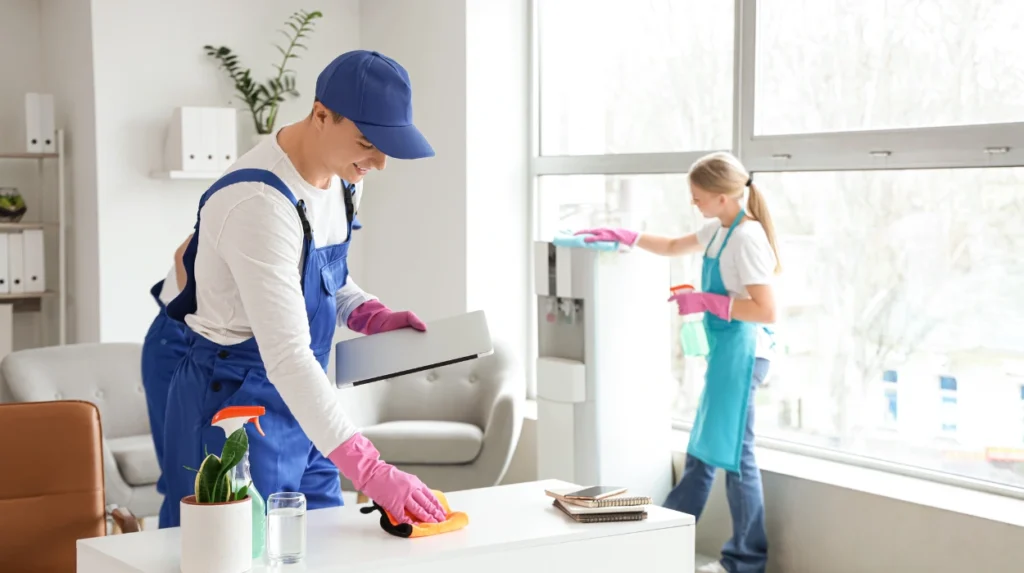
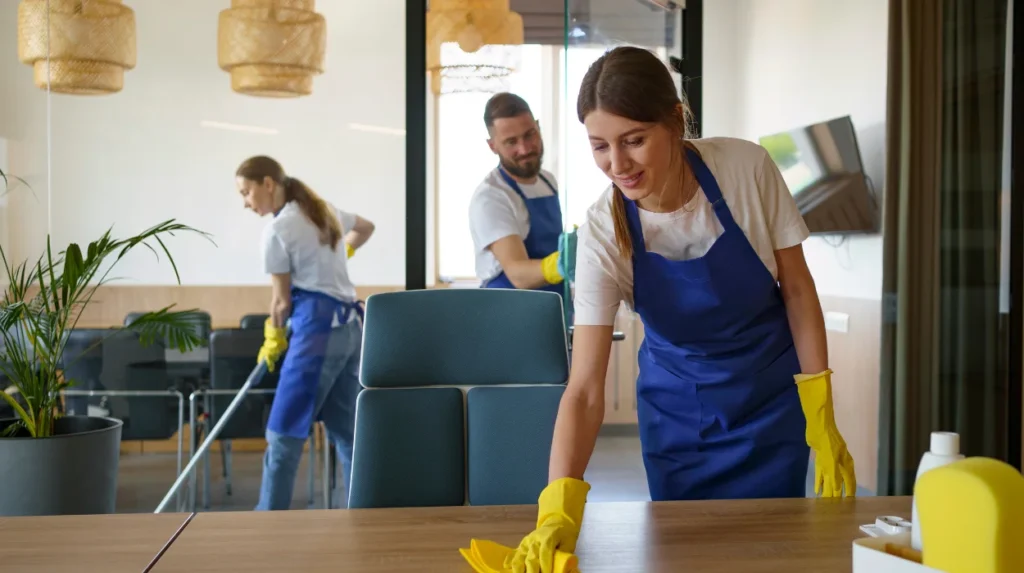
Daily cleaning forms the foundation of any workplace hygiene strategy, and your office cleaning checklist for Oldham must address multiple touch points that require attention every single working day. High-touch surfaces including door handles, light switches, desk surfaces, and shared equipment should be sanitised using appropriate disinfectants that meet current health standards. Kitchen and break room areas require daily attention including refrigerator cleaning, microwave sanitisation, countertop disinfection, and floor sweeping to prevent bacteria growth and pest issues. Bathroom facilities need hourough attention with toilet cleaning, sink sanitisation, mirror polishing, soap and paper dispenser refilling, and floor disinfection performed multiple times throughout the day during business hours.
Office entrances and reception areas set the first impression for clients and employees, requiring daily attention to flooring, glass surfaces, and waiting areas to maintain professional appearance. Trash removal from all areas including desk-side bins, kitchen waste, and bathroom waste must happen daily to prevent odours and maintain hygiene standards. Your cleaning-equipment should be stored and maintained properly to ensure effectiveness, with mops, cloths, and brushes regularly replaced to prevent cross-contamination. Bee Cleaning Services Manchester includes all these daily touchpoints in their Commercial Cleaning Services in Oldham, ensuring nothing is overlooked.
Weekly Deep Cleaning Protocols
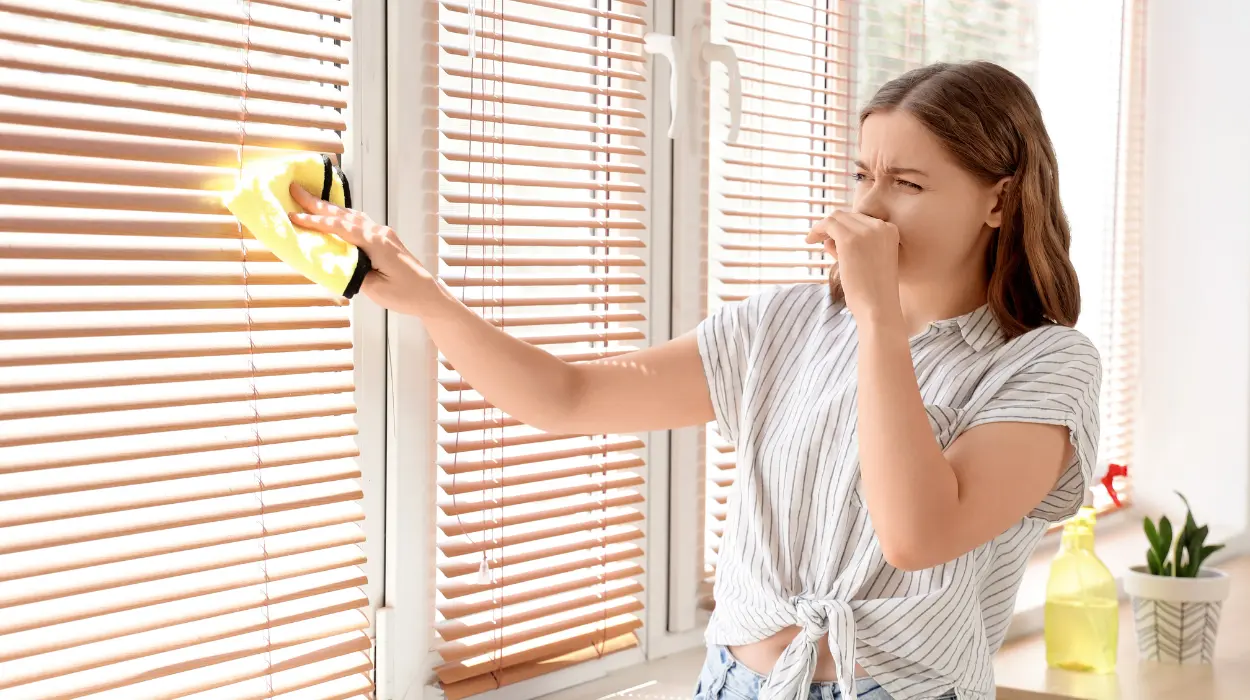
Weekly deep cleaning extends beyond daily maintenance and addresses areas that accumulate dirt and allergens over time, requiring more intensive attention and specialist cleaning-equipment. Carpeted areas and upholstered furniture should be vacuumed thoroughly using commercial-grade equipment that extracts embedded dust and allergens that regular sweeping cannot remove. Window cleaning both interior and exterior surfaces, window sills, and frames removes dust accumulation and maintains professional appearance while allowing natural light to brighten your office spaces. Walls and painted surfaces often accumulate dust, fingerprints, and minor marks that should be cleaned weekly, particularly in high-traffic areas where contact is frequent and visible.
Desk and workstation sanitisation goes deeper than daily cleaning, involving keyboard and mouse disinfection, monitor screen cleaning, and surface polish to extend furniture life and maintain professional standards. Light fixtures including ceiling lights, ceiling fans, and wall fixtures accumulate dust that reduces lighting effectiveness and can harbour allergens affecting employee respiratory health. Floor treatment beyond daily sweeping includes spot-cleaning, polish application, and deep sanitisation to remove embedded dirt and maintain professional appearance. Conference rooms and meeting spaces require special attention to tables, chairs, audio-visual equipment, and whiteboards that accumulate residue and fingerprints throughout the week.
Monthly and Quarterly Deep Cleaning Tasks
Beyond daily and weekly cycles, facility managers must schedule monthly and quarterly deep cleaning tasks that require professional expertise and industrial-grade cleaning-equipment to restore your office environment completely. HVAC system cleaning including air filter replacement, ductwork sanitisation, and ventilation system maintenance ensures healthy air circulation and prevents allergen accumulation that affects employee respiratory health and productivity levels. Carpet shampooing and professional extraction removes accumulated soil, stains, and embedded allergens that regular vacuuming cannot address, extending carpet lifespan and improving air quality throughout your facility.
Upholstered furniture deep cleaning includes cushion extraction, fabric sanitisation, and odour treatment that restores furniture appearance and eliminates bacteria and allergens. Kitchen appliance maintenance including refrigerator coil cleaning, dishwasher sanitisation, and microwave deep cleaning prevents mechanical failures and food contamination risks. Floor restoration including waxing, polishing, or treatment application maintains surface protection and professional appearance while extending floor lifespan and preventing safety hazards. High ceiling and structural beam cleaning addresses dust accumulation in areas often overlooked but significant for overall air quality and workplace aesthetics. Exterior areas including parking lots, building facades, and entryways require quarterly attention to prevent deterioration and maintain professional curb appeal.
Cleaning-Equipment and Supply Management
Your office cleaning checklist must include dedicated attention to cleaning-equipment inventory, maintenance, and replacement protocols that directly impact cleaning effectiveness and employee safety. Proper equipment storage in designated areas prevents cross-contamination between different cleaning zones and ensures tools remain in optimal condition for workplace use. Microfibre cloths and mop heads require regular replacement as they accumulate bacteria and become less effective over time, compromising both cleaning quality and hygiene standards. Disinfectant and chemical storage must follow safety protocols with proper labeling, ventilation considerations, and employee training to prevent accidents and chemical exposure incidents.
Equipment maintenance including mop wringing systems, vacuum filter replacement, and sanitisation of equipment itself prevents bacteria growth on cleaning tools that would otherwise contaminate workplace surfaces. Inventory tracking ensures supplies never run out and outdated products are properly disposed of according to environmental and health regulations. Your facility should maintain equipment documentation showing purchase dates, maintenance history, and replacement cycles to demonstrate compliance with health standards. Bee Cleaning Services Manchester maintains professional-grade equipment standards that exceed typical facility requirements, ensuring superior cleaning results across all Commercial Cleaning Services in Oldham areas.
Compliance and Health Standards Documentation
Facility managers in Oldham must ensure their office cleaning checklist aligns with current health regulations, workplace safety standards, and industry best practices that continue evolving. Health and Safety Executive standards require documented cleaning protocols with specific attention to high-risk areas and pathogens that can spread through workplace environments.
COSHH regulations govern how cleaning chemicals are stored, used, and disposed of, requiring staff training and documentation of all chemical use within your facility. Employee health records should note patterns of illness that might correlate with cleaning insufficiencies, allowing you to adjust protocols based on real workplace data. Incident reporting procedures must document cleaning-related accidents, chemical exposures, or injury events that require investigation and preventive action. Supplier compliance ensures your cleaning service providers maintain appropriate certifications, insurance, and professional standards that protect your facility legally and operationally. Audit trails and photographic documentation provide evidence of completed cleaning tasks and maintain accountability across your organisation. Regular management reviews of your office cleaning checklist for Oldham facilities ensure protocols remain current with changing regulations and emerging health threats in your industry.
Implementing Your Cleaning Checklist Effectively
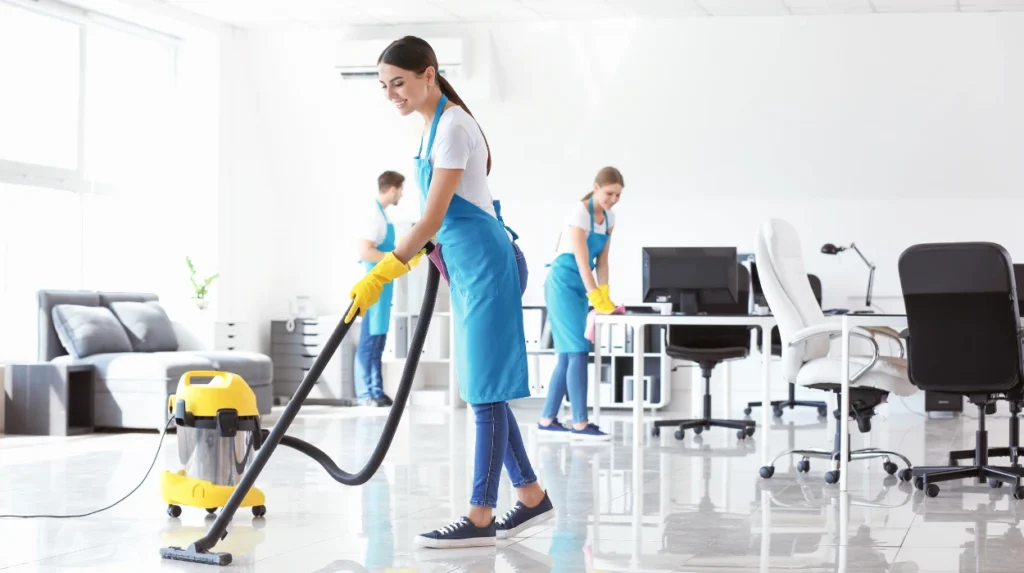
Successful implementation of an office cleaning checklist requires clear communication, proper training, and consistent oversight to ensure daily compliance across your entire facility. Assign clear responsibility with named individuals accountable for different areas, ensuring cleaning tasks get completed rather than assumed to happen. Provide comprehensive training on correct techniques, safety protocols, and cleaning-equipment use so staff understand not just what to clean but how to clean effectively. Schedule cleaning tasks at appropriate times ensuring minimal disruption to business operations while maintaining workplace hygiene standards throughout working hours.
Use digital checklists or physical documentation that creates permanent records of completed tasks, allowing management to verify compliance and identify any persistent gaps. Conduct regular spot-checks and inspections comparing actual conditions to checklist standards, providing feedback and additional training where needed. Rotate staff responsibilities periodically to ensure multiple team members understand all procedures and can cover absences or increased facility demands. Professional oversight through services like Bee Cleaning Services Manchester ensures your Commercial Cleaning Services in Oldham maintain consistent standards that exceed internal capabilities.
Seasonal Considerations for Oldham Facilities
Oldham’s climate presents unique seasonal challenges that should be incorporated into your office cleaning checklist framework throughout the year. Winter months bring increased foot traffic tracked through facilities with moisture, mud, and salt from outdoor conditions requiring enhanced entrance area and floor cleaning protocols. Heating system activation increases dust circulation through ventilation systems, requiring more frequent filter changes and duct cleaning to maintain air quality.
Summer brings higher pollen counts and airborne particles requiring enhanced window cleaning, exterior filter maintenance, and air quality monitoring. Autumn leaf debris around building exteriors creates slip hazards and blocked drainage systems requiring frequent exterior area cleaning and maintenance. Spring brings increased cleaning demands as employees open windows for fresh air, exposing interiors to pollen and outdoor contaminants requiring enhanced air filtration attention.
Technology and Monitoring Solutions
Modern facility management increasingly incorporates technology solutions that enhance your office cleaning checklist effectiveness and provide real-time oversight of workplace standards. Digital checklist applications allow staff to complete tasks using mobile devices, timestamp completion, and flag areas requiring attention or special equipment use.
Environmental monitoring sensors track air quality, humidity levels, and temperature affecting employee comfort and cleaning protocol effectiveness throughout your facility. Cleaning verification systems using QR codes or digital signatures prevent incomplete or falsified task completion while creating documented compliance evidence. Analytics dashboards consolidate cleaning data revealing patterns, peak demand periods, and areas requiring additional attention based on actual facility usage patterns. Staff communication platforms enable quick notification of cleaning issues, supply shortages, or equipment problems that require immediate resolution or special attention.
Professional Standards for Oldham Workplaces
An effective office cleaning checklist for Oldham facility managers combines daily maintenance protocols, weekly deep cleaning schedules, monthly specialist attention, and documented compliance procedures that work together to create genuinely hygienic and professional workplace environments. The checklist itself becomes your operational guide, ensuring consistency, accountability, and professional standards that protect employee health while maintaining your facility’s reputation and functionality.
While in-house teams can execute many cleaning tasks, professional Commercial Cleaning Services in Oldham like Bee Cleaning Services Manchester bring specialist expertise, industrial-grade cleaning-equipment, compliance certifications, and consistency that internal teams often cannot match across all facility areas. Your investment in a comprehensive office cleaning checklist represents investment in employee wellbeing, workplace safety, and operational excellence that ultimately affects productivity, satisfaction, and business success in competitive Oldham markets.
Frequently Asked Questions
What is the difference between daily and deep cleaning in office environments?
Daily cleaning addresses high-touch surfaces and visible dirt that accumulates during normal business operations, maintaining basic hygiene standards. Deep cleaning involves more intensive processes using specialist cleaning-equipment, chemical treatments, and extended time to address embedded dirt, allergens, and areas not reached during daily routines, typically scheduled weekly or monthly.
How often should office floors be professionally cleaned and treated?
Office floors should be vacuumed or swept daily, spot-cleaned for spills weekly, and professionally shampooed or restored quarterly depending on foot traffic and flooring type. High-traffic commercial facilities may require more frequent professional treatment while lower-traffic areas might need quarterly or biannual deep cleaning cycles.
What cleaning-equipment do professional services use that’s better than standard supplies?
Professional cleaning services use commercial-grade equipment including truck-mounted extraction systems, industrial HEPA-filter vacuums, pressure washers, and specialist disinfection equipment that achieve superior cleaning results compared to standard office supplies and consumer equipment available to in-house teams.
How should facility managers handle cleaning chemicals storage and safety?
Chemicals must be stored in designated areas with proper ventilation, clearly labeled containers, and restricted access to untrained staff members. All staff handling chemicals require COSHH training and understanding of proper usage, dilution rates, and emergency procedures. Material Safety Data Sheets should be readily accessible for reference during chemical use.
Can a cleaning checklist reduce workplace illness and absenteeism rates?
Yes, studies demonstrate that facilities maintaining comprehensive cleaning protocols experience lower illness rates and reduced absenteeism as regular sanitisation removes pathogens and allergens from workplace environments. Proper attention to high-touch surfaces, kitchen areas, and restrooms particularly reduces transmission of common workplace illnesses during seasonal peaks.