

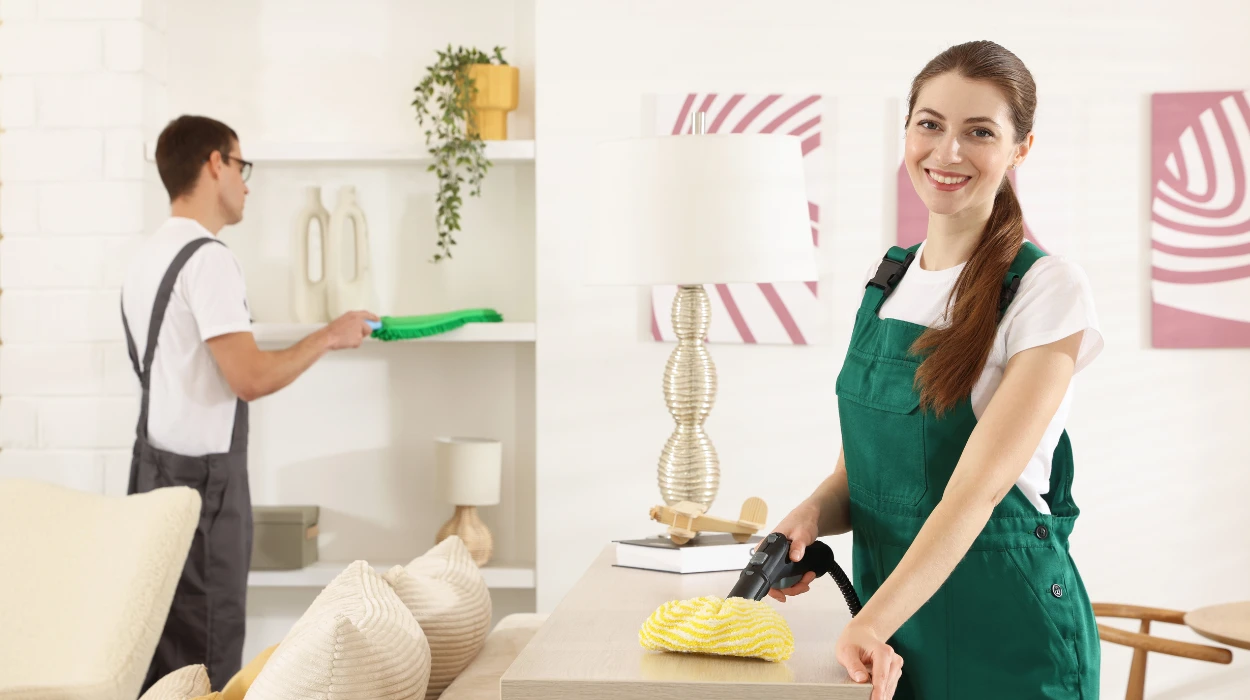
A deep cleaner removes built-up dirt, grease, limescale and allergens from areas that routine cleaning usually misses. The work follows a structured process of inspection, treatment, scrubbing and sanitising with professional cleaning equipment.
What Is the Role of a Deep Cleaner?
A deep cleaner is a trained cleaning technician who restores homes and commercial spaces to a high hygiene standard. Unlike a regular cleaner, who maintains surfaces through weekly tasks such as dusting and mopping, a deep cleaner tackles accumulated soil that has settled over months. This includes grime behind appliances, scale on taps, grease on extractor hoods and dust inside vents. The role combines physical work with product knowledge, because different stains and materials need different treatments. A wrong chemical on natural stone or wood can cause permanent damage, so careful assessment is part of every job.
How Does a Deep Cleaner Start the Day?
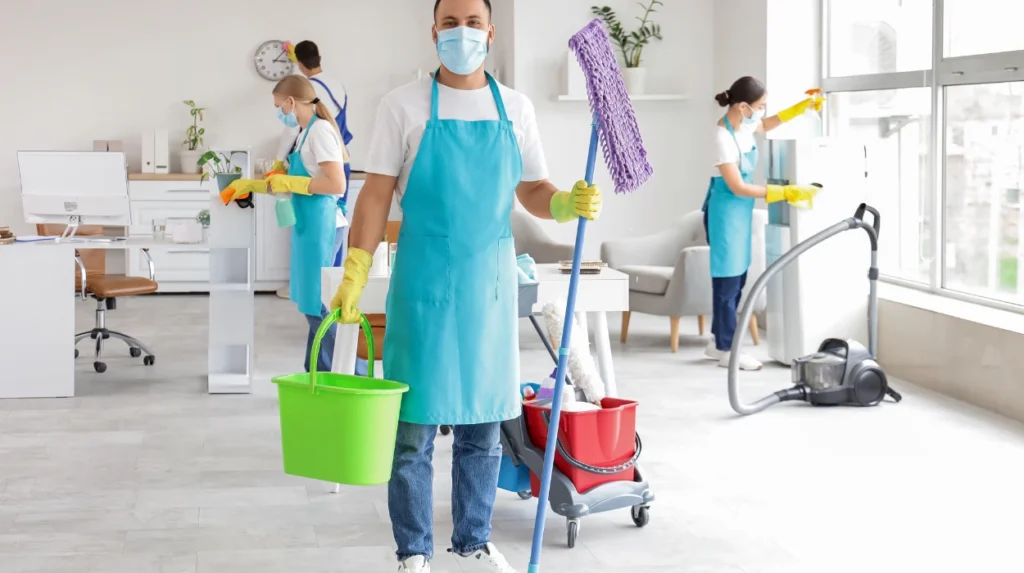
The working day usually begins with preparation at the depot, where the technician checks the job sheet, the property size and any special instructions from the client. Equipment is loaded into the van, including vacuums, steam machines, extraction units, microfibre cloths, brushes and a range of professional-grade solutions. Chemicals are checked against safety data sheets, and protective gloves, masks and non-slip footwear are packed. On arrival, the cleaner walks through the property to spot problem areas such as heavy limescale, stained grout or worn carpet. This inspection sets the order of work and prevents surprises later.
What Happens During the Morning Tasks?
Mornings are often reserved for the most demanding rooms, which are typically the kitchen and bathrooms. In a kitchen, the cleaner degreases the oven, hob, extractor fan and splashbacks, then cleans inside cupboards and behind movable appliances. Grease needs time to loosen, so a solvent is applied first and left to dwell before scrubbing begins. In bathrooms, descaling agents dissolve limescale on taps, shower screens and tiles, while grout lines are brushed and rinsed. Toilets, sinks and extractor vents receive a full sanitising treatment. Working from top to bottom keeps falling dust and drips from undoing finished areas.
How Do Deep Cleaners Treat Carpets and Upholstery?
Soft furnishings hold a surprising amount of dust, pet dander and dust mites, so they form a major part of the afternoon schedule. The cleaner vacuums thoroughly, pre-treats visible stains and then uses hot water extraction to flush dirt from the fibres. The machine sprays a cleaning solution into the fabric and pulls the dirty water straight back out, which leaves carpets damp but not soaked. Sofas and upholstery follow a similar method, although fabric type must be tested first for colour fastness. Homeowners comparing prices for this work can read our sofa and upholstery deep cleaning price guide for typical cost ranges.
Which Cleaning Equipment Does a Deep Cleaner Use?
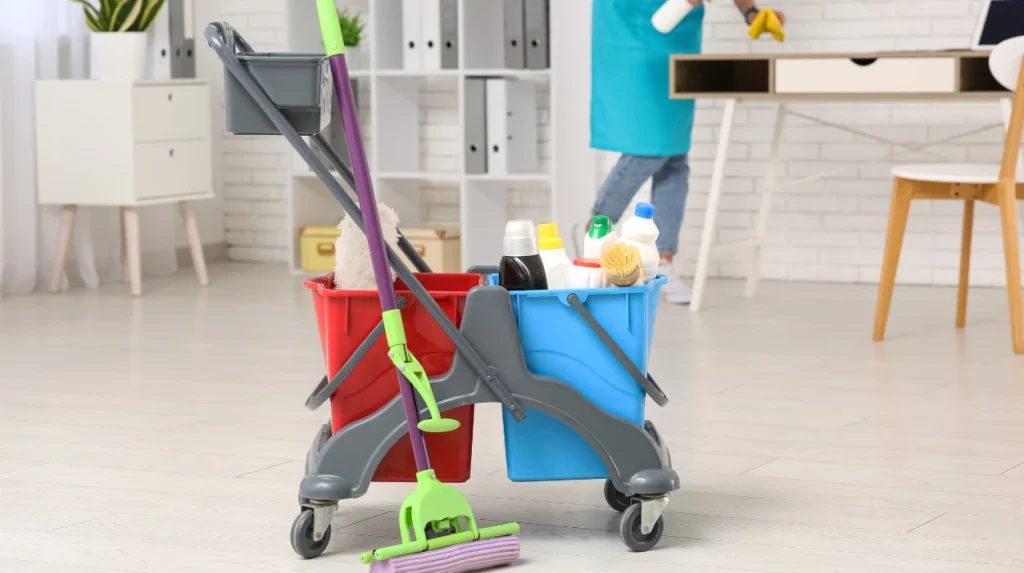
Professional results depend heavily on the right cleaning equipment. Commercial vacuum cleaners with HEPA filters capture fine particles that household models release back into the air. Steam cleaners sanitise hard surfaces using high temperature vapour, which loosens grease without harsh chemicals. Carpet extraction machines, rotary floor scrubbers and detail brushes handle larger and finer jobs respectively. Colour-coded microfibre cloths stop cross-contamination between kitchens and bathrooms. Well-maintained cleaning equipment also reduces the time needed on site, which means the property returns to normal use sooner and with fewer disruptions to the household or business.
What Does the Final Check Involve?
Once every room has been treated, the cleaner performs a final inspection using the original job sheet as a checklist. Surfaces are wiped for streaks, mirrors and glass are polished, and floors are mopped or vacuumed one last time. Bins are emptied, and any moved furniture is returned to its original position. Many technicians check hidden spots such as skirting boards, door frames and light switches, because these are the places customers usually notice first. If anything has been missed, it is corrected before leaving. The cleaner then records the completed work, so the next visit can build on it.
When Should You Book Professional Deep Cleaning?
Deep cleaning is most useful at particular moments, such as before moving in, after renovation, at the end of a tenancy or during a seasonal reset in spring. Households with allergy sufferers, pets or young children often schedule it once or twice a year to keep dust and bacteria under control. Landlords and offices use it to meet hygiene expectations and inspection standards. For residents who want to compare quotes before committing, this guide to booking professional deep cleaning in Oldham explains what to ask providers and how bookings usually work.
How Do Deep Cleaning Services in Oldham Work?
Deep Cleaning Services in Oldham generally begin with a quote based on property size, number of rooms and the condition of the surfaces. A scheduled team then arrives with its own products and machinery, so the customer does not need to supply anything. Most homes take between four and eight hours, depending on layout and how much build-up exists. Bee Cleaning Services Manchester delivers this type of work through trained staff who follow room-by-room checklists. Customers who want a fuller breakdown of the process can review our deep cleaning service in Oldham details.
A deep cleaner’s day mixes inspection, targeted treatment, specialist machinery and careful finishing, with every step designed to remove what everyday cleaning cannot. Understanding what does a deep cleaner do helps homeowners judge the quality of a service and set realistic expectations for the result. Bee Cleaning Services Manchester provides professional cleaning solutions that follow this structured approach, supporting households and businesses that want a thoroughly clean and healthier space.
Frequently Asked Questions
How often should a house be deep cleaned?
Most homes benefit from a deep clean once or twice a year. Households with pets, allergies or small children may prefer every three to four months. Busy kitchens and bathrooms collect grease and limescale faster than other rooms. A seasonal spring clean is a popular time to book. Regular weekly cleaning between visits makes each deep clean quicker and easier.
Is deep cleaning really worth the money?
For most people, yes, because it removes dirt that normal cleaning leaves behind. Professional equipment reaches deeper than household products and tools. It can improve air quality by reducing dust, allergens and dust mites. It also protects carpets, appliances and surfaces from long-term damage. The result usually lasts longer than a standard clean.
What is the difference between deep cleaning and regular cleaning?
Regular cleaning maintains surfaces through dusting, vacuuming, mopping and wiping. Deep cleaning targets hidden and neglected areas, such as behind appliances, inside ovens and along grout lines. It uses stronger products, steam and extraction machines. It also takes several hours longer than a normal visit. Think of regular cleaning as upkeep and deep cleaning as a full reset.
Do I need to be at home during a deep clean?
You do not have to be present, provided you arrange safe access with the cleaning company. Many customers leave a key or use a lockbox. It helps to be available at the start to point out priority areas. Remove valuables and fragile items beforehand. Pets should be kept in a safe space while chemicals and machines are in use.
How long does a deep clean take?
A small flat may take around three to four hours. A standard three-bedroom house often needs six to eight hours. Time depends on property size, the amount of build-up and the number of cleaners. Add-ons such as carpet and upholstery cleaning extend the visit. A good provider will give an estimated duration when quoting.