

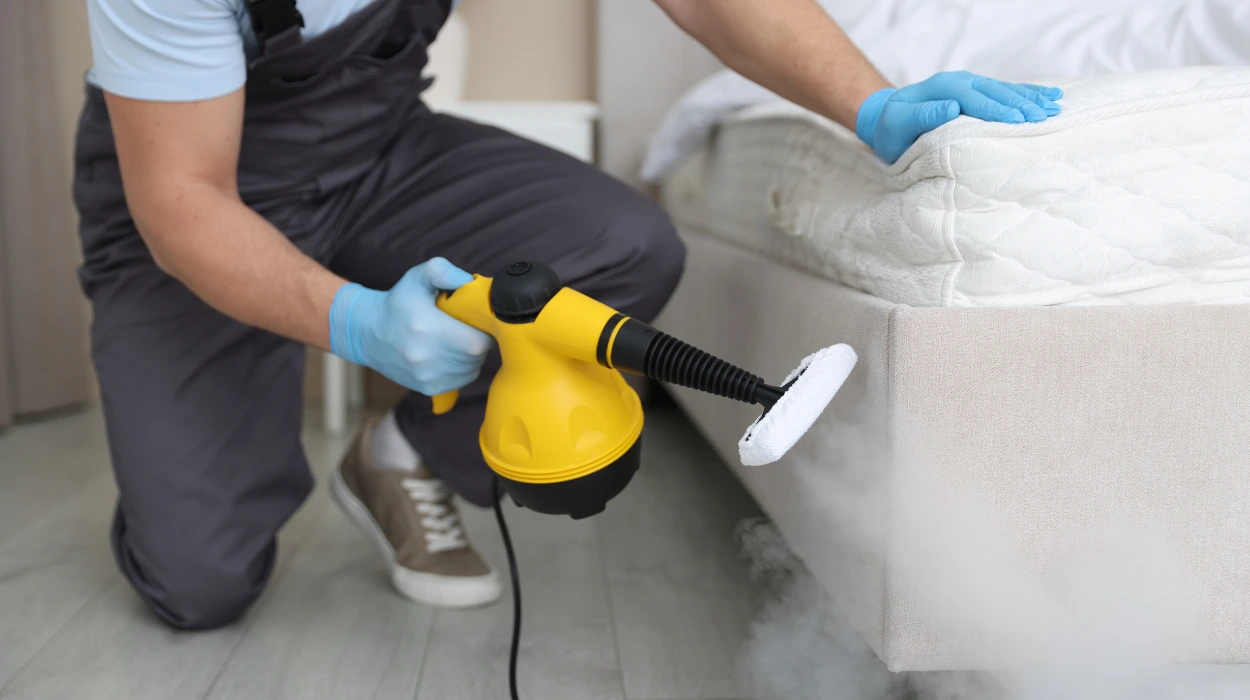
UV-C light and heat treatment are the two primary professional methods used to eliminate mattress mold by destroying its cellular structure or denaturing its proteins. While UV-C offers a chemical-free surface sanitization, heat treatment penetrates deeper into the fabric to ensure every hidden spore is neutralized.
Securing a healthy sleeping environment starts with understanding how professional Mattress Cleaning Services in Farnworth address the invisible threats lurking within your bedding. Mold is a resilient fungal growth that thrives in the humid, dark environment of a mattress, often requiring more than just a surface scrub. While household remedies might mask the odor, they rarely reach the root of the infestation, which is why advanced technology is necessary. High-end cleaning protocols focus on total eradication rather than temporary fixes to prevent respiratory issues and allergic reactions. By using industrial-grade equipment, experts can ensure that the biological integrity of the mattress is restored without damaging the delicate internal fibers.
The Science of UV-C Light in Mold Eradication
The application of ultraviolet-C light is a sophisticated technique that targets the DNA of mold spores to prevent them from reproducing and spreading further. This specific wavelength of light, typically between 200 and 280 nanometers, is germicidal, meaning it deactivates the reproductive capabilities of microorganisms on contact. When a specialist applies this technology, they use a controlled wand or specialized vacuum attachment that emits concentrated rays directly onto the mattress surface. It is a dry process, which is highly beneficial for materials that cannot withstand high moisture levels without risking further fungal growth. This method is particularly effective for maintenance and surface sterilization, ensuring that active spores do not remain on the exterior fabric.
However, UV-C light is primarily a line-of-sight technology, meaning its efficacy is limited to the areas where the light can actually reach and penetrate. If the mold has seeped deep into the memory foam or the inner springs of the bed, light alone may not be sufficient for a total cure. This is why professionals often categorize it as a sanitization step rather than a deep-remediation tool for heavy infestations that have moved inward. To achieve a comprehensive clean, the light must be applied slowly and steadily across every square inch of the surface. This meticulous approach ensures that the top layer of the mattress is free from bacteria, dust mites, and fungal pathogens.
Deep Penetration Through Professional Heat Treatment
Heat treatment is often considered the gold standard for deep-seated mold issues because thermal energy can move through porous materials more effectively than light. Professional systems utilize dry steam or high-temperature air to raise the internal temperature of the mattress to a level that mold cannot survive. Most fungal species are neutralized when exposed to temperatures above 60°C for a sustained period, which effectively cooks the spores from the inside out. This process not only kills the mold but also helps to dissolve the organic matter that the mold feeds on, such as dead skin cells. It provides a level of thoroughness that is difficult to replicate with standard household appliances or basic cleaning tools.
The advantage of using heat is its ability to reach into the very core of the mattress where moisture often gets trapped and allows mold to flourish. Because heat expands and permeates, it ensures that even the most stubborn colonies hidden behind foam layers are dealt with permanently. When managed by Mattress Cleaning Services in Farnworth, the moisture levels are carefully controlled to ensure the mattress is not left damp after the treatment is completed. High-powered extraction is typically used in conjunction with heat to pull out the dead spores and any remaining debris. This dual action leaves the mattress structurally sound, dry, and biologically inert, making it a much safer surface for rest.
Comparing Efficacy and Material Safety
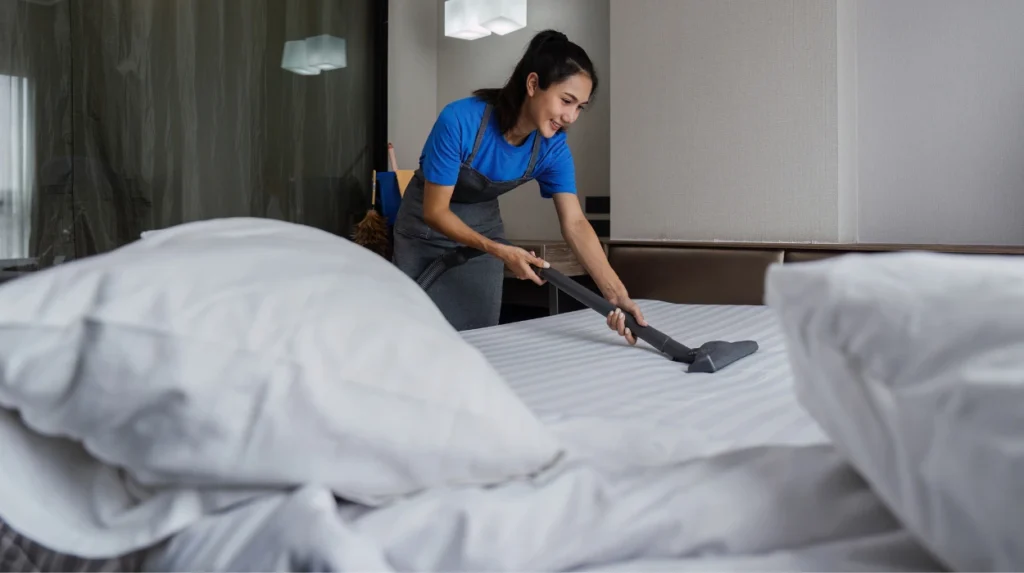
Choosing between these two methods requires an understanding of the specific mattress material and the extent of the mold contamination present. UV-C is incredibly safe for almost all fabric types because it does not involve moisture or high temperatures that could warp synthetic foams. It is the preferred choice for regular hygiene maintenance or for individuals with extreme chemical sensitivities who require a completely dry intervention. On the other hand, heat treatment is more aggressive and is necessary when there is visible staining or a persistent musty odor. It is a more intensive process that requires a higher level of expertise to avoid damaging heat-sensitive components like certain adhesives.
Industry experts often combine these technologies to provide a comprehensive barrier against future growth while addressing existing colonies. If you are worried that your bed is is your mattress making you sick, understanding these professional distinctions is vital for your health. While UV-C provides a rapid kill on the surface, heat ensures that the structural interior of the mattress is not a breeding ground. A balanced approach ensures that the fabric remains soft and durable while the biological environment remains hostile to fungi. Ultimately, the goal is to create a sterile environment that promotes better air quality within the bedroom.
The Professional Decontamination Workflow
When Bee Cleaning Services Manchester arrives to handle a mold issue, the process begins with a detailed inspection to determine the depth of the fungal spread. Specialists will typically vacuum the area with a HEPA-filtered machine to remove loose spores before applying either heat or UV-C light treatments. This prevents the mold from becoming airborne and spreading to other parts of the home during the deep cleaning process. Once the initial debris is cleared, the chosen decontamination technology is applied systematically across the entire surface and sides of the mattress. This level of precision is what separates a professional service from a simple DIY attempt which often fails.
Following the primary treatment, the mattress is often treated with a pH-balanced antimicrobial solution to provide a lingering layer of protection against new spores. This step is crucial because mold can return if the environmental conditions, such as high humidity or poor ventilation, are not corrected. Professionals will also provide advice on how to maintain the mattress to prevent a recurrence, such as using a breathable protector. Using a high-quality mold and mildew mattress treatment ensures that the spores are not just killed but the stains are also minimized. This holistic workflow guarantees that the client can return to their bed with full confidence in its cleanliness.
Why Technical Expertise Matters for Mattress Care
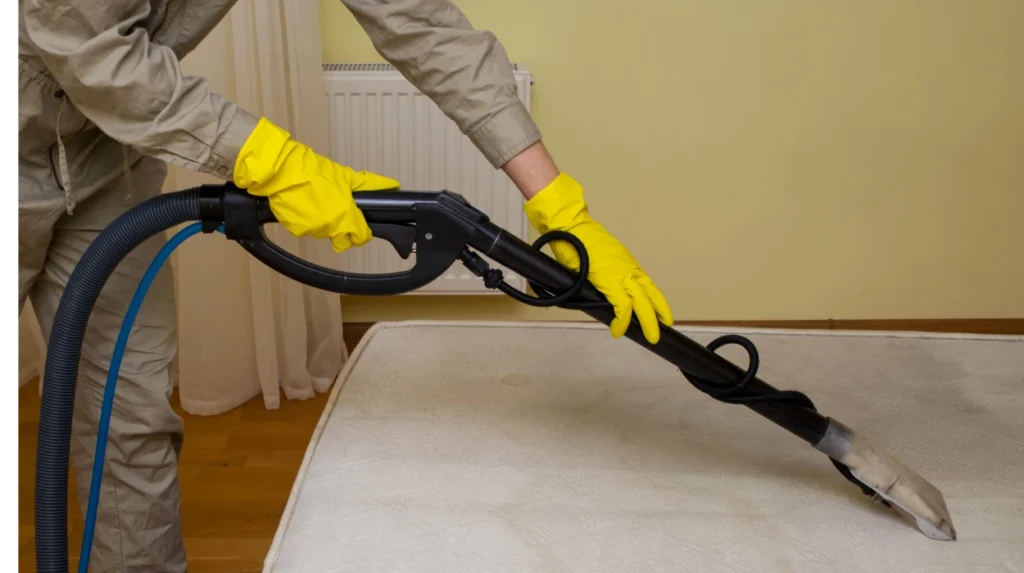
Handling mold is a delicate task because improper cleaning can actually trigger a massive release of spores, worsening the indoor air quality of the property. Professional technicians are trained to contain the area and use specialized equipment that keeps the spores trapped while they are being neutralized. The use of high-tech tools like UV-C wands and commercial steamers requires specific safety protocols to protect both the operator and the household. For instance, UV-C light can be harmful to the eyes and skin if not handled with the correct shielding and timing. Professional Mattress Cleaning Services in Farnworth have the necessary training to mitigate these risks while achieving maximum results.
Furthermore, the drying process is perhaps the most critical stage of professional mold remediation to ensure that the problem does not start over immediately. If a mattress is left even slightly damp after a heat treatment, it creates the perfect environment for any remaining spores to germinate. Bee Cleaning Services Manchester utilizes industrial air movers and dehumidifiers to ensure the mattress is bone-dry before it is put back into use. This attention to detail is why professional intervention is far more effective than trying to spot-clean a moldy mattress at home. Investing in expert care extends the life of the mattress and protects the long-term health of the occupants.
Maintaining a Mold-Free Sleeping Environment
The best way to complement professional cleaning is to implement a strict maintenance routine that focuses on moisture control and regular surface sanitization. This includes keeping the bedroom humidity below 50% and ensuring there is adequate airflow around all sides of the bed, including the bottom. Utilizing a professional mattress cleaning service at least once a year can catch potential issues before they become visible or hazardous. It is much easier to manage a clean mattress than it is to save one that has been deeply compromised by long-term fungal growth. Staying proactive with your bedding hygiene is an essential part of modern home maintenance and wellness.
Both UV-C light and heat treatment play vital roles in the professional fight against mattress mold, each offering unique benefits for home hygiene. While UV-C provides a fast and dry way to kill surface pathogens, heat treatment offers the deep-reaching power necessary for serious infestations. Bee Cleaning Services Manchester specializes in delivering these advanced solutions to ensure every household can enjoy a truly clean and safe sleeping surface. By combining technical knowledge with high-grade equipment, these services provide a level of decontamination that standard cleaning simply cannot match. Protecting your mattress today ensures a healthier, more comfortable environment for years to come.
What kills 100% of black mold?
Professionals typically achieve a 100% kill rate by using high-temperature dry steam exceeding 70°C or specialized antimicrobial encapsulants. These methods ensure the cellular structure of the mold is completely destroyed and cannot regenerate within the mattress fibers.
Does UV-C light kill mycotoxins?
While UV-C light is highly effective at neutralizing live mold spores by damaging their DNA, it does not consistently destroy the chemical structure of mycotoxins. To remove these toxic byproducts, professional deep extraction and specialized HEPA filtration are required alongside light treatment.
How do professionals remove black mold?
Experts use a multi-stage process involving HEPA vacuuming to capture loose spores, followed by heat or chemical treatment to kill the root system. The final step involves high-powered moisture extraction and industrial drying to ensure the environment is no longer hospitable to fungi.
What are the first signs of mold sickness?
The earliest indicators often include persistent nasal congestion, itchy eyes, and a dry cough that worsens when you are in the bedroom. Some individuals also report unexplained headaches or skin rashes specifically after a night of sleep on a contaminated mattress.
Which antihistamine is best for mold?
Second-generation antihistamines like Cetirizine or Loratadine are commonly used to manage the allergic symptoms triggered by mold spores. However, while these medications mask the reaction, the only permanent solution is the professional removal of the mold source from your living environment.