

To get your full security deposit back, you must return the property to the same level of cleanliness it was in at the start of your tenancy, as documented in the original inventory report. This typically involves a comprehensive deep clean of every room, including often overlooked areas like appliances, inside cupboards, window tracks, and limescale removal from bathroom fixtures.
End of Tenancy Cleaning Services in Farnworth provide deep cleaning that meets landlord inspection standards by focusing on the specific grime that accumulates over long periods. Professional cleaners understand that a surface-level tidy is rarely sufficient to satisfy a rigorous checkout inspection conducted by a letting agent or landlord. For many tenants in Greater Manchester, the standard required is often described as professional level, meaning no traces of previous occupancy should be visible. This includes degreasing kitchen extractors, scrubbing tile grout, and ensuring that all floor surfaces are free from stains or debris. Failing to meet these specific standards is one of the most common reasons for deposit deductions in the UK rental market today.
Kitchen standards for deposit recovery
The kitchen is frequently the most scrutinized area during a final inspection because it harbors the most stubborn grease and food residue. You must ensure that the oven is completely free of carbon deposits and grease, which often requires specialized cleaning agents and significant manual scrubbing of the racks and glass. Every cupboard and drawer needs to be emptied and wiped down both inside and out to remove crumbs or dust. Don’t forget the hidden areas, such as the top of the fridge, the rubber seals on the washing machine, and the interior of the dishwasher filter. A thorough comprehensive deep clean ensures that the most used room in the house passes the white glove test during the walkthrough.
Bathroom sanitation and limescale removal
Bathrooms require a different approach, focusing heavily on the removal of limescale, soap scum, and mold that builds up in damp environments. All taps, showerheads, and glass screens must be polished until they are sparkling and free from any water marks or mineral streaks. Grout lines between tiles should be scrubbed to restore their original color, as discolored grout is a major red flag for professional inventory clerks. Toilets must be descaled thoroughly, including the hard to reach areas around the rim and the base of the unit. Using professional moving out hygiene standards will help you identify the areas where landlords typically look for hygiene failures. Ensuring the bathroom is sanitized and dry is essential for a successful handover and a full return of your funds.
Living areas and bedroom details

Living areas and bedrooms might seem easier to clean, but they often contain subtle dirt that can lead to significant deposit claims if ignored. Skirting boards, light switches, and door handles are high touch areas that collect dust and oils from skin, requiring a detailed wipe down. Walls should be checked for scuffs or cobwebs, particularly in high corners and behind furniture that has been stationary for the duration of the lease. If the property was furnished, every piece of furniture must be cleaned according to its material, including vacuuming under sofa cushions. Dusting the tops of curtain rails and ensuring all light bulbs are functional are small details that demonstrate the property has been well maintained.
Flooring and window inspections
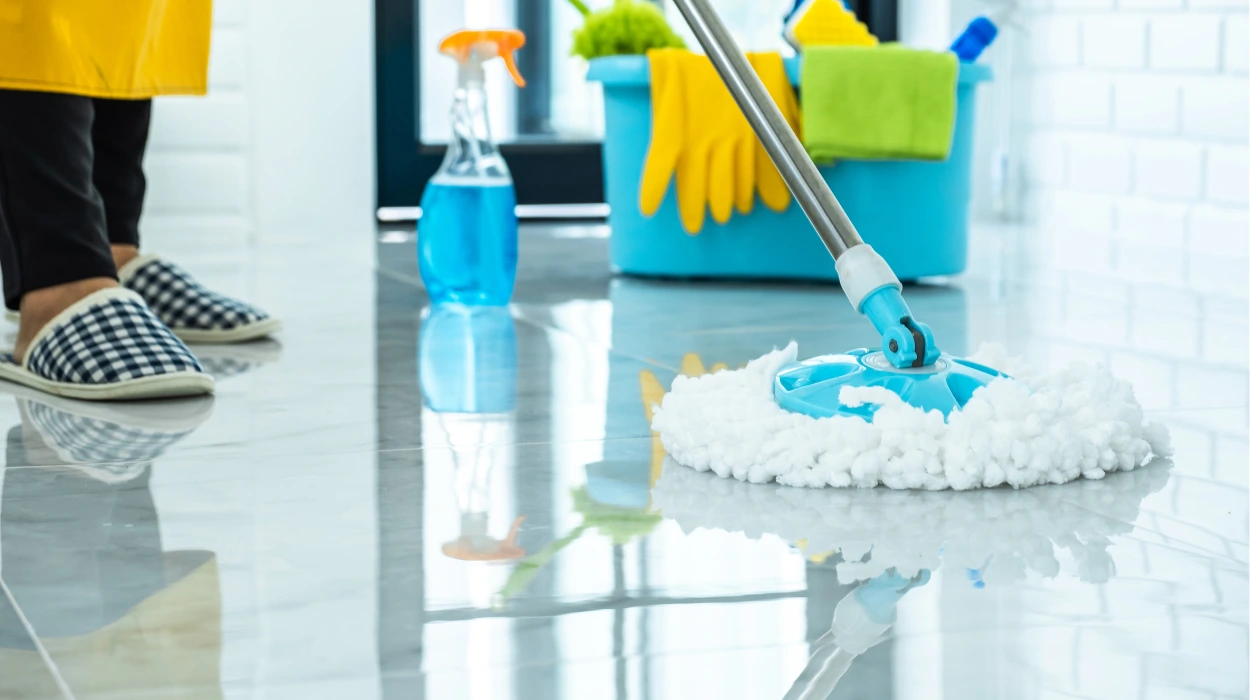
Windows and floor coverings are the final hurdles in achieving a standard that satisfies the terms of a standard UK tenancy agreement. All internal windows must be cleaned until they are streak free, including the frames and the sills where insects and dust often collect. Carpets should be vacuumed thoroughly, and if there are visible stains, a professional steam clean may be necessary to return them to their original state. Hard floors should be mopped and buffed to ensure no sticky residue remains from household cleaning products used during the move. Following detailed move out pricing can give you an idea of the investment needed to ensure these surfaces meet professional expectations.
External areas

Outside areas and hallways often get neglected in the rush of moving house, yet they are part of the overall impression the property makes. If you have a balcony or a small yard, it should be swept and cleared of any rubbish or dead plants that may have accumulated. Entrance hallways see the most foot traffic, so ensure that the front door is wiped down and the flooring is pristine to set a positive tone for the inspector. All trash must be removed from the premises, and the bins should be cleaned and placed in their designated areas. Taking a methodical approach to these transitional spaces ensures that the landlord views the entire property as cared for and ready for the next tenant.
Bee Cleaning Services Manchester understands the high stakes involved when tenants are trying to secure the return of their financial bond. By utilizing End of Tenancy Cleaning Services in Farnworth, residents can rest assured that the technical requirements of a checkout report are being addressed by experts. The focus on high traffic areas and deep sanitation allows for a smoother transition between homes without the stress of cleaning disputes. Professional equipment and experienced staff ensure that even the most difficult grime is removed efficiently. Ultimately, Bee Cleaning Services Manchester offers a reliable way to bridge the gap between a lived-in home and a showroom-ready property.
How clean should you leave a rental property?
You should aim for “broom clean” or the standard documented in your move-in inspection. Generally, this means removing all trash, wiping down surfaces, vacuuming floors, and ensuring appliances are free of grease and food debris.
What happens if I don’t clean before I move out?
If the property is left dirty, the landlord will likely hire a professional cleaning service and deduct the cost from your security deposit. In extreme cases of filth or abandoned items, you may be billed for additional hauling and deep-cleaning fees.
Are you supposed to clean your house when you move out?
Yes, most lease agreements explicitly require the tenant to return the unit in a clean condition, barring normal wear and tear. Leaving a clean home is a contractual obligation and the best way to ensure you receive your full deposit back.
What is the 50% rule in decluttering?
The 50% rule suggests that you should aim to remove half of your belongings in any given area to create a sense of space and order. By clearing out 50% of the items in closets or shelves, you make the home feel significantly larger and more appealing to the next occupant.
What devalues a house the most?
Poor maintenance and structural neglect—such as a leaking roof, mold, or outdated electrical systems—devalue a home the fastest. Beyond structural issues, unpleasant odors (like smoke or pet smells) and extreme “clutter blindness” can significantly drop the perceived market value.