


Residential Cleaning Services in Farnworth help tenants meet landlord standards and secure full deposit returns.
A detailed move-out checklist ensures every area is cleaned to the required condition, reducing disputes and deductions.
Why Getting Your Full Deposit Back Depends on Cleaning Standards
When moving out of a rental property, the biggest factor that affects your deposit return is cleanliness. Landlords and letting agents compare the move-out condition with the original inventory report, and even minor differences can lead to deductions. Cleaning is responsible for a large portion of deposit disputes, often due to overlooked areas like appliances or hidden dirt.
The expectation is not perfection but returning the property in the same clean condition as when you moved in.
This includes removing grease, stains, dust, and odours throughout the property.
For tenants in Greater Manchester, this standard is consistent across most rental agreements.
Bee Cleaning Services Manchester often highlights that attention to detail is what separates a full refund from partial deductions.
Understanding What Landlords Actually Inspect
Landlords and inventory clerks follow a structured inspection process during checkout. They assess each room carefully, focusing on hygiene and visible cleanliness rather than wear and tear. Key areas include kitchens, bathrooms, floors, and internal storage spaces. Appliances like ovens and fridges are inspected inside and out, as they are common deduction triggers. Bathrooms are checked for limescale, mould, and soap residue, which must be fully removed.
Floors must be vacuumed or mopped, and carpets should be free from stains and odours. This detailed inspection process is why Residential Cleaning Services in Farnworth are often used to meet professional standards. You can explore a more detailed breakdown of cleaning expectations through this guide on move-out cleaning requirements and standards
The Ultimate Move-Out Cleaning Checklist Explained
A structured checklist ensures no area is missed during your move-out preparation. Cleaning should always follow a top-to-bottom approach to avoid rework and ensure efficiency.
Start with ceilings, light fixtures, and walls before moving down to surfaces and floors.
All rooms must be dusted, including skirting boards, switches, and door handles.
Windows should be cleaned internally, leaving no streaks or smudges.
Kitchen surfaces must be degreased, and cupboards cleaned inside and out.
Bathrooms require disinfection and complete removal of limescale buildup.
Following a systematic checklist significantly increases the likelihood of passing inspections without deductions.
Kitchen Cleaning: The Most Critical Area
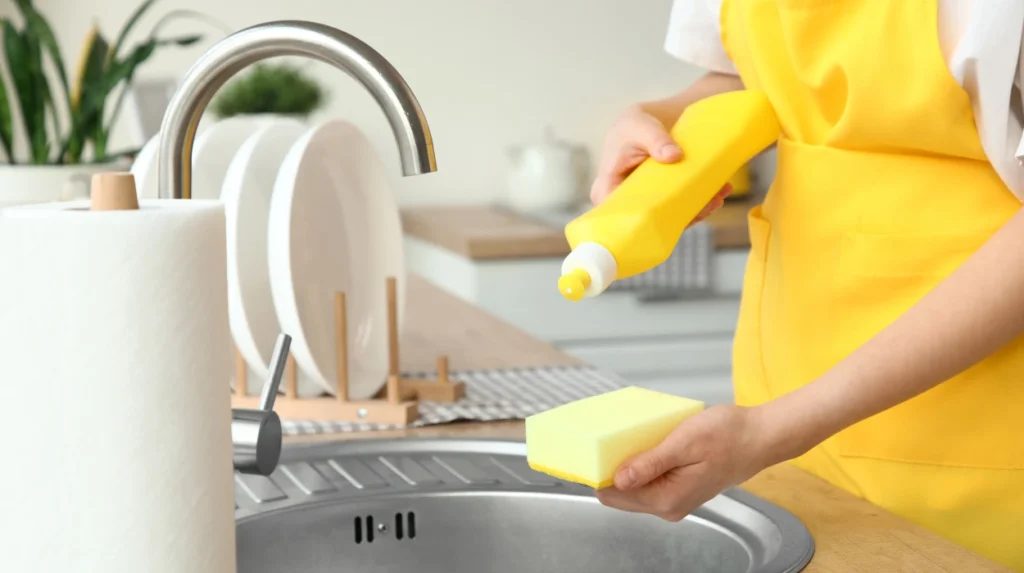
The kitchen is often the most heavily inspected part of any property. Grease, food residue, and appliance interiors are common reasons for deposit deductions.
Ovens must be cleaned thoroughly, including racks, trays, and glass doors.
Hobs and extractor fans should be degreased and polished to remove buildup.
Fridges and freezers need to be emptied, defrosted, and sanitised to prevent odours.
Cupboards and drawers should be wiped inside, as agents frequently check these hidden spaces.
Even small details like handles and hinges should be free from grime.
For tenants in Farnworth, professional Residential Cleaning Services in Farnworth ensure this high-standard kitchen cleaning is achieved.
Bathroom Cleaning: Hygiene and Detail Matter
Bathrooms are judged on hygiene and presentation, making them another high-risk area for deductions.
Limescale removal from taps, showerheads, and tiles is essential for passing inspection.
Mould around seals and grout lines must be treated and removed completely.
Toilets, sinks, and bathtubs should be disinfected and polished.
Mirrors and glass surfaces must be streak-free for a clean finish.
Even minor soap scum can negatively impact the final inspection report.
A professional-level clean is often required to meet these expectations, which is why many tenants rely on expert services before moving out.
Living Areas and Bedrooms: Consistency Across Spaces
Living rooms and bedrooms must be cleaned consistently to match the rest of the property.
Dust should be removed from all surfaces, including furniture, shelves, and fixtures.
Carpets need to be vacuumed thoroughly, paying attention to edges and corners.
Any stains should be treated or professionally cleaned to avoid deductions.
Wardrobes and storage units must be emptied and wiped internally.
Windows, blinds, and curtains should be cleaned to remove dust and marks.
Bee Cleaning Services Manchester recommends treating every room equally to maintain uniform cleanliness across the property.
Hidden Areas Tenants Often Forget
Many deposit deductions occur because of overlooked areas rather than visible dirt. Commonly missed spots include behind appliances, inside cupboards, and under furniture. Skirting boards, door frames, and light switches often collect dust and require cleaning. Window ledges and blinds are frequently inspected and must be dust-free.
Bins should be emptied and sanitised to remove any lingering odours. Even small details like plug sockets and handles can affect inspection outcomes. Understanding these hidden areas is essential, and you can learn more through this residential cleaning pricing guide in Greater Manchester.
DIY Cleaning vs Professional Cleaning Services
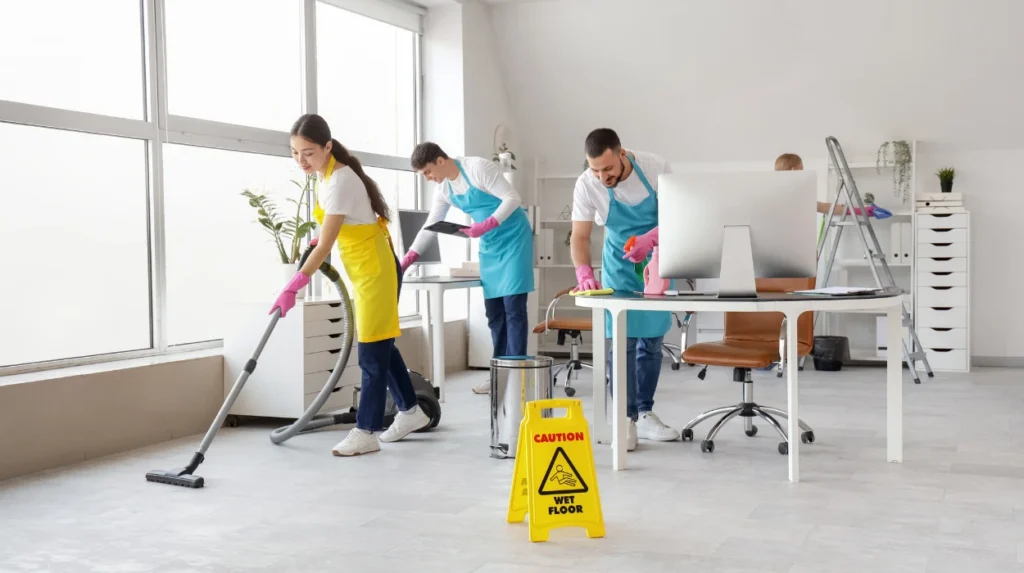
Tenants often face the decision of whether to clean themselves or hire professionals. DIY cleaning can be cost-effective but requires time, effort, and attention to detail. Professional cleaning services provide a higher standard, often aligning with landlord expectations. They also reduce the risk of missed areas and potential disputes. While not legally required in all cases, professional cleaning may still be expected if the property was initially cleaned to that standard.
Residential Cleaning Services in Farnworth offer structured cleaning processes that ensure compliance with tenancy agreements. For those seeking guaranteed results, consider this professional deposit-back cleaning solution.
Timing Your Cleaning for Maximum Impact
Timing plays a crucial role in achieving the best results during move-out cleaning. Cleaning should be done after all belongings are removed to allow access to every area. This ensures no dust or dirt is left behind from moving activities. Final touch-ups should be completed just before handing over the keys.
Allow enough time for drying, especially for carpets and appliances. Planning your cleaning schedule prevents last-minute stress and missed tasks. A well-timed approach ensures your property is inspection-ready and increases the chances of a full deposit return.
The Role of Inventory Reports in Deposit Returns
Inventory reports are the foundation of deposit decisions and should not be overlooked. They document the condition of the property at the start and end of the tenancy. Tenants should review the original report and match their cleaning efforts accordingly. Photographic evidence can support your case in case of disputes.
Any differences in cleanliness can lead to deductions if not addressed.
Understanding this process helps tenants prepare more effectively for inspections. Professional cleaning services often work based on these reports to meet required standards. Getting your full deposit back is largely about meeting clear cleanliness expectations rather than achieving perfection. By following a structured move-out checklist and focusing on high-risk areas like kitchens and bathrooms, tenants can significantly reduce the chances of deductions
.
Attention to detail, proper timing, and understanding landlord expectations all play a critical role in the process.
Bee Cleaning Services Manchester supports tenants with reliable and professional solutions tailored to these requirements. For those moving out in Greater Manchester, using Residential Cleaning Services in Farnworth can provide the consistency and standard needed for a smooth and stress-free deposit return.
Can cleaning fees be taken out of the deposit?
Yes, cleaning costs can be deducted if the property is left dirtier than when you moved in, but charges must be reasonable and supported by evidence.
What is the 80/20 rule in housekeeping?
The 80/20 rule means focusing on the 20% of cleaning tasks that create 80% of visible results, like kitchens, bathrooms, and floors. It helps prioritise high-impact areas during cleaning.
How clean should your house be before a cleaner comes?
Your home should be tidy and decluttered so cleaners can focus on deep cleaning rather than organising. This improves efficiency and ensures better results in less time.
What are the two rules in cleaning?
The two basic rules are cleaning from top to bottom and from clean areas to dirty areas. This prevents recontamination and ensures a systematic, effective process.
How many hours a week should I clean my house?
Most households need around 3 to 6 hours per week for regular maintenance cleaning. The exact time depends on property size, lifestyle, and cleanliness standards.