


Construction Cleaning Services in Farnworth bridge the critical gap between a completed build and a fully habitable property ready for occupation, inspection, or sale. Professional cleaning crews are trained to remove post-build dust, adhesive residue, plaster splatter, and construction waste in a structured sequence that reduces handover time significantly compared to using general site labour.
What Post-Construction Cleaning Actually Involves
Post-construction cleaning is a specialist discipline that goes well beyond ordinary domestic or commercial maintenance cleaning. When a building project reaches its final stage, the site contains layers of fine construction dust that has settled on every surface, including inside cupboards, behind radiators, along window frames, and inside air vents.
Chemical residue from adhesives, sealants, grouting, and paint overspray clings to tiles, glass, flooring, and fixtures in ways that require specific cleaning agents and methods to remove safely. Debris from offcuts, packaging materials, insulation fragments, and concrete splatter must also be cleared before any finishing items can be installed or inspected. A well-executed post-construction clean involves multiple phases that move progressively from heavy-duty debris clearance through to delicate surface preparation. Each phase requires different tools, chemicals, and levels of care depending on the surface material and the type of soiling present.
Why Timely Cleaning Directly Affects Handover Schedules
Delays at the final stage of a construction project are among the most commercially costly setbacks a developer or contractor can face. When a site is not cleaned promptly and to the required standard, snag lists grow longer, follow-up trades cannot complete their work, and occupancy certificates or final sign-off inspections get pushed back. In many cases, clients and property agents will not accept a handover until a detailed construction clean has been completed to a professional standard, because the presence of dust and debris makes it impossible to assess the true condition of surfaces, finishes, and fittings.
Professional cleaning teams who work to a structured methodology can move through a site quickly and systematically, ensuring each zone meets a defined standard before proceeding. This organised approach eliminates the back-and-forth delays that occur when site operatives attempt cleaning on an ad hoc basis between other tasks. The result is a compressed and predictable final-stage programme that supports the overall project timeline rather than extending it unnecessarily.
The Structured Cleaning Process That Saves Time
Initial Debris Clearance and Waste Removal
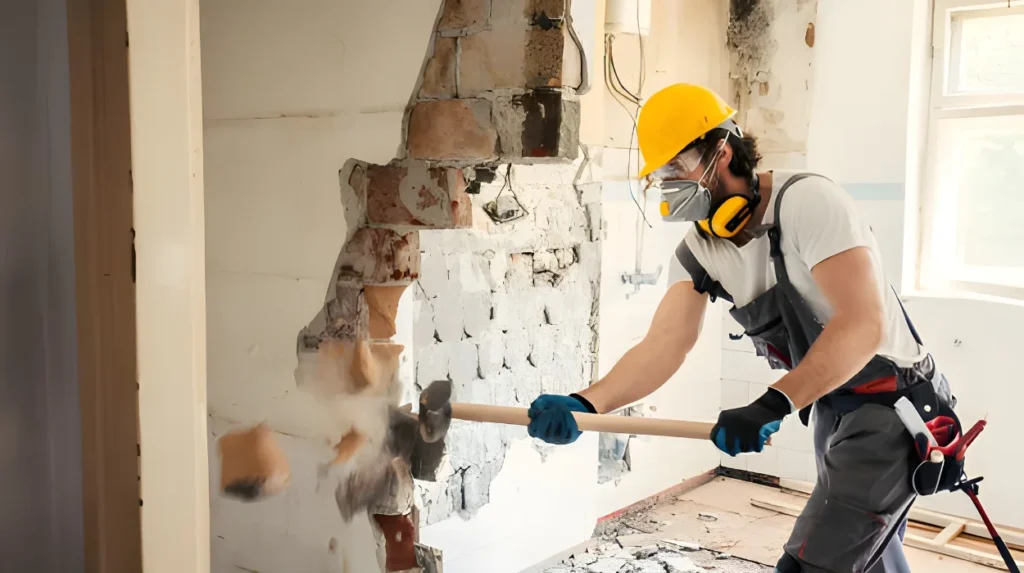
The first phase of any professional construction clean involves removing large debris, waste packaging, tile offcuts, plasterboard fragments, and any remaining construction materials from all areas of the site. This phase clears the way for the subsequent cleaning stages and ensures that fine dust and chemical residue can be accessed and treated without obstruction. Skipping or rushing this stage leads to debris being pushed around rather than removed, which contaminates freshly cleaned surfaces and creates repeated work that wastes time.
Experienced construction cleaning crews sort materials during this phase, separating recyclable waste, general trade waste, and any materials that require specialist disposal under waste management regulations. A thorough initial clearance also reduces the risk of surface damage caused by sharp debris dragged across finished flooring or worktops during subsequent cleaning stages. Completing this phase methodically is what allows the entire clean to proceed without interruption from cluttered or hazardous working conditions.
Fine Dust Removal and Surface Decontamination
Construction dust is among the most challenging cleaning tasks on any post-build project because fine particles migrate through gaps, settle in layers on horizontal surfaces, and become airborne again with the slightest disturbance if not managed correctly. Professional teams use industrial-grade HEPA vacuum equipment to capture dust from walls, ceilings, floor surfaces, and cavities before any wet cleaning begins, preventing dust from turning into paste when liquid cleaning agents are applied.
Window frames, skirting boards, door architraves, and light fittings are each cleaned individually with appropriate methods rather than wiped indiscriminately, which would simply redistribute the contamination. Wet cleaning methods are then applied in the correct sequence, working from high surfaces down to floor level so that drips and falling dust are captured in subsequent passes rather than deposited onto already-cleaned areas. This disciplined top-down approach is one of the primary reasons professional teams complete a construction clean faster than untrained operatives who work without a defined sequence. Every surface type is addressed with the appropriate product and method to avoid damage while achieving the required level of cleanliness.
Fixture, Glazing, and Floor Preparation
The final detail phase of a construction clean focuses on the surfaces that clients, letting agents, and building inspectors notice first when they enter a completed property. Window glass must be cleared of paint spots, adhesive labels, and mineral deposits left by wet trade work without scratching the glazing or leaving streaks that reflect poorly under inspection lighting. Sanitary ware, kitchen units, and fitted appliances need to be cleaned internally and externally to remove plaster dust, tile grout haze, and silicone smears that accumulate during the installation process.
Hard floor surfaces require specialist attention depending on material type, as porcelain, natural stone, laminate, and luxury vinyl each respond differently to cleaning agents and mechanical scrubbing. Protective coverings applied during the build must be removed carefully, and any residue from protective tape or sheeting must be lifted without causing surface damage to finished flooring. This phase is where the quality difference between a specialist construction cleaning contractor and a general cleaning team becomes most apparent to the client and the end occupant.
How a Professional Team Reduces the Snag List
One of the most practical benefits of bringing in a specialist cleaning crew is the direct impact a thorough post-construction clean has on the length of the snagging list submitted by a client or independent surveyor. When surfaces are clean and free of residue, minor defects such as scratched paintwork, hairline cracks in plaster, or incorrectly fitted hardware become clearly visible and can be addressed by the relevant tradesperson before formal handover. In a dusty or debris-covered environment, these defects remain hidden until the client takes occupation, at which point they generate complaints, call-back costs, and reputational damage for the contractor.
Professional cleaning, therefore, functions as an indirect quality control checkpoint, revealing the true condition of finished surfaces in a way that benefits both the developer and the incoming occupant. For anyone arranging post-construction site cleaning in Farnworth, working with a crew that understands this relationship between cleanliness and snag reduction is a meaningful advantage at the close of any project. This connection between clean surfaces and visible quality is why experienced site managers and developers treat the post-construction clean as an integral part of project delivery rather than an afterthought.
Planning and Quoting for Construction Cleaning

Effective planning is what separates a fast, smooth post-construction clean from one that overruns on time and budget for all parties involved. Before any crew begins work, a detailed site assessment should be carried out to identify the size and condition of each area, the types of surfaces present, the volume of debris, and any specialist requirements such as external facade cleaning or car park sweeping. Understanding what a construction cleanup quote should include helps project managers and site managers evaluate proposals accurately and ensure that all required cleaning phases are costed and scheduled rather than discovered as additional charges mid-project.
The quote should also specify the equipment, products, and team size being deployed, as these factors directly determine how quickly the site can be brought to handover standard. Project timelines for each cleaning phase should be agreed upon before work begins so that trades and building managers can coordinate around the cleaning schedule without conflict. A detailed and transparent quote is also a reliable indicator of whether a cleaning contractor has the experience and methodology to handle a construction project of a given size and complexity.
Why Builders and Developers Choose Professional Cleaning Contractors
The decision to appoint a specialist cleaning contractor rather than relying on site labour is one that most experienced builders and developers make early in their project planning process. Professional crews arrive with the right equipment, trained staff, appropriate insurance, and an established methodology that matches the expectations of property agents, building control officers, and end clients. The discipline and accountability that comes with a contracted cleaning specification protects the main contractor in disputes about handover condition and provides a clear record of the cleaning standards achieved. Exploring why builders prefer professional cleaning crews over general site operatives clarifies the practical and commercial logic behind this approach and helps project managers make better-informed procurement decisions. Bee Cleaning Services Manchester brings exactly this level of professional process and site-specific knowledge to every construction cleaning project it undertakes across the Greater Manchester area. For contractors working in Farnworth and surrounding areas, having a reliable and experienced cleaning partner is a genuine competitive advantage at the final stage of any build.
The speed and quality of a post-construction clean ultimately determine how quickly a finished build transitions from a worksite into a space that people can inhabit, sell, or lease with confidence. Getting this final stage right requires not just cleaning products and manual effort but a systematic, phased methodology that addresses every surface type and contamination category in the correct order and with the correct tools. Bee Cleaning Services Manchester delivers Construction Cleaning Services in Farnworth with the structured approach, experienced teams, and professional standards that builders and developers need to meet handover deadlines and satisfy client expectations at the close of every project.
How to make contractors work faster?
Clear communication, defined timelines, and proper coordination between trades help contractors work efficiently. Professional construction cleaners speed things up by handling debris and final detailing, allowing contractors to focus on core tasks without delays.
What are the 7 steps in the cleaning process in order?
The typical process includes: pre-clean (debris removal), dusting, surface wiping, vacuuming, washing floors, sanitizing, and final inspection. Construction cleaners follow these steps systematically to ensure a safe, move-in ready site.
What are the 7S of the cleaning checklist?
The 7S system includes Sort, Set in order, Shine, Standardize, Sustain, Safety, and Spirit. Professional cleaners apply these principles to maintain organization, efficiency, and high cleaning standards on construction sites.
What is the general rule of cleaning?
The basic rule is to clean from top to bottom and from cleaner to dirtier areas. This ensures dust and debris don’t re-contaminate already cleaned surfaces, making the process faster and more effective.
What is the 80/20 rule in housekeeping?
The 80/20 rule means 80% of results come from 20% of efforts—focusing on high-impact areas like floors, kitchens, and bathrooms. Professional cleaners prioritize these zones to quickly make a property look ready for occupancy.