

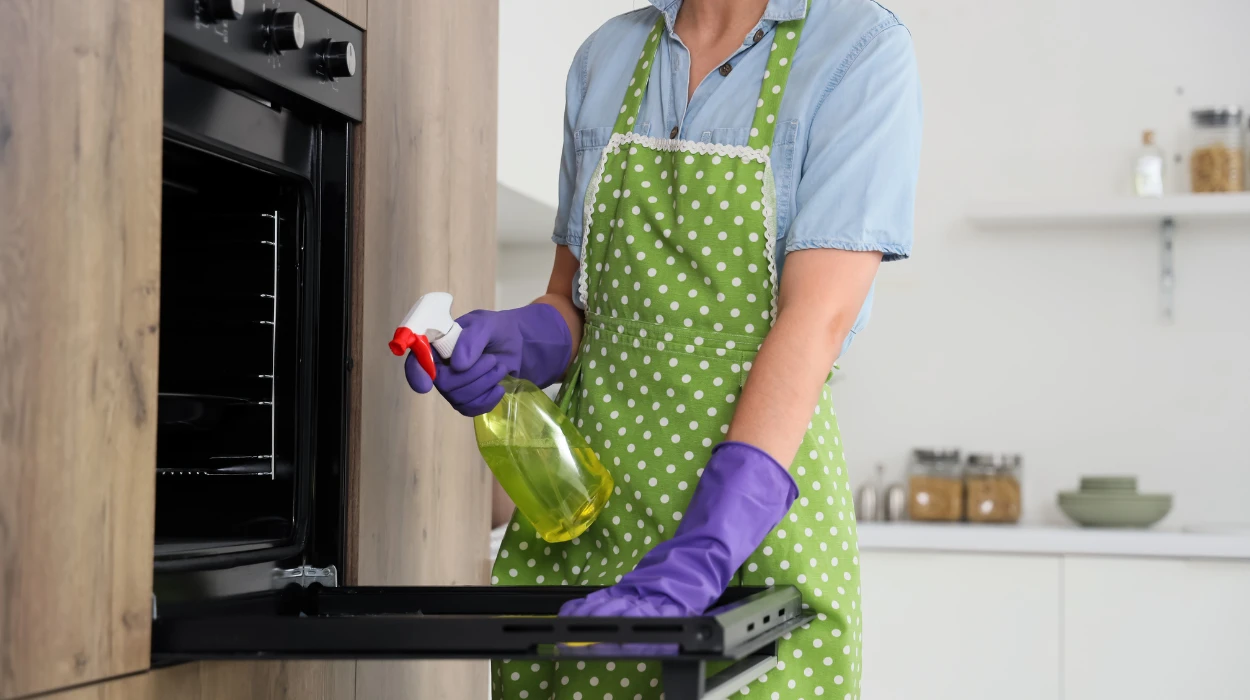
A professional oven clean typically takes between one and a half to three hours to complete. The exact duration depends on the oven type, its current condition, and the cleaning methods used by the technician.
If you are searching for Oven Cleaning Services in Farnworth, understanding how long the process takes helps you plan your day without disruption. Many homeowners underestimate how involved a thorough oven clean actually is, assuming it mirrors a quick wipe-down. In reality, a professional clean is a systematic, multi-stage process that restores your oven to a near-original condition. Technicians dismantle removable components, treat grease-encrusted surfaces with specialist solutions, and work through each section methodically. Knowing the expected timeframe also helps you evaluate whether a cleaning company is being thorough or simply rushing the job. A genuinely professional service will never cut corners to finish faster, because the quality of the result always reflects the time invested.
The Standard Time Range for Different Oven Types
Single Standard Ovens
A single standard oven in average condition generally takes between one and a half and two hours to clean professionally. This accounts for the removal and soaking of shelves, side racks, and door glass panels, along with detailed attention to the interior cavity walls, roof, and base. If the oven has not been cleaned in over a year, the technician may require additional time to break down carbonised grease deposits that have hardened over multiple uses. The cleaning solutions used are left to dwell for a set period before wiping, which adds controlled time to the process. Rushing this dwell period would compromise the final result, so a reputable company will always allow the chemistry to work properly.
Range Cookers and Double Ovens
Range cookers and double ovens require considerably more time, often falling between two and a half and four hours depending on their size and the number of compartments involved. Each cavity must be treated separately, and the additional grill sections, burner caps, and extended door panels all add time to the overall visit. A range cooker that is used daily and has never received a professional clean may take closer to four hours, particularly if carbon residue has built up heavily on the internal liners. Bee Cleaning Services Manchester approaches these larger appliances with the same attention to detail as standard models, ensuring that every surface within the unit receives proper treatment rather than a surface-level wipe.
Self-Cleaning and Pyrolytic Ovens
Self-cleaning ovens are sometimes assumed to require less professional attention, but this is a common misconception. While pyrolytic cycles burn off residue at high temperatures, the ash deposits that remain still need to be removed, and the door seals, external glass, and cavity edges are not fully covered by the self-clean function. A professional visiting a pyrolytic oven will typically spend between one and two hours ensuring all residual deposits and overlooked areas are addressed. If you want to understand the proper way to maintain these appliances between professional visits, reading about safe cleaning methods for self-cleaning ovens can help you avoid accidental damage to the oven lining and seals.
What Happens During Each Stage of a Professional Oven Clean
Arrival and Initial Assessment
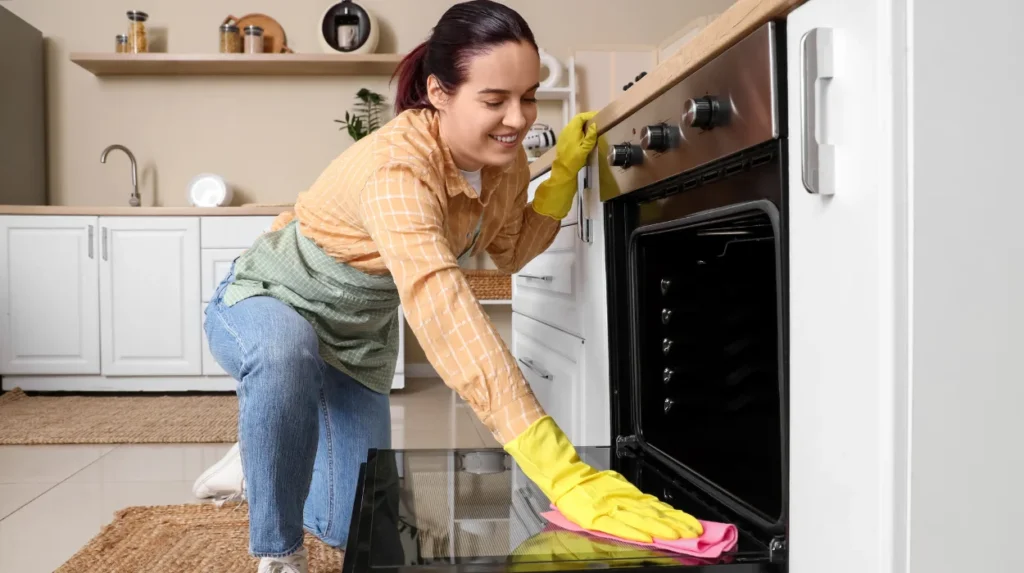
When a technician arrives, the first ten to fifteen minutes are spent assessing the oven’s condition and setting up the workspace. This includes laying down protective coverings on nearby surfaces and floors, removing all shelf runners and loose components, and examining the interior to identify any areas of particularly heavy soiling. This initial stage determines whether the job will fall on the shorter or longer end of the time estimate. If the technician identifies damage to elements or seals at this point, they will inform the homeowner before proceeding rather than risk worsening an existing issue.
Soak and Dwell Phase
The soak and dwell phase is one of the most critical and time-sensitive parts of the clean. Removable components are submerged in a heated dip tank containing professional-grade caustic or non-caustic solution, depending on the oven type and any material sensitivities involved. This soaking period typically runs for thirty to sixty minutes. Simultaneously, the interior cavity is treated with a cleaning agent that is applied carefully around seals, elements, and fan covers. Allowing sufficient dwell time is what separates a professional result from a superficial clean, and it directly accounts for a meaningful portion of the total visit duration.
Detail Cleaning and Reassembly
Once the dwell period is complete, the technician moves into active scrubbing and wiping of all internal surfaces, including the roof, walls, base, and fan area where grease accumulates over time. Cleaned components are dried and inspected before being reassembled inside the oven in the correct configuration. The door is a particular focus at this stage, as multi-pane glass requires careful separation and cleaning between layers to remove the brown streaking that interior panels accumulate. The final fifteen minutes of a visit typically involve a full wipe-down of the exterior, control panel, and handle, along with a test run to confirm the oven heats correctly and no residue remains on the elements.
Factors That Can Extend the Cleaning Time
Several variables can push a professional clean beyond the standard estimated range. An oven that has not been cleaned professionally for two or more years will almost certainly require additional time due to the volume and hardness of accumulated deposits. Ovens with damaged or warped shelves may require more careful handling to avoid worsening the deformation. Properties where the kitchen ventilation is limited can also slow progress, as certain cleaning products require adequate airflow for safe application and drying.
If an oven contains non-removable catalytic liners, the technician must adapt their technique to avoid saturating surfaces that would be damaged by certain chemicals, which adds time to the approach. These are all normal considerations that a properly trained professional will account for without rushing the job or compromising safety.
How Thoroughness Relates to Cleaning Time
A cleaning visit that ends in under an hour for a heavily soiled full-size oven should be questioned. The time required to properly complete the process is not arbitrary; it reflects the chemistry, physical effort, and attention to detail that produce a result your oven actually benefits from. Homeowners comparing quotes for professional oven cleaning in Farnworth should consider not only the price but also the time the company expects to spend on the job. A service that quotes a very short duration for a large or heavily soiled appliance is unlikely to be performing every stage of the process that a full clean requires. Value in this context is measured by thoroughness, not speed.
End of Tenancy Cleans and Time Considerations
End of tenancy situations introduce their own time requirements when it comes to oven cleaning. Rental ovens are frequently in poor condition after extended use, and the cleaning standard required by landlords and letting agents is typically higher than what a standard domestic visit addresses. In these cases, the technician may need to spend additional time restoring an oven that has accumulated grease from multiple tenants over several years. If you are approaching the end of a rental agreement in the Bolton area and need to understand what a full tenancy clean involves, reviewing the details of end of tenancy oven cleaning across Farnworth will give you a clear picture of the standards involved and what to expect from a professional visit.
The time a professional oven clean takes is never arbitrary. It reflects the condition of the appliance, the scope of the work, and the commitment of the technician to completing every stage properly. Whether you have a single standard oven or a large range cooker used daily, the process demands patience, the right products, and trained hands to achieve a result that genuinely makes a difference. Bee Cleaning Services Manchester provides professional oven cleaning solutions across the region, applying consistent standards and proven methods to every job regardless of the size or condition of the appliance.
Is it worth getting an oven professionally cleaned?
Yes, a professional oven clean removes hardened grease and carbon deposits that affect cooking performance and can produce harmful smoke. It extends the lifespan of your appliance and restores it to a hygienic, safe condition far more effectively than home cleaning methods.
Is it okay to leave the house while the oven is cleaning?
Yes, you can leave the house while a professional technician is cleaning your oven, provided you are comfortable doing so and have made access arrangements in advance. Most professional visits are completed within one and a half to three hours, so minimal disruption is involved.
What are the side effects of oven cleaner?
Professional-grade oven cleaning products can cause skin and eye irritation if handled without proper protective equipment, which is why trained technicians manage application carefully. Adequate ventilation is also essential during and after the process to avoid inhaling fumes from chemical agents.
How to completely clean a dirty oven without scrubbing?
Applying a baking soda and water paste across interior surfaces and leaving it overnight can loosen light grease without manual scrubbing. However, for heavy carbon buildup, professional dip-tank soaking and dwell-based chemical treatments are far more effective and require no physical scrubbing at all.
What is the lifespan of an oven?
A well-maintained domestic oven typically lasts between 10 and 15 years before performance noticeably declines. Regular professional cleaning removes grease deposits that strain heating elements and fans, directly contributing to a longer and more efficient appliance lifespan.