
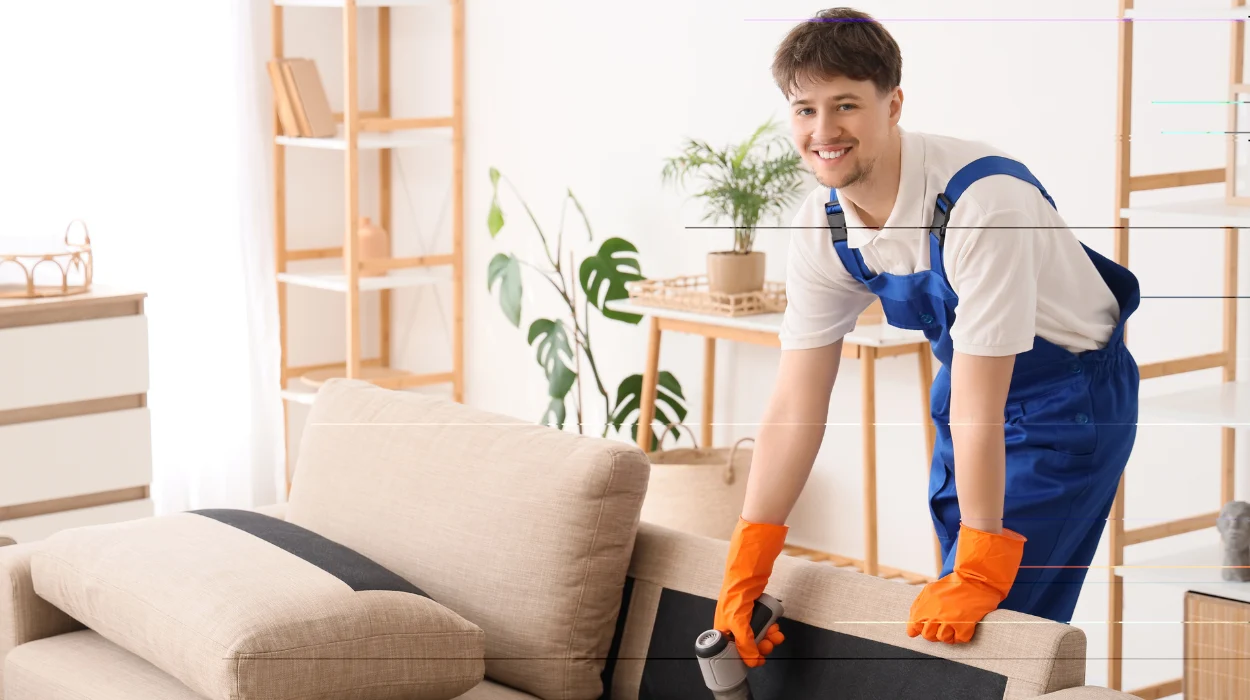
Chemical-free upholstery cleaning uses plant-based or water-activated solutions to lift dirt and stains without introducing harsh synthetic compounds into your home fabrics. Traditional cleaning, by contrast, relies on solvent-based or chemical detergent formulas that are highly effective on deep stains but carry specific risks for certain fabric types and household environments.
Debate Around Upholstery Cleaning Methods
When homeowners search for Upholstery Cleaning Services in Farnworth, one of the most common questions that arises is whether they should opt for chemical-free treatments or stick with conventional cleaning products. This is not a simple question with a universal answer because the right method depends on the fabric type, the nature of the staining, the presence of children or pets in the household, and the overall condition of the upholstery. Both approaches have real, practical merits, and dismissing either one without context would give an incomplete picture.
Understanding how each method works, what it achieves, and where it falls short allows homeowners and renters to make more informed decisions before committing to a cleaning service. This article breaks down both sides with factual, process-focused insight rather than promotional framing, so you can weigh up the options relevant to your specific circumstances.
What Is Chemical-Free Upholstery Cleaning?
Chemical-free upholstery cleaning is a method that avoids synthetic detergents, bleaching agents, optical brighteners, and petroleum-derived solvents in the cleaning process. Instead, it uses formulations built around natural enzymes, carbonated water, steam, or oxygen-based compounds that break down organic stains such as food, sweat, pet accidents, and skin oils. The term “chemical-free” is technically a broad label since water itself is a chemical compound, but in industry usage it refers to products that are free from VOCs (volatile organic compounds), artificial fragrances, and harsh alkaline agents.
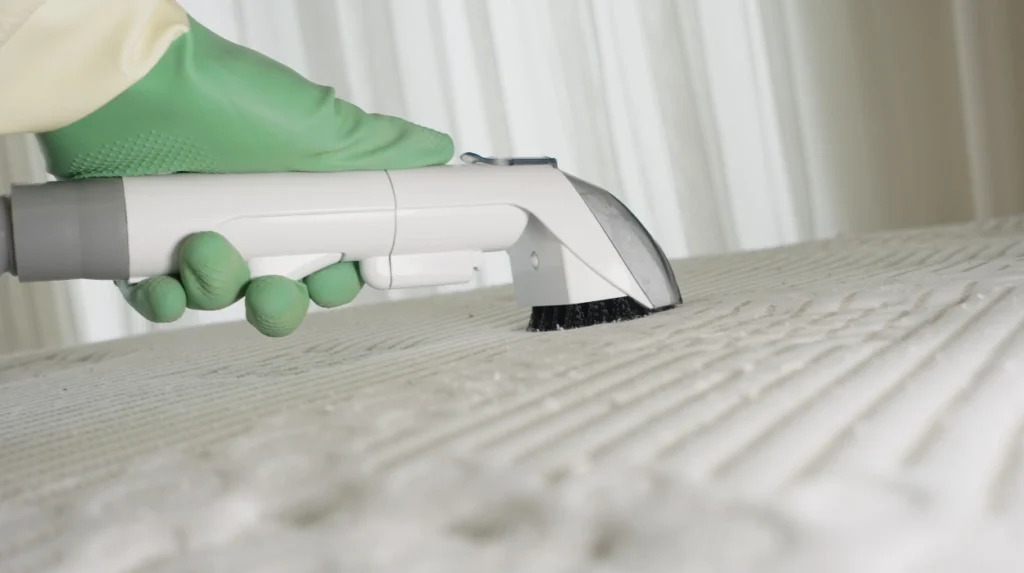
This method has grown in popularity as awareness around indoor air quality and chemical sensitivity has increased among homeowners. Many professional cleaning providers now offer this as a dedicated service category, particularly for households with young children, elderly residents, or individuals with respiratory conditions. The cleaning process typically involves pre-treatment with an enzyme-based solution, agitation with soft-bristle tools, and extraction using low-moisture or steam-based equipment. Drying times with this approach tend to be shorter because less moisture is introduced into the fabric structure during the process.
What Is Traditional Upholstery Cleaning?
Traditional upholstery cleaning uses commercial-grade chemical formulas that are designed to cut through deep-set staining, grease buildup, and heavily soiled fabric surfaces with high efficiency. These products typically include surfactants, alkaline boosters, and sometimes antimicrobial agents that not only clean but also sanitise the fabric surface during the process. Hot water extraction, which is often called steam cleaning in common usage, is one of the most widely used traditional methods, where a heated chemical solution is injected into the fabric and simultaneously extracted along with the loosened soil. This approach is particularly effective for synthetic upholstery fabrics, heavily trafficked seating areas in commercial spaces, and fabrics that have accumulated years of embedded grime that enzyme-based products may struggle to break down fully.
The results from traditional cleaning are often visually dramatic, especially on pale or cream-coloured upholstery where staining is severe. However, the process can leave behind chemical residue if not thoroughly rinsed, and this residue can sometimes attract re-soiling more quickly than a properly executed chemical-free clean. Drying times are also typically longer with traditional hot water extraction, and poorly ventilated rooms can trap the chemical odour in the fabric for several hours post-treatment.
Comparing the Pros of Each Method
Why Chemical-Free Cleaning Appeals to Modern Households
Chemical-free upholstery cleaning offers a strong set of benefits that align well with health-conscious households and those with sensitive fabric types such as silk, velvet, or antique textiles. Because the cleaning agents are free from harsh alkaline compounds, there is a significantly reduced risk of colour bleeding, shrinkage, or fibre damage on delicate materials. The absence of synthetic fragrances also means the cleaned upholstery does not carry a strong artificial scent that some people find overpowering or irritating to the sinuses. From a sustainability standpoint, chemical-free products are generally biodegradable and do not contribute to wastewater contamination in the way that solvent-based products can.
For those who want to understand DIY options before calling a professional, it is worth reading about effective DIY upholstery cleaning methods to gauge what results home-based approaches can realistically achieve before committing to a full professional treatment. Professional chemical-free services also tend to produce fabrics that feel softer to the touch after cleaning because the process does not strip natural fabric oils in the way that aggressive solvents sometimes do. This is particularly noticeable on natural fibre upholstery such as linen, cotton blend, and wool-mix cushion covers.
Where Traditional Cleaning Holds Its Ground
Traditional cleaning methods retain a significant advantage in situations where soiling is severe, stains are protein-based and old, or where commercial hygiene standards need to be met within a tight timeframe. High-temperature hot water extraction with chemical solutions is one of the only methods that can effectively eliminate certain bacteria and allergens deep within the fabric pile, making it particularly valuable in environments where hygiene is a primary concern rather than simply aesthetics. For synthetic fabrics such as polyester, nylon, and acrylic upholstery, traditional chemical formulas are generally very well tolerated because these fibres do not respond to chemical contact the way natural fibres do.
The speed of stain lifting with traditional products is also notably faster in professional settings, which can be a practical advantage for commercial clients who cannot afford extended downtime of seating furniture. In households with no chemical sensitivity concerns and with heavily stained upholstery from long-term use, the effectiveness of traditional cleaning can be difficult to match with gentler alternatives. It is also worth noting that traditional professional cleaning carries decades of industry refinement, which means techniques are well-established and the risk of error, when performed by trained technicians, is well-managed.
Fabric Type and Method Compatibility
Choosing between chemical-free and traditional cleaning is not solely about preference. It is also a matter of fabric science and manufacturer guidance. Delicate natural fabrics such as silk, velvet, jute-blend weaves, and vintage upholstery almost always require chemical-free or low-moisture approaches because the structural integrity of the fibre is easily compromised by high-heat chemical applications. Robust synthetic fabrics and heavily woven commercial-grade upholstery tend to be well-suited to traditional methods because they are engineered to withstand heat, moisture, and chemical contact without warping or shrinking.
Blended fabrics, which are the most common in modern household furniture, require assessment before a cleaning method is selected because the synthetic and natural components may react differently to the same treatment. Most reputable cleaning professionals will perform a spot test on a hidden area of the upholstery before committing to a full clean, and this step is particularly important when switching between methods for the first time. The cleaning code on your upholstery label, typically shown as W, S, WS, or X, provides a manufacturer-approved guide to which cleaning agents are appropriate for that specific material. Ignoring these codes and applying an incompatible method is one of the leading causes of preventable upholstery damage during home cleaning attempts.
Health, Indoor Air Quality, and Environmental Impact
One of the most substantial reasons that chemical-free cleaning has grown in demand is its alignment with indoor air quality awareness, particularly in family homes and smaller living spaces. Traditional chemical cleaning agents can release VOCs during and after application, and while professional-grade products are formulated to minimise this, some residual off-gassing can occur especially in rooms with limited ventilation. For individuals with asthma, allergies, multiple chemical sensitivities, or compromised immune function, this is a meaningful consideration rather than a minor inconvenience.
Chemical-free alternatives, particularly enzyme-based and steam-only approaches, do not introduce VOCs into the room environment and are generally safe to be around shortly after the cleaning process is complete. From an environmental perspective, traditional chemical cleaning wastewater can carry synthetic surfactants and compounds that persist in water treatment systems, whereas most biodegradable chemical-free solutions break down safely without leaving harmful residue. This distinction matters increasingly to homeowners who are making environmentally informed decisions about the services they bring into their properties. Bee Cleaning Services Manchester recognises these considerations when discussing appropriate methods with clients, particularly for upholstery cleaning in residential settings where occupant wellbeing is a primary factor.
Cost and Practicality for Farnworth Homeowners
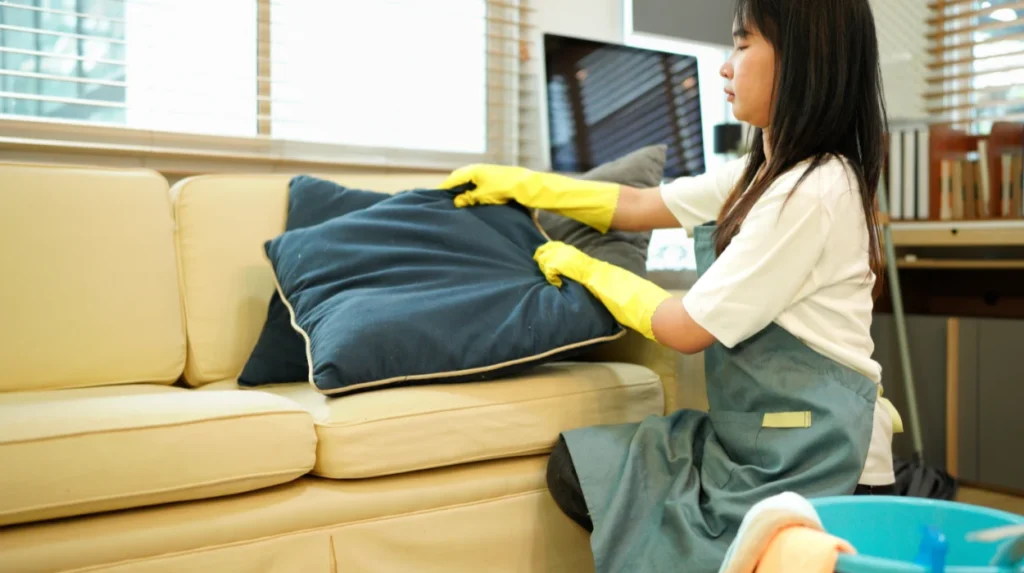
From a cost perspective, chemical-free upholstery cleaning and traditional cleaning are broadly comparable in professional service pricing, with the main variable being the fabric type, furniture size, and level of soiling rather than the cleaning method itself. In some cases, chemical-free services carry a slight premium due to the cost of specialist enzyme formulations and the additional time required for thorough pre-treatment. However, for households where occupants have sensitivities or where the upholstery is composed of delicate materials, this additional cost is generally considered a practical investment rather than an unnecessary expense.
Traditional cleaning services, while often slightly faster in heavily soiled scenarios, may require a follow-up clean sooner if residue re-attracts soil, which can offset any initial cost advantage over a 12-month period. For those considering whether professional intervention is necessary at all, it is useful to first weigh what professional upholstery cleaning solutions in Farnworth can achieve compared to at-home treatment, particularly for large or heavily used pieces of furniture. The frequency of cleaning required also factors into cost calculations, with chemical-free methods often maintaining results slightly longer on natural fibre fabrics because the cleaning process does not leave residue that accelerates re-soiling.
Making the Right Choice Before Booking a Service
Before deciding between chemical-free and traditional upholstery cleaning, it is worth gathering a few key pieces of information about the specific upholstery in question and the circumstances of the cleaning requirement. Check the care label code on your furniture, note whether any household members have documented sensitivities to cleaning chemicals, assess how severe and how old the staining is, and consider whether the upholstery is a frequently used or occasional-use piece. If you are facing a time-sensitive situation where furniture needs to be cleaned and back in use quickly, understanding the available options for same-day upholstery cleaning in Farnworth may help you make a faster and more practical decision. For standard maintenance cleaning where no urgency is involved, scheduling in advance and discussing fabric-specific requirements with your chosen provider gives the best outcome regardless of which method is selected. It is always advisable to ask your cleaning provider to explain which method they intend to use and why before work begins, as this transparency is a hallmark of a professional service.
Both chemical-free and traditional upholstery cleaning have a legitimate and well-supported place in professional fabric care, and neither is universally superior to the other in all circumstances. The method that produces the best result is always the one that is best matched to the fabric type, the degree of soiling, the household’s health considerations, and the practical requirements of the cleaning situation. Bee Cleaning Services Manchester provides professional Upholstery Cleaning Services in Farnworth with an approach grounded in fabric assessment, transparent communication, and method selection tailored to each individual piece of furniture, helping households in Farnworth maintain clean, well-preserved upholstery throughout the year.
Can couch cleaning help with allergies?
Yes, professional couch cleaning removes dust mites, pet dander, and pollen trapped deep within fabric fibres. Chemical-free methods are especially beneficial for allergy sufferers as they avoid harsh agents that can irritate airways further.
What kills allergens on furniture?
Steam cleaning and enzyme-based chemical-free solutions are highly effective at neutralising allergens on upholstery without leaving harmful residue. High-temperature steam in particular disrupts the protein structure of dust mites and pet dander at the fibre level.
What is the 2 3 rule for sofas?
The 2-3 rule suggests that a sofa should be professionally cleaned every 2 to 3 years under normal household use, or more frequently in homes with pets, children, or allergy sufferers. Regular maintenance cleaning between professional visits helps extend fabric life and hygiene standards.
What is the current trend in sofas?
Textured natural fabrics such as boucle, linen blends, and velvet are currently among the most popular upholstery choices, which makes chemical-free cleaning particularly relevant as these materials require gentler treatment. Neutral tones and oversized low-profile designs are also widely favoured in modern interiors.
What is the biggest mistake in placement of furniture?
Placing upholstered furniture in direct sunlight or directly against damp exterior walls accelerates fabric fading, fibre weakening, and mould development, making cleaning less effective over time. Poor placement also restricts airflow around cushions, which contributes to odour retention and slower drying after any cleaning treatment.