

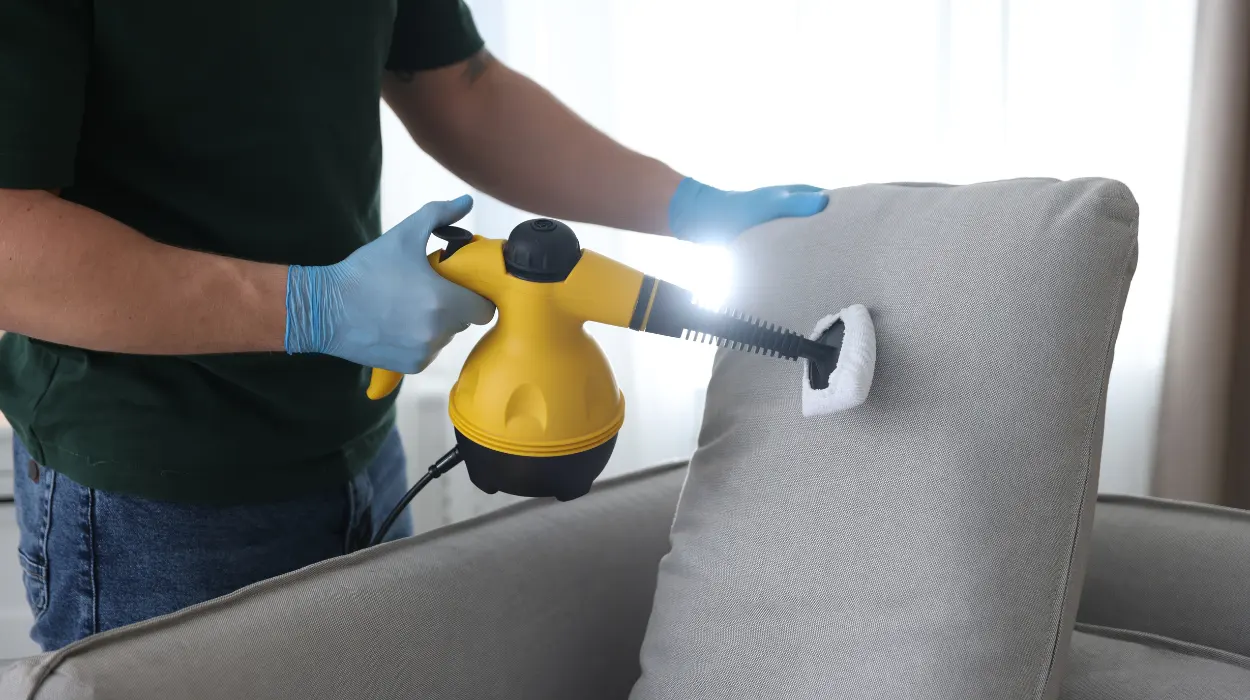
Your sofa smells because of trapped dirt, moisture, bacteria, and everyday use.
Quick fixes like proper ventilation, surface cleaning, and professional upholstery care can remove odors effectively.
Upholstery Cleaning Services in Farnworth often deal with one of the most common household concerns, which is unpleasant sofa odors. Sofas are high-use furniture pieces that silently collect dust, sweat, food particles, and pet dander over time. These elements sink deep into the fabric and padding, creating an environment where bacteria and odors develop gradually. Many homeowners notice the smell only when it becomes strong, but the buildup usually starts much earlier.
Bee Cleaning Services Manchester frequently highlights that odors are not just surface-level issues. They are often embedded deep within upholstery fibers, which means regular vacuuming alone cannot resolve them. Understanding the root causes is the first step toward maintaining a clean and fresh-smelling living space.
Common Causes of Sofa Smells
Accumulated Dirt and Dust
Dust particles and dirt settle into upholstery fibers daily, especially in busy households. Over time, this buildup becomes compacted, making it difficult to remove with basic cleaning tools. When mixed with natural body oils, it creates a stale odor that lingers even after surface cleaning. This is particularly common in fabric sofas that are used frequently without deep cleaning.
Professional Upholstery Cleaning Services in Farnworth focus on extracting this deeply embedded debris. Without proper removal, the smell continues to worsen, especially in humid conditions where dust interacts with moisture in the air.
Moisture and Humidity
Moisture is one of the leading causes of unpleasant sofa odors. Spills, damp clothes, or even high humidity levels can introduce moisture into upholstery. When this moisture does not dry properly, it creates the perfect environment for mold and mildew growth. These microorganisms produce strong, musty smells that are difficult to eliminate without specialized treatment.
Bee Cleaning Services Manchester uses advanced drying and extraction techniques to ensure that moisture is not trapped within the fabric. Proper moisture control is essential to prevent long-term odor issues and fabric damage.
Pet Odors and Hair
Pets are a common source of sofa odors due to shedding hair, dander, and occasional accidents. Even well-trained pets leave behind natural oils and smells that accumulate over time. These odors tend to penetrate deeply into the upholstery layers, making them harder to remove with standard cleaning products.
Routine maintenance combined with deep cleaning helps manage pet-related odors effectively. Many homeowners rely on expert solutions to ensure that their furniture remains hygienic and odor-free despite regular pet use.
Food Spills and Residue
Food crumbs and liquid spills are another major contributor to sofa smells. Even small, unnoticed spills can seep into the fabric and begin to decompose. This process leads to unpleasant odors that worsen over time, especially if not cleaned immediately.
Professional cleaning services use specialized solutions to break down organic residues. This ensures that the source of the smell is removed rather than just masked temporarily.
Why Regular Cleaning Is Not Enough
Surface cleaning methods such as vacuuming or wiping can only address visible dirt. They do not reach the deeper layers where most odor-causing bacteria reside. This is why many homeowners find that smells return shortly after cleaning their sofas.
Deep cleaning involves extracting contaminants from within the upholstery structure. Bee Cleaning Services Manchester applies methods that target both the surface and the inner layers, ensuring a more complete and lasting result. This approach is essential for maintaining both cleanliness and indoor air quality.
Quick Fixes for Mild Sofa Odors
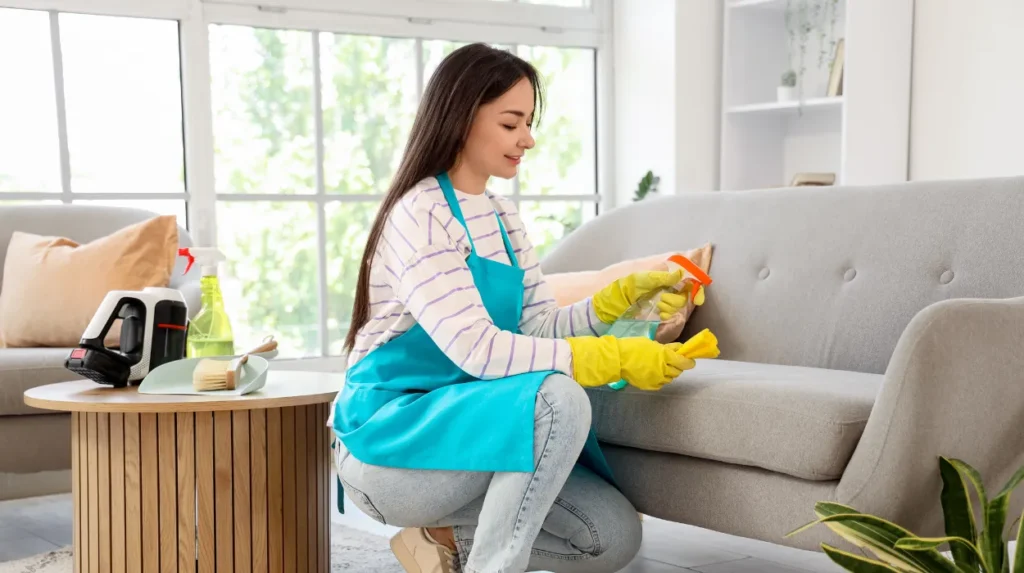
Improve Ventilation
Allowing fresh air to circulate around your sofa can significantly reduce mild odors. Opening windows and using fans helps remove trapped smells and moisture. This is a simple yet effective step that can be done regularly without any special equipment.
Proper airflow prevents the buildup of humidity, which is often responsible for musty odors. While this method may not eliminate deep-seated smells, it is useful for maintaining freshness between professional cleanings.
Use Baking Soda Treatment
Baking soda is widely used for absorbing odors from upholstery surfaces. Sprinkling a thin layer over the sofa and leaving it for a few hours allows it to neutralize unpleasant smells. Afterward, vacuuming removes both the baking soda and the absorbed odor particles.
This method works best for light odors and should be used as part of routine maintenance. It does not replace the need for deep cleaning but can help extend the freshness of your furniture.
Spot Cleaning Spills Immediately
Addressing spills as soon as they occur prevents them from becoming long-term odor sources. Using appropriate cleaning solutions for different fabrics ensures that residues are fully removed. Delayed cleaning often allows spills to penetrate deeper, making them harder to treat later.
Quick action is one of the most effective ways to maintain odor-free upholstery. It reduces the likelihood of bacteria growth and permanent staining.
When to Consider Professional Cleaning
Persistent odors that do not respond to home remedies usually require professional intervention. Deep-seated smells caused by mold, bacteria, or heavy usage cannot be fully removed with basic cleaning methods. This is where specialized equipment and expertise become essential.
Upholstery Cleaning Services in Farnworth provide targeted solutions that address both the cause and the effect of sofa odors. Techniques such as hot water extraction and steam cleaning ensure that contaminants are removed from deep within the fabric. These methods also help restore the original freshness and appearance of the sofa.
The Role of Fabric Type in Odor Retention
Different upholstery materials react differently to dirt and moisture. Fabric sofas tend to absorb odors more easily due to their porous nature, while leather surfaces may trap smells on the surface if not cleaned properly. Understanding the material of your sofa helps determine the most effective cleaning approach.
Bee Cleaning Services Manchester tailors cleaning methods based on fabric type. This ensures that each sofa receives the appropriate treatment without causing damage. Proper care not only removes odors but also extends the lifespan of the furniture.
Preventing Future Sofa Smells
Preventive maintenance is key to keeping sofas fresh over time. Regular vacuuming, immediate spill management, and periodic deep cleaning all contribute to odor control. Using protective covers can also reduce direct exposure to dirt and spills, especially in high-traffic homes.
Maintaining indoor humidity levels is another important factor. Dehumidifiers and proper ventilation help prevent moisture buildup, which is often the root cause of persistent odors. Combining these practices creates a long-term solution for maintaining clean upholstery.
For specialized materials like leather, you can learn more about
professional leather sofa cleaning and conditioning services
to ensure proper care and maintenance.
How Professional Cleaning Enhances Indoor Air Quality
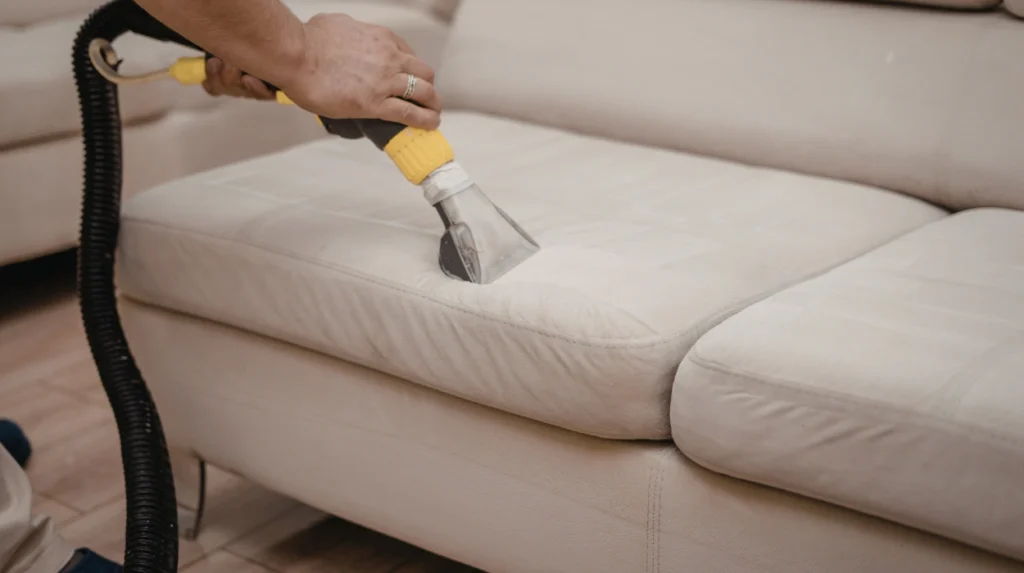
Sofa odors are not just a comfort issue but also an air quality concern. Upholstery can trap allergens, bacteria, and pollutants that affect the overall environment of a home. When these contaminants accumulate, they can contribute to respiratory discomfort and other issues.
Professional cleaning removes these hidden pollutants, improving both the smell and the air quality of the space. Bee Cleaning Services Manchester focuses on thorough extraction processes that eliminate harmful particles, creating a healthier living environment.
The Importance of Timely Maintenance
Delaying upholstery cleaning often leads to more severe odor problems. What starts as a mild smell can develop into a deeply embedded issue that requires intensive treatment. Regular maintenance prevents this progression and keeps cleaning costs manageable.
Scheduling periodic professional cleaning ensures that sofas remain in good condition. It also helps identify potential issues early, such as mold growth or fabric wear, allowing for timely intervention.
Sofa odors are usually caused by a combination of dirt, moisture, and everyday use. While simple home remedies can manage mild smells, deeper issues require professional attention. Understanding the causes and applying the right solutions helps maintain a clean and comfortable living space.
Bee Cleaning Services Manchester provides practical and effective upholstery care tailored to different materials and conditions. Through consistent maintenance and professional cleaning, homeowners can ensure that their sofas remain fresh, hygienic, and long-lasting.
Why does my couch smell after professional cleaning?
Your couch may smell after professional cleaning because moisture remains trapped deep within padding, allowing bacteria or mildew to develop. Poor ventilation, over-wetting, or inadequate extraction can worsen odors, making the sofa smell damp, musty, or unpleasant after cleaning process.
What can I spray on my sofa to make it smell nice?
You can spray a light mixture of water and white vinegar, baking soda solution, or fabric-safe deodorizer to freshen your sofa. Essential oil sprays also help, but always test on a hidden area first to avoid any staining or damage.
How to fix smelly carpet after cleaning?
To fix a smelly carpet after cleaning, ensure proper drying by improving airflow with fans or open windows. Sprinkle baking soda, let it sit, then vacuum. If odors persist, consider re-cleaning with extraction or hiring professionals for deep deodorizing treatment.
Can vinegar remove carpet smells?
Vinegar can help remove carpet smells because its acidity neutralizes odor-causing bacteria. Mix equal parts water and white vinegar, lightly spray the carpet, and allow it to dry completely. The vinegar smell fades, leaving the carpet fresher and cleaner afterward.
What ingredients should I avoid in carpet cleaner?
Avoid carpet cleaners containing harsh chemicals like ammonia, bleach, or strong artificial fragrances, as they can damage fibers and cause lingering odors. Also avoid excessive soap residues, which attract dirt and bacteria, making carpets smell worse over time even more.