
Pet stain and odour removal services can fully restore carpets that appear permanently damaged, even when the staining is deep-set or the odour has persisted for months. For households across the Farnworth area, carpet cleaning services in Farnworth provide access to professional-grade treatment that eliminates the biological compounds responsible for both discolouration and smell, rather than temporarily masking the problem with fragrances or surface sprays.
Carpets in homes with pets face a particularly demanding form of contamination. Pet urine contains uric acid crystals, bacteria, proteins, and ammonia compounds that bind tightly to carpet fibres and the underlay beneath. These substances do not respond effectively to standard domestic cleaning products, which is why most home remedies produce only short-term results. Over time, the residue concentrates within the carpet structure, and the odour intensifies whenever the affected area is exposed to warmth or humidity. Recognising why this type of staining behaves differently from other household spills is essential to understanding the case for professional intervention and the specific techniques it involves.
Why Pet Stains Are More Complex Than They Appear
What is visible on the surface of a carpet following a pet accident is typically only a fraction of the actual contamination. When a pet urinates, the liquid penetrates through the pile and into the backing, the underlay, and in severe cases the subfloor below.
The spread of the stain at the base of the carpet is usually considerably wider than the mark visible above, which means surface-level scrubbing addresses only a portion of the problem. As moisture evaporates, uric acid crystallises throughout the saturated layers, creating a stable reservoir of odour-producing material. Bacteria multiply within this environment, contributing further to the smell and to hygiene concerns. Professional technicians use moisture sensors and UV light tools during the inspection phase to map the full extent of contamination before any treatment begins.
The Science Behind Persistent Pet Odours
The persistence of pet odours is rooted in the chemical composition of the residue rather than its volume. Pet urine contains urea, uric acid, creatinine, hormones, and decomposing bacteria, each of which contributes to the overall smell as the material breaks down over time. Ammonia and mercaptans are released during the decomposition process, and both carry strong, unpleasant odours that standard cleaning agents cannot neutralise because they do not address the molecular structure of uric acid.
Once crystallised, uric acid is not water-soluble, which is why rinsing with water or applying supermarket spray products does not resolve the problem. Warmth, humidity, and foot traffic can reactivate dormant crystals repeatedly, causing odours to return even after a carpet appears clean. This chemistry explains why enzyme-based professional treatments are the only reliable method of achieving lasting odour elimination.
How Professional Treatment Works From Inspection to Extraction
The Step-by-Step Process
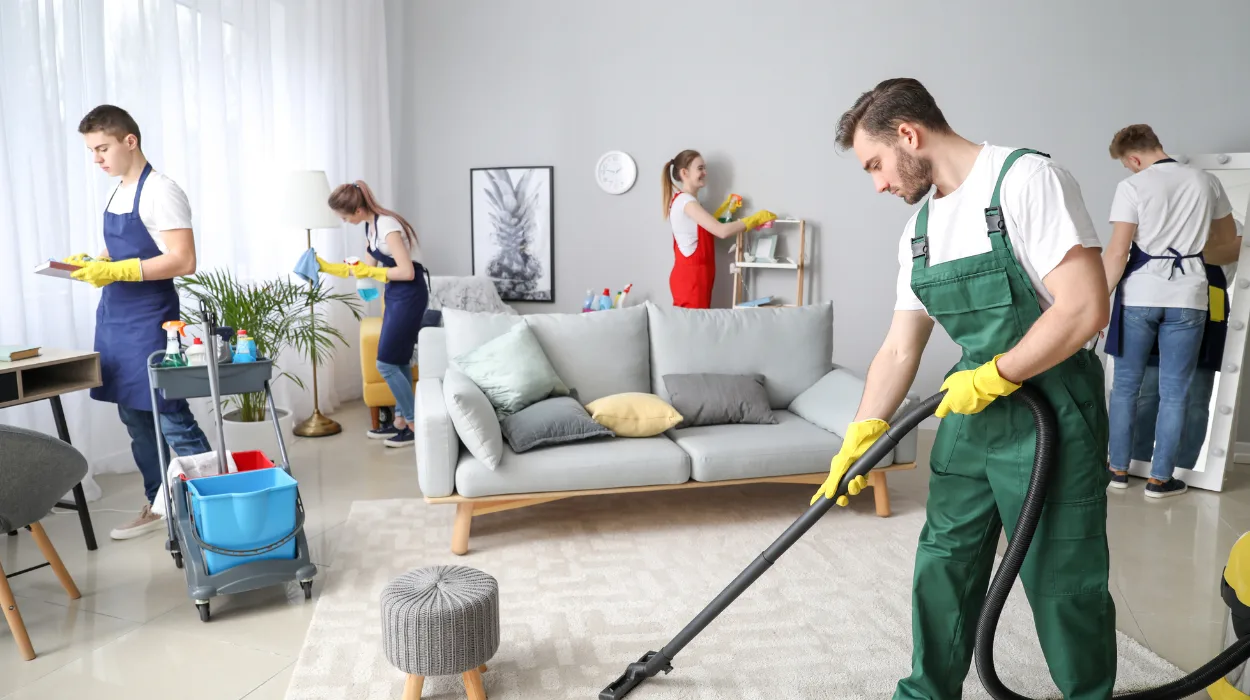
Professional cleaning for pet-affected carpets begins with a thorough inspection using UV light to reveal staining that is invisible under normal conditions, alongside moisture meters to detect saturation in the underlay and subfloor. Once the full contamination zone is mapped, pre-treatment solutions are applied to the carpet to begin softening and loosening the organic residue bound within the fibres. Enzyme-based agents are then introduced, penetrating deep into the pile and backing where they work biologically to break down uric acid crystals, proteins, and bacteria at a molecular level.
Following adequate dwell time, commercial hot water extraction equipment flushes the broken-down residues out of the carpet entirely, removing both the contamination and the enzyme solution in a single extraction pass. This process addresses the staining, the odour, and the hygienic condition of the carpet simultaneously, which no domestic cleaning method can replicate. The result is a carpet that is genuinely clean rather than one where residual odour returns within days.
The Importance of Enzyme-Based Cleaners in Odour Removal
Enzyme cleaners are the critical component in any effective professional pet odour treatment because they work biologically on the specific compounds found in pet waste. The enzymes contained in professional-grade formulations are matched to the molecular structure of uric acid, proteins, and bacteria, enabling them to digest these substances rather than simply coating them. This is a fundamentally different action from that of deodorisers or fragrance-based sprays, which overlay the smell without addressing the underlying material.
Because enzyme action requires time to work effectively, professional technicians apply these products according to calculated dwell time protocols that vary with carpet type, pile density, and the severity of contamination. Cutting the dwell time short to speed up the appointment produces incomplete biological breakdown and means the odour will return. This careful approach to product application and timing is one of the most important distinctions between professional treatment and home cleaning attempts.
What Happens When Pet Stains Are Left Without Professional Treatment
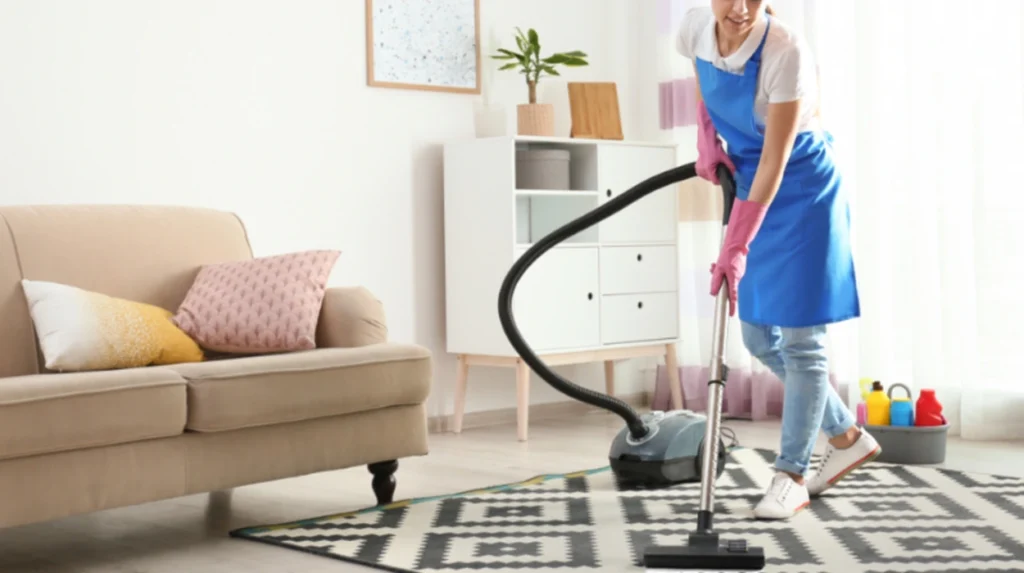
Leaving pet stains untreated, or treating them only with surface-level methods, creates a worsening cycle that becomes increasingly difficult and costly to reverse. As uric acid crystals accumulate across multiple incidents in the same area, the concentration of biological material deepens into the underlay and subfloor, where standard cleaning equipment cannot reach at all. Pets frequently return to previously soiled locations because they detect residual scent even after the area appears clean to human senses, reinforcing the pattern of contamination. The bacterial environment created by untreated staining also raises hygiene concerns, particularly in homes where young children or elderly individuals spend time on floor surfaces. In cases where contamination reaches the subfloor and is left for an extended period, replacement rather than cleaning may become the only viable option. Early professional intervention is consistently more cost-effective than delayed treatment.
Carpet Hygiene in Homes With Pets and Children
Homes shared by pets and young children present one of the most demanding carpet hygiene challenges because both groups spend significant time in direct contact with floor surfaces. Carpets accumulate pet dander, hair, allergens, and bacteria alongside visible staining, and routine vacuuming removes surface debris but does not address what is embedded within the pile and backing. For families managing both pet accidents and children’s play on the same carpet, the case for professional deep cleaning goes beyond appearance and extends into health and indoor air quality. Allergens and bacteria concentrate in the deeper layers of carpet construction where only commercial extraction equipment can reach them effectively. Understanding how carpet hygiene supports healthier living in homes with pets and children provides useful context for households building a consistent cleaning schedule. Regular professional cleaning cycles help prevent the gradual accumulation of contaminants that have a measurable impact on air quality over time.
Selecting the Right Professional Cleaning Service for Pet Stain Treatment
Choosing a carpet cleaning provider with specific experience in pet contamination is important because not all cleaning companies use the enzyme-based products or the commercial extraction equipment that this type of work requires. When evaluating providers, the key factors to assess include their inspection process, their transparency about the cleaning agents they use, and their understanding of odour chemistry and uric acid crystallisation. A provider that offers only hot water extraction without a specialist pre-treatment stage will deliver incomplete results on heavily pet-affected carpets.
For residents across the Bolton area, carpet cleaning services in Farnworth are available with commercial-grade systems and specialist pet treatment protocols built into every appointment. Bee Cleaning Services Manchester approaches each job with an initial assessment that shapes the treatment method, and residents can access professional carpet cleaning in Farnworth that is designed specifically to address deep contamination, persistent odour, and the hygiene concerns that come with pet ownership.
Pet Damage in Rental Properties and What Landlords Need to Know
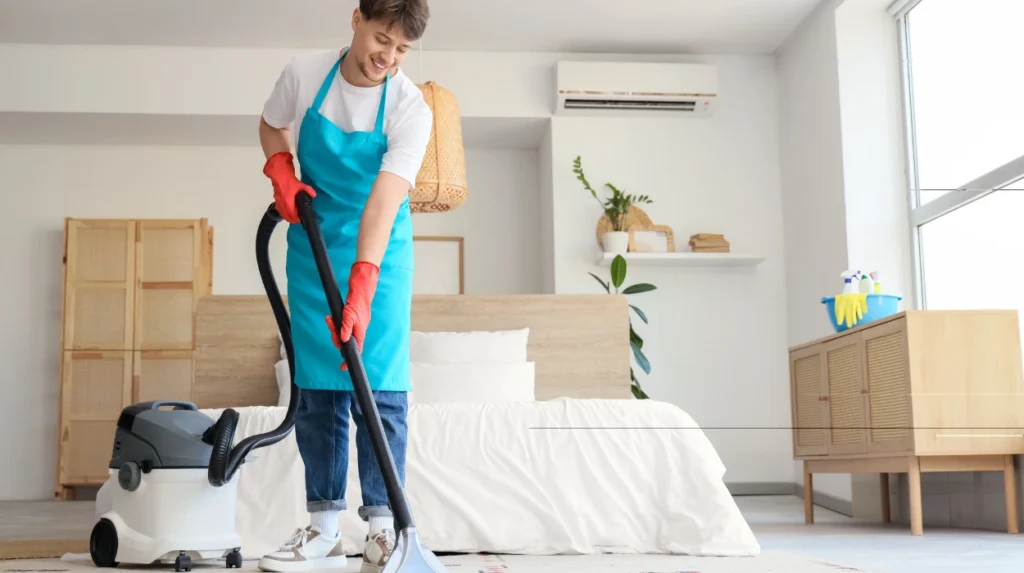
Landlords who permit pets in their rental properties frequently encounter carpet contamination as one of the most significant maintenance challenges at the end of a tenancy. Pet staining that has been left untreated throughout a tenancy is often far more extensive than it initially appears, and restoring the carpet to a lettable standard requires the kind of specialist treatment that standard end-of-tenancy cleaning does not typically include. The cost of replacement carpets in a rental property is considerably higher than the cost of professional treatment, which makes early intervention after a tenancy ends a sound financial decision.
Understanding carpet cleaning requirements for landlords managing rental properties helps property managers develop a practical maintenance strategy that protects asset value and minimises turnover time between tenants. Documenting the carpet condition at check-in and check-out alongside professional cleaning records also strengthens a landlord’s position in any deposit-related dispute.
Maintaining Carpet Condition Between Professional Cleaning Appointments
After a professional pet stain treatment, there are practical measures that help households extend the benefit of the cleaning before the next scheduled appointment. Addressing fresh pet accidents promptly with an enzyme-based spot treatment prevents new incidents from embedding deeply into the carpet fibres before they can be professionally extracted. Ensuring adequate ventilation in rooms where cleaning has taken place helps the carpet dry thoroughly, which reduces the risk of secondary odour developing from residual moisture.
In homes with multiple pets or frequent accidents, a professional cleaning interval of every six to twelve months is generally appropriate to prevent contamination from accumulating to problematic levels. Applying a carpet protection treatment after professional cleaning reduces the rate at which future staining penetrates the pile, making both spot treatment and routine maintenance more effective. Combining professional cleaning with informed daily habits produces the most consistent results for carpets in pet-owning households.
Effective carpet care in homes with pets requires treatment that goes well beyond what domestic equipment and retail cleaning products can achieve, and the gap between home methods and professional results is particularly significant where biological contamination is involved. The science of pet stain and odour removal is well established, and when the right combination of inspection, enzyme treatment, and commercial extraction is applied correctly, even heavily affected carpets can be restored to a genuinely clean and hygienic condition.
Carpet cleaning services in Farnworth from Bee Cleaning Services Manchester are designed around the specific challenges pet owners face, combining specialist knowledge with commercial-grade equipment to deliver results that are measurable, lasting, and grounded in how carpet contamination actually behaves. Whether the issue is a single persistent stain or widespread damage across multiple rooms, professional treatment remains the most reliable approach available for households committed to maintaining clean and healthy living environments.
FAQs About Carpet Cleaning Services in Farnworth Remove Pet Stains and Odours
Can Professional Carpet Cleaning Actually Remove Old Pet Urine Smell Permanently?
Yes, professional carpet cleaning can permanently remove old pet urine odours when enzyme-based treatments are used alongside commercial hot water extraction. Standard home methods only mask the smell because they cannot dissolve uric acid crystals embedded deep in the carpet fibres and underlay. A professional technician maps the full contamination zone before treatment, ensuring no affected area is missed. This is why the odour does not return after a proper professional clean, unlike results from supermarket sprays.
Why Does My Carpet Still Smell After I Cleaned the Pet Stain Myself?
The smell returns because pet urine soaks through the carpet pile into the backing and underlay, where home cleaning products cannot reach. Uric acid crystallises in those deeper layers and reactivates whenever the area is warm or humid, releasing ammonia and odour compounds again. Over-the-counter sprays and deodorisers coat the surface without breaking down the biological material underneath. Only enzyme-based professional treatment digests the crystals at a molecular level and extracts them completely.
How Often Should I Get My Carpets Professionally Cleaned If I Have Pets?
For households with one or more pets, a professional cleaning interval of every six to twelve months is generally recommended to prevent contamination from building up to problematic levels. Homes with multiple pets or frequent accidents may need more regular treatment to maintain hygiene and protect indoor air quality. Routine vacuuming between appointments helps manage surface debris but does not replace deep extraction. Applying a carpet protector treatment after each professional clean also extends the time between necessary appointments.
Is Carpet Replacement Always Necessary After Heavy Pet Damage?
Carpet replacement is not always necessary, even in cases of heavy or long-term pet damage, provided professional treatment is applied before the contamination reaches the subfloor permanently. Commercial hot water extraction combined with enzyme pre-treatment can restore carpets that appear beyond saving by removing deep-set staining and neutralising the bacterial environment within the pile.
Are Enzyme Carpet Cleaners Safe for Children and Pets After Application?
Professional enzyme-based cleaners are generally safe for children and pets once the carpet has dried completely after treatment. The enzymes used in commercial formulations are biological agents that break down organic material and do not leave behind harmful chemical residues. Technicians advise keeping the treated area well ventilated during and after cleaning to support thorough drying.