


They achieve this by utilizing specialized dry extraction methods, mild pH-neutral solutions, and avoiding thermal shock to preserve rubberized backings and sensitive weaves completely. To properly understand how to protect these textiles, one must prioritize gentle vacuuming, avoid harsh detergents, and keep thermal linings completely away from extreme heat sources. These initial steps ensure that sensitive fabrics maintain their structural integrity and specialized linings do not melt or degrade during the sanitation process. Window treatments accumulate significant amounts of dust, allergens, and airborne pollutants over time, necessitating regular maintenance to preserve indoor air quality.
However, standard laundering techniques often prove disastrous for high-quality fabrics, leading to irreversible shrinkage or the cracking of light-blocking layers. Property owners must approach this chore with a clear understanding of material science and appropriate chemical applications. Implementing a structured and highly cautious approach guarantees that expensive window coverings remain visually appealing and functionally effective for years to come.
Understanding the specific vulnerabilities of your textiles is the absolute foundation of proper maintenance and long-term preservation of your interior decor. Delicate materials such as silk, velvet, sheer organza, and intricate lace demand highly specialized handling because their sensitive fibers can easily distort, tear, or lose their natural luster when subjected to vigorous friction. Blackout curtains present a completely different set of challenges due to their acrylic or rubberized backings, which are designed to block sunlight but are highly susceptible to chemical degradation and heat damage.
When individuals ignore these unique material characteristics, they risk destroying both the aesthetic and functional value of their investment in a single wash cycle. Recognizing these vulnerabilities allows for the careful selection of appropriate temperature settings and cleaning agents that neutralize dirt without compromising the structural layers of the fabric. Homeowners must remain vigilant and informed about these fabric requirements. Proper knowledge ultimately prevents costly mistakes and permanent damage to expensive decor.
Preparation Strategies Before the Washing Process Begins
Thorough preparation drastically reduces the likelihood of accidental damage and ensures a much more effective soil removal process overall. The very first step involves carefully removing the curtains from their tracks or poles while keeping all hooks, rings, and weighted hems completely separated from the main fabric body. Leaving metal or plastic hardware attached during any washing procedure can cause severe snags, rust stains, or physical punctures within the delicate textile weaves.
Once the hardware is removed, a meticulous inspection should be conducted to identify any existing weak seams, sun-rotted areas, or stubborn stains that require pre-treatment before general washing begins. This careful evaluation prevents minor fabric weaknesses from transforming into massive tears during the unavoidable agitation phase of the cleaning cycle. Taking the time to properly stage the textiles sets the necessary groundwork for a highly safe and successful dirt extraction process. Moving forward methodically guarantees a much better final result before introducing any water.
Dry soil removal is arguably the most critical preparatory phase for preserving both delicate weaves and heavy blackout layers from unnecessary moisture stress. Utilizing a high-efficiency particulate air vacuum equipped with a soft brush attachment allows for the gentle extraction of loose dust, cobwebs, and pet dander resting on the surface. It is vital to use the lowest suction setting available to prevent the fabric from being pulled violently into the vacuum nozzle, which could warp sheer materials or stress the bonding of blackout backings. This dry extraction significantly reduces the amount of moisture and detergent needed later, minimizing the overall physical stress placed on the window coverings. When heavily soiled textiles bypass this step, the loose dust transforms into a stubborn mud that embeds deeper into the fibers upon initial contact with water. Removing dry particles first is a standard industry best practice. This simple step vastly improves the overall hygiene of the home environment.
Navigating the Intricacies of Delicate Fabrics
Dealing with luxurious or fragile materials requires an exact understanding of their specific tolerances to moisture and mechanical action. Silk and velvet, for instance, are notoriously temperamental and often react poorly to standard aqueous washing solutions, making them prime candidates for specialized dry-cleaning techniques. If a manufacturer care label explicitly permits hand washing, one must use lukewarm or cold water exclusively, paired with a remarkably mild and pH-neutral detergent designed specifically for sensitive fibers. The washing motion must be a gentle squeezing action rather than aggressive scrubbing, wringing, or twisting, as these actions break down the microscopic fibers that give the material its structural strength.
Rinsing must be thorough yet gentle to ensure no chemical residue remains, as leftover soap can attract new dirt rapidly. Incorporating careful methods ensures evaluating professional curtain maintenance remains a top priority for longevity. Following these precise steps safeguards the delicate nature of premium textiles effectively.
Sheer curtains, while incredibly beautiful and light-filtering, are highly susceptible to severe snagging and stretching during any maintenance routine. When washing these transparent fabrics, placing them inside a highly porous mesh laundry bag provides a crucial layer of physical protection against the metal drum of a washing machine or the hard basin of a sink. The water temperature must remain completely cold, and the machine cycle should be set to the absolute most delicate option available, ideally with a reduced spin speed to prevent excessive wrinkling.
It is imperative to avoid standard fabric softeners or harsh bleaching agents, as these potent chemicals can turn sheer white materials yellow or cause premature degradation of the synthetic threads. Maintaining the pristine condition of these lightweight textiles relies entirely on minimizing friction and strictly controlling the chemical environment during the entire sanitization process. Gentle handling prevents the delicate weave from separating or fraying prematurely. Careful attention to detail is paramount for transparent window treatments.
Preserving the Integrity of Thermal and Light-Blocking Linings
Blackout and thermal window treatments feature specialized polymer coatings that require completely different care protocols compared to standard woven fabrics. The rubberized or acrylic layers applied to the reverse side of the decorative material are highly sensitive to both thermal shock and aggressive chemical solvents found in common household cleaners. Subjecting these linings to hot water causes the protective layer to warp, bubble, or completely detach from the primary fabric, instantly destroying the vital light-blocking capabilities of the curtain.
To successfully navigate the cleaning process safely, one must rely on cold water, incredibly mild detergents, and absolutely zero exposure to mechanical drying appliances. Spot cleaning is often the safest and most effective approach for these items, using a damp microfiber cloth to gently dab away surface stains without fully submerging the specialized backing in water. Protecting the functional barrier layer requires absolute patience and gentle chemical applications. Avoiding submersion whenever possible extends the life of the blackout coating.
If full submersion becomes absolutely necessary due to heavy soiling, the bathtub method proves to be the safest environment for bulky blackout materials. Filling a clean bathtub with cool water and a small amount of liquid detergent allows the heavy curtains to spread out, preventing the stiff backing from creasing, cracking, or sticking together. The cleaning process should involve gentle pressing to push the soapy water through the decorative side while leaving the coated reverse side relatively undisturbed by direct friction.
Draining the soapy water and refilling the tub for a gentle rinse ensures that the chemical agents are removed without the need for destructive wringing or twisting motions. Protecting these functional linings preserves their ability to insulate rooms against temperature fluctuations and block out unwanted external light sources effectively for the life of the product. Proper tub washing avoids the aggressive agitation of mechanical washing machines. This manual process is highly recommended by textile experts globally.
Post-Washing Care and Safe Drying Protocols
The drying phase is often where the most severe and irreversible damage occurs to both delicate weaves and rubberized backings alike. Tumble dryers, even on their lowest heat settings, generate far too much thermal energy and mechanical tumbling action for specialized window treatments to endure safely. The absolute best method for drying involves hanging the damp textiles back onto their poles or tracks in a well-ventilated room, allowing gravity to naturally pull out the creases as the moisture evaporates. Placing clean towels heavily on the floor beneath the hanging fabrics catches any dripping water and protects sensitive flooring materials from potential moisture damage. Keeping the room well-ventilated with fans or open windows accelerates the drying time, preventing the development of mildew or musty odors within the dense, damp fibers. Professional curtain cleaning services in Farnworth frequently recommend this natural drying approach to their clients to prevent shrinkage. Allowing fabrics to air dry maintains their intended shape and structural integrity perfectly.
Ironing presents a significant hazard and must be approached with extreme caution, particularly when dealing with synthetic blends or heavily coated backings. If stubborn wrinkles persist after the air-drying process is completely finished, a specialized garment steamer is infinitely safer than applying direct conductive heat from a traditional iron. When steaming, one should keep the nozzle several inches away from the fabric surface and work strictly on the decorative side, ensuring steam never directly contacts a thermal or blackout lining. If an iron must absolutely be used on a delicate fabric like cotton or linen, placing a thick cotton pressing cloth between the hot metal plate and the curtain prevents scorching and shiny marks. Strict adherence to proper drying and smoothing techniques ensures that the textiles retain their original shape without suffering any heat damage. Those seeking optimal results often rely on expert curtain cleaning in Farnworth to bypass these inherent risks completely. Outsourcing this task removes the heavy burden of specialized ironing completely.
The Role of Professional Maintenance in Fabric Longevity
While diligent home care plays a vital role in routine upkeep, certain materials and levels of soiling absolutely necessitate the intervention of industry specialists. Complex fabrics heavily laden with nicotine stains, grease from kitchen proximity, or extensive watermarks often fail to respond to mild domestic cleaning agents. Professionals utilize advanced solvent extraction machines and specialized dry-cleaning solvents that safely dissolve stubborn compounds without introducing water to dimensionally unstable fabrics.
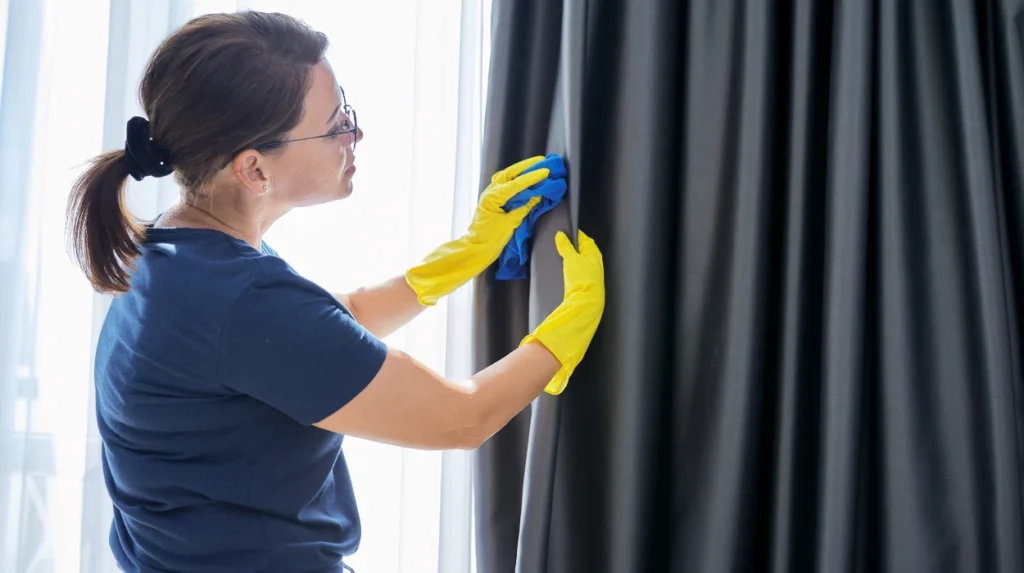
This elevated level of care prevents the common pitfalls of domestic washing, such as uneven shrinkage where the blackout lining drops awkwardly below the hemline of the face fabric. Understanding when a specific textile requires specialized chemical knowledge is a crucial aspect of responsible property maintenance and high-end interior decor preservation. Expert intervention protects the substantial financial investment made in luxury window dressings. It ensures that homes remain beautiful and allergen-free all year round.
Partnering with experienced technicians guarantees that heavily structured window treatments maintain their exact dimensions and original aesthetic appeal. These experts conduct meticulous pre-inspection testing to determine colorfastness and fabric stability before applying any moisture or cleaning agents to the valuable material. This precise methodology completely eliminates the guesswork that often leads to disastrous color bleeding or the total delamination of expensive blackout linings during DIY attempts. Furthermore, professional services possess the specialized facilities to adequately stretch, block, and dry massive amounts of fabric in controlled environments, restoring the crisp pleats and elegant drape that are nearly impossible to replicate at home. Property managers and homeowners who prioritize flawless interiors consistently look for trusted curtain cleaning specialists Farnworth to handle their most valuable window dressings. Trusting specialists ensures a flawless outcome for every single room in the house. The results consistently justify the decision to hire exterior help.
Formulating a Long-Term Care Strategy
Establishing a consistent and low-impact maintenance routine significantly extends the operational lifespan of high-value window coverings and reduces the frequency of intensive deep washing. Weekly dusting with a static duster or a soft-bristled vacuum attachment prevents particulate matter from settling deeply into the woven fibers or sticking permanently to the reverse linings. Addressing small spills or localized spots immediately with a heavily diluted, neutral cleaning solution prevents stains from oxidizing and permanently bonding with the fragile textile dyes. Rotating curtains periodically if they are exposed to intense, direct sunlight helps to distribute UV exposure evenly, mitigating the risk of localized fading or accelerated fabric rot. A proactive approach to daily and weekly care drastically minimizes the physical stress these materials must endure over their entire lifespan. Regular upkeep makes the eventual deep clean much faster and vastly more successful. Consistency is the true secret to enduring interior beauty and functional performance.
Maintaining a highly stable indoor environment also contributes heavily to the preservation of both delicate sheer fabrics and heavy light-blocking layers. Regulating indoor humidity strictly prevents the growth of hazardous mold spores within the dense fibers of blackout curtains, which are notoriously difficult to remediate once firmly established. Additionally, utilizing secondary window films or subtle blinds can filter harsh ultraviolet rays before they strike the delicate interior textiles, preventing premature fiber degradation and catastrophic color loss. Property owners must view premium window treatments as a serious investment that requires an ongoing strategy of environmental control combined with gentle, routine sanitation. This comprehensive approach ensures that every room maintains its intended ambiance, privacy levels, and thermal efficiency without requiring frequent replacements. Protecting textiles from harsh environmental factors is just as important as washing them. Careful planning yields beautifully preserved fabrics for decades to come.
Navigating the complexities of fabric maintenance requires a careful balance of gentle techniques, appropriate temperature control, and a very deep understanding of material compositions. Protecting sensitive sheers and robust light-blocking layers heavily depends on meticulous preparation, avoiding harsh mechanical agitation, and strictly adhering to patient air-drying methodologies. When these detailed protocols are followed properly, expensive window treatments retain their pristine appearance, structural stability, and vital functional benefits for many consecutive years. However, when the risks of domestic washing heavily outweigh the benefits, seeking expert assistance provides absolute peace of mind and guaranteed results.
Bee Cleaning Services Manchester offers meticulous care for complex textiles, ensuring every delicate fiber and specialized lining is treated with the utmost professional precision. Providing reliable curtain cleaning services in Farnworth, Bee Cleaning Services Manchester helps residential and commercial clients maintain flawless, healthy, and beautifully preserved interior spaces. They remain dedicated to excellence in every single project they undertake.
FAQs About Curtain Cleaning Services in Farnworth Protect Blackout Curtains
Can you put blackout curtains in the washing machine?
Putting blackout curtains in a washing machine is highly risky and generally not recommended by textile experts. The mechanical agitation and standard spin cycles can cause the rubberized acrylic backing to crack, peel, or completely detach from the fabric. It is much safer to use the bathtub method with cool water and gentle pressing to preserve the light-blocking layer.
How do you clean delicate velvet curtains without ruining them?
Velvet is extremely sensitive to moisture and friction, making dry extraction the best initial approach for routine maintenance. You should use a high-efficiency vacuum with a soft brush attachment on the lowest suction setting to gently remove surface dust. If deeper sanitization is required, hiring professional cleaners is the safest route to prevent crushing the delicate fibers.
Is it safe to use a steam cleaner on thermal or blackout linings?
You must never apply direct steam to the coated reverse side of thermal or blackout window treatments. The intense heat will instantly melt or warp the specialized polymer layers, destroying their important insulating and light-blocking properties. If you need to remove wrinkles, steam only the decorative face fabric from a safe distance while keeping the heat away from the backing.
What is the best way to dry heavy curtains without shrinking them?
The absolute safest method is to air dry them by hanging the damp panels directly back onto their tracks or poles in a well-ventilated room. Placing clean towels beneath them will catch any dripping water while gravity naturally pulls out the washing creases. You should strictly avoid tumble dryers, as the thermal energy and tumbling motion frequently cause severe and permanent shrinkage.
Why did my sheer white curtains turn yellow after washing?
Sheer synthetic fabrics often turn yellow when exposed to harsh chemical bleaching agents or standard household fabric softeners. To maintain their pristine white appearance, they require completely cold water and incredibly mild, pH-neutral detergents inside a protective mesh laundry bag.