
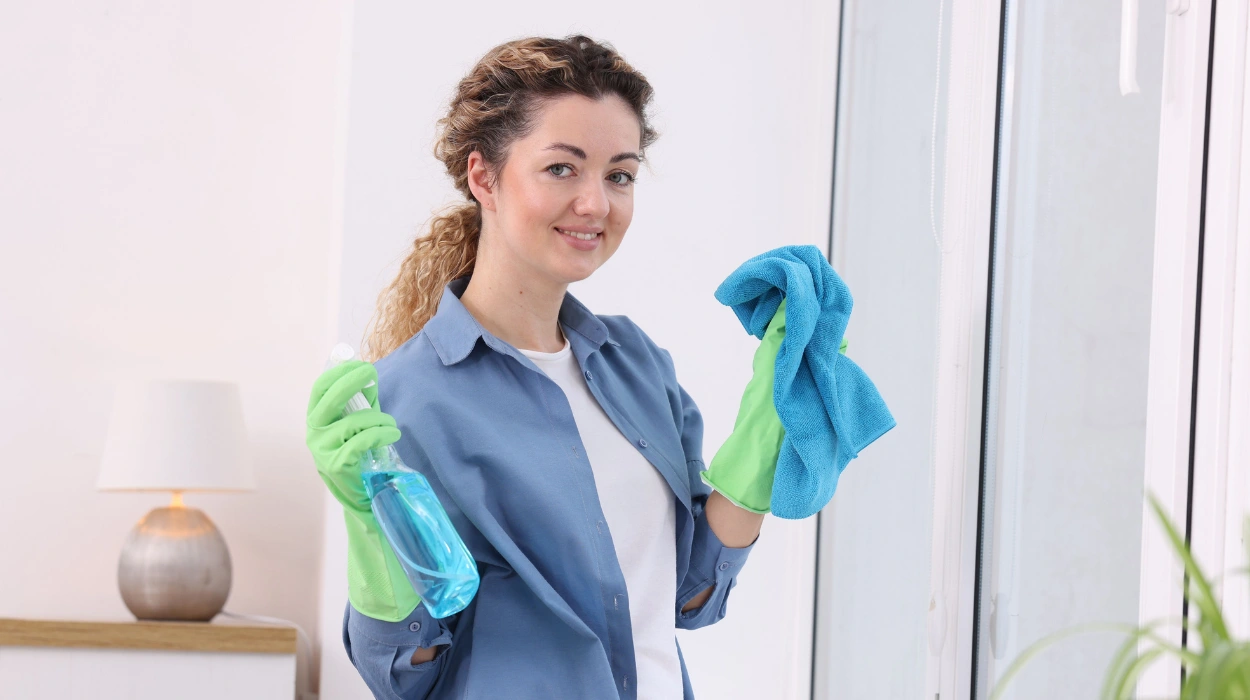
Antiviral sanitisation cleaning in oldham is a professional cleaning process designed to reduce harmful microorganisms on surfaces, shared equipment, and frequently touched areas inside commercial and residential properties. Unlike standard cleaning, which mainly removes dirt and visible debris, antiviral sanitisation focuses on disinfecting surfaces using approved cleaning agents that are formulated to target viruses and bacteria effectively. Businesses across Oldham increasingly use these services to maintain cleaner indoor environments for staff, visitors, and customers.
The process usually involves a structured cleaning plan that targets desks, door handles, washrooms, communal areas, reception counters, touchscreens, and high-traffic surfaces. Professional teams use commercial-grade disinfectants and equipment to reach difficult areas where contamination may spread quickly. Bee Cleaning Services Manchester provides Antiviral Sanitisation Services in Oldham for offices, retail premises, schools, and other commercial spaces requiring consistent hygiene management.
Why Antiviral Sanitisation Matters for Businesses
Businesses in Oldham operate in environments where employees and visitors regularly share workspaces, equipment, and facilities throughout the day. This constant interaction increases the possibility of bacteria and viruses spreading across frequently touched surfaces. Standard cleaning routines may improve appearance, but they do not always provide the level of disinfection needed for high-contact commercial environments.
Antiviral sanitisation helps businesses maintain a more controlled and hygienic workplace by using disinfectants that are specifically designed for microbial reduction. This process supports workplace cleanliness standards and can also help organisations maintain operational continuity during periods of increased illness transmission. Many offices, gyms, medical facilities, and retail units now include sanitisation within their regular property maintenance strategy.
Commercial environments with heavy foot traffic often require scheduled sanitisation to maintain hygiene consistency. Businesses that receive frequent visitors, deliveries, or customer interactions may benefit from ongoing disinfection planning rather than relying only on occasional deep cleans. Property managers in Oldham increasingly view professional sanitisation as part of overall facility management rather than an emergency-only service.
How Antiviral Sanitisation Actually Works
The antiviral sanitisation process starts with an inspection of the property to identify high-risk and high-contact areas. Cleaning professionals assess surfaces, room layouts, ventilation conditions, and operational usage patterns before deciding on the most suitable sanitisation method. This preparation stage allows cleaning teams to apply products correctly and safely throughout the building.
After the assessment, surfaces are cleaned to remove visible dust, grease, and debris that may reduce disinfectant effectiveness. Sanitising products work more efficiently when surfaces are physically clean beforehand. Professional cleaners then apply antiviral disinfectants using sprays, fogging systems, electrostatic equipment, or manual wiping methods depending on the environment and contamination level.
Many commercial cleaning providers use antiviral products that remain active on surfaces for a period after application. These products are commonly used on shared touchpoints such as keyboards, lift buttons, counters, chairs, and handles. Proper dwell time is important because disinfectants require sufficient contact time to break down harmful microorganisms effectively.
Ventilation and drying procedures are also important during sanitisation work. Cleaning professionals ensure treated areas are managed correctly before employees or visitors return to the space. Bee Cleaning Services Manchester follows structured cleaning procedures when delivering Antiviral Sanitisation Services in Oldham to support safe and effective treatment across commercial premises.
Key Areas Commonly Sanitised in Commercial Buildings
Every commercial building contains areas where contamination risk is naturally higher because of regular human contact throughout the working day. Shared spaces often become the primary focus during antiviral sanitisation because they experience continuous interaction from employees, contractors, and customers.
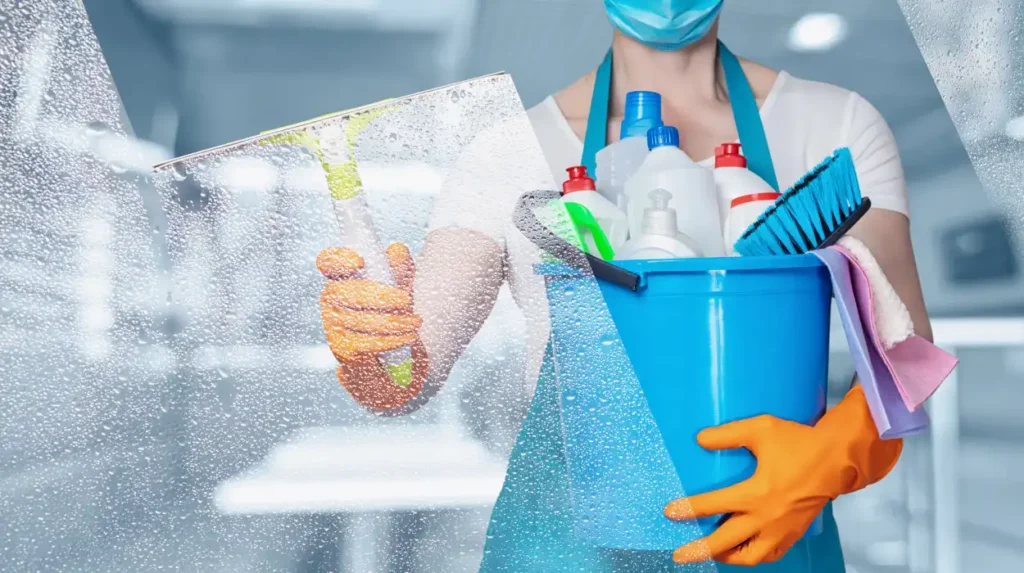
Reception desks, waiting rooms, meeting areas, washrooms, and kitchen facilities are commonly included within professional sanitisation programmes. Shared electronics such as printers, telephones, payment terminals, and touchscreen devices also require careful disinfecting because multiple users handle them regularly. These areas can quickly accumulate bacteria if cleaning schedules are inconsistent.
Washrooms and communal kitchens require additional attention because moisture and heavy usage create conditions where contamination may spread more easily. Sanitisation teams use suitable disinfectants for sinks, taps, toilet areas, countertops, and shared appliances to improve hygiene control across the workplace.
Industrial facilities and warehouses may also require antiviral treatment for machinery controls, storage equipment, break rooms, and delivery handling zones. Commercial cleaning providers adjust sanitisation methods according to the building type, operational requirements, and occupancy patterns to ensure practical and effective coverage.
Difference Between Standard Cleaning and Antiviral Sanitisation
Many people assume cleaning and sanitisation are identical processes, but they serve different purposes inside commercial properties. Standard cleaning mainly focuses on removing dirt, dust, stains, and surface debris to improve the appearance of a workplace or public environment. It is an important part of routine maintenance but does not always eliminate microorganisms effectively.
Antiviral sanitisation goes beyond visual cleaning by targeting bacteria and viruses through specialist disinfecting products and controlled application methods. The purpose is not only to clean surfaces but also to reduce microbial contamination in areas where people frequently interact throughout the day.
Professional sanitisation also involves greater attention to product selection, application timing, and coverage consistency. Cleaning teams follow structured procedures to ensure disinfectants remain on surfaces long enough to achieve effective results. This makes sanitisation more technical than general surface cleaning.
Businesses comparing routine cleaning schedules with disinfection planning often explore guidance about <a href=”https://beecleaningservices.co.uk/blogs/how-often-should-oldham-businesses-schedule-antiviral-sanitisation-services/”>recommended sanitisation frequency for commercial properties</a> before arranging ongoing services. Understanding this difference helps organisations select suitable hygiene solutions for their workplace environment.
Industries That Frequently Use Antiviral Sanitisation
Offices are among the most common workplaces using antiviral sanitisation because employees share desks, meeting rooms, washrooms, and kitchen areas throughout the day. Hybrid working patterns also mean multiple staff members may use the same equipment during different shifts, increasing contact exposure.
Healthcare settings such as clinics, dental practices, and care facilities also require regular sanitisation due to strict hygiene standards and public health responsibilities. Educational buildings including schools, nurseries, and training centres commonly arrange antiviral treatment during high-occupancy periods or seasonal illness outbreaks.
Retail environments and hospitality businesses often schedule sanitisation to manage customer-facing spaces effectively. Shopping areas, restaurants, hotels, and entertainment venues experience continuous public interaction, making consistent surface disinfection important for operational hygiene management.
Transport hubs, gyms, and manufacturing facilities may also require specialist sanitisation support depending on visitor numbers and operational activity. Businesses often integrate these services with broader <a href=”https://beecleaningservices.co.uk/services/antiviral-sanitisation-services-oldham/”>professional workplace sanitisation solutions</a> to maintain hygiene standards throughout the year.
How Often Should Sanitisation Be Scheduled?
The frequency of antiviral sanitisation depends on building usage, occupancy levels, industry type, and customer interaction volume. Busy commercial environments usually require more frequent disinfection because surfaces experience constant physical contact throughout the working day.
Some offices arrange weekly sanitisation while healthcare facilities, schools, and public venues may require more regular treatment schedules. During periods of increased illness transmission, businesses sometimes increase sanitisation frequency temporarily to maintain workplace hygiene consistency.
Cleaning schedules should also reflect operational patterns inside the building. Properties with rotating staff, shared workstations, or customer-facing operations generally benefit from planned sanitisation rather than occasional reactive cleaning. Professional providers assess these factors when recommending suitable maintenance intervals.
Businesses seeking urgent support often explore <a href=”https://beecleaningservices.co.uk/blogs/book-antiviral-sanitisation-services-in-oldham-same-day-response-available/”>same-day antiviral sanitisation booking options in Oldham</a> when rapid cleaning response is needed after contamination concerns or operational disruptions.
Equipment Used During Antiviral Sanitisation
Professional sanitisation providers use specialised equipment to improve disinfectant distribution and surface coverage throughout commercial properties. Different environments require different application methods depending on room size, occupancy, ventilation, and contamination risks.
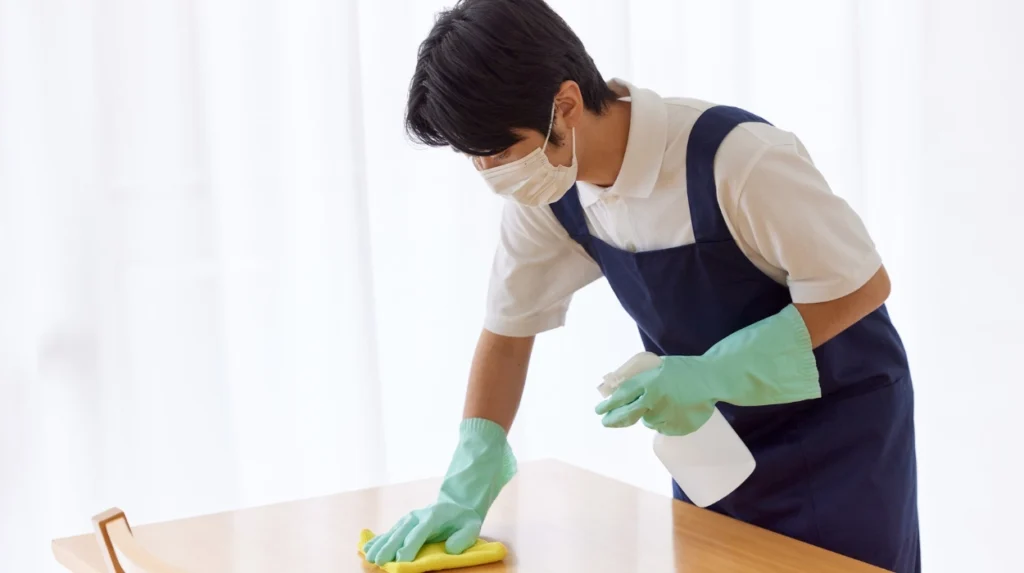
Electrostatic sprayers are commonly used because they distribute disinfectant evenly across surfaces, including difficult corners and irregular objects. Fogging systems may also be used in larger commercial environments where airborne application provides broader treatment coverage across shared areas.
Microfibre cloth systems and colour-coded cleaning materials help reduce cross-contamination during manual sanitisation work. Professional teams also use personal protective equipment and controlled handling procedures when applying concentrated disinfectants throughout occupied buildings.
The effectiveness of antiviral sanitisation depends not only on the products used but also on correct application methods and procedural consistency. Bee Cleaning Services Manchester uses commercial cleaning techniques suitable for different property types when delivering Antiviral Sanitisation Services in Oldham.
Related Cleaning Guides
- Are professional cleaning services worth booking
- Event venue cleaning and sanitisation
- Same-day event cleanup services
Importance of Professional Sanitisation Services
Professional sanitisation providers understand how different disinfectants interact with surfaces, materials, and environmental conditions. Incorrect product use or inconsistent application may reduce effectiveness and create unnecessary operational disruption for businesses.
Trained cleaning teams follow structured procedures that support safer application, controlled dwell times, and appropriate surface treatment methods. This level of planning is especially important in commercial buildings with sensitive equipment, public access areas, or high daily occupancy.
Professional sanitisation also supports compliance with workplace hygiene expectations and internal maintenance standards. Businesses often include sanitisation services within broader cleaning management strategies to maintain consistent operational cleanliness throughout the year.
Commercial cleaning providers can also adapt services according to changing business requirements, occupancy levels, and industry-specific hygiene concerns. This flexibility allows organisations to maintain practical cleaning routines without interrupting normal workplace operations unnecessarily.
Antiviral sanitisation Cleaning in oldham is a specialised cleaning process designed to reduce bacteria and viruses on high-contact surfaces across commercial and shared environments. The process combines professional disinfectants, structured cleaning methods, and targeted surface treatment to improve workplace hygiene standards in offices, retail units, schools, healthcare settings, and public facilities throughout Oldham.
Businesses increasingly use sanitisation services as part of long-term facility maintenance rather than temporary reactive cleaning. Bee Cleaning Services Manchester provides professional Antiviral Sanitisation Services in Oldham using practical cleaning procedures suitable for different property types, operational requirements, and workplace environments.
FAQs About Antiviral Sanitisation Cleaning in Oldham
Is antiviral sanitisation better than regular office cleaning?
Yes, antiviral sanitisation is more focused on reducing bacteria and viruses on high-touch surfaces. Regular cleaning mainly removes dust, dirt, and stains, while sanitisation uses professional disinfectants designed to target harmful microorganisms. Many businesses in Oldham use both services together for better workplace hygiene.
How long does antiviral sanitisation last in commercial buildings?
The effectiveness depends on foot traffic, surface contact, and workplace activity. In busy offices or retail spaces, surfaces can become contaminated again within hours through regular use. This is why many businesses schedule routine antiviral sanitisation services weekly or monthly.
Is fogging safe for offices and workplaces?
Professional fogging is generally safe when carried out by trained cleaning specialists using approved disinfectants. The area is usually ventilated properly after treatment before employees return. Businesses should always use experienced providers to ensure products are applied correctly and safely.
Which areas need antiviral sanitisation the most?
High-contact areas need the most attention because they are touched frequently throughout the day. These include door handles, desks, keyboards, reception counters, washrooms, kitchen areas, lift buttons, and shared equipment. Commercial sanitisation focuses on these areas to reduce contamination risks.
Do small businesses really need antiviral sanitisation services?
Small businesses can also benefit because shared workspaces still experience regular contact between staff and visitors. Offices, salons, cafés, and retail shops often have high-touch surfaces that require more than basic cleaning. Scheduled sanitisation helps maintain a cleaner and more hygienic working environment.