


Managing the heavy dust and fine particles left behind after a home renovation requires a systematic approach involving proper containment, specialized vacuuming, and targeted damp wiping. Homeowners should clear large debris safely, seal off unaffected rooms using heavy plastic sheeting, and utilize high-efficiency particulate air filtration to prevent toxic building residues from settling deep into their living spaces.
Property renovations bring incredible structural upgrades but they also generate an overwhelming volume of airborne microparticles that regular household equipment cannot easily manage. Left unaddressed, this fine silica and drywall dust moves through hallways, settles into soft furnishings, and compromises the indoor air quality of your family home for months. Navigating the cleanup process alone can feel like an endless battle against an invisible film that reappears hours after wiping. Many local property owners quickly realize that standard domestic vacuums simply recycle these dangerous particles back into the atmosphere instead of trapping them securely. Utilizing dedicated Construction Cleaning Services in Oldham Dust Removal Tips for Homeowners ensures that your living space returns to a healthy, pristine, and safe condition without damaging your expensive household appliances.
Understanding the Hidden Dangers of Post-Renovation Fine Dust
The debris produced during a building project is drastically different from standard household dust because it contains abrasive minerals and chemical residues. When builders cut drywall, sand plaster, or lay down fresh mortar, they release microscopic crystalline structures into the local indoor environment. These tiny particles have jagged edges that can permanently scratch delicate hardwood finishes, glass panels, and sensitive electronic components if wiped away using dry cloths. Breathing in these materials also poses a continuous respiratory risk to your family, making a meticulous decontamination strategy an absolute priority before moving back into the space. Without professional grade containment protocols, walking through the property stirs these elements up, allowing them to travel via natural drafts into clean bedrooms. Selecting an experienced local specialist ensures your structural investment is preserved while safeguarding the long term health of everyone living inside the newly renovated domestic property.
Step One Preparing Your Home for Systematic Particle Clearance
Before turning on any machinery, it is vital to establish a clear containment barrier to isolate the remodel zone from the rest of your house. Close all internal doors and use high quality masking tape to seal the gaps around the door frames leading into unaffected living areas. Turn off your central heating and ventilation systems completely because running fans will pull airborne grit directly into your ductwork, spreading pollution throughout the entire building. Open external windows within the work zone to encourage natural airflow to direct loose airborne material outside rather than letting it settle deeper indoors. Protect your permanent flooring paths by laying down durable sticky plastic runners or heavy drop cloths from the entrance to the cleanup area. Taking these initial structural precautions limits the eventual footprint of the mess and simplifies the detailed washing steps that follow later.
Step Two Deploying High Efficiency Filtration and Vacuum Equipment
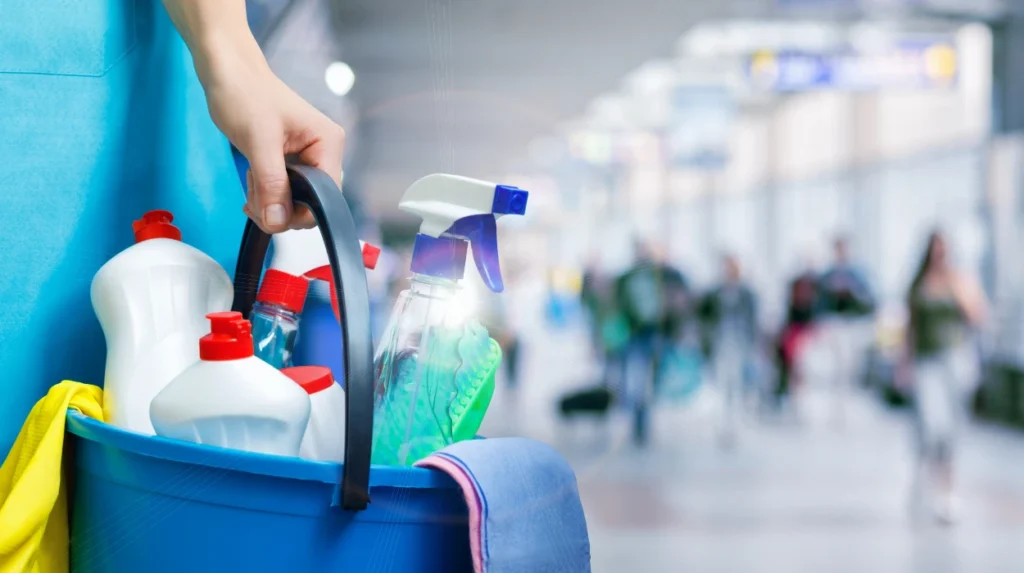
Standard domestic vacuum cleaners are fundamentally incapable of collecting renovation dust because their paper bags and standard filters possess wide pores. The fine white powder passes straight through the internal mechanics of a normal vacuum and shoots right back out through the exhaust vent. Homeowners must utilize an industrial wet and dry machine equipped with a certified high efficiency particulate air filter designed to capture microscopic material. Slow, deliberate strokes are necessary when vacuuming walls, ceiling joists, and floors to prevent creating sudden air currents that send settled particles flying back upward. Remember to replace the machine filters frequently during the process as they will become clogged quickly, reducing the suction power and straining the motor. For comprehensive results across complex spaces, integrating professional assistance from a specialized post-construction cleaning in Oldham ensures that every hidden structural crevice is completely emptied of fine particulate hazards.
Step Three The Advanced Damp Wiping Technique for Vertical Surfaces
Once the bulk of the loose material is vacuumed away, a thin, stubborn layer of static film will remain stuck to your walls, doors, and baseboards. Removing this residue requires a careful damp wiping technique using clean microfiber cloths that lift and lock away fine particles instead of smearing them around. Mix a mild, pH neutral liquid soap with warm water in a large bucket, making sure to wring out your cloth until it is barely damp before touching any surface. Wipe from the highest point of the ceiling down toward the floorboards using smooth, overlapping parallel lines rather than random circular motions. Rinse your cleaning cloths continuously and change the water bucket the moment it begins to look cloudy or opaque from the collected plaster powder. This disciplined top to down washing process prevents clean sections from getting contaminated again by falling debris as you work your way through the room.
Step Four Deep Cleansing Soft Furnishings and Domestic Ventilation Grills
Airborne construction remnants easily find their way into soft textiles, window curtains, carpets, and upholstered sofas located near the active building zone. These fibers act like giant filters, trapping fine grit that releases back into the air every single time someone sits down or walks across the room. Homeowners should thoroughly vacuum all fabric items multiple times using an upholstery attachment before executing a professional hot water extraction process. Unscrew all wall and ceiling ventilation grills completely to wash them in soapy water, and replace your central heating filters immediately to prevent circulating old dust. Wiping down the interior blades of ceiling fans and the tops of light fixtures is equally essential, as these forgotten zones hold hidden pockets of debris. Ensuring your ventilation pathways are pristine guarantees that the air circulating through your home remains crisp, clean, and entirely safe to breathe.
Why Professional Intervention Secures a Truly Safe Living Environment

While domestic efforts can remove the visible surface mess, microscopic particles frequently remain suspended in the air or trapped inside wall cavities for weeks. Professional teams bring heavy industrial air scrubbers, advanced extraction machinery, and specialized safety gear that completely eliminates building hazards from your domestic environment. Entrusting this complex task to specialists preserves your personal free time and protects your home finishes from accidental scratches caused by improper scrubbing methods. Experts understand how different building materials react to cleaning agents, ensuring your fresh paint, delicate tile grouting, and custom woodwork are treated with absolute care. For homeowners seeking a flawless transition from a chaotic building site to a beautiful, livable space, securing an accurate construction cleaning services cost breakdown allows you to plan a seamless, stress free restoration.
Successfully restoring your home after an extensive building project requires patience, the right equipment, and an understanding of how fine dust behaves inside a property. By executing structured containment, utilizing high efficiency vacuum filtration, and practicing systematic damp wiping, homeowners can significantly minimize the impact of construction dust. When the scale of the renovation demands industrial power and meticulous expertise, Bee Cleaning Services Manchester offers the ultimate solution. Our professional teams utilize advanced techniques and commercial grade extraction systems to ensure your home is completely free from hidden construction residues. Let our dedicated experts handle the heavy structural clearing so you can relax and truly enjoy your newly transformed living space in complete safety.
Frequently Asked Questions
How long does it take for renovation dust to settle completely after building work finishes?
Renovation particles are incredibly light and can remain suspended in the indoor air for several days after the builders leave the site. Heavy movement, drafts, or turning on your central heating system will keep these microparticles airborne, causing them to settle over a period of weeks. Utilizing industrial air scrubbers alongside continuous damp wiping is the most effective way to pull these floating hazards out of your domestic environment quickly.
Can I use my standard household vacuum cleaner to clear up plaster and drywall dust?
Using a normal domestic vacuum cleaner for building debris is highly discouraged because the fine powder will pass through standard bags and ruin the motor. Plaster dust is highly abrasive and will quickly clog internal filters, causing the machine to overheat and blow the fine material back into the room. It is always best to rent an industrial wet and dry vacuum or hire professionals who possess certified high efficiency filtration machinery.
What is the most effective way to clean walls without damaging fresh paintwork?
The safest method involves vacuuming the walls first using a soft brush attachment to remove loose, dry particles without dragging them across the surface. Next, use a thoroughly wrung out microfiber cloth dipped in warm water mixed with a few drops of mild, neutral dish soap. Always wipe gently from top to bottom in straight lines, rinsing your cloth frequently to avoid spreading a dull white film over the new paint.
How do I stop construction dust from spreading into the clean areas of my home?
You must isolate the active work zone completely by hanging heavy plastic sheeting over all open doorways and sealing the edges with masking tape. Keep windows inside the construction zone open to direct airborne particles outside, while keeping doors leading to the rest of the house tightly closed. Additionally, turn off your central ventilation system during the project to prevent the debris from traveling through the shared internal ductwork.
Why does a thin layer of white dust keep reappearing after I have wiped everything?
This common issue occurs because fine particles remain suspended in the air and gradually drop down onto surfaces over several hours. Dry dusting or sweeping simply flings the particles back into the air loop, creating an endless cycle of settling dust. To stop this, you must use damp microfiber cloths that trap the grit completely, or run a dedicated air purifier during the cleanup process.