

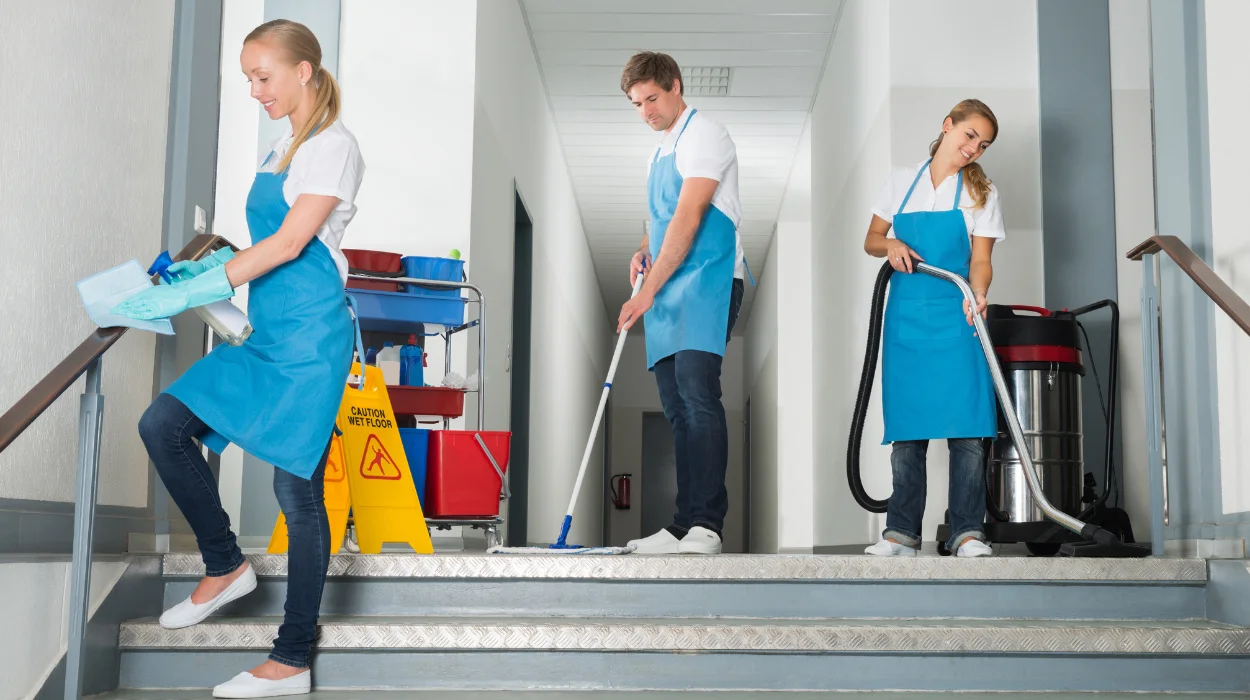
An after builders cleaning service typically costs between £15 and £25 per hour per cleaner, or ranges from £250 to £1,200 as a flat structural rate depending on your overall property size and build severity. Accurate baseline forecasting requires evaluating key variables like specialized industrial equipment requirements, waste volume levels, and fine particulate air scrubbing needs.
When finishing a property renovation, using an After Construction Cleaning Cost Calculator UK Guide is the most effective approach for preventing budget overruns. Managing post-build debris demands structured budgeting because standard domestic methods cannot eliminate fine silica particulate matter safely. Property owners must understand structural pricing tiers before scheduling premium Construction Cleaning Services in Oldham to restore indoor air quality.
Hiring professional teams ensures that your living space returns to a sanitary, habitable state while protecting sensitive materials from surface scratches. Settled plaster particles require specialized multi-phase vacuuming strategies that prevent industrial equipment components from clogging during intensive sanitization. Let us break down exactly how regional service teams establish transparent quotes for domestic and commercial projects.
Post-Renovation Cleaning Variables
The overall scale of your recent construction project directly influences final invoicing totals because structural dust migrates continuously through standard ventilation systems. Minor cosmetic updates generate localized debris, whereas major structural additions require deep clinical scrubbing across multiple vertical surfaces. Professional estimation guides balance square footage against the hours needed to strip protective films and lift heavy paint splatters safely.
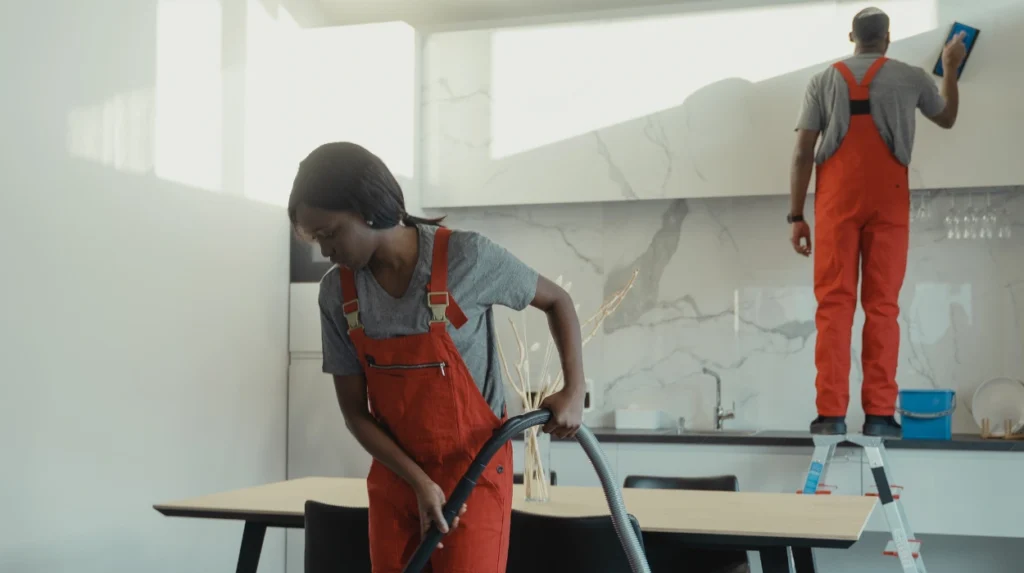
Geographic positioning affects pricing trends across different regions, with urban trade rates generally tracking higher due to congestion charges and operations overheads. For instance, booking professional Construction Cleaning Services in Oldham will reflect regional market rates tailored specifically to Greater Manchester infrastructure standards. Understanding these localized cost structures prevents unexpected price adjustments when specialized high-filtration vacuums are dispatched to your site.
Material sensitivity represents another core cost factor that professional site managers evaluate before applying heavy chemical solutions to custom installations. Delicate marble floors, architectural glass features, and bespoke matte finishes require non-abrasive neutral pH detergents to prevent irreversible chemical etching. Experienced cleaning crews factor the cost of these specialized premium formulations directly into your initial itemized cost calculations.
Average Expense Proportions for Property Restoration
Accurate budgeting relies on balancing physical labor hours against technical equipment allocation and chemical consumables consumption patterns. Large-scale structural remediation requires specialized high-filtration machinery to prevent fine silica particles from leaking back into newly painted environments. The table below outlines how modern cleaning organizations balance operational expenses to maintain transparent market rates.
Technical Cleaning Protocols and Equipment Standards
Residential property renovations often leave behind invisible hazards like airborne crystalline silica dust, which can irritate respiratory tracts if left untreated. Commercial teams use high-efficiency particulate air filtration vacuums designed to capture micro-particles down to 0.3 microns without exhausting dust back into rooms. This specialized medical-grade filtration process remains a key differentiator between standard house cleaning and industrial-grade property handovers.
Removing cured silicone smudges, heavy grout films, and structural adhesives from delicate glass surfaces requires skilled technicians using specialized tools. Improper scrape techniques can leave permanent scratches on expensive window frames, leading to costly replacements for the property owner. Professional teams use specialized chemical softening solvents and weighted safety scrapers to peel away resin bonds without damaging underlying substrates.
Deep ductwork extraction and internal ventilation cleaning are critical steps for preventing fine construction dust from cycling through properties long after projects finish. Air conditioning units draw in ambient plaster dust during active cutting phases, which can coat heating coils and trigger premature system failures. Incorporating ventilation scrubbing into your initial project planning helps preserve internal air handling machinery while keeping long-term maintenance costs predictable.
Maximizing Value and Ensuring Project Efficiency
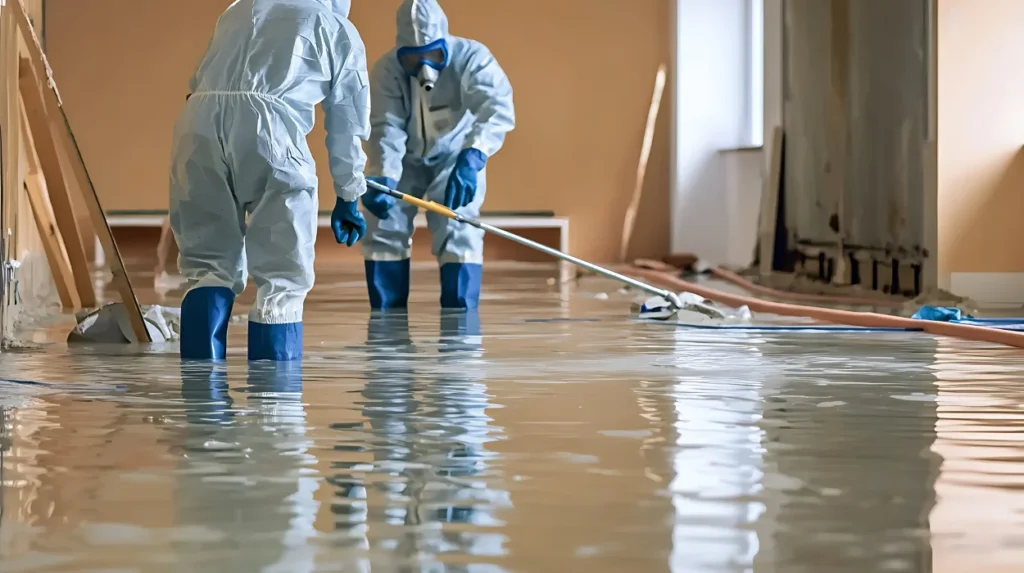
Property owners can optimize service efficiency by organizing trades effectively so that all painting and plumbing installations wrap up before cleaning crews arrive. Introducing cleaning teams to a site while active carpentry or grouting is underway leads to immediate re-contamination and higher labor costs. Securing a definitive sign-off from your primary building contractors prevents paying for secondary touch-up cleans after minor structural adjustments.
Providing clear access to utilities like running water, steady electrical connections, and dedicated on-site waste disposal zones helps streamline operational timelines. When cleaning crews must bring independent power generators or transport large volumes of heavy waste off-site, those logistical overheads are added to final invoices. Clearing leftover building materials from walkways before your team arrives ensures that technicians can focus immediately on detailed surface sanitation.
Reviewing a company’s insurance policies, specialized training certifications, and staff screening protocols provides long-term peace of mind during complex property turnkeys. Reputable operators provide transparent risk assessments and comprehensive liability cover to protect high-end fixtures from accidental surface damage during deep stain removal. Verifying these professional credentials upfront ensures your renovation investment remains protected by an experienced regional business.
Summarizing Professional Property Reoccupation
A successful post-construction transition requires moving systematically from heavy dust extraction to fine detailing so that every surface is safe for daily use. While managing project budgets can be demanding, investing in specialized cleaning methods prevents long-term finish degradation and maintains high indoor air quality. Working with experienced cleanup teams allows you to transform a chaotic job site into a polished, welcoming environment.
As an experienced provider of commercial and residential property restoration solutions, Bee Cleaning Services Manchester delivers comprehensive site remediation across the region. Their local teams specialize in balancing careful detailing with advanced technical methods, preparing newly built properties for immediate, comfortable handover. Choosing top-tier Construction Cleaning Services in Oldham ensures your space is handed over in a clean, pristine, and completely safe condition.
Frequently Asked Questions
How long after construction finishes should deep cleaning begin?
Deep cleaning should begin approximately 24 to 48 hours after all building contractors have completely vacated the site. This short window allows heavy airborne dust particles to fully settle onto solid surfaces, preventing immediate re-contamination after cleaning.
Can standard household vacuums handle post-renovation dust removal?
Standard domestic vacuums should not be used because fine plaster and silica dust will quickly clog household filters and damage motors. Professional teams use industrial-grade vacuums equipped with advanced filtration systems designed to capture microscopic particles safely.
Is window cleaning normally included in after builders rates?
Internal glass cleaning and basic frame wiping are standard features in most initial post-construction estimation frameworks. However, extensive external window cleaning involving high-access scaffolding or heavy adhesive scraping typically requires a separate service add-on.
What is the difference between a rough clean and a sparkle clean?
A rough clean focuses on removing heavy debris, large construction materials, and initial dust layers right after building work wraps up. A sparkle clean is the final detailing phase that polishes surfaces, chrome fixtures, and glass to prepare the property for immediate handover.
How do professional teams remove stubborn paint splatters from hardwood floors?
Technicians use specialized pH-neutral softening solvents combined with non-abrasive manual tools to lift dried paint splatters safely. This careful approach breaks chemical bonds without damaging delicate protective seals or scratching the underlying hardwood grain.