
A neglected workspace directly degrades staff cognitive focus, triggers high rates of short-term sickness absence, and lowers overall operational output. Implementing a strategic, professional commercial maintenance schedule resolves these hidden structural vulnerabilities while fostering a healthy, high-performance professional environment.
The Invisible Threat of Poor Indoor Air Quality and Airborne Irritants
Unseen atmospheric particles constantly accumulate within commercial properties, quietly degrading physical wellness and operational focus. When HVAC ventilation systems and deep surfaces are neglected, they turn into active reservoirs for dust mites, pollen, fungal spores, and synthetic fibers. Employees spending eight or more hours daily in these spaces continuously inhale these fine particles, which triggers low-grade respiratory irritation, chronic throat dryness, and persistent sinus pressure. This micro-environment forces the human immune system to remain in a state of low-level activation, gradually causing physical fatigue and breaking down cognitive focus over time.
Beyond standard respiratory discomfort, poor indoor air quality is a primary contributor to cognitive decline during complex administrative tasks. When fine particulate matter remains trapped in unventilated or poorly vacuumed spaces, carbon dioxide levels and allergen densities rise together. This combination causes frequent, low-level headaches, subtle eye strain, and general mental lethargy among personnel. Staff members rarely attribute these minor, daily symptoms to their physical surroundings, yet the cumulative toll significantly reduces daily processing speeds and accuracy. Professional janitorial maintenance targets these deep reservoirs, removing trapped matter from fabrics and ventilation points before it alters the ambient air.
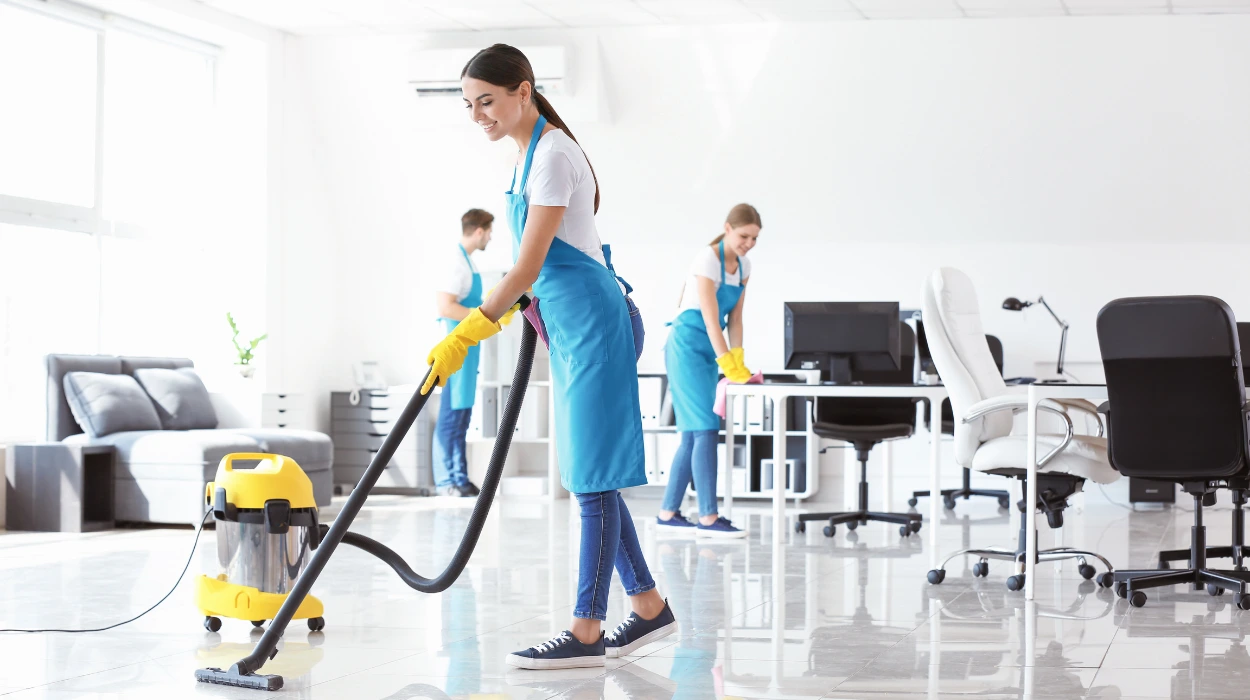
To address these airborne challenges effectively, specialized equipment must be deployed systematically across all communal zones and separate workspaces. Standard domestic vacuums lack the filtration power to trap microscopic allergens, often venting ultra-fine dust back into the breathing zone. Using professional commercial cleaning-equipment ensures that micro-particles are fully captured and locked away from the office environment. High-efficiency particulate air filtration systems, heavy-duty carpet extractors, and specialized hard-surface sanitizers remove deeply embedded contaminants that regular dusting leaves behind. Investing in these systematic processes establishes a stable baseline of hygiene that supports respiratory health and maintains sharp cognitive stamina.
Microbial Hotspots and the Real Cost of Workplace Absenteeism
Shared office equipment and high-traffic communal zones serve as primary vectors for cross-contamination and viral transmission. Shared keyboards, kitchen appliances, breakroom counters, and meeting tables collect microscopic pathogens from hundreds of physical interactions every single day. If these multi-user contact points are not disinfected regularly, common cold and flu viruses can survive on them for days at a time. When employees interact with these contaminated surfaces and then touch their faces, eyes, or food, pathogens spread quickly through the entire workforce. This invisible chain of transmission can disrupt whole departments within a single week.
The financial reality of preventable staff sickness shows up clearly in annual operational metrics and increased overhead costs. When a workspace lacks a strict sanitisation routine, short-term absenteeism rises, forcing remaining staff to absorb extra workloads. This sudden shift strains project timelines, causes missed corporate deadlines, and creates widespread burnout among the remaining team members. The indirect costs of low morale and dropped service quality often exceed the direct cost of paid sick leave. Addressing surface-borne microbes through a structured approach directly protects your operational capacity and keeps daily business processes moving predictably.
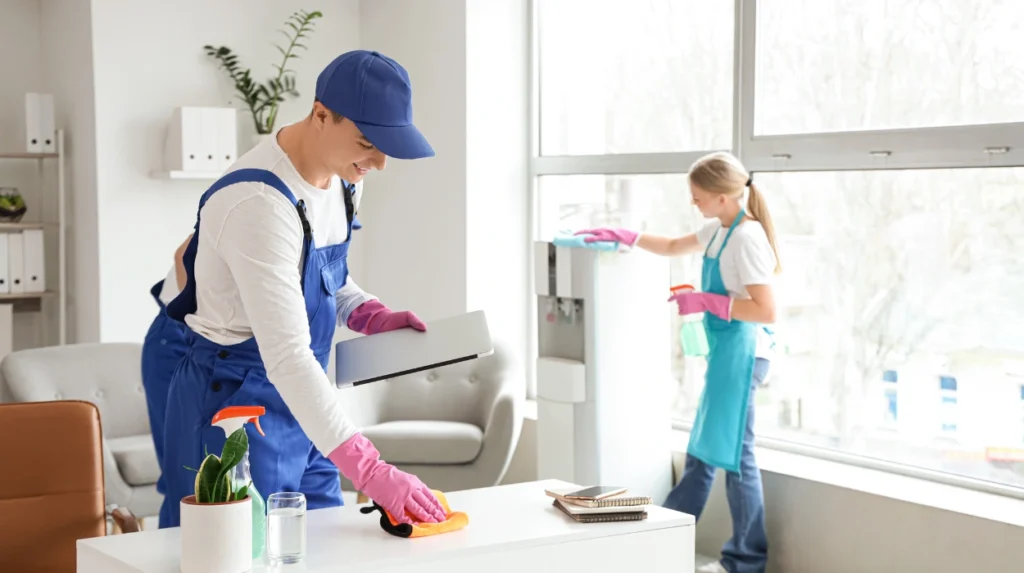
Managing these operational risks requires a dependable partnership with experienced commercial sanitisation teams who understand local corporate requirements. Securing professional Office Cleaning Services in Oldham allows local business owners to systematically disinfect high-risk surface vectors using hospital-grade chemicals. Professional teams clean using precise techniques that prevent cross-contamination across different departments, desks, and shared breakout spaces. This protective maintenance strategy breaks the cycle of viral transmission, lowers annual sick days, and lets business leaders focus on growth instead of managing constant staff shortages.
Cognitive Load and the Psychological Impact of Physical Disorganisation
The visual condition of a corporate environment shapes the underlying psychological framework and focus of the workforce. When communal areas, individual desks, and filing zones accumulate unmanaged clutter and visible dust, they create constant, subtle distractions. The human visual system naturally processes its entire surroundings, meaning messy spaces put an extra, ongoing load on working memory. This subtle cognitive friction leaves employees with less mental energy for complex problem-solving, detailed analytical tasks, and long-term creative projects. Over time, working in a cluttered space increases mistake rates and extends the time needed to complete standard tasks.
Beyond slowing down daily work, visible mess and untidy spaces trigger a gradual rise in workplace stress and professional anxiety. Working in a messy environment signals a lack of control and structure, which can make employees feel chaotic or ungrounded. This subtle stress elevates cortisol levels, making staff less resilient when handling typical workplace challenges or tight project deadlines. When an office looks neglected, team members often feel their daily efforts are undervalued, which reduces their pride in their work. Transforming an office into a clean, structured space reduces mental fatigue and helps teams stay calm, focused, and productive.
Choosing the right maintenance frequency is essential to preventing visual clutter and surface grime from building up in the workspace. Companies often struggle to find the right balance between minimal maintenance and deep, detailed cleanings. Reading about Daily vs Weekly Office Cleaning Contracts: Which Is Right for Your Business provides practical insights into setting up a cleaning schedule that matches your specific foot traffic and layout. Matching your cleaning schedule to your actual operational needs ensures visual distractions are removed before they hurt staff focus, keeping the workspace crisp and professional.
Professional Brand Preservation and Client Trust
A physical corporate environment functions as a direct, tangible representation of a business’s operational standards and core values. When clients, prospective investors, or regulatory auditors walk into an office, they evaluate the brand within the first few seconds. Visible carpet stains, dusty surfaces, and unpolished entryways suggest a general lack of attention to detail that people assume extends to your services. No matter how strong your market reputation is, an untidy facility can undermine client confidence and make them question your professionalism. Ensuring your physical workspace is immaculate protects your brand and shows clients you value quality in everything you do.
Maintaining an excellent corporate image requires a consistent, proactive approach to facilities management that keeps every area client-ready. Clean meeting rooms, spotless glass partitions, and fresh communal spaces show visitors that your business operates with discipline and pride. This polished presentation builds confidence during high-stakes contract discussions, client pitches, and board meetings, reinforcing your position as a premium provider. A clean workspace also lifts employee morale, as staff feel more confident representing a brand that takes its workplace standards seriously. Investing in regular maintenance shows everyone that your company is committed to excellence.
To maintain this pristine standard of presentation, businesses require dependable commercial cleaning partners who understand local professional expectations. Working with Trusted Office Cleaners in Oldham for Small and Medium Offices gives local businesses access to dedicated teams who keep workspaces looking flawless. Professional cleaners use detailed checklists to ensure that entryways, meeting areas, and individual workstations stay perfectly polished. Delegating these complex maintenance tasks to an experienced local team helps businesses maintain an elite professional image that turns first impressions into long-term client relationships.
Establishing Sustainable Workplace Standards
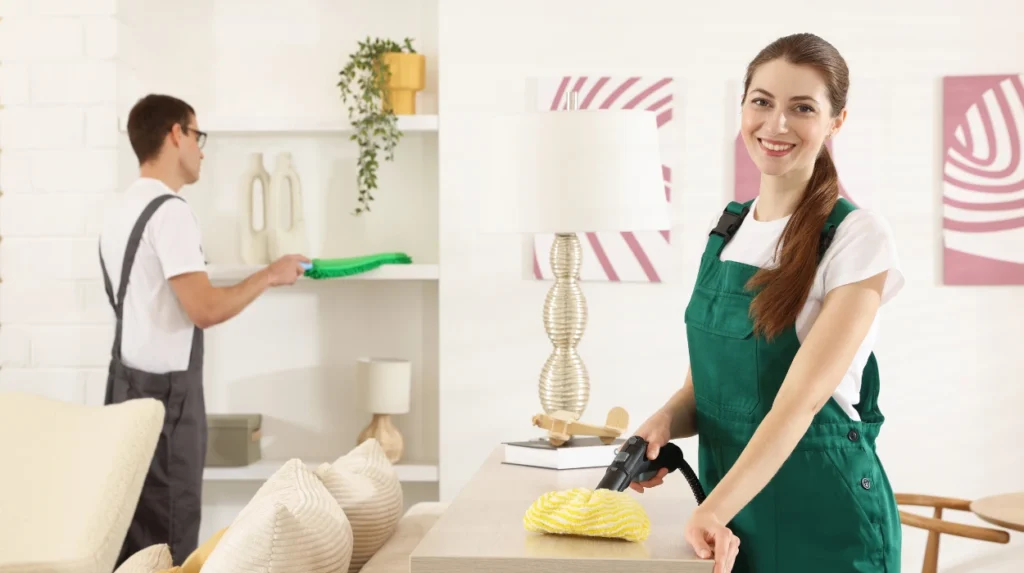
A healthy, productive office requires a reliable maintenance strategy that targets both hidden allergens and high-touch surface areas. Leaving cleaning duties to office staff often leads to inconsistent results, increased internal friction, and unaddressed hygiene issues. True workplace health comes from an organized, professional routine that uses proper commercial tools and specialized techniques. By using advanced equipment and structured methods, businesses can turn a neglected office into a vibrant, high-performing corporate workspace.
Partnering with a dedicated local provider ensures your commercial property receives consistent care tailored to your daily operations. Bee Cleaning Services Manchester offers comprehensive, professional maintenance strategies that resolve the unique challenges of modern commercial facilities. Their experienced teams use advanced systems to improve indoor air quality, eliminate surface bacteria, and maintain pristine, clutter-free workspaces. Investing in a professional cleaning routine protects your workforce’s health, clarifies cognitive focus, and creates a thriving business environment.
Frequently Asked Questions
How does a dirty office increase annual business overheads?
A neglected office environment drives up operational costs primarily by increasing employee sick leave and reducing daily processing efficiency. When surface allergens and pathogens are left to multiply unchecked, the resulting cross-contamination causes frequent, preventable short-term staff absences.
Which areas of a commercial office harbor the most bacteria?
The highest densities of bacteria are consistently found on high-touch shared surfaces like keyboards, mouse devices, refrigerator handles, and water dispensers. Because multiple people interact with these items throughout the day, they rapidly collect skin oils, food debris, and microbial pathogens. Soft surfaces like desk chairs and carpets also trap dust, moisture, and outdoor contaminants, creating breeding grounds for deep fungal spores
Can poor workspace hygiene affect long-term staff retention?
Yes, a poorly maintained workspace significantly reduces long-term staff retention by lowering daily workplace morale and increasing chronic stress. Employees who spend their days in dusty, cluttered, or unhygienic environments often feel that their health and comfort are disregarded by management.
What is the difference between standard office dusting and deep sanitisation?
Standard dusting simply moves loose, visible surface dust around, whereas deep sanitisation completely removes microscopic pathogens and embedded allergens. True commercial sanitisation uses hospital-grade disinfectants, color-coded microfiber materials, and heavy-duty extraction tools to thoroughly clean both hard and soft surfaces.