


The choice between Daily vs Weekly Office Cleaning Contracts depends entirely on your foot traffic, business size, and specific hygiene standards. Daily cleaning is essential for high-traffic environments needing constant sanitation, while weekly schedules suit smaller teams with lower footfall. Finding the exact balance requires a careful assessment of how your workspace operates on an everyday basis. Maintaining a professional environment is crucial for both employee morale and the impressions of visiting clients. Facility managers must weigh the continuous upkeep of communal areas against the budgetary allocations required for frequent service visits. An optimal sanitation schedule prevents the buildup of dust and bacteria that can negatively impact the health of your workforce. Establishing a clear baseline for cleanliness allows decision makers to implement a routine that supports seamless business operations without unnecessary interruptions.
Understanding the fundamental differences between these service intervals is the first step in optimizing your facility management strategy. A daily service generally focuses on the immediate removal of waste, the sanitation of high-touch surfaces, and the maintenance of heavily utilized areas like restrooms and kitchens. In contrast, a weekly service often involves a more comprehensive approach that tackles accumulated dirt, requiring specific cleaning-equipment to restore the premises to a pristine condition. Companies with large workforces operating in open-plan spaces naturally generate more waste and surface contamination. These environments demand rapid, consistent interventions to prevent hygiene standards from slipping below acceptable levels. Conversely, smaller boutique firms or offices operating on hybrid work models may find that their environment simply does not degrade fast enough to warrant everyday attention.
The correlation between workplace cleanliness and staff efficiency is a critical factor that extends far beyond simple aesthetics. When business owners begin understanding the impact of workplace hygiene on staff performance, they often realize that environmental conditions directly influence cognitive function and focus. Dust accumulation and poor indoor air quality can trigger respiratory issues and allergies among staff members. By maintaining a rigorous sanitation schedule, organizations actively reduce the transmission of common pathogens that lead to increased absenteeism. A well-maintained workspace also communicates a sense of order and respect to the employees who spend a significant portion of their lives within those walls. This psychological benefit translates into higher job satisfaction and a stronger commitment to maintaining the shared corporate environment.
Evaluating the Logistics of Frequent Sanitation

Implementing an everyday maintenance routine requires precise logistical coordination to ensure that the work does not disrupt core business activities. Professional teams typically operate outside of standard business hours, utilizing advanced cleaning-equipment to achieve maximum efficiency in a minimal timeframe. This frequency ensures that communal resources such as coffee stations, breakrooms, and shared printing areas remain perpetually ready for use. Daily attention effectively eliminates the gradual decline in cleanliness that often occurs by the middle of the week in busy corporate environments. Furthermore, consistent surface disinfection plays a pivotal role in interrupting the chain of infection during peak cold and flu seasons. Organizations that prioritize this level of care frequently observe a tangible stabilization in employee attendance records.
While the advantages of everyday intervention are clear for large enterprises, it is equally important to acknowledge the financial commitment required. Budgetary constraints often force facility managers to closely analyze the return on investment associated with intensive maintenance contracts. However, the continuous preservation of flooring, carpets, and office furniture can actually extend the lifespan of these costly assets. Dirt and grit act as abrasives on synthetic fibers and hard surfaces, accelerating wear and tear when left unattended for extended periods. By investing in frequent maintenance, businesses mitigate the need for premature replacements and expensive restorative interventions down the line. Therefore, the higher upfront cost of daily service can often be justified by the long-term preservation of the physical workspace.
Strategic Implementation of Less Frequent Services
For many organizations, an everyday service model is simply unnecessary and represents an inefficient allocation of operational funds. Weekly intervals provide a highly effective solution for spaces with minimal daily foot traffic or those implementing flexible remote working policies. Under this model, professionals conduct a thorough reset of the environment, addressing all core areas with methodical precision. Because the team is not rushed to complete immediate daily turnovers, they can focus on detailed tasks such as comprehensive vacuuming and deep surface polishing. This approach relies on employees maintaining a basic level of tidiness throughout the week, such as managing their personal desk waste. When supported by a responsible corporate culture, a weekly schedule maintains excellent environmental standards without excessive expenditure.
The success of a less frequent maintenance strategy relies heavily on the quality of the service provider and the tools they deploy. Reputable agencies utilize industrial-grade cleaning-equipment that extracts deeply embedded dirt, ensuring the space remains hygienic long after the team has departed. Selecting the right provider is paramount, and many companies find success by partnering with verified commercial cleaners for medium enterprises to ensure consistent quality. A tailored weekly service should adapt to the specific architectural features and material finishes of your building. This flexibility allows the cleaning crew to rotate focus areas, perhaps deep cleaning the boardroom one week and focusing heavily on the reception upholstery the next. By adopting a dynamic approach to weekly maintenance, businesses can achieve a consistently high standard that rivals more frequent service models.
Balancing Budgets with Facility Requirements
Financial oversight is a primary responsibility for any operations manager, and hygiene services represent a fixed ongoing operational cost. Comparing the pricing structures of different service frequencies requires a comprehensive look at the specific tasks included in each contract. Daily services inherently carry higher labor costs due to the sheer volume of hours dedicated to the facility each month. However, weekly services often require more intensive labor per visit, as the team must remediate multiple days of accumulated usage. Businesses must calculate the true cost of neglected maintenance, including the potential loss of client confidence if the reception area appears unkempt. A transparent dialogue with your service provider will help identify the most cost-effective approach that does not compromise on essential hygiene standards.
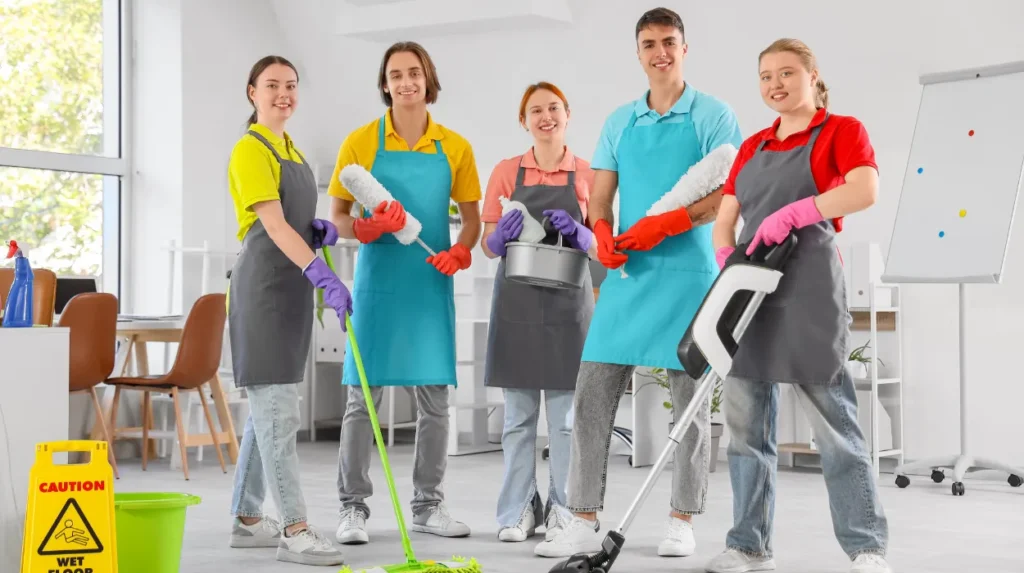
It is highly recommended to start with a baseline assessment of your current environmental degradation rate. Monitor how quickly waste bins reach capacity, how soon restroom supplies are depleted, and how fast dust settles on visible surfaces. If your facility shows significant signs of disarray within forty-eight hours, an everyday schedule is likely necessary to maintain basic operational standards. Conversely, if the environment remains relatively pristine by Thursday afternoon, a single comprehensive weekly visit will suffice. Bee Cleaning Services Manchester often advises clients to remain flexible, occasionally adjusting their contracts to accommodate seasonal changes or temporary increases in staff density. This adaptable mindset ensures that your operational budget is always aligned with the actual physical demands of your corporate environment.
Finalizing Your Maintenance Strategy
Transitioning between different service frequencies should be a seamless process managed through open communication with your chosen professionals. If upgrading to a daily schedule, establish clear protocols regarding building access, security alarms, and specific areas that require delicate handling. If scaling back to a weekly routine, implement internal guidelines encouraging staff to take ownership of their immediate desk areas. Providing accessible sanitizing wipes and clearly marked recycling stations can significantly reduce the burden on your professional cleaning crew. A successful maintenance strategy is ultimately a collaborative effort between the occupants of the building and the experts hired to maintain it. Clear expectations and regular quality audits will ensure the contract continues to serve the evolving needs of your business.
Making the final decision requires a careful synthesis of your budget, employee headcount, and corporate image objectives. There is no universal solution, but an informed choice will predictably enhance the safety and functionality of your workplace. If you are seeking securing reliable workplace sanitation, it is vital to evaluate the specific demands of your sector. By thoroughly analyzing these variables, management can implement a robust infrastructure that supports long-term commercial success. A clean facility is a silent contributor to productivity, reflecting a fundamental respect for the people who drive your business forward. Bee Cleaning Services Manchester specializes in designing tailored maintenance programs, ensuring that whether you choose a daily or weekly frequency, your environment is supported by industry-leading standards and reliable execution. Furthermore, establishing a consistent regimen for Office Cleaning Services in Oldham provides local businesses with the foundational hygiene necessary to thrive in competitive markets. By prioritizing these elements, you secure a healthier, more vibrant future for your entire organization.
Frequently Asked Questions
What factors determine if I need daily cleaning?
The primary factors include your total employee headcount, the volume of visiting clients, and the nature of your business operations. High-traffic environments, medical facilities, and large corporate headquarters typically generate enough daily waste and surface contamination to require everyday sanitation.
Can a weekly schedule maintain a hygienic environment?
Yes, a weekly schedule is highly effective for smaller teams, private offices, or businesses operating with hybrid remote workers. It relies on the staff maintaining basic tidiness, allowing the professional cleaners to focus on deep sanitization and comprehensive floor care during their visit.
Does frequent maintenance extend the life of carpets?
Consistent removal of dirt and abrasive particles prevents them from grinding into carpet fibers and hard flooring surfaces. Regular vacuuming and hard floor maintenance protect these assets from premature deterioration, ultimately saving the company money on early replacements.
How do I switch my current contract frequency?
You should begin by reviewing your existing service agreement for any required notice periods regarding contract modifications. Next, consult with your service provider to conduct a fresh site audit, ensuring the new proposed frequency aligns perfectly with your current operational needs.
Are eco-friendly products effective for commercial spaces?
Modern environmentally friendly cleaning solutions are rigorously tested and proven to be just as effective as traditional harsh chemicals. They provide excellent sanitation while significantly improving indoor air quality, which is especially beneficial in sealed, climate-controlled corporate environments.