

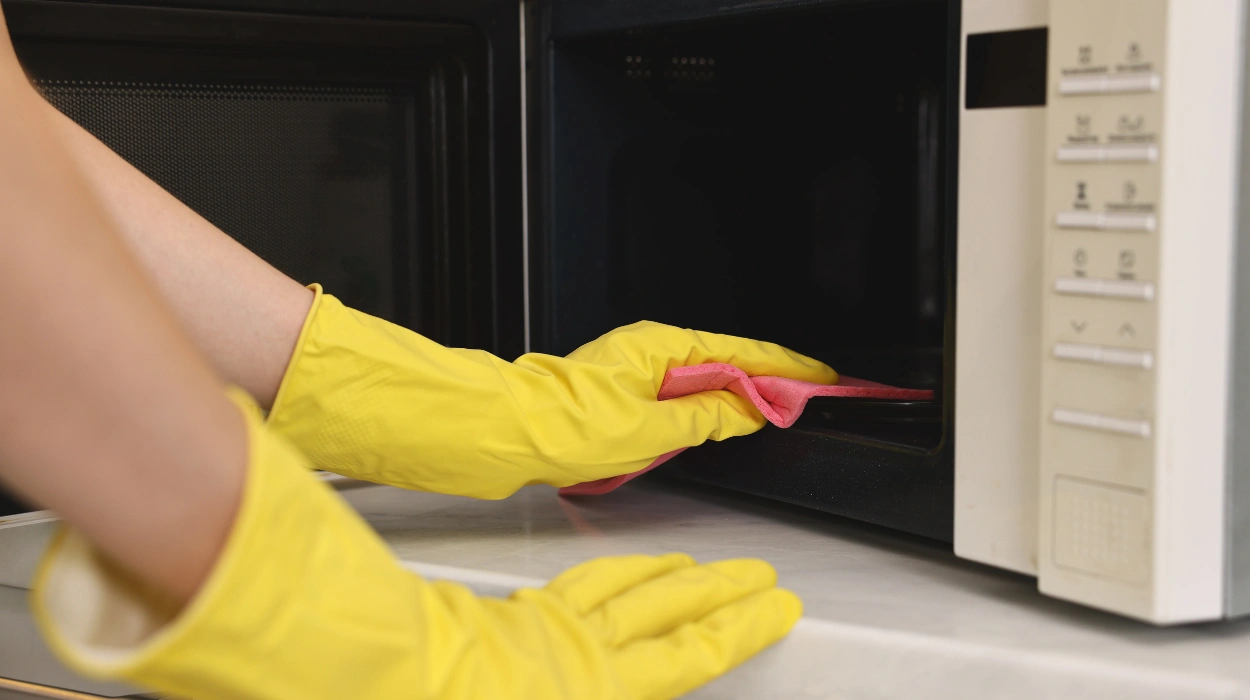
In most cases, professional oven cleaning delivers deeper results, removes stubborn carbon deposits more effectively, and reduces the risk of damaging oven components.
DIY methods can improve light grease buildup, but heavily used ovens often require specialist tools, cleaning-equipment, and professional techniques to restore performance and hygiene.
Why Oven Cleaning Matters More Than Most Homeowners Think
DIY Oven Cleaning vs Professional Service: What Actually Works? The answer starts with understanding why regular oven maintenance matters. Every time food is cooked, grease particles, fats, and food residues accumulate on internal surfaces. Over time, these deposits harden into carbonized layers that become difficult to remove with household products. A dirty oven can produce unpleasant smells, excess smoke, and inconsistent cooking temperatures. In severe cases, accumulated grease may even increase fire risks. Regular cleaning helps maintain appliance efficiency, cooking quality, and kitchen hygiene.
Many homeowners postpone oven cleaning because it is one of the most demanding household tasks. Unlike wiping kitchen counters, oven cleaning requires dealing with baked-on grime that has been exposed to high temperatures repeatedly. This is where the debate between DIY cleaning and professional services becomes important. Understanding the strengths and limitations of each option helps homeowners make informed decisions.
How DIY Oven Cleaning Typically Works
DIY oven cleaning usually involves supermarket degreasers, baking soda solutions, vinegar mixtures, or self-cleaning oven functions. These methods can be effective when grease buildup is relatively light and cleaning is performed regularly. Many homeowners prefer DIY solutions because they appear cost-effective and can be completed without booking a service.
The process generally includes removing oven racks, applying cleaning products, allowing them to soak, and scrubbing away loosened residue. While this sounds straightforward, hardened carbon deposits often require significant physical effort. Some areas such as door seals, fan covers, heating elements, and internal corners remain difficult to access using standard household tools. As a result, visible improvement may occur without achieving a truly deep clean.
Common Advantages of DIY Cleaning
DIY cleaning offers flexibility because homeowners can choose when to clean their ovens. There is no need to schedule appointments or wait for technician availability. For ovens with minimal residue, household cleaning products can often restore acceptable cleanliness. DIY methods also allow people to control which products are used inside their appliances, which some households prefer for environmental reasons.
Cost is another reason many people choose DIY cleaning. Purchasing cleaning supplies generally costs less than booking a professional visit. For homeowners who maintain their ovens frequently, regular DIY upkeep may prevent severe contamination from developing. However, the effectiveness of this approach depends heavily on consistency and effort.
Common Limitations of DIY Cleaning
The biggest challenge with DIY cleaning is removing baked-on carbon deposits. These layers can resist standard cleaning products even after extended soaking periods. Scrubbing aggressively may damage enamel coatings, glass panels, or protective surfaces. Some chemical cleaners also produce strong fumes that require extensive ventilation.
Another limitation is time. Thorough DIY cleaning can consume several hours, especially when oven racks, trays, and internal surfaces require separate treatment. Many homeowners underestimate the effort involved and stop before achieving a complete clean. This leaves hidden grease deposits behind that continue to accumulate over time.
What Professional Oven Cleaning Services Do Differently
Professional oven cleaning services use specialist methods designed specifically for heavy grease and carbon removal. Technicians typically dismantle removable oven components and clean them using advanced cleaning-equipment and professional-grade solutions. This process allows deeper access to areas that are difficult to reach through DIY methods.
Specialists understand how different oven models are constructed and how various materials respond to cleaning treatments. This knowledge reduces the likelihood of accidental damage. Professional cleaning also focuses on restoring appearance, improving hygiene, and supporting appliance performance rather than simply removing visible dirt.
Homeowners researching professional oven cleaning solutions in Oldham can learn more about available service options here:
https://beecleaningservices.co.uk/blogs/affordable-oven-cleaning-in-oldham-free-quote-no-hidden-charges/
Comparing Cleaning Results
Surface Appearance
DIY cleaning often improves visible surfaces but may leave stubborn staining and carbon deposits behind. Professional cleaning generally restores a cleaner, brighter appearance because specialist products break down contaminants more effectively. Glass doors, racks, trays, and internal panels usually show a noticeable difference after professional treatment.
Removal of Burnt-On Residue
Burnt-on residue is where professional services usually outperform DIY methods. Carbon buildup forms through repeated exposure to high temperatures and becomes increasingly resistant over time. Professional cleaning solutions are designed to dissolve these deposits without excessive scrubbing. This helps achieve a deeper clean while protecting oven surfaces.
Hygiene Standards
Although DIY cleaning can remove visible dirt, hidden grease often remains in difficult-to-access locations. Professional cleaning targets these overlooked areas, helping reduce odors and improve overall kitchen hygiene. This is particularly beneficial for households that cook frequently or use ovens daily.
Time Investment: DIY vs Professional Cleaning
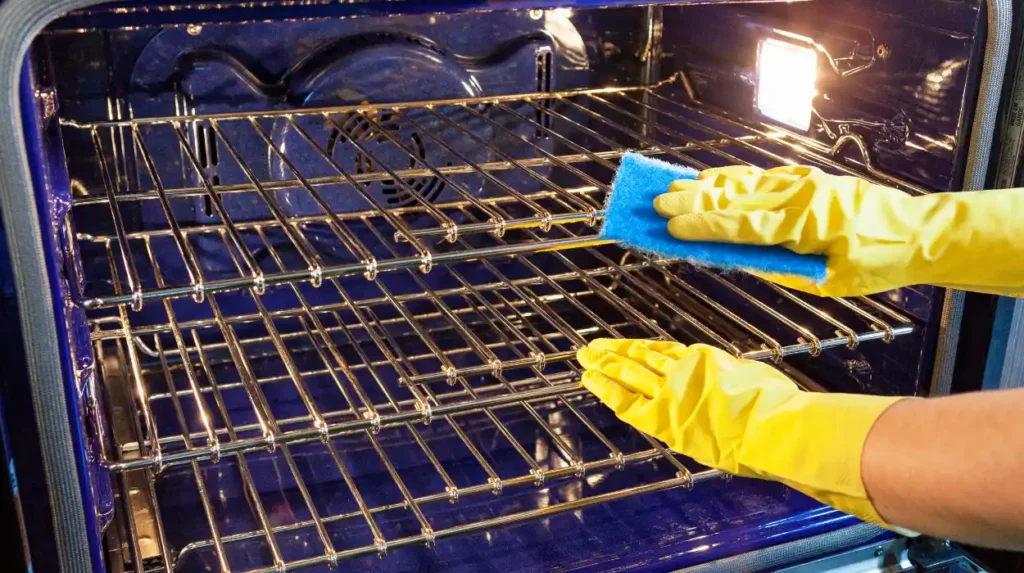
Time is one of the most overlooked factors when comparing cleaning methods. A homeowner may spend several hours applying products, waiting for soaking periods, scrubbing surfaces, and cleaning accessories. Additional time may be needed to remove chemical odors before using the oven again.
Professional services are generally more efficient because technicians follow established procedures and use specialized equipment. What may take a homeowner half a day can often be completed significantly faster by trained professionals. This makes professional cleaning attractive for busy households seeking convenience alongside results.
Safety Considerations Every Homeowner Should Know
Safety should always be part of the decision-making process. Many DIY oven cleaners contain strong chemicals that can irritate skin, eyes, and respiratory systems if used incorrectly. Improper mixing of cleaning agents may also create harmful fumes. Adequate ventilation and protective equipment are important when using these products.
Professional cleaners are trained to handle cleaning chemicals safely and understand appropriate application techniques. They also know how to clean sensitive components without damaging electrical systems or heating elements. This expertise reduces risks associated with both chemical exposure and appliance damage.
Which Option Is More Cost Effective?
At first glance, DIY cleaning appears cheaper because only cleaning supplies need to be purchased. However, cost effectiveness should also consider time investment, cleaning quality, and potential repair expenses caused by accidental damage. Repeated DIY attempts may eventually cost more if professional intervention is still required afterward.
Professional oven cleaning represents a larger upfront expense but often delivers longer-lasting results. Because deeper cleaning removes more contamination, ovens may remain cleaner for longer periods. For many homeowners, the combination of convenience, effectiveness, and reduced effort provides strong overall value.
When DIY Cleaning Is Usually Enough
DIY cleaning may be suitable when ovens are cleaned frequently and grease accumulation remains relatively light. Households that cook occasionally and maintain regular cleaning schedules often achieve acceptable results with household products. Light maintenance between professional visits can also help preserve cleanliness.
Homeowners looking for guidance before hiring specialists may find useful information in this article about questions to ask before booking an oven cleaner.
When Professional Cleaning Is the Better Choice
Professional cleaning becomes particularly valuable when grease buildup is extensive, odors persist, smoke appears during cooking, or oven glass has become heavily stained. It is also recommended before property inspections, home sales, tenancy changes, or holiday cooking periods when ovens are used more frequently.
Bee Cleaning Services Manchester provides Oven Cleaning Services in Oldham designed to tackle stubborn contamination using professional techniques. Their approach focuses on restoring cleanliness while protecting oven components and maintaining appliance performance. For homeowners dealing with range cookers and specialist appliances, professional expertise becomes even more important.
Those considering specialist cooker maintenance can explore information about range cooker cleaning services in Oldham here.
Does Cleaning Improve Oven Efficiency?
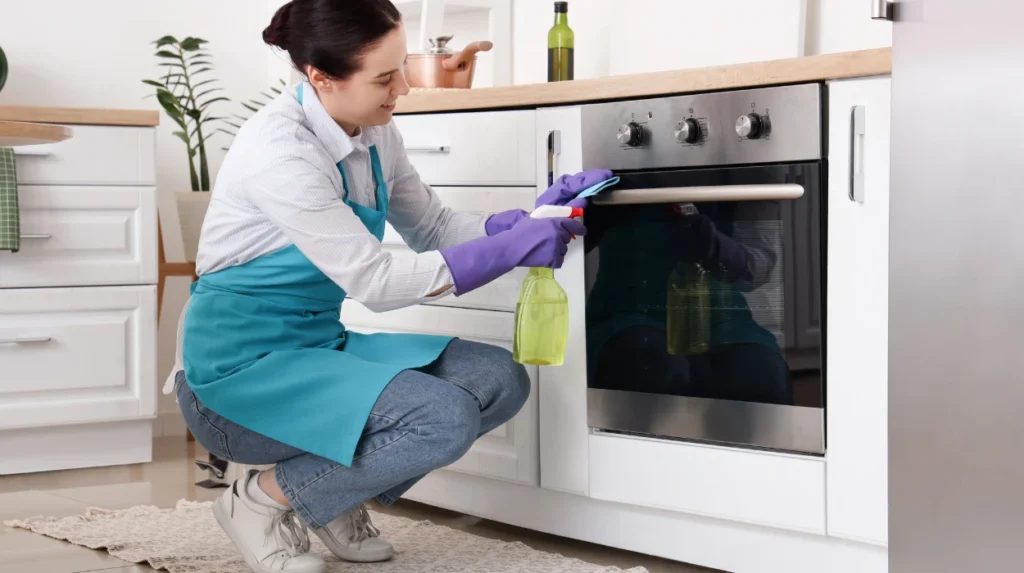
A cleaner oven often performs more consistently because airflow is less restricted by accumulated grease and debris. Excess residue can interfere with heat distribution and contribute to unpleasant odors during cooking. While cleaning will not repair mechanical faults, it can help maintain optimal operating conditions.
Professional cleaning may also help identify issues such as damaged seals, worn components, or excessive contamination that could affect performance. Early detection allows homeowners to address problems before they become more expensive repairs.
DIY oven cleaning can be effective for light maintenance and routine upkeep, particularly when performed regularly. However, professional cleaning generally delivers superior results for heavily used ovens, stubborn carbon deposits, and situations where convenience and deep hygiene are priorities. The right choice depends on the condition of the oven, available time, and desired outcome.
For homeowners seeking reliable Oven Cleaning Services in Oldham, Bee Cleaning Services Manchester offers professional cleaning solutions that help restore cleanliness, improve hygiene, and maintain appliance appearance through specialist methods and industry-standard cleaning-equipment.
Frequently Asked Questions
Is professional oven cleaning worth the money?
Professional cleaning is often worth the investment when ovens contain heavy grease, carbon buildup, or stubborn staining. Specialists achieve results that are difficult to replicate with household products. The service also saves time and reduces physical effort. Many homeowners choose professional cleaning before inspections or special occasions. Long-lasting results can improve overall value.
How often should an oven be professionally cleaned?
Most households benefit from professional oven cleaning every six to twelve months. Frequency depends on cooking habits and oven usage. Homes that cook daily may require more frequent cleaning. Regular maintenance helps prevent severe grease accumulation. A consistent schedule makes future cleaning easier and more effective.
Can DIY oven cleaning damage an oven?
Yes, incorrect DIY cleaning can sometimes cause damage. Aggressive scrubbing may scratch enamel surfaces or glass panels. Strong chemicals can affect seals and sensitive components if misused. Following manufacturer guidance is important. Professional cleaning reduces these risks through specialist knowledge and techniques.
What equipment do professional oven cleaners use?
Professional cleaners use specialized cleaning-equipment designed for grease and carbon removal. This often includes dip tanks, professional-grade degreasers, scraping tools, and protective equipment. These tools allow deeper cleaning than standard household supplies. The equipment also helps clean removable parts more effectively. Results are typically more consistent and thorough.
Why does my oven still smell after cleaning?
Persistent odors often indicate hidden grease deposits that remain inside vents, fan areas, or inaccessible sections. Surface cleaning may not remove all contamination. Burnt food residue can continue producing smells during heating cycles. Professional cleaning targets these difficult-to-reach areas. A deeper clean usually helps eliminate lingering odors.