

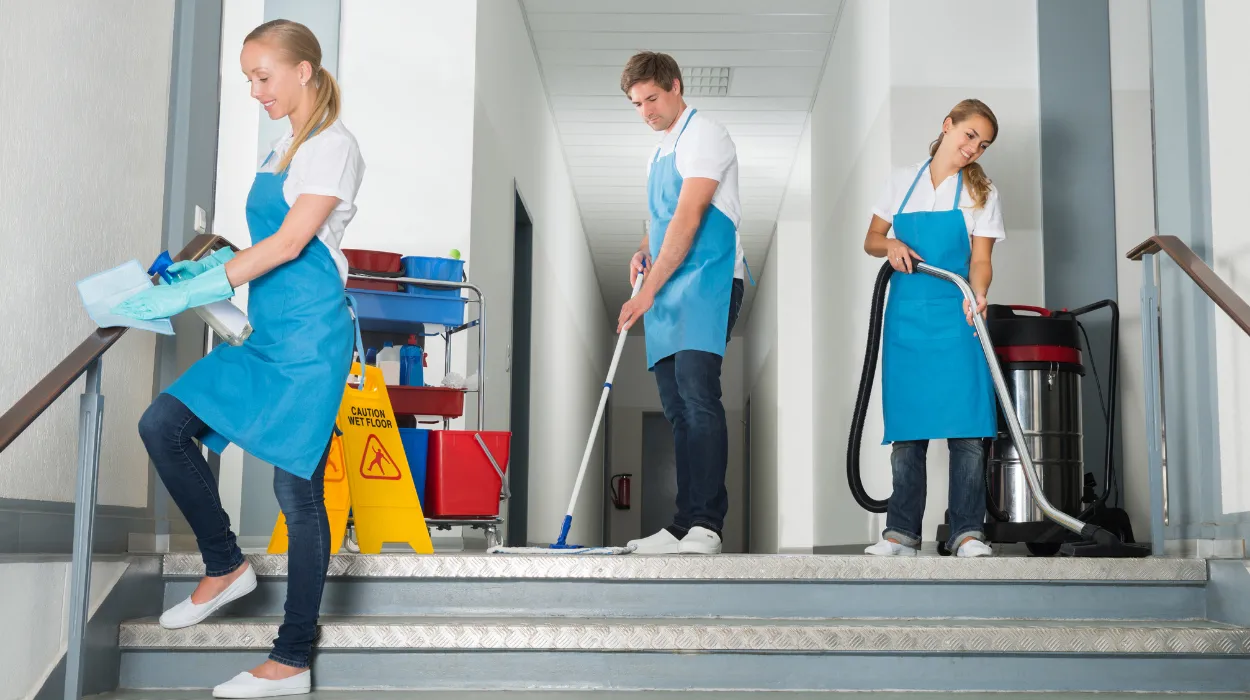
General construction cleaning is the professional process of removing construction dust, debris, adhesive residue, paint splashes, and other building waste after construction or renovation. It prepares a property for inspection, occupancy, or final handover while improving safety, cleanliness, and presentation.
Whether the project is a newly built home, office, retail unit, or commercial facility, construction activities leave behind more than visible dust. Fine particles settle into corners, ventilation areas, window frames, floors, and fixtures. A structured cleaning process helps restore the property to a clean and usable condition while reducing health and safety risks. Professional construction cleaning also makes snagging inspections easier by exposing defects that may otherwise remain hidden beneath dust or debris.
What Does General Construction Cleaning Include?
General construction cleaning begins immediately after major building work is complete. The objective is to remove waste materials safely and prepare every area for detailed finishing. Different stages of cleaning may be required depending on the size of the project, the number of trades involved, and the property’s intended use.
Construction sites commonly contain plaster dust, sawdust, silicone residue, paint splashes, grout haze, packaging materials, protective films, and small pieces of timber or metal. These materials require different cleaning methods because using incorrect techniques can damage newly installed surfaces. Professional cleaners assess each surface before selecting suitable cleaning methods and cleaning-equipment to avoid scratches or chemical damage.
Dust control is one of the most important parts of the process. Fine construction dust spreads quickly through ventilation systems and settles repeatedly even after initial cleaning. This is why experienced cleaning teams usually work systematically from higher surfaces to lower surfaces while using commercial vacuum systems fitted with suitable filtration.
Windows, internal glazing, skirting boards, doors, light fittings, sockets, sanitary fittings, kitchens, staircases, and flooring all require individual attention. Adhesive residue and protective films must also be removed carefully without affecting new finishes. Every stage contributes to producing a property that is clean, safe, and ready for occupation.
Why Is Construction Dust Different from Ordinary Household Dust?
Construction dust is much finer than normal household dust because it contains particles produced during cutting, drilling, sanding, plastering, brickwork, and finishing activities. These particles spread into hidden spaces and continue settling for several days if they are not removed correctly.
Unlike everyday dirt, construction residue often includes cement particles, plaster, wood fibres, insulation fragments, silicone, grout haze, and paint overspray. These materials require different cleaning methods depending on the surface being treated. Using ordinary domestic cleaning methods may simply move dust around instead of removing it completely.
Professional teams generally work in a logical sequence, beginning with debris removal before progressing to detailed dust extraction and surface cleaning. This staged approach reduces cross-contamination and improves the final presentation of the property. Industry discussions also recommend phased cleaning rather than leaving every task until the final day because it supports smoother inspections and project handovers.
Bee Cleaning Services Manchester provides Construction Cleaning Services in Oldham using structured cleaning methods designed for newly built and refurbished properties. The goal is to remove construction residue efficiently while protecting completed finishes and preparing buildings for their next stage of use.
Why Is the Right Cleaning Equipment Important for Construction Cleaning?
Construction cleaning requires specialist tools because ordinary household equipment is not designed to remove fine building dust, adhesive residue, cement particles, or post-construction debris safely. The correct equipment improves cleaning efficiency, protects finished surfaces, and helps achieve a better standard before inspection or occupation.
One of the most valuable pieces of cleaning-equipment is a commercial vacuum fitted with HEPA filtration. Unlike standard domestic vacuums, HEPA systems capture extremely fine dust particles instead of releasing them back into the air. This makes them particularly useful after plastering, sanding, drywall installation, and cutting work where airborne dust can settle repeatedly throughout a property. Working from ceilings to floors also prevents cleaned surfaces from becoming dusty again.
Microfibre cloths, non-abrasive pads, extension dusters, floor scrubbers, window cleaning tools, and specialist residue removers are commonly used during different stages of construction cleaning. Each tool is selected according to the material being cleaned. Glass, stainless steel, timber flooring, painted walls, and natural stone all require different cleaning methods to avoid scratches or chemical damage. Professional cleaners also inspect surfaces before selecting cleaning products to preserve newly installed finishes.
Bee Cleaning Services Manchester carries out Construction Cleaning Services in Oldham using professional cleaning procedures that focus on safe dust removal, careful surface treatment, and systematic inspection before project completion.
How Does Professional Construction Cleaning Follow a Structured Process?
Construction cleaning is most effective when completed in planned stages rather than as a single cleaning session. Industry guidance generally divides the work into rough cleaning, detailed builders cleaning, and a final presentation clean before handover. This sequence reduces dust migration, improves quality control, and supports smoother inspections.
Initial Debris Removal
The first phase removes leftover packaging, timber offcuts, loose materials, protective coverings, and heavy dust deposits. Clearing larger debris first creates a safer working environment and prevents equipment from becoming clogged during detailed cleaning. Contractors often complete this stage before final inspections begin.
Detailed Surface Cleaning
After coarse debris has been removed, cleaners focus on high-level dust, internal glazing, doors, skirting boards, kitchen units, sanitary fittings, electrical accessories, and ventilation areas. The work progresses from higher surfaces downwards so that dust naturally falls onto areas that will be cleaned later. This method reduces repeated work and improves the overall finish.
Final Presentation Cleaning
The final stage concentrates on appearance and readiness for occupation. Fingerprints, remaining dust settlement, light marks, and small imperfections are removed before the property is handed over. Many construction professionals consider this final inspection stage essential because it creates a positive first impression while making any remaining defects easier to identify.
If you are comparing professional approaches after refurbishment projects, you may also find this guide useful about construction cleaning services for completed building projects:
How Can You Prepare a Property Before Construction Cleaning Begins?
Preparing the property before cleaning helps improve efficiency and protects newly completed surfaces from accidental damage. Builders should remove tools, unused materials, and hazardous waste before the cleaning team arrives. Allowing fine construction dust to settle for 24 to 48 hours after the final dusty trade has finished can also improve cleaning results because fewer airborne particles will resettle later. Professionals typically inspect the site first and then clean from top to bottom using suitable equipment and methods.
Another important step is identifying delicate finishes such as polished stone, hardwood flooring, stainless steel, and newly painted walls. These materials require appropriate cleaning products and non-abrasive tools. Covering completed areas during any remaining building work also reduces unnecessary re-cleaning and protects the final finish. A structured preparation process helps both cleaners and contractors achieve a smoother property handover.
For businesses and property owners looking for a professional service, Bee Cleaning Services Manchester delivers Construction Cleaning Services in Oldham using systematic cleaning procedures that remove construction residue while helping preserve newly installed finishes.
What Common Mistakes Should Be Avoided During Construction Cleaning?
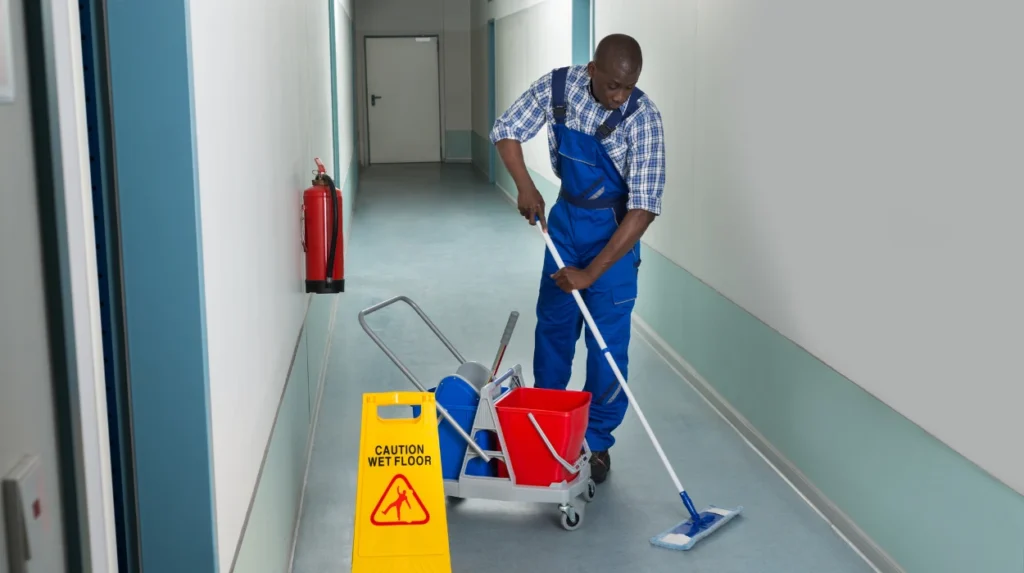
One of the biggest mistakes is treating construction cleaning like routine domestic cleaning. Fine plaster and silica dust require commercial-grade vacuum systems with suitable filtration rather than ordinary household vacuums. Starting with wet wiping before dry dust removal can spread residue across surfaces and make cleaning more difficult. Professionals recommend vacuuming and dry dust removal first, followed by damp cleaning where appropriate.
Another common error is using abrasive pads or harsh chemicals on new glass, worktops, painted surfaces, or stainless steel. Incorrect products may leave permanent scratches or dull protective finishes. Working from the floor upwards is also inefficient because dust naturally falls from higher areas and contaminates cleaned surfaces. Cleaning specialists consistently recommend working from ceilings to floors while checking every room before completion.
Skipping a final quality inspection is another avoidable mistake. A detailed walkthrough helps identify fingerprints, remaining dust, adhesive marks, or minor defects before the property is occupied. Many contractors also find that phased builders cleaning supports smoother snagging inspections and reduces delays before project completion. Community discussions among construction cleaning professionals similarly highlight the value of staged cleaning instead of leaving every task until the final day.
General construction cleaning is the final step that transforms a completed building project into a clean, safe, and presentable environment. Removing construction dust, debris, paint residue, and adhesive marks requires suitable equipment, a structured cleaning sequence, and careful attention to newly installed surfaces. When completed correctly, the process improves safety, supports inspections, and prepares the property for immediate occupation.
Bee Cleaning Services Manchester provides professional Construction Cleaning Services in Oldham for residential, commercial, and refurbishment projects. By following an organised cleaning process and using appropriate cleaning equipment, professional teams help ensure properties are ready for handover with a high standard of cleanliness and presentation.
Frequently Asked Questions
Is construction cleaning different from regular house cleaning?
Yes. Construction cleaning removes plaster dust, paint splashes, silicone residue, cement particles, and building debris that ordinary household cleaning does not typically address. It also uses specialist equipment and staged cleaning methods to prepare a property for handover.
How long should I wait before booking construction cleaning?
Most professionals recommend scheduling the clean after all dusty construction work has finished and allowing fine dust time to settle. This reduces repeated cleaning and helps achieve a better final result.
Why is HEPA vacuum equipment recommended?
HEPA-filtered vacuums capture very fine construction dust instead of releasing it back into the air. This improves indoor air quality and helps remove dust from newly completed buildings more effectively.
Can construction dust damage new surfaces?
Yes. Fine dust can scratch glass, polished stone, stainless steel, and other finished surfaces if removed using incorrect methods or abrasive materials. Appropriate cleaning techniques help protect these surfaces.
Why is a final inspection important after construction cleaning?
A final inspection helps identify remaining dust, fingerprints, residue, or presentation issues before handover. It also makes snagging inspections easier and ensures the property is ready for occupancy.