


Cleaning after building work is the final step that transforms a construction site into a clean, safe, and usable space. It removes fine dust, debris, adhesive residue, and other materials that ordinary cleaning cannot effectively handle.
Whether the project is a home renovation, office refurbishment, or new construction, a structured cleaning process protects surfaces, improves indoor air quality, and prepares the property for inspection or occupancy.
What Is Cleaning After Building Work?
Cleaning after building work is a specialised cleaning process carried out once construction or renovation activities have finished. Unlike routine cleaning, it focuses on removing construction dust, paint splashes, plaster residue, silicone marks, packaging waste, and fine particles that settle throughout the property. Professional cleaners normally complete the work in several stages so every surface receives the correct treatment. This approach reduces contamination, protects newly installed materials, and creates a healthier indoor environment. It also allows contractors, homeowners, and property managers to identify any remaining defects before final handover.
Why Is It Different From Regular Cleaning?
Regular domestic cleaning removes everyday dirt, but construction cleaning deals with industrial dust and building residue. Drywall dust, cement particles, sawdust, grout haze, and adhesive residue require specialised methods because they can scratch delicate finishes or become airborne during improper cleaning. Professional teams also work systematically from ceilings to floors to prevent cleaned areas from becoming dusty again. This staged process produces better results while reducing the risk of damage to newly completed interiors.
Why Does Construction Dust Need Professional Removal?
Construction dust is much finer than household dust and can spread into ventilation systems, light fittings, cupboards, flooring joints, and window frames. If it is not removed correctly, the particles continue circulating through indoor air long after the builders have left. Proper dust removal improves cleanliness, protects occupants, and helps preserve decorative finishes. It also allows inspectors to assess the quality of completed work without hidden debris masking defects.
Many people attempt to vacuum or wipe visible dust immediately after construction finishes. However, experienced cleaners know that dust settles over several hours or even days. Cleaning in planned phases often delivers a more consistent finish because airborne particles have time to settle before final detailing begins. This process is widely recommended for post-construction cleaning projects.
For readers wanting a broader understanding of property maintenance, our guide on general cleaning provides useful information before planning specialist post-construction cleaning.
What Cleaning Equipment Is Used for Cleaning After Building Work?
Using the correct cleaning-equipment is one of the biggest differences between ordinary cleaning and post-construction cleaning. Fine construction dust can easily spread through a property if unsuitable tools are used, while incorrect chemicals may damage newly installed flooring, glass, stone, or painted surfaces. Professional cleaning teams select equipment according to the type of residue, the surface material, and the stage of the cleaning process. This approach produces a safer working environment and a better quality finish. For projects requiring specialist support, Bee Cleaning Services Manchester provides Construction Cleaning Services in Oldham using equipment designed for post-build environments.
Essential Equipment Used During Post-Construction Cleaning
A professional builders clean normally combines manual tools with commercial-grade machinery. HEPA-filter vacuum cleaners capture extremely fine dust instead of releasing it back into the air, while microfiber cloths trap particles without scratching finished surfaces. Floor scrubbers restore hard floors after heavy construction traffic, and glass scrapers remove paint spots or adhesive residue safely when used correctly. Extension poles help clean ceilings, lighting fixtures, and ventilation grilles, allowing every area to be reached without disturbing finished work. Appropriate personal protective equipment also remains an important part of the cleaning process to protect workers from airborne particles and chemical exposure.
Why Does Equipment Selection Matter?
Different building materials require different cleaning methods. Hardwood flooring, polished stone, stainless steel, and glazed windows can all suffer permanent damage if abrasive tools or unsuitable chemicals are used. Professional cleaners inspect the property before work begins so they can match each cleaning product and machine to the correct surface. This reduces unnecessary wear, improves efficiency, and helps preserve the appearance of newly completed interiors. Careful equipment selection also allows dust removal to be completed before detailed polishing begins, creating a cleaner final presentation.
What Are the Main Stages of Cleaning After Building Work?
Professional construction cleaning is normally completed in several organised stages rather than as one continuous task. The first stage focuses on removing large debris, packaging materials, and loose waste left by construction trades. The second stage concentrates on detailed dust removal from ceilings, walls, fittings, cupboards, and ventilation systems. Finally, cleaners complete finishing work by polishing glass, sanitising kitchens and bathrooms, cleaning floors, and carrying out a final inspection to ensure the property is ready for occupation. This structured approach helps prevent dust from settling again on already cleaned surfaces and improves the quality of the finished result.
Many contractors and property managers prefer phased cleaning because it supports smoother inspections and handovers. Progressive cleaning throughout larger construction projects can reduce delays, improve visibility of finishing defects, and create a better first impression for clients. Rather than leaving every cleaning task until the final day, phased cleaning allows each area to be completed systematically while protecting finished materials from ongoing construction activity. This method is commonly recommended for commercial developments as well as residential renovation projects.
How Can You Prepare a Property Before Post-Construction Cleaning Starts?
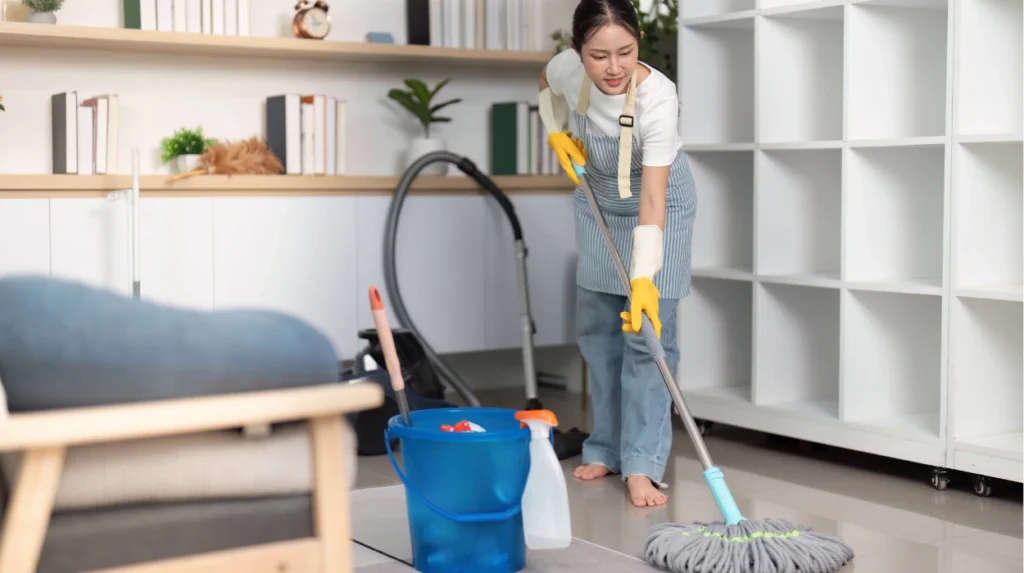
Preparing the property before professional cleaning begins helps the entire process run more efficiently. Builders should remove tools, unused materials, and temporary safety barriers before the cleaning team arrives. Any remaining repair work should also be completed because continued drilling, sanding, or painting can create new dust after surfaces have already been cleaned. A well-prepared site allows cleaners to focus on detailed finishing rather than construction waste removal, resulting in a higher standard of cleanliness and a smoother project handover. Industry guidance recommends scheduling cleaning only after dust-generating work has finished wherever possible.
Property owners should also identify areas that require extra attention, such as newly fitted kitchens, bathrooms, glazed partitions, and decorative finishes. These surfaces often need specialised products and techniques to prevent scratches or staining. Covering this information during the initial site assessment enables the cleaning team to plan equipment, staff, and cleaning methods effectively. A structured preparation process also reduces unnecessary delays and supports a more organised final inspection before occupancy.
What Happens During the Final Inspection Clean?
The final inspection clean is the last stage before a building is handed over to the owner, tenant, or client. During this stage, cleaners polish glass, remove fingerprints, inspect fixtures, vacuum remaining dust, sanitise kitchens and washrooms, and check every room against a quality checklist. Even minor marks left by late-stage contractors are removed to ensure the property presents a professional appearance. This final review helps identify any overlooked areas before the official inspection takes place.
Professional cleaners usually work from the highest surfaces down to the flooring so that falling dust does not contaminate completed areas. Lighting fixtures, ventilation grilles, window frames, internal doors, skirting boards, cupboards, and flooring all receive a final detailed inspection. Many experienced contractors also perform a touch-up clean immediately before occupation because fine dust may continue settling for a short period after construction activities have ended. This staged approach reduces rework and contributes to a cleaner presentation during project handover.
For readers comparing pricing and service options after understanding the cleaning process, this guide explains construction cleaning services cost after building work.
Why Should You Choose Professional Construction Cleaning Services Instead of DIY Cleaning?
Professional post-construction cleaning delivers consistent results because it follows a planned process rather than a simple surface clean. Fine construction dust settles inside vents, window tracks, cupboards, electrical fittings, and floor joints where ordinary household cleaning tools often cannot reach. Professional cleaners use commercial-grade equipment, suitable cleaning products, and systematic working methods to remove debris without damaging newly finished surfaces. This approach improves indoor air quality, protects flooring and fixtures, and helps prepare the property for inspection or occupation. For projects requiring specialist support, Bee Cleaning Services Manchester offers Construction Cleaning Services in Oldham using methods designed specifically for post-build environments.
Unlike routine domestic cleaning, post-construction cleaning requires knowledge of different building materials and the safest way to remove plaster dust, paint residue, silicone marks, grout haze, and adhesive without scratching delicate finishes. Professional teams also follow a top-to-bottom cleaning sequence so dust does not settle back onto already cleaned areas. Working in organised phases reduces unnecessary re-cleaning and produces a higher standard of presentation before the final handover.
How Does Professional Cleaning Improve the Final Handover?
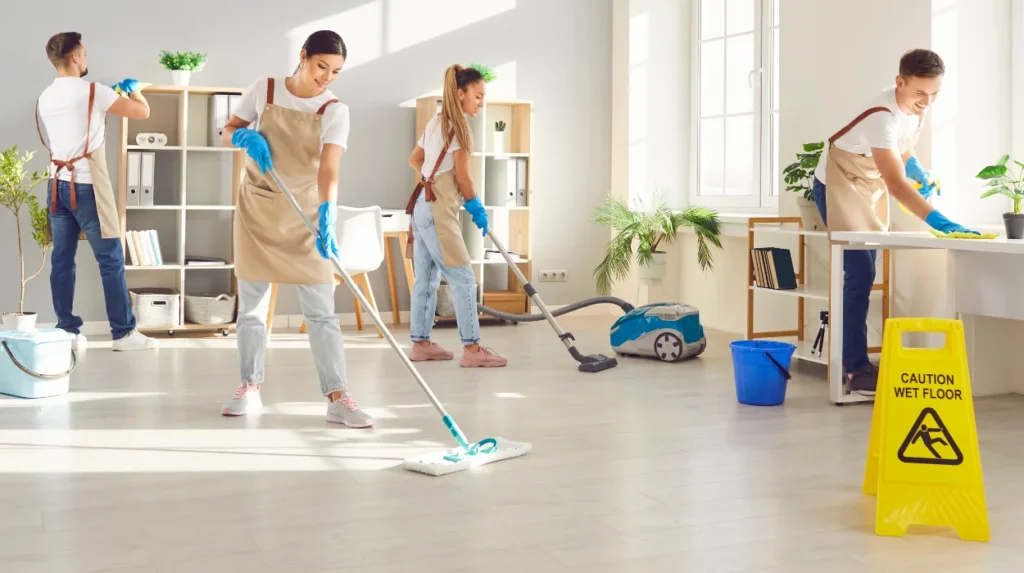
A clean property creates a better first impression during inspections and allows builders, property owners, and facilities managers to identify any remaining defects more easily. Clean windows, polished flooring, dust-free ventilation grilles, and sanitised kitchens and washrooms make the building appear complete while reducing the likelihood of issues being overlooked. Many construction professionals consider the final clean an essential part of project completion because it supports safer occupancy and a smoother handover process.
Professional cleaning also helps preserve the appearance of new materials by preventing abrasive construction dust from remaining on glass, stainless steel, painted walls, and finished flooring. Using HEPA-filter vacuums, microfiber cloths, and appropriate cleaning solutions reduces the risk of scratches and surface damage. The result is a property that is visually cleaner, healthier, and ready for immediate use once construction activities have been completed.
Cleaning after building work is much more than removing visible dust. It is a structured process that includes debris removal, detailed dust control, surface restoration, and a final inspection to ensure the property is safe, presentable, and ready for occupation. By using the correct cleaning-equipment, following phased cleaning methods, and paying attention to every surface, professional teams can achieve results that ordinary cleaning cannot. Bee Cleaning Services Manchester supports residential and commercial projects with professional Construction Cleaning Services in Oldham, helping clients complete the final stage of construction with confidence and high cleaning standards.
Frequently Asked Questions
Is cleaning after building work different from a normal deep clean?
Yes. Cleaning after building work focuses on removing construction dust, paint splashes, plaster residue, adhesives, and debris that remain after renovation or construction. It requires specialised equipment and a structured cleaning process rather than routine household cleaning.
How long should I wait before cleaning after building work?
Most professionals recommend starting once all major building activities have finished. Waiting until dust-producing work is complete reduces the chance of dust settling again and helps achieve a better final result. On larger projects, cleaning is often completed in several planned phases.
Can I clean construction dust with a regular household vacuum?
A standard household vacuum may not effectively capture very fine construction dust. HEPA-filter vacuums are commonly recommended because they trap smaller particles instead of releasing them back into the air, helping improve indoor air quality.
Why does construction dust keep coming back after cleaning?
Fine drywall and construction dust remains airborne for a long time and can circulate through HVAC systems before settling again. Professional cleaners use staged cleaning, HEPA filtration, and damp wiping techniques to minimise recurring dust.
Is professional post-construction cleaning worth it?
Professional cleaning is often worthwhile because it removes fine dust, debris, and residues safely while protecting new flooring, glass, fixtures, and painted surfaces. It also prepares the property for inspections, handover, or immediate occupancy with a higher standard of cleanliness.