

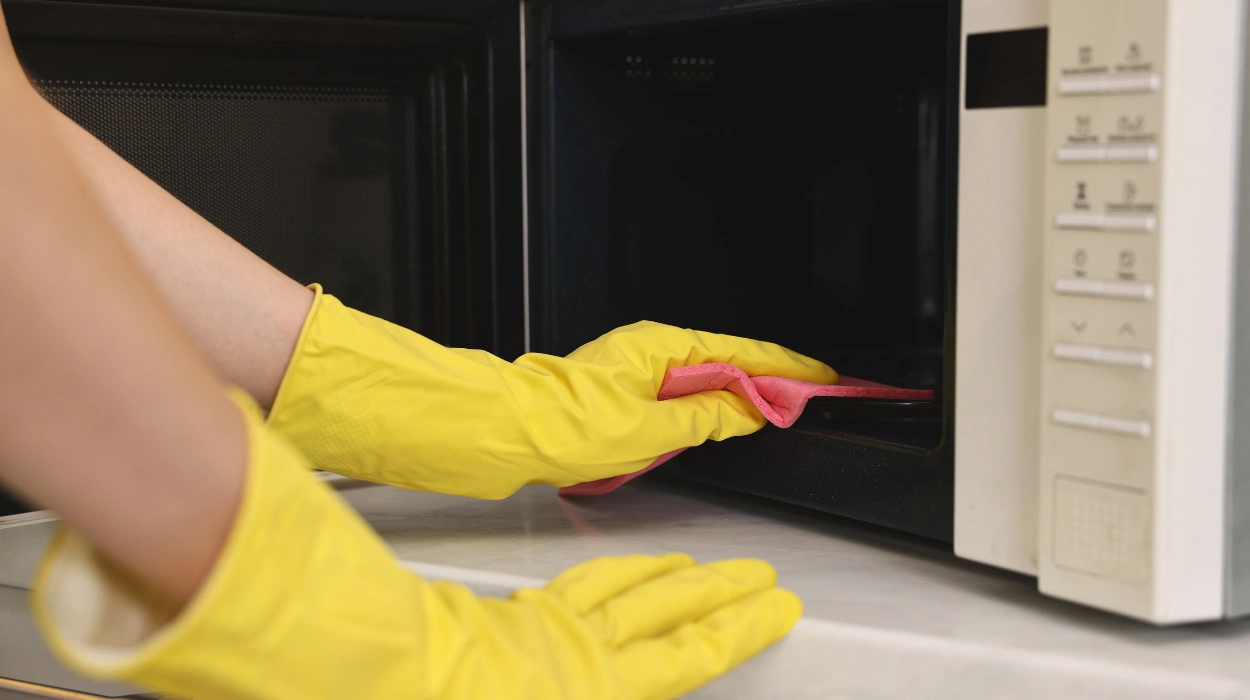
Dip-Tank Oven Cleaning vs Chemical Spray depends on the oven’s condition, the parts being cleaned, and the level of baked-on grease. Dip tanks are particularly effective for removable racks and trays, while professional spray cleaning offers greater flexibility for fixed oven surfaces.
Dip-Tank Oven Cleaning vs Chemical Spray: Which Is Better?
Choosing between a dip tank and chemical spray is not simply a matter of deciding which cleaning method is stronger. Both approaches can remove grease, carbon deposits, burnt food and accumulated residue, but they work differently and are suited to different parts of an oven. Professional oven cleaners may use one method or combine both depending on the appliance, its condition and the materials involved. Dip tanks are designed mainly for removable components, whereas spray applications can be used directly on suitable fixed surfaces. Understanding the difference can help homeowners and businesses make a more informed decision when arranging oven cleaning.
For households looking for professional oven cleaning in Oldham, the cleaning method should be selected according to the oven rather than based solely on the chemical strength of a product. Removable shelves, trays, racks and similar components can benefit from controlled soaking, while the oven cavity, door and other fixed areas generally require careful manual treatment. Professional cleaning also involves preparation, appropriate cleaning equipment, surface assessment and thorough removal of residues. Bee Cleaning Services Manchester provides professional cleaning solutions designed around the condition and requirements of the appliance.
What Is Dip-Tank Oven Cleaning?
A dip tank is a container in which removable oven components are immersed in a cleaning solution. Professional dip-tank systems can use heated solutions to help loosen baked-on grease and carbon from racks, trays, panels and other suitable removable parts. The soaking process allows the cleaning solution to remain in contact with the deposits for an extended period, helping soften material that may otherwise require considerable scrubbing. Some professional systems are designed specifically for oven cleaning and can process several components together.
The main advantage of a dip tank is consistent contact between the cleaning solution and the removable component. Instead of repeatedly spraying and scrubbing a rack, the component can be immersed so that the solution reaches difficult areas around the metal structure. Professional equipment and cleaning solutions vary, and some products are specifically formulated for heated dip tanks. Manufacturers also provide different dilution and temperature guidance, so professional cleaners should follow the relevant product and equipment instructions.
Which Oven Parts Can Go Into a Dip Tank?
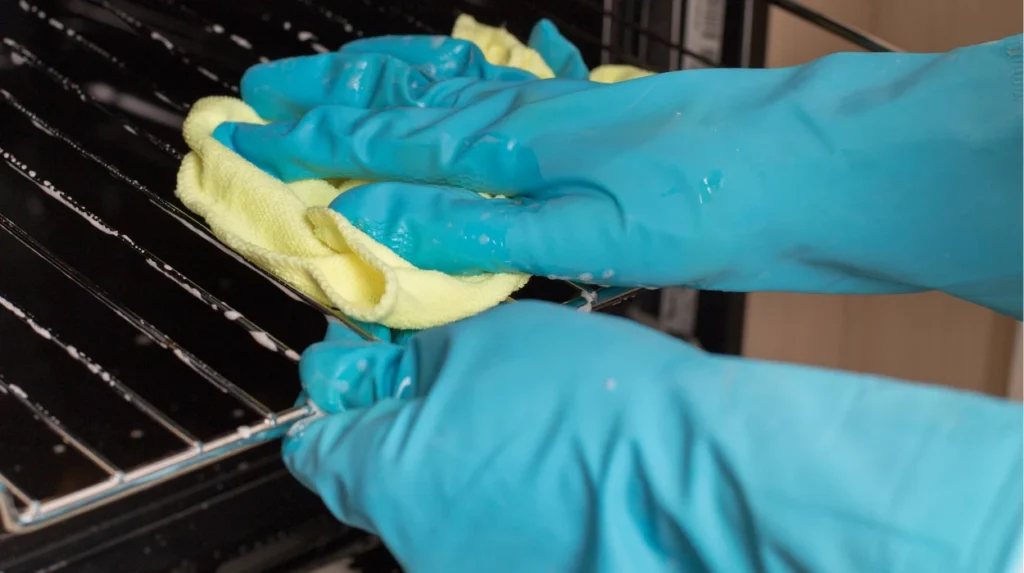
Dip tanks are most useful for removable parts such as oven racks, trays, grills and certain panels. The suitability of a component depends on its material and the cleaning solution being used. Aluminium and other sensitive materials require particular attention because some highly alkaline or caustic solutions can damage them. Professional cleaning products therefore differ considerably, with some formulations specifically designed to be non-caustic or suitable for particular surfaces.
A professional cleaner should identify the material before placing a component into a dip tank. Coatings, finishes, seals and specialist oven components may have different care requirements, so one solution should not automatically be treated as suitable for every appliance part. This is one reason professional oven cleaning is more than simply applying a powerful chemical. Correct identification, controlled application, suitable cleaning equipment and proper rinsing all contribute to a safer and more consistent result.
What Is Chemical Spray Oven Cleaning?
Chemical spray cleaning involves applying an appropriate oven-cleaning product directly to surfaces that need treatment. Depending on the formulation, the cleaner may be sprayed onto grease and carbon deposits and allowed a suitable contact time before the residue is agitated, removed and rinsed. Some professional products are designed specifically for spray applications and can also be used in dip tanks, although their dilution requirements may differ between applications.
Spray cleaning is particularly useful where components cannot simply be immersed in a tank. The oven cavity, internal surfaces, door areas and other fixed components can require targeted treatment. A professional cleaner can apply the product selectively rather than soaking the entire appliance. This makes spray cleaning a flexible part of the oven-cleaning process, especially when different materials and areas require different levels of attention. Product instructions should always be followed because some formulations can affect aluminium, glass, rubber seals or particular finishes.
Dip Tank vs Chemical Spray: How Do They Compare?
The biggest difference is the way the cleaning solution interacts with the surface. A dip tank surrounds removable components with the solution, providing prolonged contact across areas that can be difficult to reach manually. Spray cleaning, on the other hand, allows a cleaner to target specific areas and control where the product is applied. Neither approach is automatically better for every part of an oven because the appliance contains several different surfaces and components.
For heavily soiled removable racks and trays, a dip tank can provide an efficient soaking method that reduces the amount of manual scrubbing required. Professional dip-tank information describes heated solutions as a way of helping break down carbon, grease and burnt-on food from removable oven parts. Spray cleaning can be more practical for fixed surfaces where immersion is impossible. A professional service may therefore use both techniques during the same appointment.
Which Method Removes Burnt-On Grease Better?
Both methods can be effective when the correct cleaning product, contact time and technique are used. Dip tanks have an advantage when removable parts have extensive carbon and grease buildup because the entire component can remain exposed to the cleaning solution. This can help loosen deposits in corners and around the structure of racks and trays. Heated dip-tank systems are specifically designed to improve the cleaning process for suitable removable components.
Chemical sprays can also work effectively on stubborn deposits when they are correctly selected and applied. Some professional oven cleaners are formulated to break down grease and carbon and may require a period of contact before the surface is wiped, scrubbed or rinsed. However, using a stronger chemical does not necessarily produce a better result because surface compatibility, dilution, contact time and rinsing are equally important. Professional cleaners should follow the manufacturer’s instructions rather than increasing chemical strength unnecessarily.
Which Method Is Better for Oven Racks and Trays?
Dip-tank cleaning is generally well suited to removable racks and trays because these components can be taken out of the oven and treated separately. The soaking process can reach areas around rack bars and corners that are awkward to clean with a cloth or spray alone. Professional dip-tank solutions are available in both caustic and non-caustic formulations, meaning the exact product matters when considering material compatibility.
Chemical spray cleaning remains useful for racks and trays when a dip tank is unavailable or when the material requires a more controlled treatment. A professional cleaner can assess the component, select a suitable product and work on specific areas without automatically immersing the entire part. The best approach therefore depends on the rack or tray material, the level of contamination and the cleaning system being used. A careful professional assessment can help prevent unnecessary damage while still achieving thorough cleaning.
Which Method Is Better for the Oven Interior?
The oven interior generally requires a different approach because it is fixed in place. A dip tank cannot normally be used for the complete oven cavity, so suitable spray application and manual cleaning techniques are more practical. The cleaner must work around heating elements, seals, glass, surfaces and other components without allowing inappropriate products to contact sensitive areas. Product instructions often specify surfaces to avoid and recommend rinsing thoroughly after treatment.
The condition of the oven also affects the process. Light grease may require less treatment, while thick carbon deposits can need additional contact time and mechanical removal. Professional oven cleaning is therefore usually a combination of chemical action and controlled manual work rather than one single technique. This is particularly important for older appliances or ovens with different internal materials, where aggressive cleaning methods may create unnecessary risks.
Does Cleaning Equipment Make a Difference?
The quality and suitability of cleaning equipment can influence efficiency, consistency and the ability to reach difficult areas. Professional cleaners may use equipment designed for soaking removable components, along with brushes, scrapers, cloths, protective equipment and appropriate application tools. A dedicated dip tank can make it easier to treat several suitable removable parts in a controlled environment rather than cleaning every rack individually by hand.
However, equipment alone does not guarantee a better result. The cleaner needs to understand how different surfaces respond to cleaning products and how much contact time is appropriate. Professional equipment should support the cleaning process rather than replace proper assessment. The combination of appropriate cleaning equipment, suitable chemicals, correct technique and careful finishing is what produces a more complete oven-cleaning service.
What About Chemical Safety and Surface Compatibility?
Chemical selection is one of the most important differences between professional and casual oven cleaning. Some products are highly alkaline or caustic and may damage aluminium, galvanised metal or other sensitive surfaces. Other professional formulations are designed to be non-caustic and biodegradable, although even these products may have specific dilution and surface instructions.
Professional cleaners should follow product labels, safety information and manufacturer recommendations. Sensitive surfaces should be identified before cleaning, and suitable protective measures should be used where required. For example, one professional dip-tank product specifically warns that its caustic solution can corrode aluminium and light alloys. This demonstrates why the question should not simply be “Which chemical is strongest?” but rather “Which cleaning method and product are appropriate for this appliance?”
Is Dip-Tank Cleaning Faster Than Spray Cleaning?
The answer depends on the oven and the amount of contamination. A dip tank can save time when several removable components are heavily soiled because multiple parts can soak while other areas of the appliance are being cleaned. This allows the cleaner to work on different stages of the process rather than manually scrubbing each component continuously. Some professional dip-tank systems are specifically designed to soften carbon and grease before final removal.
Spray cleaning can be quicker for smaller amounts of grease or for areas that need targeted treatment. It avoids removing and transporting components into a tank when soaking is unnecessary. In a professional service, efficiency usually comes from choosing the right method for each part rather than relying exclusively on either spraying or soaking. The final cleaning time can also depend on oven size, condition, accessibility and the amount of residue present.
Which Method Should You Choose for Oven Cleaning in Oldham?
If the oven has heavily contaminated removable racks, trays or other compatible components, dip-tank treatment can be a useful part of the cleaning process. If the main problem is grease and carbon inside the fixed oven cavity, targeted chemical application and manual cleaning are generally more appropriate. For many ovens, combining both approaches provides a more comprehensive result because different components require different cleaning methods.
When comparing local options, it is useful to consider what the service actually includes rather than focusing only on the cleaning method advertised. A professional service should consider the appliance type, condition, materials, removable components and appropriate cleaning products. For homeowners considering professional oven cleaning options in Oldham, understanding the process can make it easier to compare services based on quality and suitability rather than simply price.
Why Professional Oven Cleaning Uses More Than One Technique
A modern oven is made from multiple materials and components, so a single cleaning technique may not be ideal for every surface. Removable metal racks can respond well to soaking, while glass, seals, fixed internal surfaces and control areas require more targeted treatment. Professional cleaners can divide the appliance into sections and select a suitable method for each one.
This approach can also improve consistency. Instead of applying the same chemical to every component, a cleaner can assess where stronger treatment is appropriate and where a gentler method is preferable. Professional oven cleaning therefore involves preparation, cleaning, residue removal and finishing. Bee Cleaning Services Manchester can use professional cleaning solutions and appropriate methods to address different oven-cleaning requirements in Oldham.
What Should You Check Before Booking an Oven Cleaning Service?
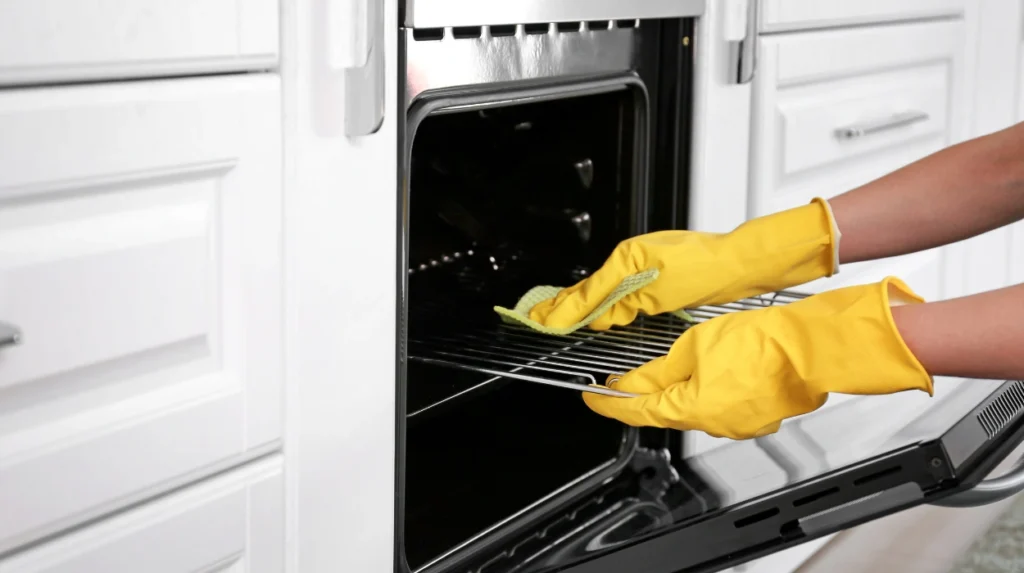
Before booking, ask what parts of the oven are included and whether removable racks, trays, glass and the internal cavity are covered. It is also useful to ask whether the cleaner uses a dip tank, spray system or a combination of methods. The answer can indicate whether the company has considered the practical differences between removable and fixed components rather than applying one method to every appliance.
You can also ask how the cleaner handles sensitive materials and what type of cleaning products are used. A professional approach should account for the manufacturer’s guidance and the compatibility of cleaning products with different surfaces. If you want to understand why accumulated grease can become harder to manage over time, this guide to oven cleaning and built-up residue provides useful background.
Dip Tank or Chemical Spray: Which Is Better Overall?
There is no universal winner because the two methods solve different cleaning problems. Dip tanks are particularly useful for removable parts with substantial grease and carbon buildup, while chemical spray applications provide greater flexibility for fixed oven surfaces. The most effective professional approach may combine both methods according to the appliance’s condition and materials.
For homeowners arranging Oven Cleaning Services in Oldham, the quality of the overall process is more important than whether a company advertises one particular technique. Appropriate cleaning products, suitable cleaning equipment, careful surface assessment, thorough residue removal and professional finishing all matter. Bee Cleaning Services Manchester provides professional cleaning solutions with the aim of matching the cleaning approach to the appliance rather than treating every oven in exactly the same way.
Dip-Tank Oven Cleaning vs Chemical Spray is best understood as a comparison between two complementary professional cleaning techniques rather than a choice between a good and bad method. Dip tanks can provide effective soaking for suitable removable components, while spray cleaning allows controlled treatment of fixed oven surfaces. The condition and construction of the appliance should determine the approach.
For professional Oven Cleaning Services in Oldham, the most practical solution is often a combination of suitable cleaning methods, appropriate cleaning equipment and careful surface treatment. Bee Cleaning Services Manchester provides professional cleaning solutions designed to address different oven-cleaning requirements while keeping the cleaning process focused on the appliance and its individual components.
Frequently Asked Questions
Is a dip tank better than spraying an oven?
A dip tank can be more effective for removable racks, trays and other suitable components with heavy baked-on deposits. Spray cleaning is generally more flexible for fixed oven surfaces. Professional cleaners may combine both methods depending on the appliance.
Can oven racks be cleaned in a dip tank?
Suitable removable oven racks can be cleaned in a professional dip tank, but their material should be checked first. Some chemicals can damage aluminium or sensitive finishes. The cleaning product and manufacturer’s instructions should always be considered before treatment.
Does professional oven cleaning use strong chemicals?
Professional oven cleaning may use specialist cleaning products, but stronger does not always mean better. Product selection, dilution, contact time and surface compatibility are important. Some professional products are available in non-caustic formulations designed for oven and dip-tank applications.
How long does dip-tank oven cleaning take?
The time varies according to the equipment, cleaning solution, temperature, level of contamination and components being treated. Some professional dip-tank systems are designed to soften heavy carbon relatively quickly, but soaking is only one stage of the complete cleaning process.
Should I choose a company that uses a dip tank?
A dip tank can be a useful sign that a cleaner has equipment for treating removable oven components, but it should not be the only factor you consider. Check what the service includes, how sensitive surfaces are handled and whether the cleaner uses suitable methods for the entire appliance.