
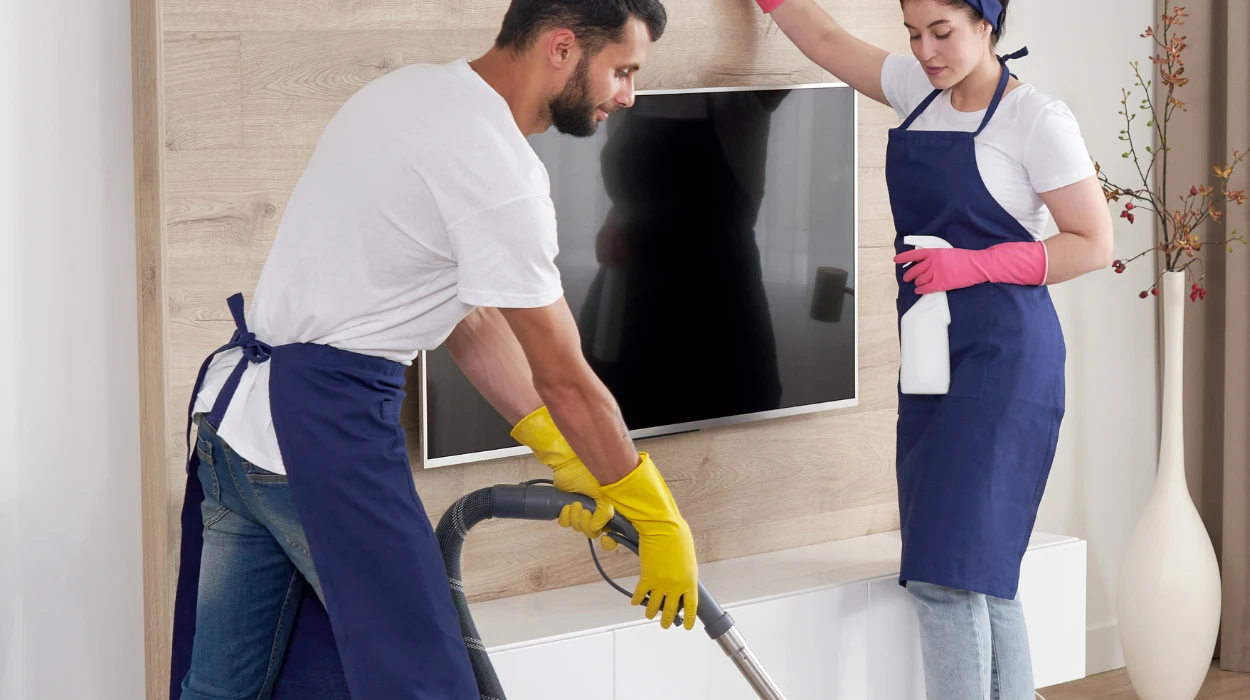
Hiring an Antiviral Sanitisation Company Serving Chadderton, Shaw & Royton ensures that local businesses maintain a hygienic environment free from harmful pathogens. Professional disinfection targets high touch surfaces to protect employees and visitors from infectious diseases effectively. When facility managers prioritise deep sanitisation protocols, they drastically reduce the risk of viral outbreaks within enclosed commercial spaces. A structured approach to environmental hygiene goes beyond basic visual cleanliness to address microscopic threats that linger on desks, door handles, and communal facilities. Establishing a robust health and safety protocol requires specialist knowledge of contact times, chemical efficacy, and pathogen life cycles. By implementing expert solutions, business owners can maintain operational continuity and safeguard the well being of everyone who enters the premises.
The transmission of viral particles in commercial environments remains a significant concern for health and safety officers across the region. Viruses and bacteria can survive on hard surfaces for extended periods, creating invisible hazards for unsuspecting staff members and clients. Standard wiping methods often spread these microorganisms rather than eliminating them, which is why a scientifically backed approach is necessary for true eradication. Implementing strict infection control measures helps prevent cross contamination between different departments and shared zones within a building. Facility managers must understand that routine janitorial tasks do not possess the required clinical efficacy to destroy resilient viral strains. Consequently, engaging with experts who understand the nuances of pathogen destruction is essential for maintaining a truly safe and compliant workspace.
The Science Behind Modern Antiviral Treatments
Understanding the biological mechanisms of viruses helps explain why specialised chemical agents are required to break down their protective lipid envelopes. Once this outer shell is compromised, the infectious agent is rapidly neutralised and rendered incapable of causing illness or further contamination. Professional technicians utilise virucidal products tested against strict European standards to guarantee their effectiveness against a broad spectrum of pathogens. These advanced formulations require specific dwell times on surfaces to achieve the maximum kill rate before they are safely wiped away or left to dry. Attempting to accelerate this process often leads to incomplete sanitisation and leaves residual threats behind on heavily used touchpoints. Therefore, proper application techniques are just as critical as the quality of the cleaning solutions being utilised in the facility.
The methodology used to apply these treatments varies depending on the size of the room and the nature of the materials present within the space. Electrostatic spraying technology has revolutionised the industry by adding a positive charge to the disinfectant particles as they leave the nozzle. This positive charge causes the droplets to actively seek out and wrap around negatively charged surfaces, providing complete three dimensional coverage. Such comprehensive application ensures that even hidden crevices and the undersides of furniture receive adequate exposure to the active virucidal ingredients. Relying on traditional spray bottles and cloths simply cannot replicate the thoroughness achieved by these technologically advanced delivery systems. Businesses that invest in these superior application methods benefit from a consistently higher standard of environmental safety and hygiene.
Evaluating Standard Janitorial Work vs Specialist Disinfection
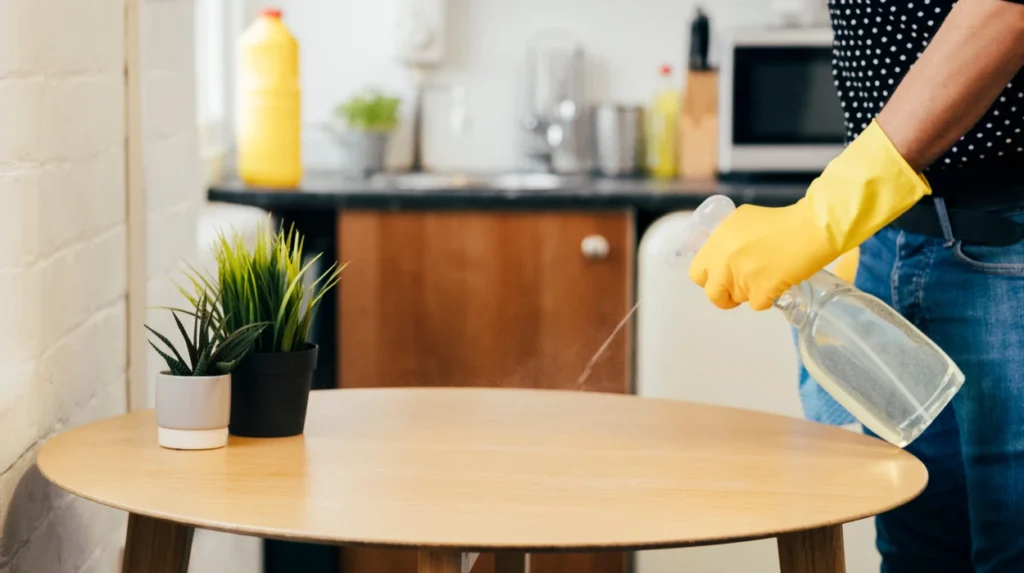
Many organisations mistakenly believe that their daily commercial cleaning contracts are sufficient to handle viral threats during cold and flu seasons. However, there is a fundamental difference between removing visible dirt and chemically destroying microscopic pathogens that cause widespread illness among staff. Janitorial teams generally focus on aesthetic maintenance, waste removal, and basic surface wiping using general purpose detergents that lack virucidal properties. While these daily tasks are vital for a pleasant working environment, they do not provide the clinical level of hygiene necessary to stop viral transmission. For maximum protection, companies must supplement their regular maintenance schedules with targeted disinfection treatments designed specifically for infection control. This layered approach to facility management guarantees both a visually appealing workspace and a biologically secure environment for all occupants.
When evaluating your current protocols, it is crucial to consider understanding common sanitisation mistakes in the workplace to avoid creating a false sense of security. Incorrect dilution ratios of cleaning chemicals can lead to ineffective solutions that fail to kill viruses while leaving toxic residues on surfaces. Furthermore, using the same cloth across multiple areas spreads bacteria from washrooms to office desks, entirely defeating the purpose of the cleaning routine. Professional sanitisation technicians follow strict colour coding systems and cross contamination protocols to ensure that pathogens are contained and destroyed at the source. They also understand how different materials react to harsh chemicals, preventing accidental damage to expensive electronic devices and delicate office furnishings. Proper training and expertise separate genuine sanitisation efforts from superficial wiping practices that offer minimal health benefits.
The Role of Advanced cleaning-equipment in Eradicating Viruses
The successful deployment of virucidal agents relies heavily on the quality and maintenance of the modern cleaning-equipment used by the technicians. High volume low pressure foggers allow professionals to disperse microscopic droplets of disinfectant into the air, settling evenly over every exposed surface in the room. This method is particularly effective for large open plan offices, warehouses, and manufacturing floors where manual wiping would be completely impractical and time consuming. The machinery must be calibrated precisely to ensure the correct micron size of the droplets, balancing optimal coverage with efficient drying times. Using outdated or poorly maintained tools can result in uneven distribution, leaving dangerous blind spots where viruses can continue to thrive uninterrupted.
Investing in the right cleaning-equipment also protects the health of the operators while they perform these intensive sanitisation duties in enclosed spaces. Professional grade machinery is designed to minimise chemical inhalation risks while maximising the output and efficiency of the disinfection process. Technicians wear appropriate personal protective equipment to shield themselves from both the pathogens and the concentrated chemicals before they are safely dispersed. This professional approach guarantees that the entire building is treated systematically, starting from the furthest corners and working towards the exit points. Such methodical execution ensures that newly sanitised areas are not recontaminated by foot traffic during the final stages of the treatment process.
Specific Industry Requirements in Greater Manchester
Different commercial sectors face unique challenges when it comes to maintaining hygiene standards and protecting their specific demographics from infectious diseases. Healthcare facilities, schools, and nurseries require the highest level of vigilance due to the vulnerability of their occupants and the rapid rate of viral spread. In contrast, corporate offices and retail spaces must balance rigorous sanitisation with minimal disruption to their daily operations and customer interactions. An experienced Antiviral Sanitisation Company Serving Chadderton, Shaw & Royton will tailor their approach to meet the distinct logistical and regulatory demands of each sector. They provide flexible scheduling options, including out of hours and weekend services, to ensure that the premises are thoroughly disinfected without hindering business productivity. This adaptability is a core component of effective facility management in a fast paced commercial landscape.
Manufacturing plants and industrial warehouses also benefit immensely from scheduled sanitisation, especially in communal break areas and shared changing facilities. These high traffic zones are prime locations for cross infection, as large numbers of staff congregate and interact during shift changes and meal times. Implementing comprehensive property sanitisation and deep cleaning protocols in these specific areas drastically reduces the likelihood of a workforce outbreak. Routine surface swabbing and ATP testing can be utilised to monitor the biological cleanliness of these environments over time, providing measurable data to management. By establishing a continuous cycle of testing and treating, industrial site managers can confidently demonstrate their commitment to workforce health and safety.
Maintaining Compliance with UK Health and Safety Standards
The Health and Safety Executive outlines clear directives regarding an employer’s duty of care to provide a safe and healthy working environment for all staff. Failure to implement adequate infection control measures can result in severe legal and financial repercussions if an outbreak is traced back to workplace negligence. Keeping detailed logs of all sanitisation activities provides essential documented evidence that the company is actively fulfilling its legal and moral obligations. Professional service providers supply certificates of disinfection upon completion of their work, which can be displayed to reassure employees, clients, and visiting health inspectors. This transparent approach to hygiene management builds trust within the organisation and protects the business from potential liability claims related to workplace illnesses.
Understanding the Control of Substances Hazardous to Health regulations is another critical aspect of implementing a safe and legal sanitisation programme. All chemicals used during the disinfection process must be stored, handled, and applied according to strict guidelines to prevent accidental exposure or environmental damage. Professional technicians are fully trained in these regulations, ensuring that all safety data sheets are available and that risk assessments are conducted prior to commencement. They also manage the safe disposal of all contaminated materials and chemical waste, relieving the business owner of this complex logistical burden. Relying on accredited professionals guarantees that your hygiene strategies are not only highly effective but also entirely compliant with current UK legislation.
Integrating Antiviral Sanitisation Services in Oldham into Routine Operations
Creating a seamless hygiene strategy requires integrating periodic deep disinfection with your existing daily cleaning schedules for maximum long term efficacy. Business owners should view Antiviral Sanitisation Services in Oldham as a complementary measure rather than a replacement for routine aesthetic maintenance. Establishing a proactive calendar of treatments, perhaps on a monthly or quarterly basis depending on footfall, ensures continuous protection against evolving viral threats. During periods of heightened risk, such as winter flu seasons or local outbreaks, the frequency of these specialised treatments can be easily scaled up. This dynamic approach allows facility managers to respond swiftly to changing circumstances without scrambling to find reliable contractors at the last minute.
When selecting a partner for these vital services, it is highly beneficial to look into hiring trusted commercial cleaners for regular hygiene maintenance who can manage both aspects of your facility care. Consolidating your cleaning contracts with a single, highly capable provider simplifies communication, billing, and quality control across the entire organisation. The dedicated account managers can monitor the overall condition of the premises and recommend targeted interventions before minor issues escalate into major hygiene failures. This collaborative partnership fosters a deep understanding of your specific operational needs and leads to more efficient, tailored service delivery. Ultimately, a unified approach to building maintenance yields superior results and a much healthier environment for everyone involved.
Long Term Financial Advantages of Investing in Deep Hygiene
While some businesses may view professional sanitisation as an unnecessary expense, the long term financial returns on this investment are substantial and easily quantifiable. The primary economic benefit stems from a drastic reduction in employee absenteeism caused by preventable viral infections spreading through the workforce. When staff members are healthy, productivity remains high, project deadlines are met, and the costly burden of hiring temporary replacement workers is entirely avoided. Furthermore, a consistently clean and hygienic environment boosts overall employee morale, demonstrating that management genuinely cares about their physical well being. This positive corporate culture aids in staff retention, reducing the significant costs associated with recruiting and training new personnel on a regular basis.
Preserving the lifespan of your commercial assets is another often overlooked financial advantage of implementing proper cleaning and sanitisation protocols. Dirt, grime, and harsh DIY cleaning chemicals can cause irreversible damage to carpets, upholstery, and delicate office technology over a prolonged period. Professional technicians use specialised, non corrosive virucidal agents that effectively eliminate pathogens without degrading the underlying materials or voiding manufacturer warranties. This careful maintenance extends the usable life of expensive office furnishings, delaying the need for costly refurbishments and capital expenditure. Over time, the savings generated by asset preservation and reduced absenteeism far outweigh the monthly costs of retaining a professional sanitisation service.
Reducing Absenteeism Through Consistent Disinfection
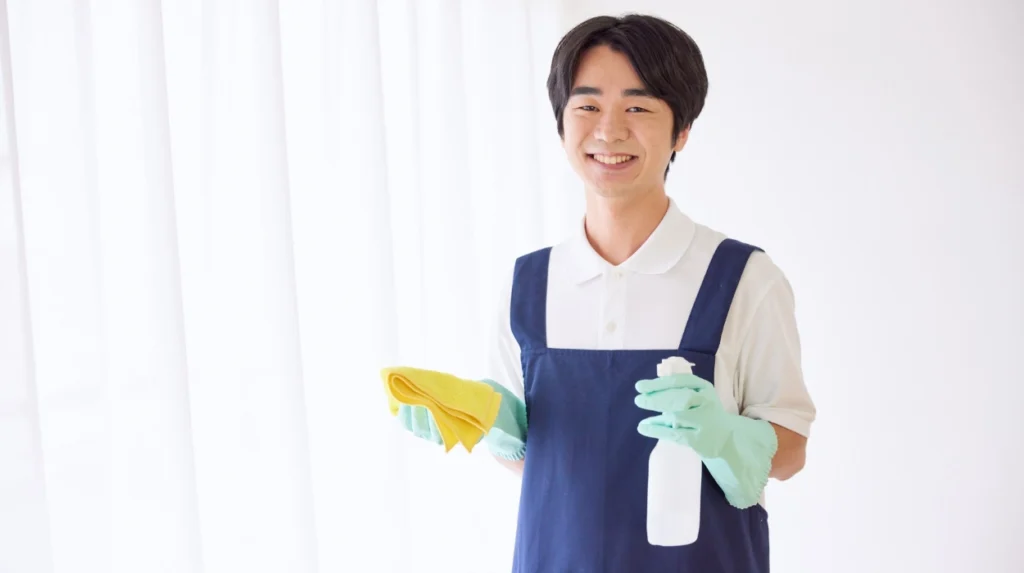
The link between indoor air quality, surface hygiene, and employee sick days has been extensively documented by occupational health researchers worldwide. Shared equipment like printers, coffee machines, and biometric scanners act as primary vectors for disease transmission if they are not sanitised with appropriate frequency. Targeted interventions focusing on these identified high risk touchpoints yield the greatest reduction in cross infection rates among the working population. Educating staff on personal hand hygiene complements the environmental sanitisation efforts, creating a comprehensive defence strategy against common colds, influenza, and other viruses. When a company actively manages these health risks, the resulting stability in workforce attendance directly contributes to sustained profitability and smoother daily operations.
By prioritising proactive hygiene management, businesses can confidently navigate cold and flu seasons without experiencing the usual operational disruptions. Employees feel secure returning to an office environment that is visibly maintained and certified as biologically safe by accredited professional cleaning contractors. Visitors and clients also perceive a high standard of cleanliness as an indicator of overall professionalism and attention to detail within the organisation. This positive brand perception can subtly influence business negotiations and client retention, adding an intangible but valuable asset to the company. Therefore, viewing sanitisation as an integral part of corporate strategy rather than a basic operational task provides a distinct competitive advantage.
Safeguarding your commercial premises against microscopic threats requires a dedicated, scientifically sound approach to environmental hygiene and infection control. Relying solely on basic janitorial tasks is no longer sufficient to protect staff and visitors from the rapid spread of resilient viral pathogens. By investing in advanced application technologies and strictly regulated chemical treatments, businesses can ensure a consistently safe and legally compliant operational space. The associated reductions in employee absenteeism and the preservation of commercial assets make professional sanitisation a highly sound financial decision for any forward thinking organisation. Bee Cleaning Services Manchester provides tailored, expert solutions to help local businesses achieve and maintain the highest possible standards of workplace hygiene.
Integrating Antiviral Sanitisation Services in Oldham into your broader facility management strategy guarantees peace of mind during heightened periods of viral transmission. Consistency, expertise, and the use of industry leading machinery are the cornerstones of a successful health and safety protocol in the modern workplace. Establishing a long term partnership with a reputable provider ensures that your premises are always prepared for unannounced health inspections or sudden local outbreaks. By taking proactive measures today, you protect the future continuity of your business and the ongoing well being of your entire workforce. Choose professional expertise to elevate your hygiene standards and create a truly healthy environment where your business can continue to thrive.
Frequently Asked Questions
Does your antiviral sanitisation company serving Chadderton, Shaw & Royton cover all commercial sectors?
Yes, we provide comprehensive disinfection solutions for a wide range of commercial premises across these specific locations. Our trained technicians adapt their application methods and choose the appropriate cleaning-equipment to suit unique environments, from corporate offices to industrial warehouses.
What type of cleaning-equipment is used for antiviral sanitisation services in Oldham?
We utilise advanced electrostatic sprayers and high volume low pressure foggers to disperse approved virucidal agents evenly across your premises. This specialised machinery guarantees complete three dimensional coverage of all hard surfaces, high touch points, and inaccessible crevices within your facility.
How often should businesses schedule professional disinfection treatments?
The ideal frequency depends on your specific industry, daily foot traffic, and the current level of local viral transmission risks. High traffic environments like healthcare facilities or large retail spaces often require weekly treatments, whereas standard corporate offices might benefit from a thorough monthly application.
Are the chemicals used during the sanitisation process safe for electronic devices?
Our technicians are fully trained to select and apply non corrosive virucidal products that are highly effective against microscopic pathogens but completely safe for your assets. We carefully assess your environment prior to treatment and adjust our application methods to protect delicate office technology, screens, and expensive machinery.
How soon can staff return to the office after a deep sanitisation treatment?
Modern virucidal agents require specific dwell times to achieve maximum efficacy, but they generally dry quickly without leaving harmful toxic residues behind. In most commercial scenarios, employees can safely re-enter the treated zones within one to two hours after the application process is completed.