


Implementing proper warehouse cleaning requires removing loose debris, scrubbing hard floors, dusting high shelving, sanitizing touchpoints, managing waste, maintaining ventilation, and ensuring compliance. This systematic approach guarantees a safe working environment while protecting valuable inventory from harmful contamination.
Maintaining a large industrial space requires a strategic approach to daily dirt accumulation and heavy machinery usage. Facility managers must implement rigorous schedules to ensure that dust and debris do not compromise sensitive inventory or daily operations. Floor surfaces in these massive structures endure constant forklift traffic and heavy footfall throughout the operational hours. Addressing these surfaces promptly prevents slip hazards and extends the lifespan of the concrete or epoxy coatings. Proper sanitation routines also protect the health of workers by minimizing airborne particulates in enclosed spaces. A well-maintained facility ultimately reflects a professional corporate image to visiting clients and logistics partners.
The Scope Of Industrial Sanitation Procedures
Understanding the vast scope of industrial sanitation is critical for effective facility management. Massive storage centers often house delicate goods that require strict climate and environmental controls to prevent costly spoilage. Professional teams address these unique challenges by segmenting the building into manageable zones based on traffic and usage. High traffic areas receive daily attention while secondary storage aisles might follow a weekly or bi-weekly maintenance schedule. This targeted approach ensures that resources are allocated efficiently without disrupting the core logistical operations of the business. Such careful planning forms the foundation of any successful industrial maintenance program.
High level dusting and ceiling maintenance present significant challenges in expansive distribution centers. Racking systems and lighting fixtures accumulate severe amounts of airborne dust over time due to constant indoor vehicle movement. Neglecting these elevated areas can lead to particulate matter raining down on packaged goods and staff members below. Technicians utilize specialized extension poles and lift equipment to safely access and sanitize these hard to reach architectural features. Routine maintenance of overhead spaces significantly improves indoor air quality and enhances the efficiency of overhead lighting. Clean fixtures cast brighter light which actively reduces workplace accidents and improves overall employee morale.
Utilizing Proper cleaning-equipment For Optimal Results
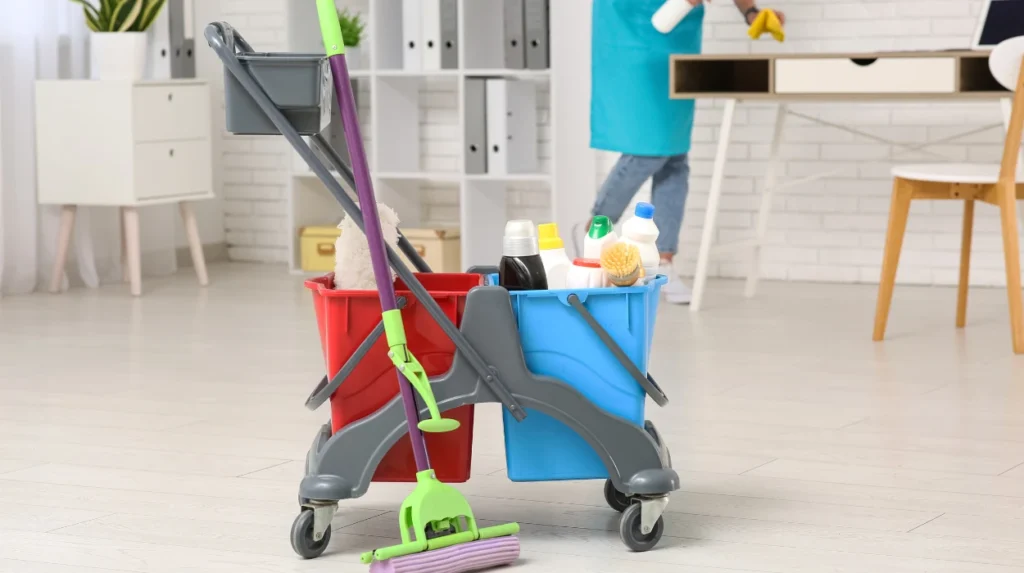
The deployment of advanced cleaning-equipment is absolutely essential for covering expansive floor plans efficiently. Ride-on auto scrubbers and industrial sweepers allow operators to treat thousands of square feet in a fraction of the time manual labor would dictate. These modern machines apply precise amounts of water and degreasing agents while simultaneously vacuuming the resulting slurry into recovery tanks. This single pass technology leaves floors immediately dry and safe for immediate forklift and pedestrian traffic. Investing in or hiring firms with this caliber of machinery dramatically reduces operational downtime during intensive sanitation shifts. The right mechanical assets transform a monumental task into a streamlined daily routine.
Chemical selection plays an equally important role alongside the mechanical assets used in industrial spaces. Heavy duty degreasers are required to lift stubborn tire marks and hydraulic fluid spills from porous concrete surfaces. Professionals carefully balance the pH levels of these solutions to ensure they do not erode floor sealants or damage structural elements. Environmentally friendly alternatives are increasingly popular for facilities housing consumable goods or pharmaceutical products. Proper dilution ratios must be strictly adhered to in order to prevent toxic chemical residues from lingering in enclosed spaces. Careful chemical management protects both the structural integrity of the facility and the health of its occupants.
Managing Waste And Environmental Compliance
Waste management protocols must be robust to handle the high volume of packaging materials generated daily. Cardboard boxes, shrink wrap, and broken pallets quickly accumulate and create severe fire hazards if not processed correctly. Professional sanitation teams coordinate with recycling partners to ensure that all recyclable materials are diverted from standard landfill waste streams. Designated sorting areas are established within the facility to streamline the disposal process for regular warehouse employees. Keeping aisles clear of discarded packaging is a fundamental safety requirement mandated by workplace health authorities. Efficient waste removal keeps the logistical flow of the building completely unobstructed.
Regulatory compliance is a driving force behind maintaining strict sanitation standards in any commercial setting. Government health and safety bodies mandate specific environmental conditions to protect workers from occupational hazards. Failure to meet these basic cleanliness standards can result in severe financial penalties or even the temporary closure of the facility. Managers often rely on external audits and professional cleaning logs to prove their ongoing compliance with these strict industrial regulations. Establishing a documented trail of maintenance activities provides legal protection and demonstrates a commitment to employee welfare. Prioritizing compliance creates a culture of safety that benefits the entire organization.
Coordination Between Construction And Daily Operations
Facilities frequently undergo expansions or modifications which introduce high levels of construction dust into operational areas. Mitigating this specific type of debris requires an entirely different approach compared to standard daily maintenance. Specialized vacuums equipped with HEPA filters are necessary to capture microscopic silica particles before they settle into sensitive mechanical systems. Businesses often turn to experts like Bee Cleaning Services Manchester to handle these complex transitional phases smoothly. Securing proper Construction Cleaning Services in Oldham ensures that newly built sections are entirely safe before employees are allowed to enter. Thorough post-build sanitation prevents abrasive dust from causing long term damage to newly installed logistics hardware.
The transition from a construction zone to a fully operational storage space requires meticulous attention to detail. Every surface from the highest racking shelf to the lowest baseboard must be wiped down and sanitized. Project managers depend on comprehensive Construction Cleaning Services in Oldham to deliver a spotless environment that passes final safety inspections. This vital step bridges the gap between raw building completion and the commencement of profitable business operations. Removing every trace of builder residue ensures that the initial inventory stock remains completely pristine upon arrival. A seamless handover relies heavily on the expertise of dedicated sanitation professionals.
Addressing Unique Facility Requirements
Certain industries require specialized approaches that go far beyond sweeping and basic surface washing. For example, facilities storing medical supplies must adhere to rigorous protocols similar to those found in healthcare environments. Facility managers often study the detailed protocols used in hospital cleaning services to understand how to eliminate biological contaminants effectively. Cross contamination in these specific sectors can have devastating public health consequences if not strictly controlled. Implementing clinical level sanitation requires highly trained staff and medical grade disinfectants to achieve total compliance. Adapting these strict methodologies ensures the absolute purity of sensitive products stored on site.
Budgeting for comprehensive facility maintenance is a crucial aspect of annual corporate financial planning. Decision makers must balance the necessity of a safe environment against the operational costs of daily maintenance. Many managers find it useful to compare industrial costs by evaluating house cleaning services charges to understand the baseline pricing structures of the wider industry. Industrial scale projects naturally demand higher budgets due to the specialized machinery and extensive labor hours required. Transparent pricing models from reliable contractors allow businesses to forecast their annual expenditures with high accuracy. Investing appropriately in facility upkeep prevents expensive emergency interventions and long term structural degradation.
Why Professional Expertise Matters
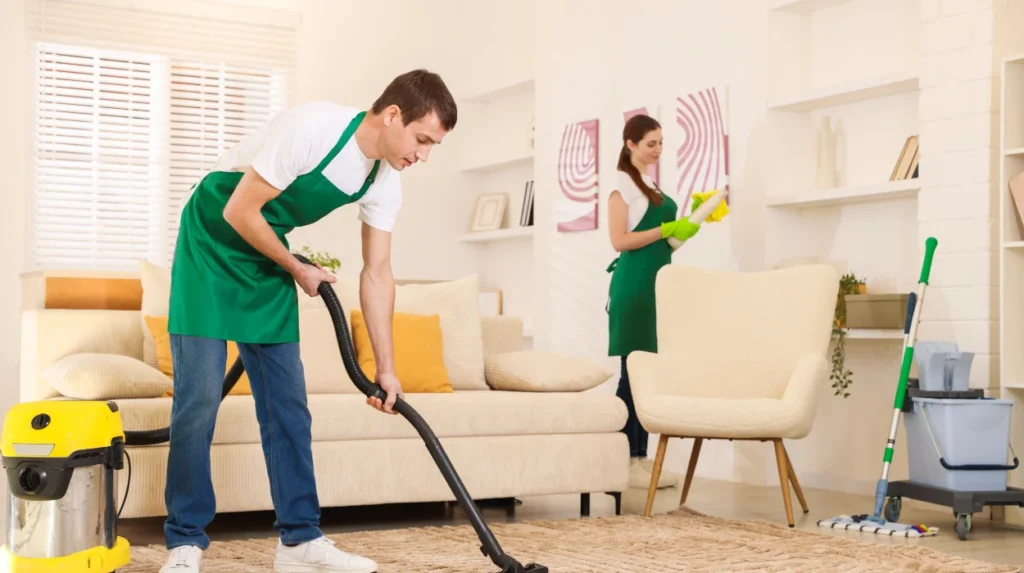
Attempting to manage large scale sanitation internally often stretches existing staff too thin and leads to subpar results. Dedicated employees should remain focused on their primary logistical tasks rather than sweeping aisles or scrubbing spills. Outsourcing this massive responsibility guarantees that the work is completed to a professional standard every single time. Specialized contractors possess the necessary insurance policies to cover any accidental damages that might occur during the maintenance process. This transfer of liability provides immense peace of mind to corporate directors and facility owners alike. Professional expertise transforms building maintenance from a logistical headache into a reliable background operation.
Bee Cleaning Services Manchester offers customized maintenance plans tailored to the specific dimensions and operational hours of each client. Their approach ensures that heavy scrubbing and high level dusting occur during off peak hours to avoid interrupting daily shipments. Consistent communication between the service provider and the facility manager ensures that changing needs are addressed immediately. Whether handling standard maintenance or providing detailed Construction Cleaning Services in Oldham, the focus remains entirely on safety and efficiency. This dedication to quality ensures that industrial spaces remain productive, compliant, and welcoming to all personnel.
Routine warehouse cleaning is not just a cosmetic necessity but a fundamental operational requirement for modern businesses. By adhering to strict protocols and utilizing the correct mechanical assets, managers can protect their workforce and their inventory simultaneously. A pristine facility operates more smoothly and experiences significantly fewer equipment breakdowns over its lifespan. Choosing trusted partners like Bee Cleaning Services Manchester guarantees that every corner of the property meets the highest possible standards. Investing in professional industrial sanitation ultimately drives long term success and operational stability.
Frequently Asked Questions
How often should an industrial storage facility be professionally sanitized?
Industrial storage facilities require daily sweeping and targeted spot treatments to manage constant debris accumulation from heavy logistics traffic. Deep sanitation tasks like scrubbing floors and dusting high racking systems should be scheduled weekly or monthly based on the specific industry.
What are the main challenges in maintaining large distribution centers?
The sheer size of distribution centers makes it difficult to cover all areas without disrupting daily shipping and receiving operations. High ceilings and complex racking systems create hard to reach zones that collect massive amounts of airborne particulate matter.
Do industrial cleaners use specialized chemical solutions for concrete floors?
Professionals utilize industrial grade alkaline degreasers specifically formulated to lift petroleum based stains and tire marks from porous concrete. These specialized chemicals must be carefully balanced to avoid breaking down protective epoxy coatings or concrete sealants over time.
How can facility managers prepare a site before the sanitation team arrives?
Facility managers should ensure that all regular staff clear their immediate workstations of personal items and loose paperwork. Forklifts and other mobile machinery should be parked in designated charging zones to provide cleaners with unobstructed access to the main aisles.
What safety measures do professionals follow during high level dusting?
Technicians adhere to strict safety at height regulations, always utilizing properly inspected scissor lifts or secure scaffolding systems. Workers wear comprehensive personal protective equipment including hard hats, safety harnesses, and high visibility clothing at all times.