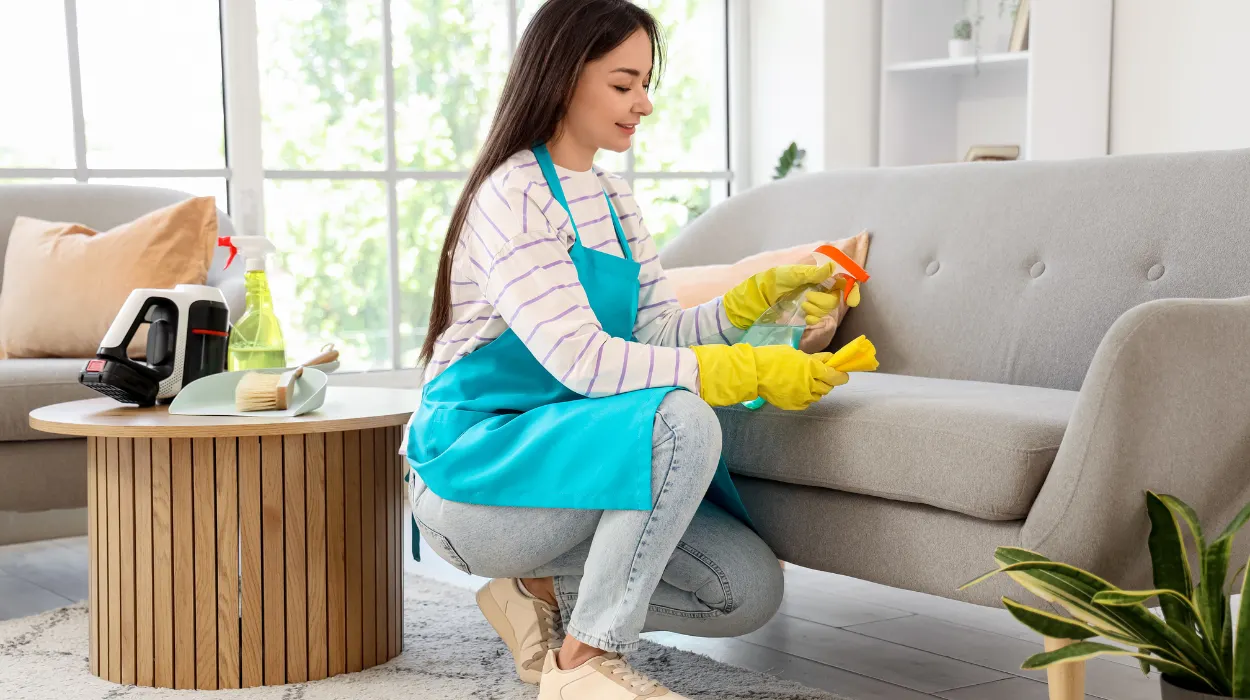
Professional upholstery cleaners are specifically trained to remove both pet odours and stains through deep cleaning methods that target the root causes of odour retention. Beyond surface-level cleaning, modern cleaning-equipment and professional techniques work together to eliminate odour-causing bacteria and embedded pet materials trapped within fabric fibres and cushion padding.
Pet odours penetrate deeper into upholstery than visible stains, which is why generic cleaning approaches often fail to address the problem completely. Professional-grade solutions and extraction methods reach beyond the surface to neutralise odours at their source, making a significant difference between temporary freshness and lasting odour elimination.
Difference Between Surface Stains and Odour Problems
Surface stains from pet accidents are visible marks that most homeowners attempt to clean with household products, yet odours remain embedded within fabric layers long after stains disappear. The distinction matters because a stain on your sofa’s arm is only the tip of a much larger problem occurring deep within the cushion structure and padding beneath.
When pets have accidents or mark territory on upholstery, liquid soaks through multiple fabric layers into the foam and filling materials underneath. As urine dries, salts crystallise and bacteria colonise these deeper layers, creating persistent odours that resist standard vacuuming or spot-cleaning attempts. This is precisely why professional upholstery cleaning services in Oldham emphasise deep extraction methods rather than surface treatments alone.
Understanding this layered problem helps explain why Bee Cleaning Services Manchester recommends professional intervention rather than DIY solutions. The bacteria causing odours multiply in moist environments within cushion padding, and only proper extraction equipment can remove both the liquid sources and the bacteria colonies they harbour. Temporary odour masking with sprays or fragrance might disguise the problem for days, but true odour elimination requires reaching the source.
How Professional Cleaning Equipment Targets Odour-Causing Bacteria
Modern cleaning-equipment used by professionals operates on principles of heat, pressure, and chemical solutions designed to penetrate fabric and padding simultaneously. Hot water extraction, the most common professional method, forces heated water mixed with enzymatic cleaning solutions deep into upholstery fibres while simultaneously extracting contaminated liquid through high-powered suction. This process both removes physical waste and neutralises the bacterial cultures producing odours.
Enzymatic cleaners work differently from standard detergents because they contain active microorganisms that consume organic matter—including urine crystals, fecal matter, and protein-based residues that feed bacteria. As these enzymes work, they break down the compounds bacteria need to survive, effectively eliminating the odour source rather than merely covering it. Professional-grade cleaning-equipment delivers these solutions with sufficient force and temperature to activate enzymes throughout the entire cushion depth, not just surface fibres.
Bee Cleaning Services Manchester invests in commercial-grade extraction equipment that removes up to 95 per cent of water and contaminants from upholstery after treatment. This rapid extraction prevents moisture from remaining trapped, which would allow bacteria to regrow and odours to return. The combination of enzymatic treatment plus thorough extraction is what distinguishes professional odour removal from unsuccessful DIY attempts using household cleaners and wet towels.
Why Pet Odours Persist After Stain Removal
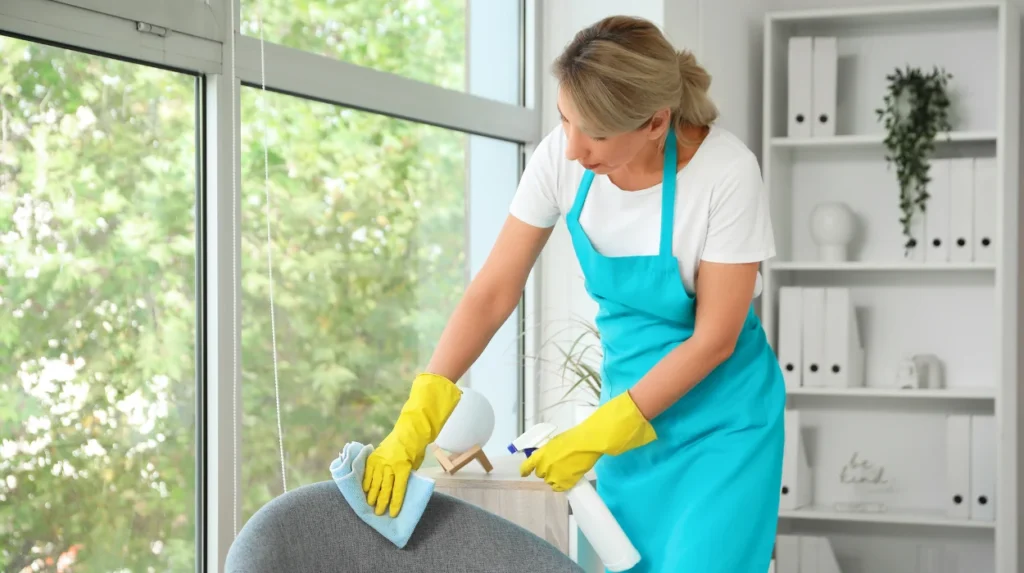
Many homeowners assume that once a visible stain disappears, the odour problem is solved, but this misunderstands how pet accidents affect upholstery structure. Even when a stain is completely removed through spot-cleaning or surface scrubbing, odour molecules remain suspended in padding and fabric fibres, continuously releasing smell into your home’s air. The stain’s disappearance creates a false impression that the cleaning was successful, when in reality, the majority of the contamination remains intact.
Pet urine contains uric acid compounds that don’t fully dissolve in water, meaning standard cleaning won’t extract them completely. These compounds are hygroscopic, meaning they absorb moisture from the air, making them “reactivate” when humidity increases—which is why pet odours often seem worse on humid days or return periodically even after cleaning. Reactivation is a major frustration for pet owners who notice odours returning weeks after initial cleaning attempts, sometimes seeming worse than before.
Professional upholstery cleaning addresses this reactivation problem by using sanitising treatments that chemically break down uric acid compounds at the molecular level. Bee Cleaning Services Manchester applies antimicrobial treatments following extraction to prevent bacterial regrowth and uric acid reactivation. This two-stage approach—deep extraction plus chemical treatment—is essential for permanent odour elimination in homes with persistent pet problems.
The Role of Enzymatic Treatments in Odour Elimination
Enzymatic cleaners have revolutionised professional upholstery care by providing a biological solution to organic contamination problems. These products contain live or dormant bacteria cultures and enzymes that, when activated by moisture and warmth, consume the organic materials causing odours. This process is fundamentally different from surfactants in regular cleaners, which simply break grease into smaller particles that rinse away.
The effectiveness of enzymatic treatments depends on sufficient contact time between the enzyme solution and contaminated areas deep within upholstery. Surface application alone accomplishes little; the solution must penetrate cushion padding and remain moist long enough for enzyme activity to occur. Professional upholstery cleaning in Oldham allows proper dwell time—typically 15 to 30 minutes—before extraction begins, ensuring enzymes fully process organic contaminants before water extraction removes them.
Enzymatic treatments also address bacteria at different life cycle stages. Some enzymes target bacterial cell walls, others dissolve the proteins bacteria need for nutrition, and still others consume the specific organic compounds pet accidents leave behind. This multi-target approach is why professional-strength enzymatic treatments succeed where household enzymes often fail. Bee Cleaning Services Manchester applies these solutions with equipment specifically designed to maintain activation temperature and moisture levels throughout the treatment cycle.
Comparing DIY Solutions to Professional Odour Removal Methods
Household cleaning products and DIY techniques represent the first response many pet owners attempt before contacting professionals, yet they consistently underperform against stubborn odours. Baking soda, activated charcoal, vinegar solutions, and carpet sprays address surface odours through absorption or neutralisation, but they cannot penetrate the depth or force of professional extraction equipment. Additionally, these methods often require repeated applications over weeks to achieve what professional cleaning accomplishes in a single treatment.
The fundamental limitation of DIY approaches is insufficient extraction power and chemical concentration. Household vacuums achieve roughly 10–15 inches of water lift, while professional equipment generates 60–90 inches, creating dramatically different extraction depths. Similarly, household cleaners typically contain 5–10 per cent active cleaning agents, while professional-grade enzymatic solutions contain 20–40 per cent, with preservation systems keeping enzymes viable until application. This combination of force and chemical strength creates results impossible to replicate with consumer products.
Professional upholstery cleaning services in Oldham also apply pre-treatment solutions before main extraction, allowing extra time for enzyme action and oxidative reactions that break down odour molecules. Post-treatment antimicrobial applications prevent bacterial regrowth, which DIY cleaning entirely omits. When you calculate equipment rental costs, expensive enzyme products, and the time investment required, professional services from Bee Cleaning Services Manchester become cost-effective compared to repeated unsuccessful DIY attempts.
Identifying When Professional Treatment is Necessary
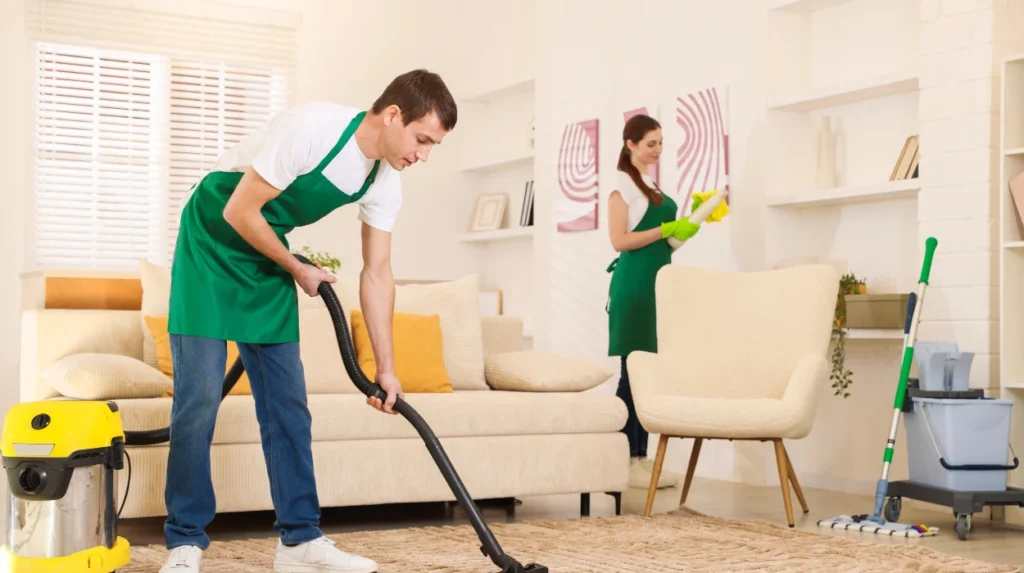
Not every pet-related odour problem requires professional intervention, though most benefit significantly from it. Fresh, small accidents—treated immediately with paper towels and appropriate spot-cleaning—may be manageable with quality household enzymatic products and thorough vacuuming. However, once odours have matured into persistent problems that daily airing and surface cleaning cannot resolve, professional treatment becomes necessary for effective results.
“Professional upholstery cleaning services” in Oldham can assess odour severity and identify whether problems are surface-level or structural. Some situations—multiple old accidents, unknown accident locations, or chemically resistant odours—require professional investigation to locate all contaminated areas. Structural damage from prolonged moisture exposure might necessitate professional-grade treatments that restore rather than simply clean existing upholstery. Pet owners with multiple accidents, immunocompromised household members, or allergy concerns should prioritise professional treatment regardless, as complete odour elimination is worth the investment for health and comfort.
Post-Treatment Care to Maintain Odour-Free Upholstery
Professional cleaning creates the foundation for odour-free upholstery, but maintenance determines whether results persist. Immediate pet accident response is critical—blot urine thoroughly with absorbent materials, apply enzymatic treatment, and allow complete drying. Leaving moisture in upholstery creates conditions for bacterial regrowth and odour redevelopment, potentially negating professional treatment benefits within weeks.
Regular vacuuming removes loose pet hair, dander, and environmental contaminants before they accumulate deep within fabric layers. Weekly or bi-weekly vacuuming, combined with monthly spot-treatment using quality enzymatic products, maintains the odour control that professional cleaning established. Fabric-protective treatments applied during professional cleaning create hydrophobic barriers that help liquids bead on the surface, allowing quicker absorption of spills before they penetrate deeply.
Professional upholstery cleaning every 12 to 18 months maintains optimal odour control, particularly in homes with active pets. Bee Cleaning Services Manchester recommends this schedule based on pet count and accident frequency, with increased frequency for homes experiencing persistent problems. Consider “allergy-focused cleaning for pet-affected homes” if household members show allergic reactions, as complete odour and allergen elimination requires professional intervention beyond standard cleaning.
Understanding Odour Recurrence and Prevention Strategies
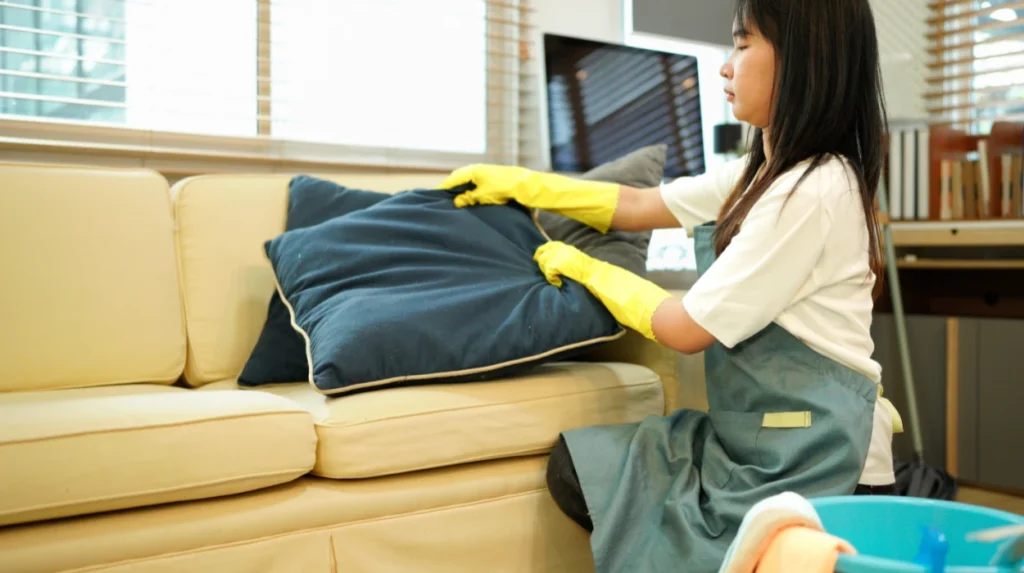
Odour recurrence after professional cleaning often indicates either incomplete initial treatment, new contamination, or unsuitable maintenance practices. If odours return within days, the original contamination may have been deeper or more extensive than initial assessment indicated, necessitating retreatment with extended dwell times or additional passes. If odours reappear after weeks or months, new accidents or inadequate post-treatment drying typically caused the problem.
Environmental factors influence odour intensity and persistence. High humidity accelerates uric acid reactivation, making summer months and rainy seasons present greater challenges for odour control. Improved ventilation, dehumidification, and more frequent professional treatments may be necessary in climates prone to humidity. Seasonal deep cleaning before peak humidity periods helps maintain odour control throughout demanding months.
Prevention focuses on reducing contamination opportunities and responding immediately to accidents. Protective furniture covers, waterproof furniture protectors on pet-accessible upholstery, and training protocols significantly reduce accident frequency. When accidents do occur, immediate enzymatic treatment prevents bacteria colonisation and reduces professional cleaning requirements. Bee Cleaning Services Manchester provides guidance on effective prevention strategies during professional treatments, helping pet owners maintain cleaner furniture between service appointments.
Professional Solutions for Persistent Pet Odours
Professional upholstery cleaners address pet odours through mechanisms—deep extraction, enzymatic degradation, and antimicrobial treatment—that household methods cannot replicate. While DIY approaches manage minor problems and maintain professional results, persistent odours require the specialized equipment, chemical formulations, and expertise that professional services provide. Understanding the difference between surface stain removal and comprehensive odour elimination helps pet owners make informed decisions about when to seek professional help.
Bee Cleaning Services Manchester combines professional-grade equipment with expertise in pet-related contamination, ensuring upholstery receives appropriate treatment for complete odour elimination. Beyond the immediate service, professional cleaning restores furniture comfort and air quality, addressing health concerns from accumulated bacteria and odour compounds. For pet owners struggling with persistent odours that resist household treatment, professional intervention represents the most effective and cost-efficient solution for lasting results and furniture preservation.
FAQs: Common Questions About Pet Odour and Upholstery Cleaning
Can I Remove Pet Odour from Upholstery Without Professional Help?
Small, fresh accidents respond to immediate enzymatic treatment with quality household products, particularly if treated within hours. However, established odours embedded in padding and fabric layers require professional extraction equipment and concentrated chemical solutions to fully eliminate. DIY methods may reduce odour intensity temporarily but rarely achieve complete removal when contamination has penetrated deep into furniture structure, making professional treatment necessary for persistent problems exceeding two weeks of unsuccessful household attempts.
How Long Does Professional Upholstery Cleaning Take to Remove Pet Odours?
A professional treatment typically requires 2–4 hours depending on furniture size and odour severity, with complete drying occurring over 24–48 hours afterward. Enzymatic reactions continue during the drying phase, so odour elimination may not be fully apparent until drying completes. Most clients notice significant improvement immediately after cleaning, with full results evident once furniture dries completely, though Bee Cleaning Services Manchester can discuss individual timelines based on contamination assessment.
Will Pet Odours Return After Professional Cleaning?
Odours return when new accidents occur, when humidity reactivates residual uric acid compounds, or when original contamination was insufficient during initial professional treatment. Proper maintenance, immediate accident response, and environmental control prevent most recurrence. Professional treatments include antimicrobial applications that inhibit bacterial regrowth for extended periods, but eventual bacterial recolonisation through environmental exposure is natural, making periodic professional maintenance beneficial for long-term odour control.
What Cleaning Equipment is Most Effective for Pet Odour Removal?
Hot water extraction equipment generating 60+ inches of water lift with enzymatic solution injection is the industry standard for pet odour removal. Professional-grade suction power, temperature maintenance, and chemical delivery systems cannot be replicated by consumer equipment, making this method the most effective available. Bee Cleaning Services Manchester uses commercial equipment specifically calibrated for deep extraction and enzymatic activation, ensuring superior odour elimination compared to consumer-grade alternatives.
How Much Does Professional Pet Odour Removal Cost?
Pricing varies based on furniture size, contamination severity, and local market rates, typically ranging from £150–£400 for standard upholstered pieces. Severely contaminated furniture or multiple pieces may cost more, while protective treatments and antimicrobial applications involve additional fees. Contact Bee Cleaning Services Manchester for detailed assessment and quotation; professional investment generally costs less than furniture replacement and significantly exceeds DIY approaches’ cumulative expenses across repeated unsuccessful attempts.