
Industrial cleaning and commercial cleaning serve different purposes and require distinct approaches. While commercial cleaning maintains everyday cleanliness in offices and retail spaces, industrial cleaning removes hazardous materials and handles heavy-duty equipment in manufacturing and production environments.
Understanding Industrial Cleaning
Industrial cleaning refers to specialized cleaning services designed for large-scale manufacturing facilities, factories, warehouses, and production plants. This type of cleaning addresses challenges like machinery residue, chemical byproducts, dust accumulation, and contaminated surfaces that standard cleaning methods cannot handle effectively. Industrial facilities often operate continuously, requiring cleaning solutions that minimize downtime and maintain strict compliance with health and safety regulations.
Equipment such as steam cleaners, pressure washers, and specialized chemical treatments are typically employed to remove stubborn materials and ensure surfaces meet industry standards. The scale and complexity of industrial cleaning in Oldham manufacturing sectors demand trained professionals who understand equipment-specific cleaning protocols and safety procedures. Industrial facilities must maintain certification standards, and proper cleaning directly impacts productivity, worker safety, and regulatory compliance.
What Is Commercial Cleaning?
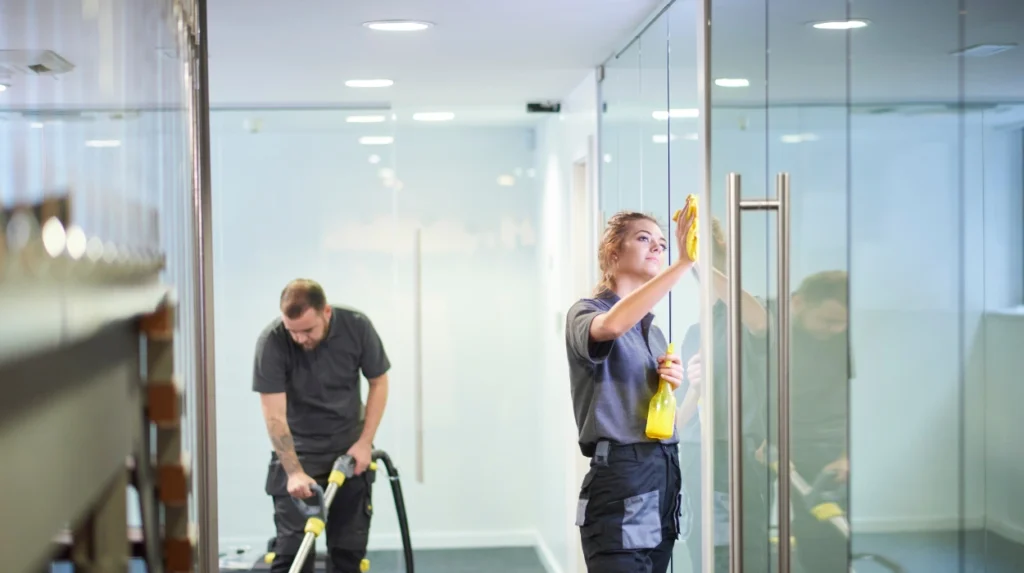
Commercial cleaning encompasses routine cleaning services for offices, retail stores, healthcare facilities, and other business premises. This includes tasks like vacuuming, dusting, restroom sanitation, window cleaning, and general surface maintenance that maintain a professional appearance and healthy work environment. Commercial cleaning focuses on aesthetic presentation and basic hygiene rather than addressing industrial contamination or hazardous materials.
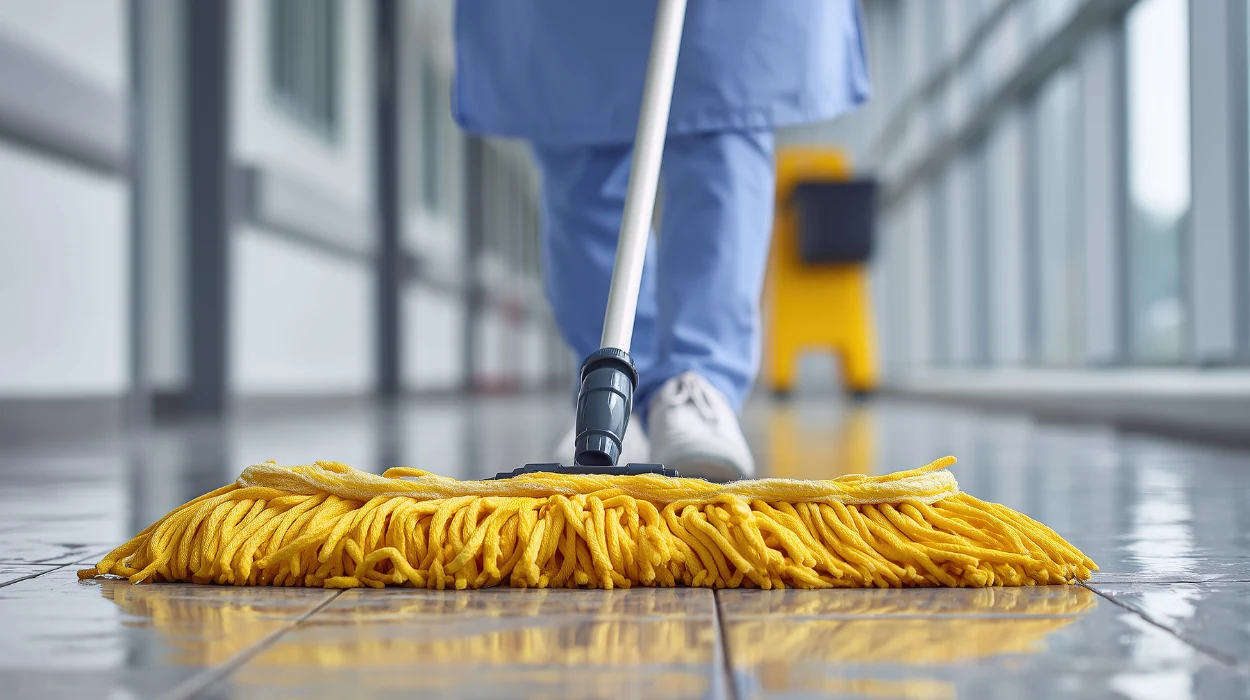
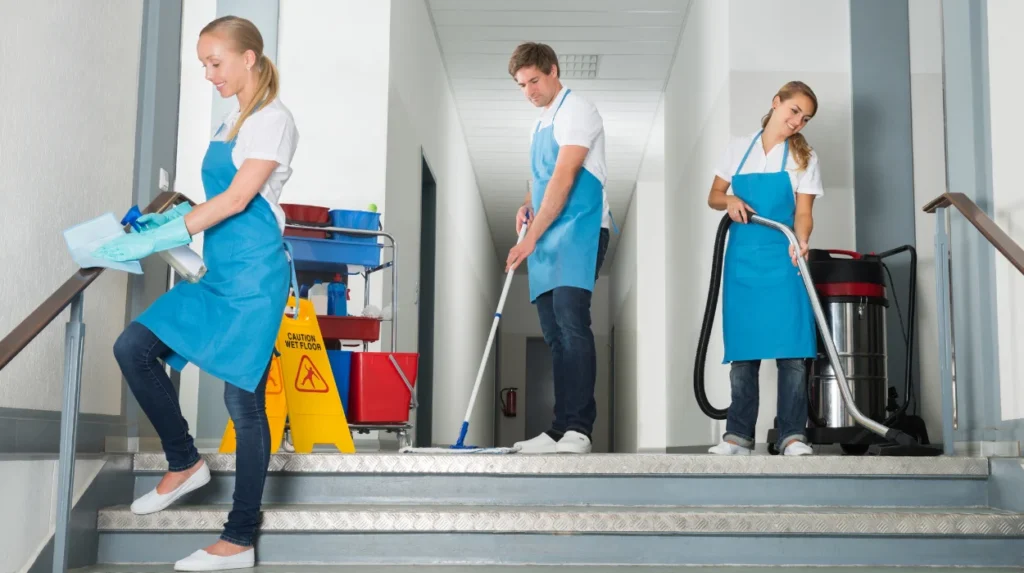
Standard cleaning supplies, mops, vacuums, and conventional disinfectants are typically sufficient for commercial spaces. Most offices and retail locations in Oldham benefit from regular commercial cleaning schedules, whether daily, weekly, or bi-weekly. Commercial cleaning services are essential for maintaining employee morale, visitor impressions, and basic health standards in business environments. The straightforward nature of commercial cleaning means it can be more cost-effective for standard business operations compared to specialized industrial solutions.
Key Differences Between Industrial and Commercial Cleaning in Oldham
The distinction between industrial cleaning and commercial cleaning lies in several critical factors. First, the scope differs significantly industrial cleaning tackles heavy contamination, chemical residues, and hazardous materials, while commercial cleaning addresses everyday dirt, dust, and general sanitation. Second, equipment requirements vary substantially; industrial projects require heavy-duty machinery like industrial pressure washers, steam cleaning systems, and specialized extraction equipment, whereas commercial cleaning relies on standard janitorial tools and equipment.
Third, safety and compliance standards are more rigorous for industrial cleaning, as workers must handle hazardous substances and follow strict regulatory guidelines, while commercial cleaning requires standard workplace safety protocols. Fourth, the training and expertise needed differ markedly—industrial cleaners must understand machinery, chemical handling, and contamination protocols, whereas commercial cleaners focus on efficient, consistent service delivery. Finally, cost structures vary because industrial cleaning demands more specialized labor, equipment investment, and time-intensive processes compared to commercial cleaning services. Understanding these differences helps Oldham facility managers identify which service type their operations truly require.
Why This Distinction Matters for Oldham Facilities
For facility managers in Oldham, selecting the right cleaning service directly impacts operational efficiency and regulatory compliance. Manufacturing plants and industrial operations cannot rely on standard commercial cleaning to address machinery contamination or chemical residues that accumulate during production processes. Using commercial cleaning services on industrial equipment risks inadequate cleaning, potential equipment damage, and regulatory violations that could result in fines or production shutdowns.
Conversely, paying for expensive industrial cleaning services when basic commercial cleaning suffices wastes budgets unnecessarily. Selecting appropriate cleaning solutions requires understanding what your facility actually processes, stores, and manufactures. Many Oldham businesses operate on the borderline between commercial and industrial a light manufacturing facility or warehouse might need a hybrid approach combining both service types. Professional assessment ensures facilities receive suitable cleaning protocols that maintain safety, extend equipment lifespan, and keep operations compliant with UK health and safety standards.
Choosing the Right Cleaning Service in Oldham
Selecting between industrial cleaning and commercial cleaning services requires evaluating your specific operational needs. Consider the materials your facility handles if machinery, chemicals, or hazardous substances are involved, industrial cleaning is essential. Assess the current condition of your premises; visible contamination, stubborn residue, or equipment buildup suggests industrial cleaning requirements. Review your regulatory obligations; manufacturing and production facilities must maintain specific cleanliness standards to remain compliant with environmental and occupational health regulations.
Evaluate your budget and cleaning frequency needs; industrial cleaning typically costs more but less frequently, while commercial cleaning is more affordable but required more regularly. When you need professional commercial cleaning services in Oldham, experienced providers can assess your specific situation and recommend the most appropriate solution. Bee Cleaning Services Manchester specializes in both industrial and commercial cleaning, allowing facility managers to access expert guidance on determining which service type suits their operations. Taking time to select the right partner ensures optimal facility cleanliness, regulatory compliance, and cost-effectiveness.
Equipment and Process Differences
Industrial cleaning processes rely on specialized equipment unavailable in standard commercial cleaning operations. Pressure washers rated for industrial use, capable of handling high PSI (pounds per square inch) levels, remove hardened contaminants and chemical buildup from surfaces and machinery. Steam cleaning systems deliver superheated water to dissolve grease, oil, and manufacturing residues without harsh chemicals, making them essential for food processing and pharmaceutical facilities in Oldham. Specialized extraction systems remove contaminated water and hazardous materials safely, preventing environmental contamination and regulatory violations. Chemical treatments used in industrial cleaning are often more potent and require certified handling to prevent workplace injuries and environmental damage. Commercial cleaning typically employs standard equipment like vacuum cleaners, microfiber mops, and conventional cleaning solutions that effectively maintain office and retail environments. Understanding these equipment differences explains why attempting industrial cleaning with commercial tools and supplies proves ineffective and potentially dangerous for both facilities and workers.
Understanding the distinction between industrial cleaning and commercial cleaning empowers Oldham facility managers to make informed decisions about their specific cleaning needs. Industrial cleaning addresses the specialized challenges of manufacturing, production, and warehouse environments through heavy-duty equipment, specialized chemicals, and certified expertise that commercial cleaning cannot provide. Commercial cleaning maintains everyday cleanliness in offices, retail spaces, and administrative areas where hazardous materials are absent. Rather than viewing these services as interchangeable options, professional facilities benefit from recognizing their distinct purposes and selecting appropriate solutions based on actual operational requirements.
Whether your business requires specialized industrial cleaning services for manufacturing areas or comprehensive commercial cleaning services in Oldham for your office spaces, Bee Cleaning Services Manchester provides expert assessment and tailored solutions. For facility managers seeking guidance on optimizing office cleanliness and facility maintenance, explore developing an office cleaning checklist for Oldham facility managers. For specialized needs like communications room cleaning requiring expert technical knowledge, discover why specialist provider expertise matters for sensitive infrastructure cleaning in Oldham. Professional cleaning expertise ensures facilities remain safe, compliant, and operationally efficient.
FAQs: Industrial Cleaning Questions Facility Managers Ask
Can commercial cleaning services handle light manufacturing facilities?
Light manufacturing facilities may sometimes benefit from commercial cleaning for office areas and general spaces, but production areas typically require industrial cleaning expertise. The answer depends on whether hazardous materials, machinery residue, or chemical byproducts are present in production zones. Most hybrid facilities benefit from combining both service types—commercial cleaning for administrative areas and industrial cleaning for manufacturing spaces. Professional assessment helps determine the appropriate approach for your specific operations.
What certifications should industrial cleaning providers have in Oldham?
Professional industrial cleaning companies should hold certifications demonstrating expertise in hazardous material handling, COSHH (Control of Substances Hazardous to Health) compliance, and workplace safety standards. Additional certifications in specialized areas like asbestos removal, chemical handling, or food safety depending on your industry ensure workers possess necessary expertise. Insurance coverage for industrial cleaning protects both your facility and the cleaning company in case of accidents or equipment damage. Always verify credentials and insurance before hiring providers for industrial cleaning projects.
How often should industrial facilities schedule cleaning services?
Cleaning frequency for industrial facilities depends on the type of manufacturing, materials handled, and regulatory requirements specific to your industry. Heavy manufacturing environments might require weekly or bi-weekly deep industrial cleaning, while lighter operations might need monthly sessions supplemented by daily commercial cleaning in office areas. Regulatory standards often dictate minimum cleaning frequencies—pharmaceutical facilities, for example, have strict cleaning schedules. Developing a customized cleaning schedule with experienced providers ensures compliance while optimizing operational efficiency and budget allocation.
Are industrial cleaning chemicals safe for employee health?
Modern industrial cleaning chemicals, when properly applied by certified professionals, pose minimal risk to employee safety when handled according to manufacturer guidelines and health regulations. Professional providers understand ventilation requirements, protective equipment needs, and proper dilution ratios to minimize exposure risks. It’s essential to discuss chemical safety with your cleaning provider and ensure they follow UK environmental protection regulations. Rushing employees back into freshly cleaned areas before proper ventilation can create health hazards, so timing coordination is crucial.
What’s the difference between industrial cleaning and maintenance cleaning?
Industrial cleaning addresses deep contamination, chemical buildup, and hazardous material removal—typically performed periodically when significant contamination is present. Maintenance cleaning refers to regular commercial cleaning that keeps facilities clean between deep cleaning sessions and focuses on preventing heavy contamination from accumulating. Most Oldham facilities benefit from regular maintenance cleaning paired with periodic deep industrial cleaning sessions. Establishing both routine maintenance and periodic deep cleaning creates comprehensive facility management that balances cost with cleanliness and safety standards.