

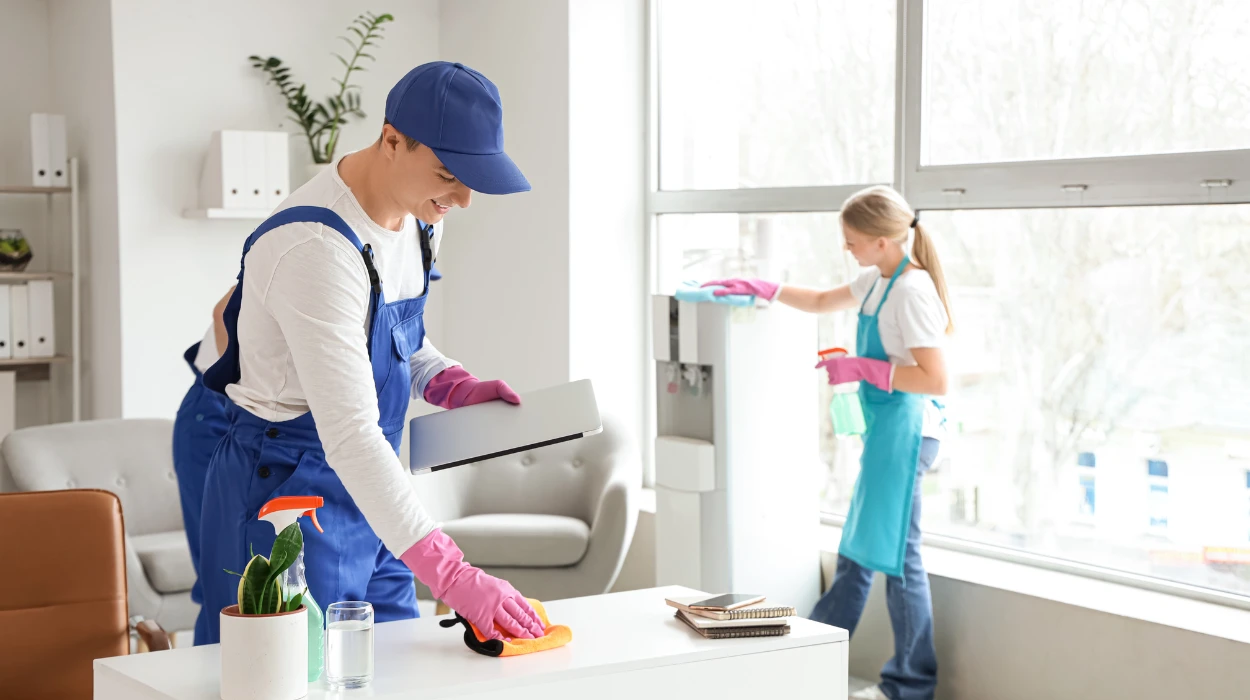
You can keep a small office clean without hiring full-time cleaning staff. A combination of daily maintenance routines, the right cleaning-equipment, and strategic weekly deep cleaning ensures professional standards. Small offices benefit most from outsourcing periodic professional cleaning while implementing practical daily care systems.
Keeping a small office clean without a full-time cleaner requires strategic planning rather than constant effort. Most small offices can maintain cleanliness through structured schedules, employee involvement, and occasional professional support. The misconception that only dedicated cleaning staff can manage office hygiene prevents many businesses from discovering cost-effective alternatives.
Small offices differ significantly from large corporate spaces. With fewer employees and smaller square footage, maintaining basic hygiene becomes manageable when systems are clear. The challenge lies not in scale but in consistency and addressing deeper cleaning needs that routine tidying cannot solve. Understanding this distinction helps small business owners develop realistic expectations about what in-house cleaning can achieve.
Daily Maintenance Routines That Work
The foundation of office cleanliness rests on simple daily habits performed by existing staff. Each employee should spend five minutes at the end of their workday tidying their immediate workspace. This includes wiping desks, throwing away waste, and organizing materials. When multiplied across your team, these small actions prevent clutter accumulation that makes offices appear neglected.
Focus daily attention on high-touch surfaces where germs concentrate. Keyboards, mouse pads, phone handsets, and door handles should be wiped daily with appropriate disinfectant. These contact points directly impact both hygiene and employee wellness. Restocking bathroom supplies daily ensures facilities remain professional throughout the day, sending a message to clients and staff about your business standards.
Reception areas and meeting spaces deserve extra attention during operational hours. Quick sweeps and surface checks multiple times daily maintain these customer-facing zones. Many small offices designate a rotating responsibility system where employees take turns performing fifteen-minute cleanings between major tasks. This distributes responsibility fairly and ensures consistent oversight.
Essential Cleaning-Equipment for Small Offices
Investing in appropriate cleaning-equipment eliminates dependency on expensive external services for routine maintenance. Quality microfiber cloths outperform traditional cotton towels because they trap dust particles rather than spreading them. A small office should maintain separate colored cloths for different zones: blue for general surfaces, yellow for bathrooms, and white for kitchen areas.
A lightweight upright or cordless vacuum cleaner enables quick floor maintenance without dragging heavy equipment through work areas. Most small offices need daily vacuuming in common areas and weekly vacuuming in individual offices. Modern lightweight models operate quietly, minimizing disruption during business hours. Carpet freshener and spot-cleaning solutions address spills immediately, preventing stains from setting.
Bathroom cleaning requires dedicated equipment including toilet brushes, disinfectant cleaners, and microfiber mop systems. Hand sanitizing stations positioned strategically throughout the office encourage hygiene practices beyond visible cleaning. Floor mats at entrances catch moisture and debris before they spread into work areas, significantly reducing overall cleaning burden. These initial investments pay dividends through reduced contamination and extended cleaning intervals.
Weekly Deep Cleaning Tasks
Daily maintenance handles surface-level cleanliness, but weekly deeper work addresses areas impossible to maintain daily. Floors benefit from thorough vacuuming followed by damp mopping using appropriate floor cleaner. Carpeted areas need weekly vacuuming plus monthly shampooing or professional extraction cleaning. Hard floors require weekly damp mopping to eliminate tracked-in debris and maintain appearance.
Windows, mirrors, and glass surfaces need weekly attention for professional appearance. Dusty glass immediately signals a neglected office to visitors. Kitchen and break room areas require dedicated weekly cleaning including appliance wiping, refrigerator organization, and trash disposal. These spaces concentrate germs and food waste, necessitating more rigorous treatment than general office areas.
Bathroom deep cleaning weekly ensures facilities meet hygiene standards. Beyond daily wiping, this includes grout cleaning, shower or tub maintenance if applicable, and floor treatment. Corners, baseboards, and often-overlooked areas accumulate dust weekly and require targeted attention. Creating a checklist prevents tasks from slipping through rotating employee responsibility systems.
When Professional Office Cleaning Services Make Sense
Even with diligent daily routines, certain tasks require professional expertise and equipment. Bee Cleaning Services Manchester offers office cleaning services specifically designed for small businesses. Professional cleaners reach areas employees miss and use commercial-grade equipment delivering superior results. Scheduling professional services monthly or quarterly fills gaps between employee maintenance efforts.
Professional office cleaning services in Oldham provide specialized attention to carpets, upholstery, and high-wall surfaces. These elements deteriorate rapidly without proper equipment and techniques. Bee Cleaning Services Manchester can assess your specific office needs and recommend optimal cleaning frequencies based on traffic patterns, office size, and industry requirements.
The cost-benefit analysis favors occasional professional service over full-time cleaning staff for most small offices. Monthly professional deep cleaning combined with daily employee maintenance typically costs forty to sixty percent less than dedicated cleaning personnel. This approach also provides flexibility as your business grows or circumstances change.
Hygiene Standards Without Dedicated Staff
How to keep a small office clean without a full-time cleaner ultimately depends on establishing measurable hygiene standards. Define specific cleaning expectations in writing and communicate them clearly to all staff members. Standards might include restroom conditions, floor cleanliness levels, and kitchen organization protocols. When expectations are explicit, employee contributions increase significantly.
Implementing a simple tracking system ensures accountability and prevents forgotten tasks. A whiteboard or digital checklist showing daily and weekly responsibilities helps staff stay oriented. Monthly manager reviews of cleanliness levels provide feedback opportunities and reinforce importance. This transparent approach removes ambiguity and spreads responsibility appropriately.
Consider the psychological impact of visible cleanliness on employee satisfaction and client perception. Professional offices directly improve business reputation, client confidence, and employee morale. The modest effort required for maintaining basic cleanliness generates returns through these intangible benefits.
Seasonal Deep Cleaning Considerations
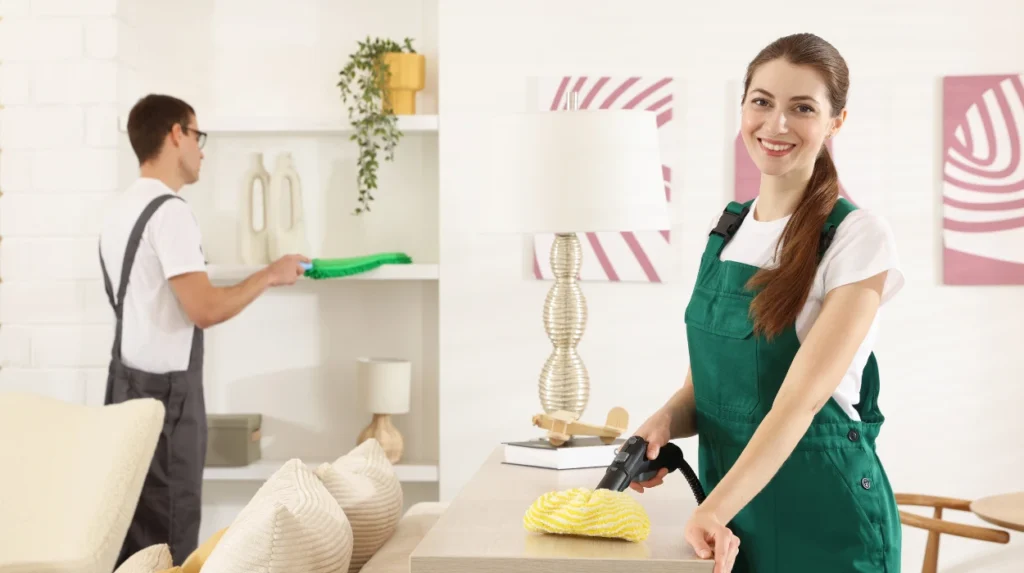
Beyond weekly routines, seasonal deep cleaning addresses longer-cycle maintenance. Spring and fall cleaning traditionally focus on areas neglected during heavy office seasons. Carpets require professional cleaning twice yearly in high-traffic offices. Air vents, light fixtures, and ceiling areas accumulate dust requiring periodic deep attention that cannot be addressed through routine cleaning-equipment use.
Seasonal deep cleaning is the ideal moment to engage professional services. Bee Cleaning Services Manchester handles comprehensive seasonal maintenance efficiently, restoring offices to nearly new condition. This annual or semi-annual professional intervention maintains long-term asset values including carpeting, upholstery, and finishes.
Cost Management Without Compromising Quality
Maintaining clean offices while managing budgets requires strategic resource allocation. Purchasing quality cleaning-equipment upfront reduces long-term costs through durability and effectiveness. Professional-grade supplies cost slightly more than consumer products but deliver superior results using smaller quantities. Bulk purchasing and supplier relationships further reduce ongoing supply costs.
Comparing the total cost of employee time spent cleaning against professional service pricing often surprises small business owners. When you calculate hourly wages for time spent cleaning, outsourcing periodic professional service frequently proves more economical. Bee Cleaning Services Manchester provides transparent pricing for office cleaning services in Oldham, enabling accurate cost comparison. Understanding what’s included in commercial cleaning quotes ensures you receive fair value and plan budget allocation appropriately.
Building Employee Accountability
Successful small office cleaning depends on employee participation and understanding. Brief team meetings establishing cleaning expectations create ownership. When employees understand that management prioritizes professional appearance, they naturally maintain higher standards. Recognizing or acknowledging departments maintaining excellent cleanliness standards encourages continued effort.
Making cleaning responsibilities part of job descriptions clarifies expectations. Rotating daily and weekly assignments prevents any single employee bearing burden. This distribution also ensures no one feels underappreciated or unfairly tasked with cleaning responsibilities.
Maintaining a professionally clean small office without dedicated cleaning staff requires combining daily maintenance habits, strategic weekly tasks, and occasional professional service. Effective systems, appropriate cleaning-equipment, and clear employee expectations enable small offices to present polished professional images while controlling costs. The flexibility of outsourcing periodic professional cleaning services ensures your office consistently meets client expectations and supports employee wellness. Bee Cleaning Services Manchester specializes in supporting small businesses like yours through flexible, professional office cleaning services, allowing you to focus on core business operations while maintaining the highest cleanliness standards.
Frequently Asked Questions
What cleaning-equipment do small offices absolutely need?
Small offices require microfiber cloths in multiple colors, a lightweight vacuum cleaner, disinfectant sprays, mops for hard floors, and toilet cleaning supplies. Quality microfiber cloths and a cordless vacuum handle approximately eighty percent of routine maintenance needs. Additional equipment like floor mats, hand sanitizing stations, and carpet freshener significantly enhance daily cleaning results. Investing in five essential items typically covers most routine office cleaning requirements. Professional-grade supplies prove more cost-effective than cheap alternatives over time.
How often should small offices get professional cleaning?
Small offices benefit from professional cleaning monthly or quarterly depending on traffic and industry. High-traffic areas may need monthly deep cleaning while lighter-use spaces function well with quarterly professional service. The remaining time relies on employee daily and weekly maintenance efforts. Monthly professional service typically provides optimal balance between cost and cleanliness standards. Professional assessment during initial service helps determine ideal frequency for your specific situation.
Can employees effectively handle all office cleaning tasks?
Employees can handle routine daily and weekly maintenance effectively with clear systems and expectations. However, professional-grade equipment and techniques benefit carpets, high surfaces, and specialized areas. Employees lack industrial-strength cleaning solutions and specialized equipment for thorough deep cleaning. Most small offices function well with employee routine care supplemented by quarterly professional deep cleaning. This hybrid approach maintains professional standards while maximizing your cleaning budget.
How much time do daily office cleaning routines actually require?
Daily office cleaning typically requires thirty to forty-five minutes total distributed across your entire team. When spread among five to ten employees, individual contribution amounts to five to ten minutes daily. End-of-day tidying, surface wiping, and quick bathroom checks consume minimal time individually. This minimal time investment prevents significant cleanliness problems from developing. Calculating the cost of this employee time against professional service pricing reveals significant savings.
What are the benefits of outsourcing periodic professional cleaning?
Professional cleaning services use industrial equipment and solutions delivering results impossible through routine employee effort. Outsourcing eliminates employee time spent cleaning, improving productivity for core business activities. Professional services ensure compliance with health and hygiene standards, particularly important for businesses serving clients. Periodic professional deep cleaning extends the lifespan of carpets, upholstery, and finishes. This specialized expertise proves especially valuable for seasonal deep cleaning and maintenance of high-value office elements.