

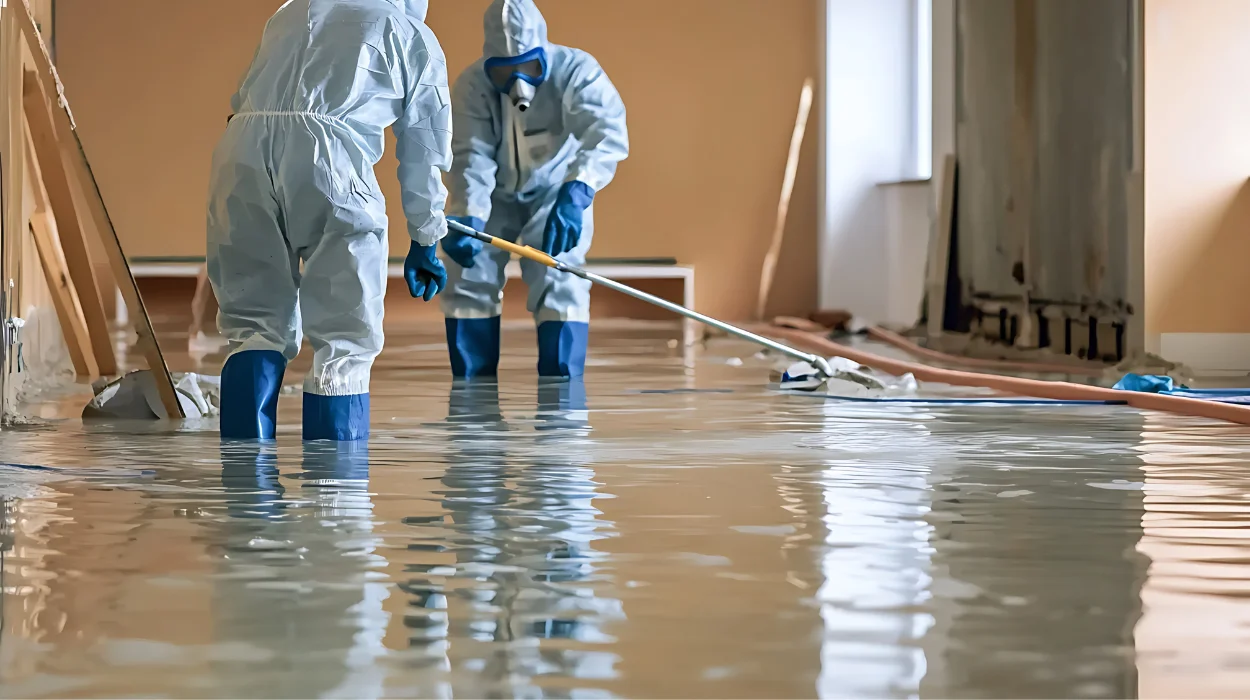
The difference between regular cleaning and post construction cleanup is scope and intensity. Regular cleaning maintains a space that is already in use, while post construction cleanup removes building dust, debris and residue so a newly built or renovated space is safe and ready to occupy.
Regular cleaning is a maintenance routine designed to keep a home or workplace hygienic between occupants’ daily activities. It usually covers dusting surfaces, vacuuming carpets, mopping hard floors, wiping kitchen and bathroom areas, and emptying bins. The dirt involved is light and familiar, such as food crumbs, skin cells, pet hair and everyday grime. Because these soils build up slowly, standard household products and a small kit of tools are normally enough. A visit often lasts between one and four hours depending on property size, and it repeats weekly or fortnightly to prevent buildup.
What Post Construction Cleanup Involves
Post construction cleanup, also called builders cleaning or after builders cleaning, deals with the mess left once trades have finished. This includes fine plaster and cement dust, sawdust, paint splashes, adhesive marks, silicone smears, stickers on glass and leftover packaging. Unlike household dirt, this material is abrasive and can scratch floors, windows and fixtures if it is wiped away incorrectly. The work is usually staged, starting with debris removal and rough dusting, then moving to detailed surface cleaning. It is a one-off project, and it often takes a team of cleaners many hours or several days.
Type and Volume of Dirt
The most obvious contrast lies in the kind of dirt being removed. Regular cleaning handles organic and greasy soils that dissolve or lift with mild detergents. Construction sites produce mineral and chemical residues, including gypsum, concrete slurry, grout haze and dried paint, which cling to surfaces and resist ordinary cleaning products. The quantity is also far greater, since a single renovated room can hold layers of dust in vents, on ceilings, inside cupboards and along skirting boards. Fine particles are easily disturbed, so they settle again unless the cleaning order is planned carefully.
Equipment and Methods Used
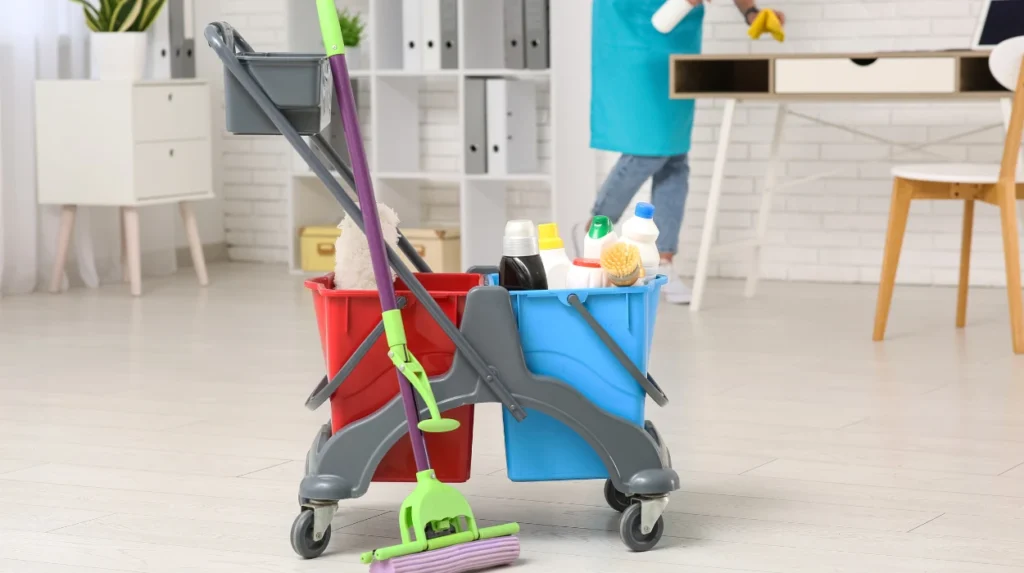
Cleaning equipment is where the two services separate most clearly. A regular clean relies on a standard vacuum, microfibre cloths, mops and multipurpose sprays. Post construction work calls for HEPA filtered vacuums that trap fine dust instead of recirculating it, scrapers for paint and adhesive, razor blades for glass, steam cleaners, floor scrubbers and specialist descalers for grout haze. Cleaners also use surface-specific products so that stone, laminate, tile and stainless steel are not damaged. Protective gear such as masks, gloves and eyewear is common because of airborne dust and stronger chemicals.
Time, Labour and Cost Factors
Post construction cleanup takes longer and needs more labour than a routine clean, which is why it is usually quoted per project instead of per hour. Pricing depends on the floor area, the level of dust and debris, the number of rooms, the type of finishes and how many stages the job needs. A property with heavy plastering will need more time than one where only minor decorating took place. Regular cleaning, by contrast, follows a predictable schedule and a stable price because the workload is consistent from one visit to the next.
Why Timing and Sequence Matter
Construction cleaning follows a sequence because cleaning in the wrong order simply moves dirt around. Professionals begin with a rough clean to clear large debris, then tackle high surfaces such as light fittings and ceilings before working downward to windows, fixtures and finally floors. This top-to-bottom approach stops settled dust from falling onto areas that have already been finished. Many projects involve a touch-up clean during works and a detailed final clean before handover. You can read more about how those stages differ in this guide to <a href=”/touch-up-cleaning-vs-final-clean-after-building-work”>touch up cleaning versus a final clean after building work.
Health, Safety and Handover Standards
Regular cleaning aims for comfort and hygiene, but post construction cleanup also supports safety and compliance. Fine silica and cement dust can irritate the eyes, throat and lungs, and leftover nails, screws and sharp offcuts create injury risks. A thorough clean helps ensure that floors are safe to walk on, air vents are clear and surfaces are fit for use. Builders, landlords and property managers often need the space to be spotless before final inspection, snagging or tenant move-in. Meeting that standard usually takes a specialist process instead of a routine visit.
Choosing the Right Service for Your Property

Deciding between the two comes down to the state of the property. If a space is already occupied and simply needs upkeep, regular cleaning is the right fit. If building, refurbishment or fit-out work has just finished, only a specialist service is suitable. Homeowners in the area can look at after builders cleaning in Oldham for a spotless finish after renovations. Businesses handling larger fit-outs may prefer commercial post construction cleaning for Oldham offices and retail, which is planned around access, safety and opening dates.
Common Mistakes to Avoid
A frequent mistake is assuming a normal cleaner can handle builders dust with a household vacuum and a damp cloth. This often smears fine dust into a film and can scratch delicate surfaces. Another error is cleaning too early, before all trades have left, which means the same areas need cleaning again. Skipping vents, window tracks and the tops of cupboards is also common, and dust from those places returns quickly. Planning the clean around the end of the project schedule saves time and avoids repeat work.
The difference between regular cleaning and post construction cleanup ultimately reflects the type of mess, the tools required and the standard expected at handover. Bee Cleaning Services Manchester provides professional cleaning solutions for both routine upkeep and after-building projects, using suitable methods and equipment for each situation. Understanding which service applies helps property owners plan their budget and timeline with confidence.
Frequently Asked Questions
Can I use my regular cleaner after building work?
You can, but results are usually poor without the right tools. Builders dust is fine and abrasive, so ordinary vacuums and cloths spread it around. Regular cleaners may also lack HEPA equipment and surface-safe products. Specialist teams follow a set order and handle paint, adhesive and grout residue properly. For a proper handover finish, a post construction service is the safer choice.
How long does post construction cleaning take?
It depends on the property size and how dusty it is. A small renovated room may take a few hours, while a whole house or commercial unit can take one to several days. Multi-stage jobs with a rough clean and a final clean take longer. Teams usually inspect the site first to estimate the time. Access to water and electricity also affects the schedule.
Why does dust keep coming back after builders leave?
Construction dust is extremely fine and settles in hidden places such as vents, ceilings, and behind fittings. Walking and air movement lift it again and redistribute it. Cleaning from top to bottom and using HEPA filtered vacuums reduces this problem. Wiping surfaces and washing floors last also helps. Sealing the room during works limits how far the dust spreads.
Is post construction cleaning worth the cost?
Many property owners find it worthwhile because it saves time and prevents damage from incorrect cleaning. Professionals remove residues that can stain or scratch finishes and prepare the space for inspection or move-in. It also reduces health risks from lingering dust. Doing it yourself often takes several days and may need equipment you do not own. The value is greatest on larger or high-spec projects.
When should I book a builders clean?
Book it once the trades have finished but before you move furniture back in. Booking early helps you secure a slot that matches your handover date. Many people arrange it while snagging is underway so the final clean happens after last repairs. Cleaning too soon means paying twice. Ask the contractor for the finish date to time it well.