


Eco-friendly office cleaning products are certified, low-toxicity cleaning agents that protect staff health, indoor air quality and surfaces. Ask your cleaning company for product certifications, safety data sheets, dilution methods, equipment details and staff training records. These five areas show whether a provider uses genuinely greener methods or simply relies on marketing language. Many offices now include sustainability in supplier checks, and cleaning is one of the easiest services to review. The answers also reveal how organised and transparent a contractor is. A clear, documented response usually points to a provider with consistent standards across every site it serves.
Why the Products Your Cleaners Use Deserve Attention
Offices are enclosed spaces where people spend most of the working day, so the chemicals used overnight affect the air and surfaces staff touch the next morning. Strong fragrances, solvent residues and aerosol sprays can contribute to headaches, skin irritation and respiratory discomfort, especially for people with asthma or allergies. Greener products are generally formulated with plant-based surfactants, fewer volatile organic compounds and biodegradable ingredients. This reduces exposure inside the workplace and limits what enters the drainage system after use. Good hygiene still matters first, and you can read more about this in our guide on why workplace hygiene matters more than you think.
Greener does not mean weaker. A well-formulated product can remove grease, limescale and bacteria effectively when it is matched to the right surface and used at the correct strength. Problems appear when a contractor swaps in a mild product without adjusting contact time or technique, then the office looks clean but is not properly sanitised. The best providers choose products for specific tasks, such as washrooms, kitchens, glass and carpets. They can explain why each product was chosen. That explanation is a useful early signal of professional competence.
Which Certifications and Documents Should You Ask For?
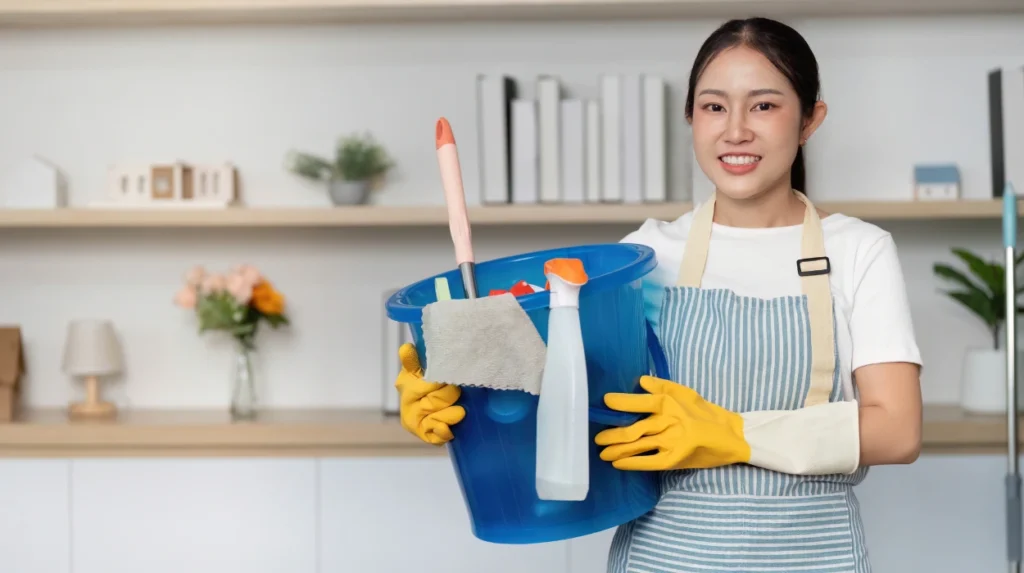
The first question is which independent certifications back the products. Recognised schemes such as the EU Ecolabel and the Nordic Swan Ecolabel assess ingredients, biodegradability and packaging against published criteria. A product labelled “natural” or “green” without third-party verification tells you very little, because those words are not tightly regulated on cleaning labels. Ask for the brand names being used on your site and check them against the certification body’s public database. A reliable contractor will share this information without hesitation and will not treat the request as unusual. It takes only a few minutes to verify and gives you a firm basis for comparison.
The second question is whether the company can provide safety data sheets. In the UK, employers have duties under COSHH regulations to manage hazardous substances, and cleaning chemicals fall within that scope. Safety data sheets list ingredients, hazards, first aid measures and storage requirements in a standard format. They also let your facilities lead confirm that nothing conflicts with your own health and safety policy. If a provider cannot produce these documents quickly, that suggests weak chemical management. Reviewing them also helps you spot products that carry hazard warnings despite an eco-friendly label.
How Cleaning Equipment Changes the Environmental Impact
Products are only half the picture, because cleaning equipment determines how much chemical, water and energy a job actually needs. Microfibre cloths and mops trap dust and bacteria mechanically, which reduces reliance on chemical sprays. Vacuum cleaners with HEPA filtration capture fine particles instead of releasing them back into the air, which matters in open-plan offices with carpet. Colour-coded cloths and buckets prevent cross-contamination between washrooms, kitchens and desks. Ask your cleaning company what equipment it brings, how often it is maintained and whether it uses energy-efficient or battery-powered machines where practical.
Well-maintained cleaning equipment also affects consistency. A worn mop head or a blocked vacuum filter spreads dirt rather than removing it, no matter how good the product is. Providers that service their machines and replace consumables on a schedule deliver more predictable results. Equipment choice also influences noise, which can matter if cleaning takes place during working hours. When you discuss products, include equipment in the same conversation. The two work as a system, and a greener product used with poor tools rarely delivers a greener outcome.
Dilution, Training and Waste: Where Sustainability Is Proven
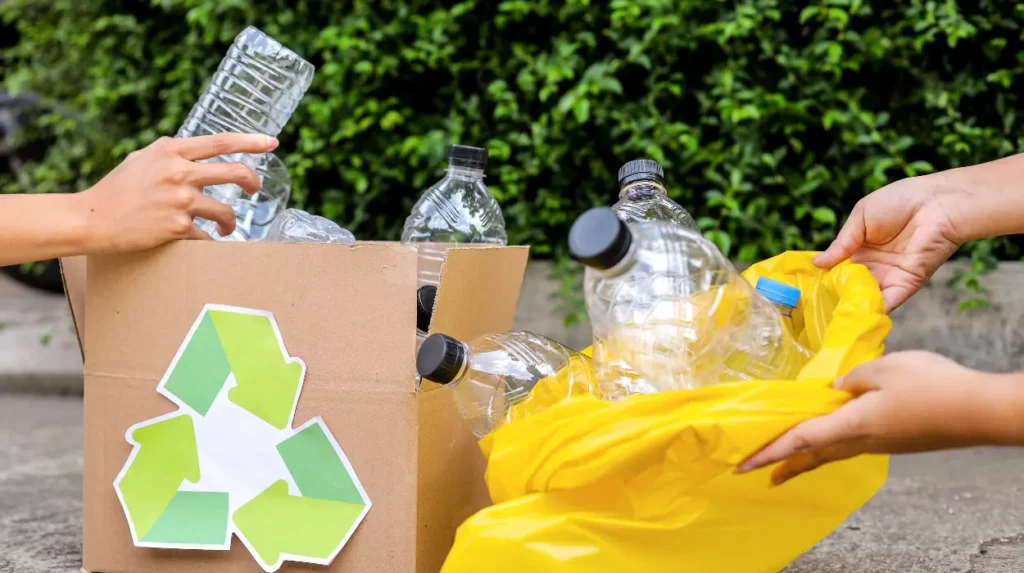
Many of the environmental gains in cleaning come from correct dilution. Concentrated products measured through dosing systems avoid the waste that occurs when staff pour by eye, and they cut the number of plastic bottles delivered to site. Ask how the company controls dosing and whether staff are trained to follow dilution instructions on each product. Overuse is a common problem, because people assume more chemical means a cleaner result. In practice it leaves residue, attracts dirt and increases cost. Proper dosing protects both the environment and your budget.
Training is the fourth area to explore. Cleaners should understand product labels, correct contact times, safe storage and how to avoid mixing incompatible chemicals. A provider should be able to describe its induction process and how often refresher training takes place. The fifth area is waste, including how empty containers are recycled and how used cloths are laundered. Reusable, launderable cloths reduce disposable waste significantly compared with single-use wipes. These practical details show whether sustainability is part of daily operations or only a line in a brochure.
What Eco-Friendly Office Cleaning Should Look Like in Oldham
Businesses comparing Office Cleaning Services in Oldham can use these five questions as a simple checklist during a site visit or tender review. A good provider will survey the premises, note floor types, washroom numbers and high-touch areas, then recommend products and methods suited to each. It will also explain how cleaning schedules, supplies and reporting will work. Bee Cleaning Services Manchester supports offices with professional office cleaning services in Oldham that are planned around the building, the team and the standard of hygiene required.
Trust also depends on accountability. Before signing a contract, confirm that the cleaners are vetted and covered by public liability insurance, since this protects your premises and your staff. You can compare what to look for in our guide to vetted and insured office cleaners in Oldham. A professional contractor will welcome these checks and provide documents on request. Clear answers on products, equipment, training and insurance together give you a reliable picture of the service you will receive.
Choosing a cleaning provider is easier when you know which questions reveal real standards. Certifications, safety data sheets, cleaning equipment, dilution control and training together show how seriously a company treats health and sustainability. Bee Cleaning Services Manchester provides professional cleaning solutions for offices that want clear information about the products and methods used in their workplace, with services planned around each building and its daily routine.
Frequently Asked Questions
Are eco-friendly cleaning products as effective as standard chemicals?
Yes, when they are well formulated and used correctly. Certified products can remove grease, dirt and bacteria effectively on most office surfaces. Results depend on correct dilution, contact time and the right equipment. For heavy soiling or disinfection needs, professionals select the appropriate product for the task.
How can I tell if a cleaning product is genuinely green?
Look for independent certifications such as the EU Ecolabel or the Nordic Swan Ecolabel rather than words like “natural” on the label. Request the safety data sheet to review the ingredients and hazard information. You can also check the product against the certifier’s public database.
Do eco-friendly products cost more for offices?
Concentrated products with proper dosing often reduce waste and packaging, which can offset higher unit prices. Costs vary by supplier and by the size of the office. Ask for a quote that lists products and methods so you can compare like for like.
Can green cleaning products still disinfect washrooms and kitchens?
Yes, some certified products and non-chemical methods are suitable for sanitising. Washrooms and kitchens still need a verified disinfectant used at the correct strength and contact time. A competent provider will explain which product is used where and why.
Is it safe for staff to be in the office while cleaning happens?
Low-odour, low-VOC products reduce irritation and make daytime cleaning more practical. Staff should still avoid freshly wet floors and follow signage. Ask the contractor about ventilation and how it handles employees with asthma or allergies.