

Each stage of cleaning the equipment consists of pre-cleaning, MAIN cleaning, rinsing, and SANITISING the equipment. Routine cleaning of equipment goes beyond mere tradition; keeping food safe with thorough cleaning of the equipment prevents cross-contamination from occurring, as well as providing a hygienic environment for any type of food-handling facility, including commercial kitchens. For the success of every business involved in food preparation, following the four steps of cleaning the equipment properly is critical By completing all four stages of cleaning, the removal of soils, bacteria, and residues will allow you to keep your equipment in excellent working order, maintain the highest levels of hygiene, and reduce the possibility of contamination occurring.
Stage 1- Pre-Cleaning / Pre-Wash
The first step in the four stages of cleaning equipment correctly is pre-cleaning, sometimes called pre-wash. This stage is all about getting rid of visible dirt, food scraps, grease, and dust before any deep cleaning begins. Skip this step, and detergents won’t work as well during the main cleaning. Pre-cleaning is an essential yet straightforward step in the food safety process. The process of pre-cleaning allows rinsing and sanitising steps to be much more effective.
Using tools and other cleaning equipment in this process is as important as Using appropriate tools during this step of pre-cleaning is also of utmost importance. It’s crucial to sort all utensils and equipment so they can be properly cleaned together. By properly performing pre-cleaning procedures, you will lessen the chance of spreading harmful bacteria and will improve your standard of food hygi.
Stage 2- Main Cleaning / Washing
This is the stage when you will clean your cleaning tools by removing grease, dirt, and hidden bacteria from the surfaces of your cleaning tools. It is essential to wash your tools correctly and not skip any steps of the washing process. Otherwise, any amount of leftover residue will remain behind and reduce the effectiveness of the sanitising step. In choosing a detergent to wash the cleaning tools, make sure that the detergent is rated to wash the surface and the kind of equipment that you are washing. As the manufacturer suggests, only use the dilution ratios and contact times assigned to the label. Moreover, chemicals must be kept in a way that would not lead to accidents of mishandling or spills. You will be doing yourself well by sufficiently washing the equipment, in order to give you the most desirable conditions to rinse and sanitise your equipment in line with the Food Safety Cleaning Guidelines.
Stage 3- Rinsing
After you’ve completed the major thorough cleaning, then rinsing of the equipment should be performed. Rinsing is a simple task but very important, as it gets rid of any remaining soap, grease, dirt, and other particles that might interfere with the sanitisation process – if this step is not done, you may be wasting all of your previous cleaning efforts! To reach the ultimate end result, that being to have clean surfaces ready to use for their next purpose, free of any cleaning agents, thus ready to go on to the sanitisation process. There are two types of Rinsing: Hot or Cold Water, based on what type of detergent and equipment you are using. Hot Water: it is preferable to dissolve the hard-to-get-out / weighs-out grease, whereas Cold Water rinsing will do the light dust, grime, and residue. Do not forget to wash the corners and crevices, because bacteria will be attracted to such places where they might be hiding. Utilise completely fresh water on all rinsing applications and DO NOT reuse the water from your previous rinse application. Rinsing properly will increase the success of Cleaning, with your sanitising process assisting with increasing sterility and safety of your Equipment when used in food handling or other types of sanitation-sensitive uses.
Stage 4- Sanitising / Disinfecting
Sanitisation follows rinsing in the final phase of sanitising equipment. It is the procedure of getting rid of every bacterium that may be left to make your equipment sterile. In the washing and rinsing process, the dirt and detergent have been removed, and sanitisation will get rid of the germs left behind. You still run the risk of contaminating your equipment should you not sanitise your equipment. Food-safe disinfectants will be required to clean equipment. The directions of dilution and periods of contact should be followed. Not every sanitising agent is suitable for certain types of surfaces, and therefore,e only those that are approved to the type of equipment being cleaned should be used. This step, when properly done, would mean that the equipment would stay healthy and be ready to be inspected and therefore meet the requirements of food safety laws.
Additional Cleaning Essentials & Business Best Practices
Although the four main steps in cleaning equipment correctly identify the basic stages of equipment cleaning, other steps may be missed or overlooked by many guides. These are “best practice” steps that improve cleaning effectiveness, consistency, and full compliance with industry standards. Cleanliness and record keeping are critical in commercial kitchen operations, food processing facilities, and healthcare environments. Creating a cleaning schedule is an effective method. A cleaning schedule provides a timeline for staff to follow in an orderly sequence every time, thereby minimising the possibility of missing a step.
Cleaning SOP Template
In addition, a cleaning schedule will assist in the regular cleaning of high-touch or high-risk equipment and assist in supporting food hygiene and meeting regulatory obligations such as HACCP. A standard operating procedure (SOP) for cleaning equipment should include:
1. A step-by-step guide for how to complete all four cleaning steps.
2. Safety requirements and personal protective equipment (PPE);
3. Approved cleaning products and dilution ratios; and
4. Inspection and verification checklist(s)
5. Documentation space for tracking cleaning completion
Proper Storage of Cleaning Equipment
Properly stored tools, cloths, and brushes will prolong the life of the tools and objects and will not pollute the surfaces and products to which they can be exposed. Sanitized supplies and equipment must not be mixed with those regarded as dirty. Also, it is necessary to ensure that the equipment is completely dry when storing it. This can seem like a minor detail, but it is a significant measure to take to guarantee food safety and cleaning standards. To show compliance in case of audits of the cleaning schedule, inspection, and cleaning products used, it is essential to develop documentation of the activities conducted.
Industry-Specific Cleaning Examples
Different types of cleaning equipment are appropriate for each of the four cleaning stages. Different industries have different methods to clean their equipment, but they all have common stages to cleaning, pre-cleaning, primary cleaning, rinsing, sanitizing, and drying. The same can be said for the process of cleaning equipment, as different types of cleaning equipment will require additional methods of cleaning depending on how the equipment is used, what types of foods are going through the equipment, and what regulations apply to the cleaning process.
Commercial Kitchens

The equipment that is present in the commercial kitchen, like ovens, grills, cutting boards, and utensils, need cleaning and sanitisation on a regular basis because of cross-contamination that might have taken place and that do not conform to food safety regulations. All the surfaces that are in contact with food will be clean and can be used on a daily basis to prepare food by applying approved cleaning chemicals and sanitizing solutions on a regular basis.
Healthcare Equipment
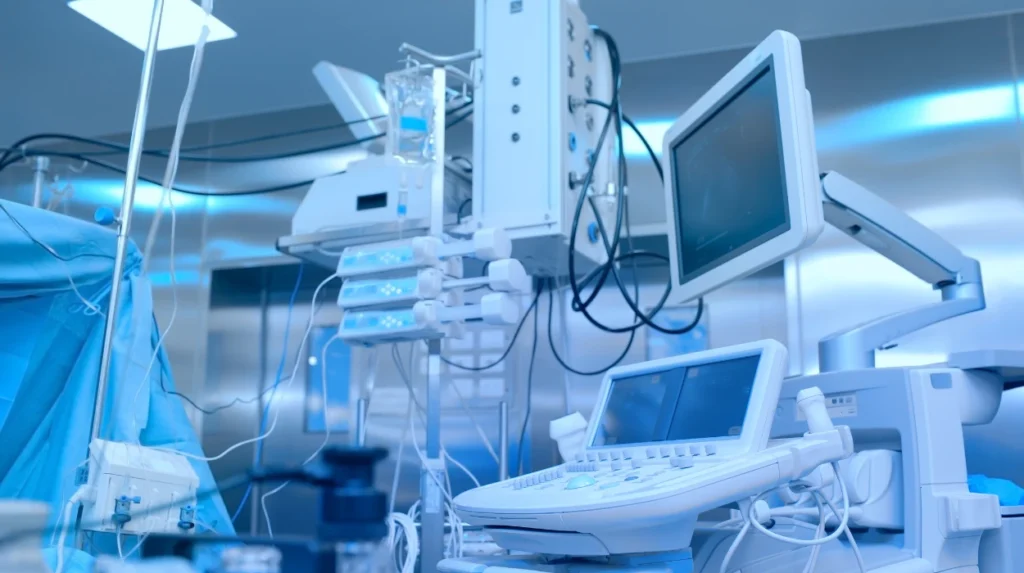
Cleaning and decontaminating tools at healthcare and laboratory facilities is essential to avert infection due to errors when cleaning equipment. The slightest error could create an unsafe circumstance for patients. By following all four stages of cleaning and disinfecting, choosing suitable disinfectants, and completing the inspection and validation of cleaned and sanitized equipment, you provide the necessary protection to keep sensitive instrumentation sterile. The examples that will be given of the four stages in the industry will give the companies a better view of how they can implement the four stages correctly and stay in compliance, efficient, and safe in their individual operations. When the four stages are applied in an appropriate manner, it will elevate the rate of safety, hygiene, and other related productivity in the workplace.Bee Cleaning Services Manchester to help you keep your equipment safe, clean, and ready for use.