

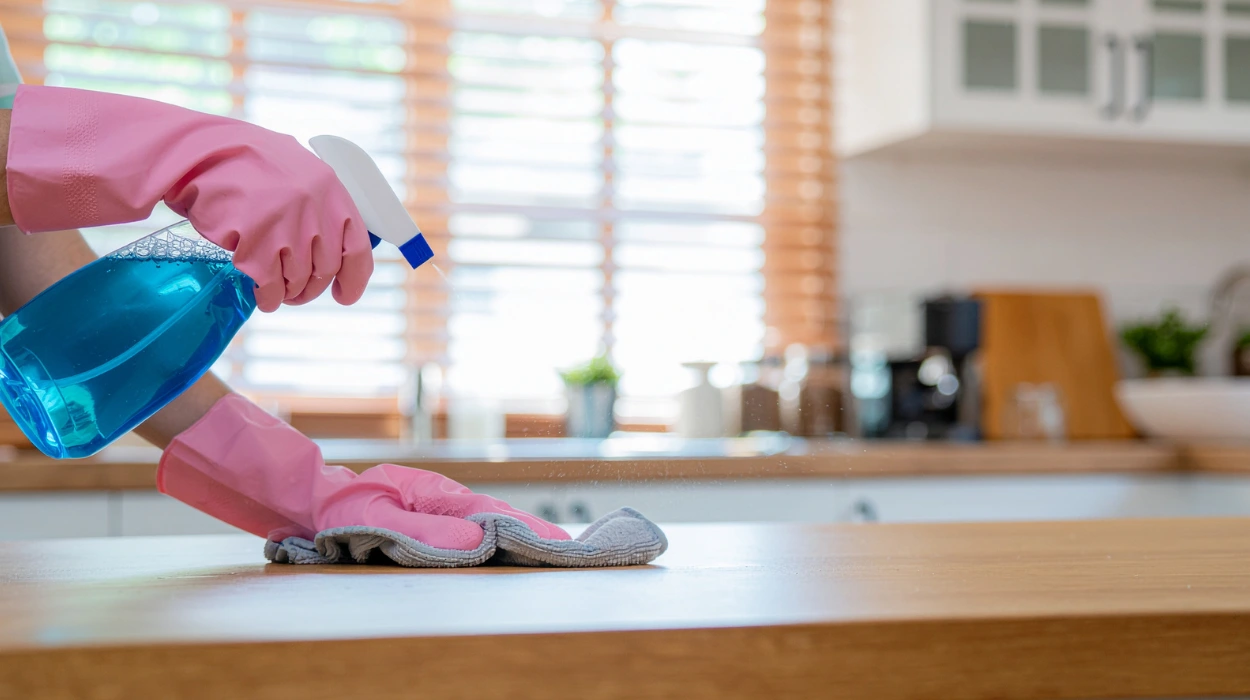
Food and grease splatter are elements of the daily routine in Stockport’s overcrowded kitchens. It can be the splashes of oil that happen when frying, it can be spills that can happen in the preparation, or spills that are leftover after service, and these are the messes that accumulate much more quickly than one would like to think.
Uncontrolled grease may cause surfaces to become sticky, floors to be greasy and drains to go slowly or plug. Tackling grease and food residue in Stockport kitchens: A daily cleaning guide is based on everyday cleaning to assist you in addressing grease and food residues in Stockport kitchens in a clean, practical manner that fits on working days. It does not need any complex procedures or rough chemicals to stay on top of grease. It boils down to all those habits, consciousness, and some clever routines that will not complicate cleaning but simplify it instead.
The importance of Daily Cleaning in Stockport Kitchens
There is a lot of action in Stockport kitchens. The grease and residue are invariably there due to constant cooking, washing and preparation of food. It is hardly sufficient to clean once a week. Daily attention assists in the prevention of the development of larger problems.
Health, Hygiene and Safety Concerns
Worktops, handles, and appliances that have grease on them draw dirt and bacteria. Gradually, these places are more difficult to clean up. Oily floors are also known to enhance slips and falls, particularly during peak servicing periods. These risks are mitigated by cleaning the kitchen daily and making it safer for all individuals using it.
Weakness- Prevention of Drain Blockages and Bad Smells
Blocked drains due to fats, oils and grease are one of the most observed problems in the kitchen. Grease down the sink might seem harmless initially, but upon being cooled down, it will harden along the pipes. Food remains get stuck on it, and in no time, there is no proper flow of water. The routine maintenance of grease will avoid offensive odours and expensive plumbing issues.
Grease and Food Residue Source
You can also know where to start cleaning before you can clean the food residue and grease, because they tend to collect in some areas. Majority of individuals concentrate on what is obvious on the surface, yet grease does not go as far as it is supposed to.
Ordinary Grease Hotspots of Kitchens
The largest source of grease is the cooking areas. Fryers, grills, hobs, and ovens discharge oil in the air that is deposited on the walls, cupboards, and extractor hoods surrounding them. When preparing food, there are also food preparation areas that accumulate residual food that has been chopped, mixed and plated. Light switches and door handles can even be greasy after some time.
Why is Grease Becoming Harder to Clean as You Age?
New grease is far simpler to clean compared to old grease. It becomes dry, black and attaches itself to surfaces when allowed to dry on its own. This is one of the reasons why cleaning on a daily basis is very crucial. One swipe now spares a protracted wipe later.
A Simple Daily Routine for Tackling Grease and Food Residue
It does not have to be a daily routine which has to be long or complicated. It is in doing little at regular intervals as opposed to doing everything at the end of the week.
Dry Cleaning First
Wipe down food scraps and excess grease with the help of a dry cloth or a piece of paper towel before water is used or cleaning products are applied. Washing plates and wiping pans eliminates the grease that is going to the sinks and drains. Such a little practice is a big difference.
Cleaning Worktops, Equipment and Surfaces
Worktops, cooker fronts and splashbacks should be wiped down with warm water using a low-level degreasing cleaner after the first step of removing dry residue. Be careful in the areas around fryers and grills because grease accumulates rapidly in these areas. These surfaces are cleaned daily and, thus, make it easier to maintain.
Managing Grease Traps and Sink Areas
When your house has a grease trap, be sure to check it every day. Removal of the top layer of fat before it hardens prevents the movement of grease towards the system. The sink strainers, as well, should be emptied frequently to prevent mixing of food waste with oils.
Keeping Grease Under Control in the Air and on Walls
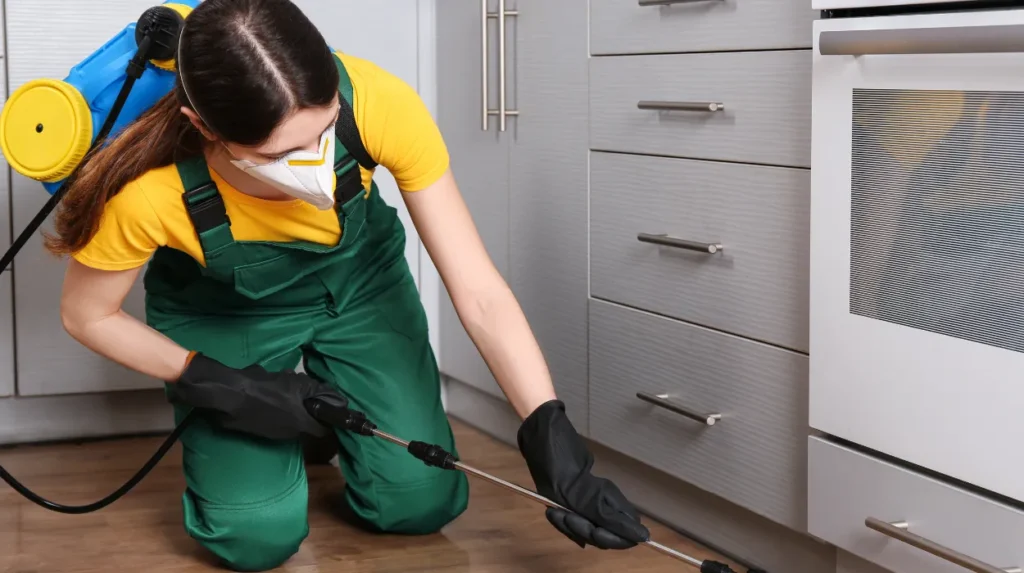
Grease does not just remain on the surfaces that are touched. Much of it comes in the air during cooking.
The Role of Extractor Fans and Filters
Extractor fans drag away greasy air in the areas of cooking. Their filters accumulate an oily residue over time. When such filters are not maintained, the dripping of grease back to the surfaces or the flow of air can decrease. Filtering aids in the containment of grease spread in the kitchen by washing filters on a weekly basis or as and when necessary.
Cleaning Walls, Cabinets, and Hidden Areas
Grease tends to accumulate on the walls behind cooking equipment without their attention. Dark stains cannot be formed there because of a daily light wipe. The doors of the cabinets and handles also require frequent maintenance since they are frequently touched by greasy hands.
Common Mistakes That Make Grease Problems Worse
A lot of kitchens have the problem of grease due to minor habits, which appear harmless but lead to problems in the long term. Hot water can dissolve grease; however, when it freezes in the pipes, it freezes again. In this way, blockages of drains begin. Always wipe the grease physically and then wash things using water.
Sticky deposits in the pipes are formed by food scraps mixed with oil. One of the simplest methods of curbing the grease problem is scraping the plates and pans into the bin prior to washing them.
Building Consistent Cleaning Habits in the Kitchens
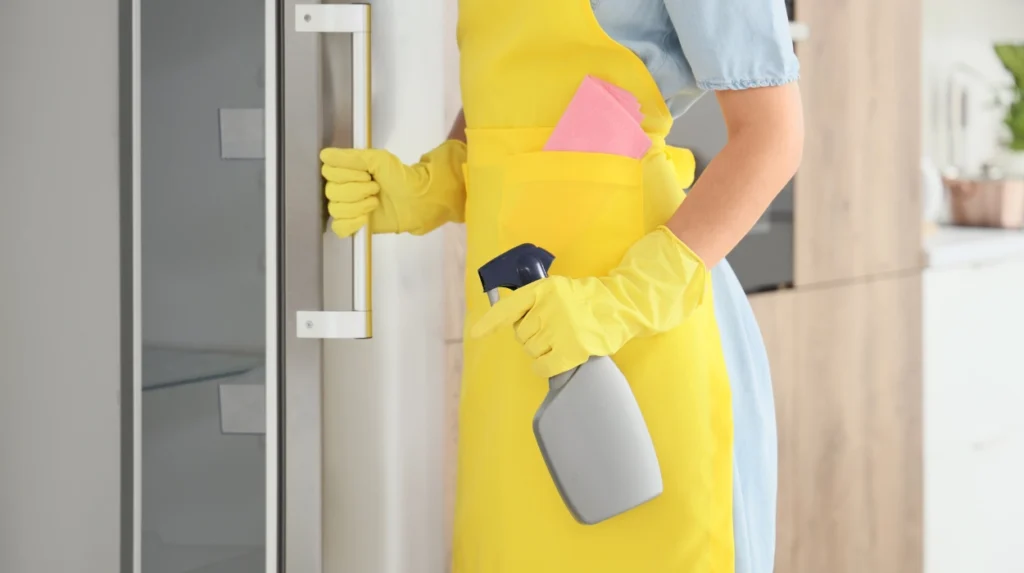
The key to long term cleanliness of kitchens is consistency. When all people are using the same routine, this makes the cleaning process easier and less experienced. Rather than considering cleaning to be an independent activity, incorporate it into the day. It is advisable to wipe the surfaces after the rush hours and inspect problem areas prior to closing to evenly distribute the workload.
Educating personnel to pay attention to grease accumulation at an early stage simplifies the cleaning process. Once all of them realise why grease control is vital in the day-to-day operations, they will tend to ensure their spaces are clean.
Benefits of Daily Grease and Food Residue Control
It could be tiring to clean every day, but it is worth it. Greasy kitchens are easier to deep clean, have a fresher smell, and have less trouble with drains. Equipment is also less likely to wear out in cases where it is not covered in oil and residue.
Personal experience shows that the kitchens that take grease management seriously and do it on a daily basis are more peaceful and cleaner. Washing ceases to be a hateful activity and turns out to be an ordinary phenomenon of a working day.
You don’t require expensive items or expert systems to get grease and food off your Stockport kitchens; it is done by making use of some basic daily habits, regular inspections, and a communal understanding as to why a clean kitchen is important. Keeping grease off the kitchen from the very start will allow for a much safer, fresh and simpler to manage working environment.
If you’re looking for customized support or professional advice on your kitchen, contact us at Bee Cleaning Services Manchester to assist you with maintaining excellent standards of cleanliness in your kitchen, while also effectively managing grease. Receiving proper support from us now can save you time, hassle and money in the future!