

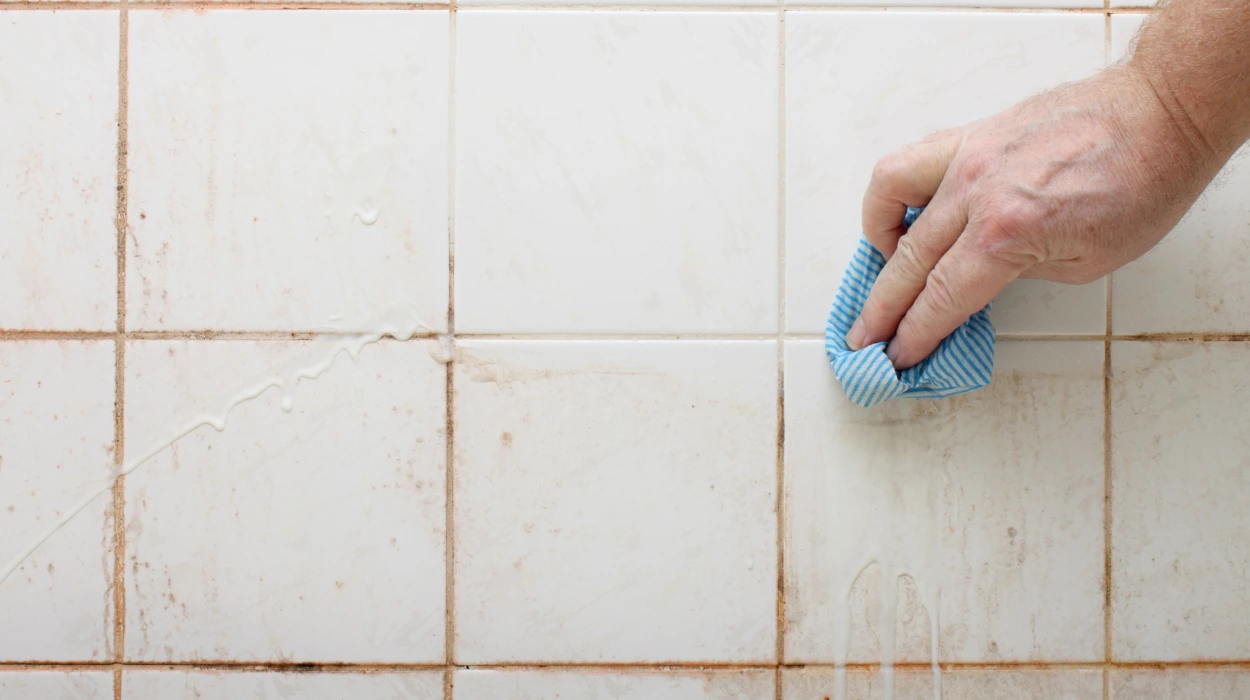
The bathroom is one of the rooms that is used the most in the house. A wet wall is formed when the steam in a hot shower mixes with the cold air. In the long run, such moisture may be transformed into bathroom mould without minimal effort on your behalf on a daily basis. This guide justifies the occurrence of mould, and demonstrates simple preventing bathroom mould in Stockport houses: daily maintenance tips, without needing to feel the need to work hard.
The two greatest causes of bathroom mould in homes are humidity and dampness. This is made worse by the wet weather in Stockport, particularly in the old houses, where there is a limitation in airflow. Mould not only appears unsightly, but it also has the potential to impact breathing and make your bathroom a cold and unhealthy place. It is a big difference to get on top of this with little day-to-day habits.
Bathroom Mould and Its Importance.
Moulds in the bathroom feed on water. As surfaces remain wet, airborne spores get a location to settle. Mould spreads rapidly when it starts and is found in dark areas, behind the shower curtains, on the grout lines and around a window frame. This is the reason why it is not about a single big wash to keep the mould out of the bathroom, but a daily routine that prevents dampness before it starts to develop into a problem.
What daily habits make the biggest difference in health
The trick of keeping mould at bay is good routines. These habits are easy and only require a minute or two a day, and assist in controlling condensation and keeping your bathroom clean.
Ventilation
One of the best methods of removing moisture in your bathroom is through ventilation. Open the window ajar or run an extractor fan after each shower or bath to allow the steam out. It is even necessary to leave the bath door ajar so that the warm air can flow into drier areas.
When you have no window in your bathroom, ensure that you leave the extractor fan on for at least 10 minutes even after taking a shower. This is an easy routine and helps a great deal in avoiding condensation and the mould occupation of the bathroom.
The humidity required to support mould growth is minimised by continuously enhancing the airflow. When the room is closed the air remains unmoved, and the air which is moist remains. It allows the space to be dry naturally by taking a short walk outside after taking a shower.
Drying Surfaces After Use
After you have taken a shower, it helps to dry visible wet areas. A quick brush of a squeegee on tiles and glass doors will clear water sitting on them, which otherwise could be left behind. Wipe the shower tray, sink and the mirror with a cloth. This is an easy measure that removes the sites where the mould spores may be trapped and start to proliferate.
By ensuring you make surface drying a habit, you are conditioning your bathroom to be dry. This turns into a habit over a period of time, such as closing a door when you leave the home.
Managing Humidity and Dehumidifiers
The moisture is not only water that you can see. Moulds may be cultivated behind the scenes by condensation of moisture of the air upon cold walls and windows. A dehumidifier in the bathroom can also be used to ensure that the air is dry in cases where ventilation is not sufficient. Put it in a corner where the steam collects and pour out whenever required.
Routine Cleaning Without Hassle
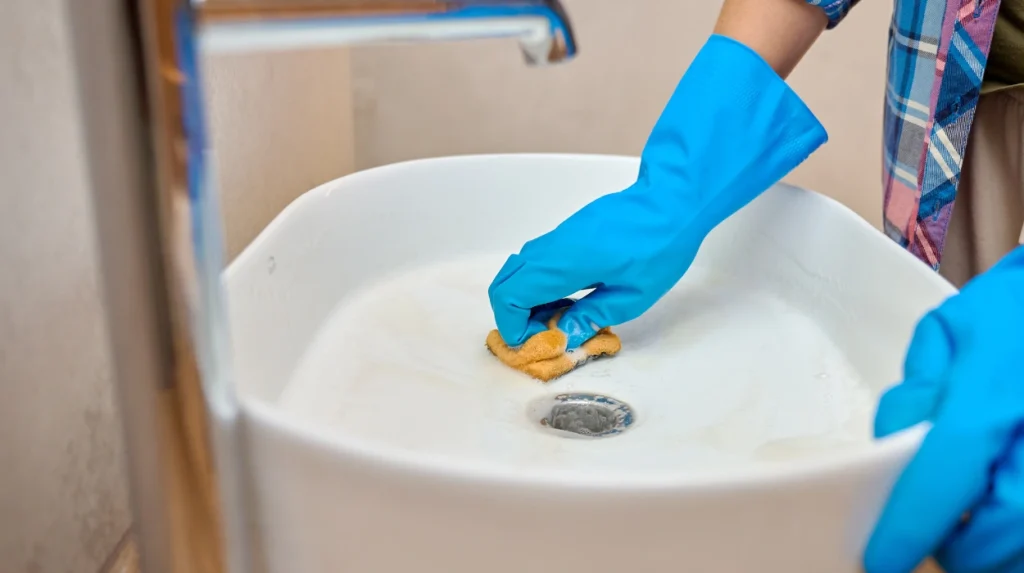
It is not only about appearance to keep your bathroom clean. It prevents the deposition of spores in corners, textured tiles or grout lines. Surface cleaners that specifically target mould growth should be wiped over surfaces (once or twice a week). There is no need to use nasty chemicals; a simple vinegar solution should do the job and is not harmful to most bathrooms.
Early moulds are prevented by spot cleaning. Take notice of the places of high risk, such as the shower seam and bath edges. Regular cleaning keeps your bathroom clean, and you will not have to do heavy scrubbing afterwards.
Keep Towels, Curtains & Textiles Freshener
When damp towels and bath mats are left lying around, it increases the amount of moisture in the air. Towels should be hung after use so as to dry completely. Wipe showers with cloths frequently, and see about replacing them with mould-resistant shower curtains, in case the mould continues to appear.
One of the easiest methods to solve the problem of humidity is to keep the textiles dry and fresh. It also makes your bathroom smell nice and more attractive.
Check for Leaks and Fix Promptly
It is not always about the condensation; at times mould is the result of invisible drips and leaks. A dripping shower head or a slow leak under the sink can cause one to have a wet area all day long. Check the seals, taps and joints each week to check whether there is seepage of water.
Early control of leaks leads to the early prevention of moisture accumulated in concealed locations. Twisting a washer tip or changing a ripped seal can be as quick as a few minutes, and it prevents a little problem from becoming a big one.
Water-Resistant Coatings and Paints
Moisture-related issues can be a major headache for homeowners. No one enjoys seeing stained ceilings or peeling paint as a result of excessive rain or humidity. Water-resistant painting/coating products provide the ultimate in home protection from water intrusion through the creation of a barrier on your walls/ceilings/wood products that does not allow moisture intrusion but still allows for breathability of the material. This will keep your walls dry, your home free from mould, and reduce the potential for long-term damage from water intrusion.
Water-resistant paint/coatings can be easily applied by using proper application techniques and should be maintained regularly throughout the life of the products. With proper application and regular maintenance, water-resistant paint/coating will continue to be a quick and easy method for you to keep your property in great condition and looking brand new!
Long‑Term Solutions That Make Daily Life Easier
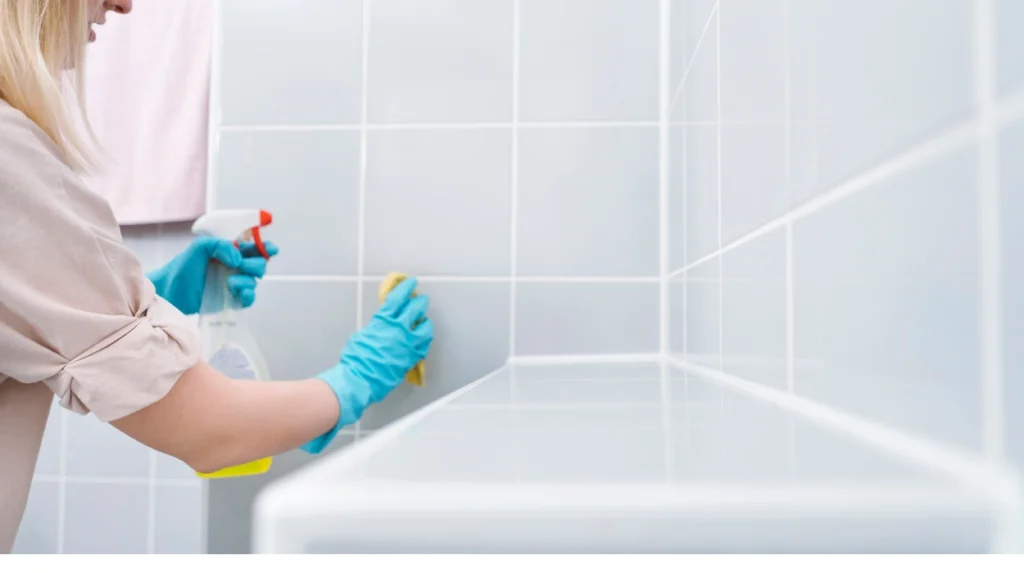
In combination with day-to-day routines, there are long-term decisions that assist in making the environment in which mould will have a hard time surviving. Painting of the bathroom is moisture-proof to prevent the soaking of water into the walls. Heated towel rails not only dry towels in a short time, especially in damp seasons, but also provide warmth in the room, which reduces condensation.
That is to add a humidity-detecting extractor fan, which will turn on when the air becomes damp. They come in handy, particularly in bathrooms that lack windows. These solutions do not substitute day-to-day care; they just help you in your activities and ensure that maintenance is taken care of in the long-run.
Daily Safety Checks
A five-minute regime following your showering session that encompasses ventilation, surface drying and hanging towels in the appropriate manner will avert most mould problems prior to their occurrence. One more thing is adding clean up every week and checking the leaks periodically, and your bathroom will be a space that will always be clean with minimal effort. It is worth the pleasure of having a clean, dry bathroom at the end of a hectic day.
In Stockport Homes, Eliminating Bathroom Mold doesn’t have to be hard work. If you create several simple everyday routines and implement some simple long-term choices, you can create a bathroom which will remain dry, safe and pleasant to use. If you want further assistance with your deep cleaning and continued care, please see Bee Cleaning Services Manchester for support.