
I was curious about how to maintain your solar panels, and at the same time, was aware of the air quality regulations of the boats you live on. Does the clean air act cover residential boats guide takes you through either of these topics in easy, compatible language. The idea of solar panels on the roof of your home or a boat is a genius method of making clean energy.
But dust, droppings of birds, pollen and grime may obscure sunlight. Once it occurs, panels produce less energy and do not perform as they ought. The panels seemed dirty in winter in my own home in Manchester. Having given a critical cleaning in spring, our power consumption increased by almost a fifth of electricity in the energy counter. That disparity is important when you are relying on solar energy on a daily basis.
What Is the Clean Air Act?
The Clean Air Act is a law that is aimed at reducing air pollution. It ensures the control of smoke and other adverse particles, particularly in places where people live and work. It is different since it began in 1993. The Environmental Act of 2021 brought in new regulations that have equipped local councils with enhanced ability to implement smoke control and avert negative impact on human health.
The Act does not only target big cities, but also any location where the quality of the air is an issue. That is canals, rivers and so-called places where people live in boats.
Are there Smoke Control Areas on Boats?
A smoke control area is the area in which you cannot normally release smoke through a chimney. That usually requires that only some fuels can be burned or that only authorised appliances can be used. The majority of houses in these regions are forced to comply with the regulations.
Since 2021, local authorities have the option of including moored vessels such as canal boats in smoke control areas. That is to say that you are not allowed to smoke in a designated area with your boat, suchas the homes. Before a council can increase these areas to accommodate boats, it should consult the local people.
What the Residential Boat Owners need to know.
When your boat falls within a smoke control area, you can only burn the permitted fuels or an appliance approved by Defra. It could be smokeless fuel or some form of stove. In the event of your violation of the regulation by putting out smoke through your fireplace, the community government can impose monetary punishment, normally in the range of £300 or less.
It is an exception to the law of smoke of engines that move the vessel or produce power, but not heating or cooking. It is best to be aware of the location of your boat and which rules to follow.
Practical Tips for Boat Air Quality
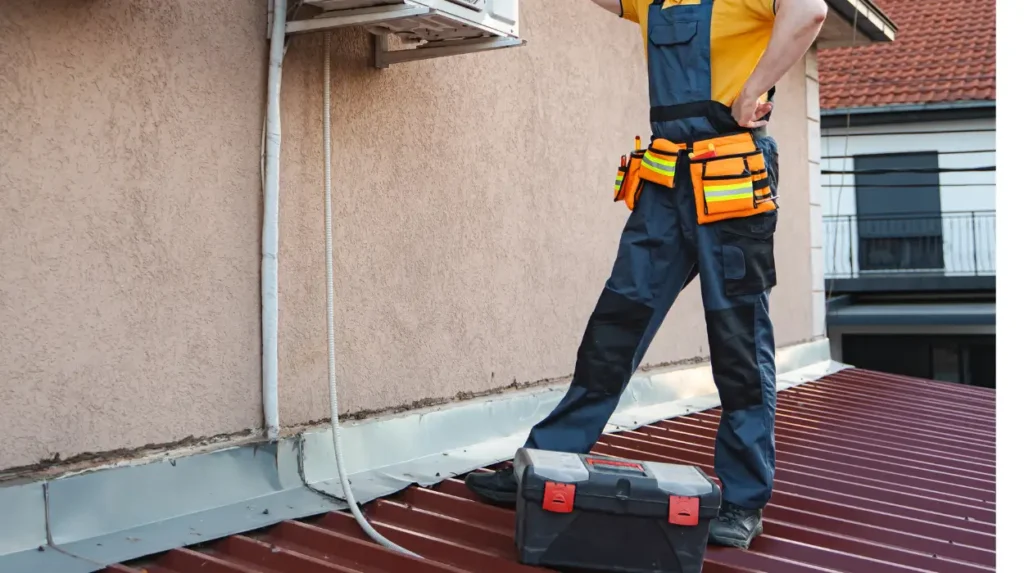
To live on the boat in everyday life, simple modifications can be of use to safeguard air quality around you and your neighbours. It is better not to burn solid fuel. Use even better options, such as smokeless fuel or new low-emitting appliances. When you are using a generator or an engine, see if you can schedule it so that it is not always on. You can reduce the local air pollution in the narrow canals by idling engines.
It is not all about the law to keep your boat well-ventilated and clean. It also takes into consideration healthier living, not only to yourself, but also to your friends and even those passing by.
Connecting Solar and Smoke Rules And Regulations
The connection is easy: clean energy limits the use of burning fuels. Whether you solar-panelled in your home or on your boat, the use of that energy reduces the use of dirty fuels and assists the air we all breathe.
In the boats where lights are solar powered, you use less engine power on the boats as a means of powering pumps or appliances. It would give them less smoke, fewer complaints and a quieter life on the water.
Safety Legal Requirements
Unless you know whether your house or boat is in a smoke-controlled area, you should enquire of your local council or environmental health department. They are able to inform you about the exact locations of smoke control orders and the fuel types that are permitted for the appliances.
Being aware of the rules will make you relaxed and in compliance. It also makes you continue to be part of the greater cause of enhancing air quality to the local communities, waterways and wildlife.
Where the smoke emission rules apply in smoke control area
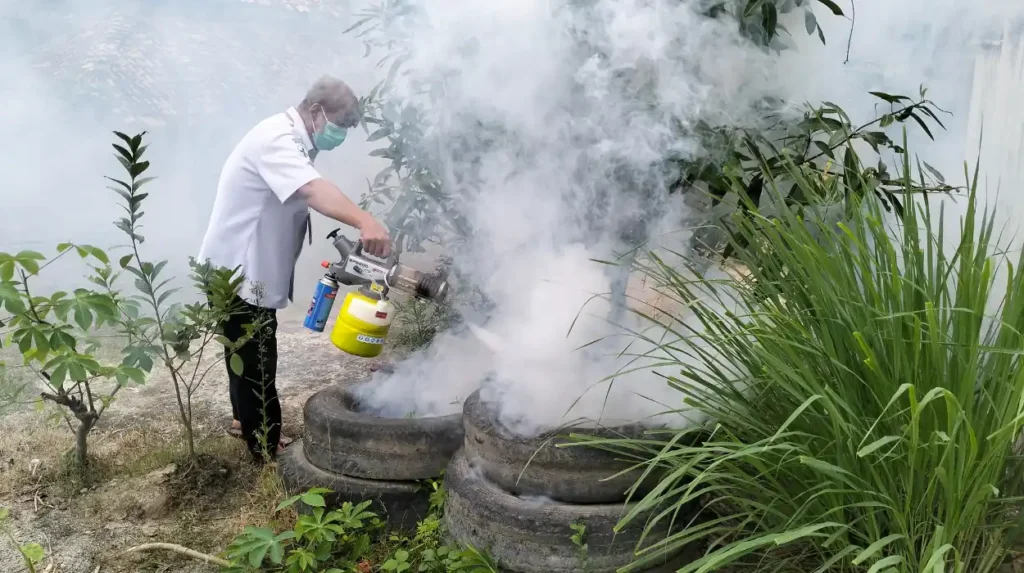
The smoke emission regulations in smoke control areas are relevant to any appliance that burns fuel, such as stoves, boilers and chimneys in homes and moored boats. Only approved fuels/ appliances which are Defra-approved can be used. These regulations are meant to minimize the emission of harmful smoke, safeguard the quality of air and avoid paying a fine to the local authority in case of failure to conform. In specific areas, compliance is enforced.
Acid rain, which occurs when nitrogen oxides and sulfur dioxide mix with water from the atmosphere, is one of the many damaging consequences of air pollution. In addition to damaging trees and killing fish in rivers and lakes, acid rain reduces the quality of the soil and makes it difficult for plants to thrive.
Carbon dioxide and Methane, which are both greenhouse gases, capture heat within the Earth’s atmosphere, resulting in the planet’s average temperature increasing, glaciers melting, and severe weather occurrences increasing.
Wildlife is also negatively impacted by the effects of air pollution. Wildlife that live in and around polluted areas may experience poor-quality habitat, have health issues due to breathing polluted air, and disrupt their food chain. Furthermore, plants that grow in polluted areas are likely to develop stunted growth or leaf damage, which in turn affects herbivores that rely on them for food.
Some of the human activities that contribute to air pollution are driving a car or purchasing new and unpolluted products. By reducing emissions, utilising alternative energy sources such as solar power, and complying with regulatory laws such as the Clean Air Act, it is possible to reduce the amount of air pollution created.
Ideal Boiler Flues
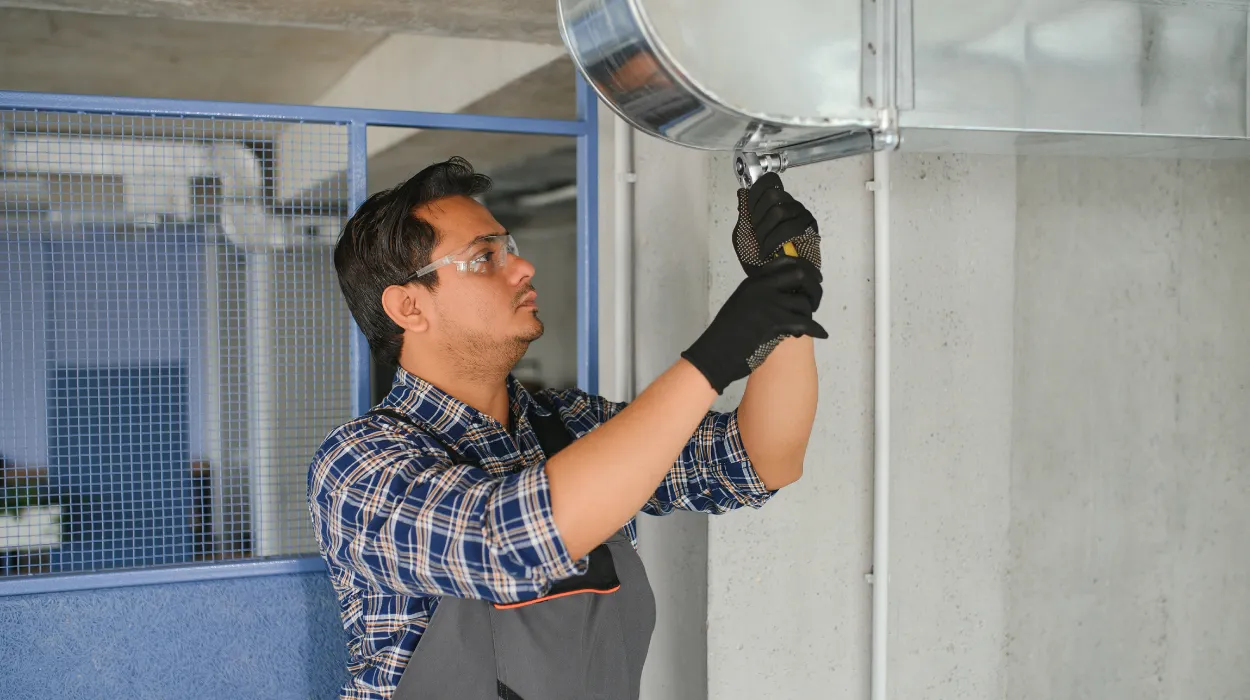
Flues are generally used to remove smoke and gases from a residence and play a critical role in providing a means for venting out of the home safely. When flues have not been maintained correctly, or when the incorrect type of fuel is burned, these fumes can potentially endanger neighbours and the community because they may be released into the environment and contribute to local air pollution.
In some jurisdictions, violations of these regulations may result in fines from the local authorities. It is therefore necessary for homeowners to have an understanding of what is required in their area.
A well-maintained boiler and flue system will minimise the chances of blockages occurring, decrease the potential for releasing harmful emissions, and increase the efficiency of the system. Homeowners can comply with the Clean Air Act by using low-emission or smokeless fuels in place of high-emission fuels.
Therefore, if all three of these guidelines are adhered to, homeowners will be able to keep themselves safe, avoid being fined, and ultimately improve the air quality for all residents in their local community.
It is not that hard, be it residential solar panels cleaning or asking whether the Clean Air Act will protect your boat or not: regular maintenance and proper knowledge of local regulations make life easier and healthier. An unsoiled panel implies additional power. Smoke-free chimney will be your law and a good neighbour.
Should you require professional assistance to have solar panels cleaned up in order to be at their optimum, then contact Bee Cleaning Services Manchester, as they know how to make the panels shine and do so in a safe and cost-effective manner.