

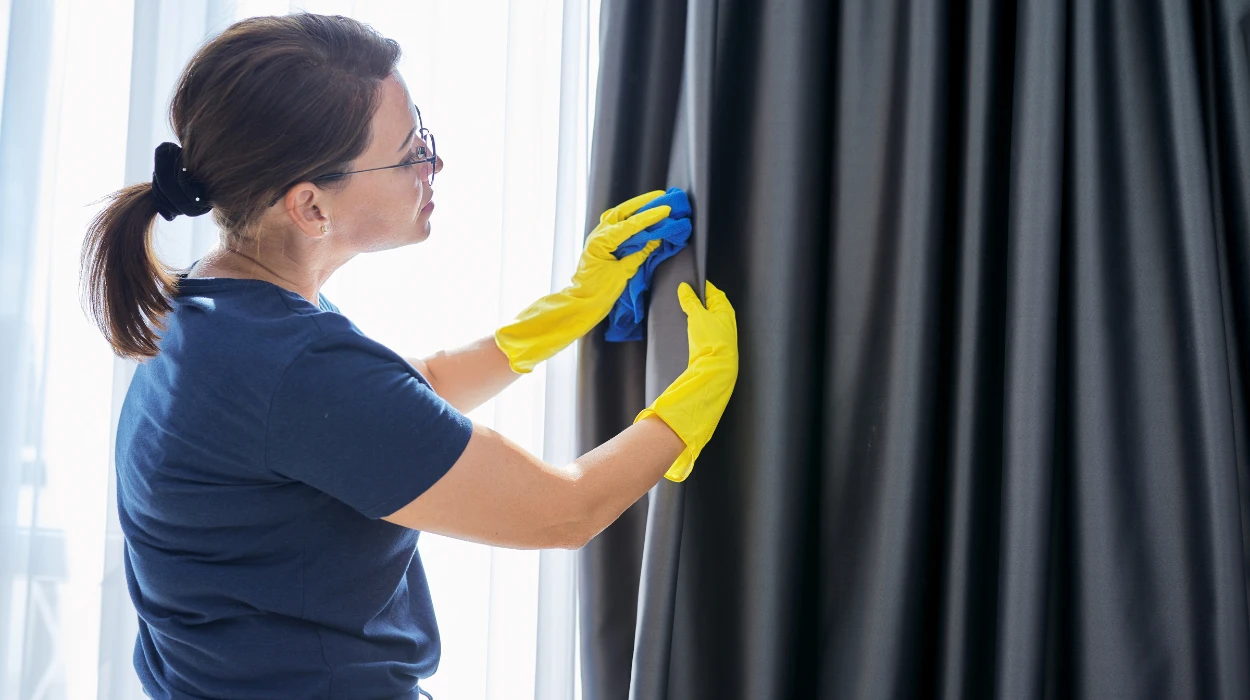
The role of curtains in our homes is not only the decoration items, but they are also important in ensuring the air quality in our homes is up to standard. In Manchester, where houses are susceptible to the pollution in the city as well as the humid weather, dirty curtains can be silent disease carriers in the poor air quality. Dust, pollen, pet dander, and other particles accumulate over time on the surface of fabric and convert what used to be beautiful drapes to concealed stores of allergens. How dirty curtains affect air quality in Manchester homesthat most homeowners fail to consider, thus not understanding that such pollutants are always floating in the air that they inhale.
Periodical cleaning of the curtains is not only a matter of making your house look good but it is also a health matter, particularly to people who are prone to allergies, respiratory problems, etc. This paper will discuss the impact of unclean curtains on air quality, How dirty curtains affect air quality in Manchester homes
Importance of Curtains
One can easily think there is no need to open windows or dust furniture to keep the air quality, but these curtains are usually disregarded. They become a magnet to the microscopic particles, which would have otherwise settled in other areas, and they maintain them within constant motion. This is especially important in Manchester, where city pollution and wet climate create an environment that promotes indoor air pollutants.
Dust mites, pet dander, mould spores and various allergenic agents may cause sneezing, coughing and other conditions with time. Curtains which are not clean affect even homes with excellent ventilation. Washing curtains frequently will ensure that there is no accumulation of particles and that the air flowing in the house is fresher and cleaner.
Health Impacts of Dirty Curtains
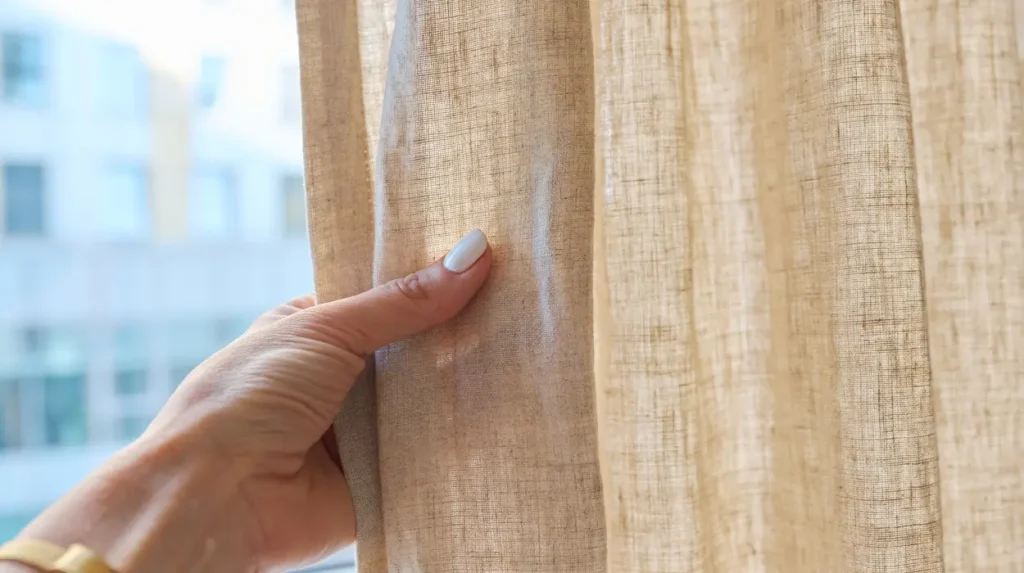
Even the dirty curtains can make quite an impact on your health. Particles may cause allergies and respiratory irritation as they build up. The frequent symptoms are sneezing, coughing, itchy eyes and an exacerbation of asthma. This may be very worrying, especially to families with small children or old people. Bacteria and mold can also ideally grow on curtains, particularly in the damp corners or rooms with low sunlight.
Mould spores that are emitted into the air pose a threat to contracting infections and trouble breathing. When pets are not cared about, the pet owners usually feel that their houses are stuffy or they have a bad smell since the odours of pets, smoking, or cooking remain on the clothes. Dirty curtains pose an unknown risk to health because of the combination of allergens, bacteria and odours. With the insight into the connection between the contamination of fabrics and wellbeing, the residents of Manchester can focus on washing curtains to limit the exposure to the inhaled harmful particles and preserve their wellbeing and health by ensuring the creation of a healthier, more breathable home environment.
Allergies/ respiratory irritation
Dust mites, pollen, and any other allergens may gather in curtains and exacerbate the symptoms of allergy. The humid weather of Manchester makes dust mites active, which may exacerbate sneezing and itchy eyes. Indoor air quality can cause asthmatic people to experience breathing difficulty or coughing fits as a result of poor air quality. A room might be pristine, but the particles that are present in the curtains are always recycled, and thus air becomes heavier and fresher.
Mould, Bacteria & Humidity Risks
Curtains are usually placed close to the windows where condensation is accumulated and thus provide a good environment where mould can grow. The mould spores that are emitted into the air may cause an infection, allergy, or even breathing complications. These environments also support the growth of bacteria, especially the dense cloths that retain the moisture and which trap dust. This is an actual worry in Manchester, which is prone to high humidity levels during winter. Cleaning and even steaming of curtains frequently will kill mould and bacteria making your home a healthier place.
Odours and Air Staleness
Cooking, pets or smoke Oduors can also be left in ignored curtains. With time, these Oduors spread to the room, and the air becomes stuffy and uncomfortable. These trapped Oduors may still be left behind despite good ventilation until the fabric is washed. New, clean curtains not only enhance beauty but also clean the air of the room, making the environment more welcoming and pleasant.
Manchester Home Factors That Make It Worse
Through windows, dust, soot, and vehicle emissions enter the buildings and settle on curtains. The seasonal climate is also a factor; wet winter seasons favour condensation, and this facilitates the growth of dust mites and mould. Poorly ventilated homes or older ones are the most prone because stale air tends to worsen the impact of polluted curtain accumulation. This awareness of city-specific risks can help homeowners to prioritise cleaning routines and the selection of fabrics to reduce the effects of local environmental conditions on indoor air quality.
Effects of Traffic & City Pollution
The closer the location is to a high-traffic zone, the more exposure to particulate matter that is deposited on curtains over time. Dust and soot produced in the surrounding streets can find their way into homes, even where the windows are closed, and gradually deteriorate the quality of indoor air. Frequent cleaning of the curtains in Manchester will make sure that these pollutants are not stagnant and they are not stilted dow,n as well as not passed on to the family members and the fabrics.
Seasonal Weather & Indoor Humidity
The winters in Manchester are rainy, but this means that the humidity is higher indoors, which helps moulds and dust mites to proliferate. The most affected ones are the curtains that are located near the windows, which trap moisture and dust particles as well as allergens. Washing, steaming and drying frequently help to avoid the growth of microorganisms and minimize airborne allergens, which keeps indoor air clean and breathable throughout the year.
How Often You Should Clean Curtains

In order to be good air filters, curtains need routine cleaning and deep cleaning. Surficial particles are swept away by dusting or vacuuming every week. Professional or home-washing deep cleaning is said to be encouraged after every three to six months, based on the nature of fabrics and the conditions in the household. Homes that have pets, are loci of smoke, or are in large urban areas might need to be cleaned more frequently.
The end result is that professional curtain cleaners are able to remove not only regular dust, bacteria and mould but also make sure that the air will be of maximum quality. The cleaning routine will also ensure that the residents ensure that the fabrics are clean, but also that the quality of air inside the house is tremendously enhanced by all the inhabitants of the house.
Dirty curtains are a major source of air pollution that is not only unnoticed but also suffered by your family daily. The list of pollutants ranges from dust and pollen to mould and smells that get trapped in the fabric. Unwashed curtains are a big issue in indoor air pollution, especially in Manchester, where city pollution and seasonal dampness are common. Frequent washing, fabric selection, and professional cleaning are all needed to keep a healthy home atmosphere.
For those living in houses where there are concerns about the presence of allergens, respiratory system diseases, or just a need for a living area with a nicer smell, caring for the curtains proactively would be an absolute necessity.
Bee Cleaning Services Manchester take care of your curtains’ professional cleaning and air quality enhancement at home. Schedule a service now and breathe in more freely, knowing that your curtains are contributing to it.