

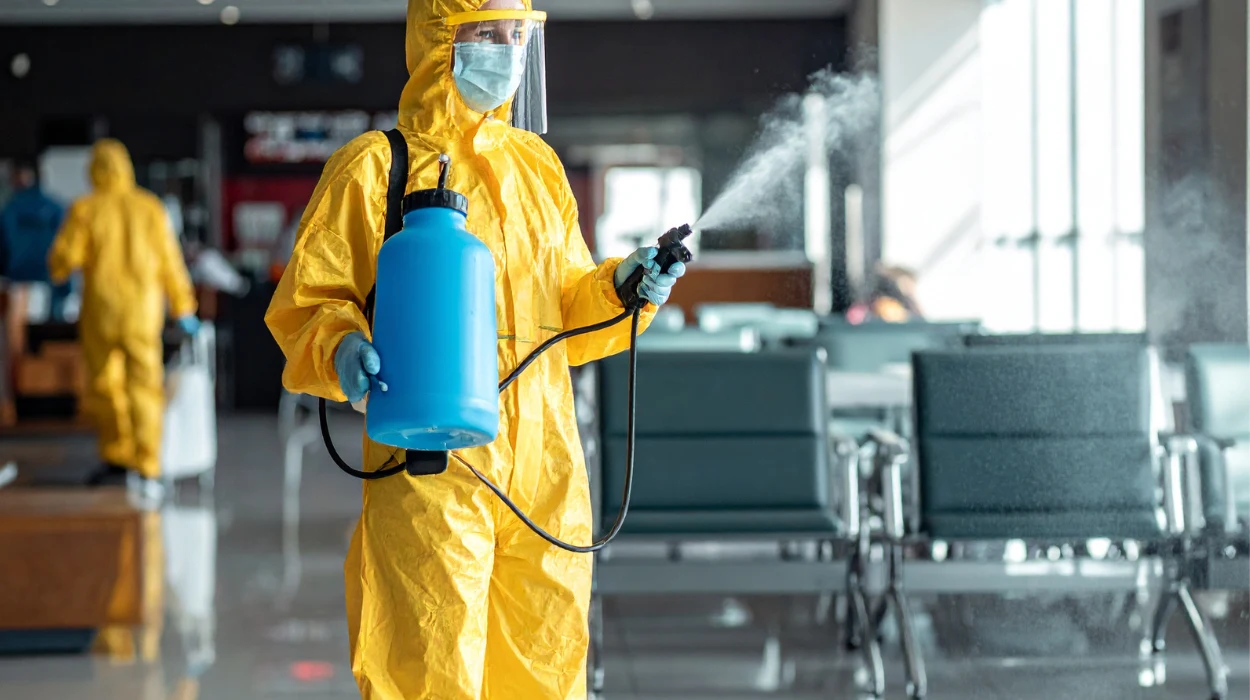
Inhabiting and working in Manchester usually implies that one has to co-exist with others. People go through the same places daily, whether it is office buildings and apartment blocks, gyms and shared entrances. These communal areas might appear clean on the surface, but this does not necessarily imply that they are safe. Most germs cannot be seen, but they still stay around even after a quick wipe. In a busy city such as Manchester, the increased sanitization is becoming very necessary. Knowing the reason why this is important can save the lives of all those who use these spaces.
What Counts as a Shared Space in Manchester
Shared spaces refer to those spaces that are shared by more than one person. These spaces in Manchester are included in the daily life of the people and are frequently subjected to large foot traffic. Due to the high number of hands and shoes that come through them, germs can easily spread. It is here that there is a need to take an even greater step towards sanitization, particularly in the communal setting where cleanliness is directly related to health.
Moreover, if ordinary cleaning is done regularly, it can still not get rid of the germs and viruses completely. That is where the more thorough sanitization will be a must, particularly in shared spaces where hygiene is a major factor that determines health.
Communal Areas in Residential Buildings
Most of the flats and apartment buildings in Manchester have shared entrances, corridors, stairwells and lifts. Such places are touched frequently without a person even being aware of the frequency. Door handles, handrails, and lift buttons are some of the surfaces which are mostly used in any building. Surface clearing can be done to remove the visible stains, yet the harmful bacteria are usually left behind.
Offices and Commercial Shared Environments
Manchester offices are also dependent on shared space. Many employees use meeting rooms, kitchens, printers and breakout areas on a daily basis. The desks and equipment are frequently shared across shifts or teams. Although the cleaners can wipe the surfaces at the close of the day, there are still chances of germs being left on the keyboards, phones, and door handles. This may result in the spread of diseases within teams at a high rate. These are the high-touch points that are targeted by deeper sanitization and aid in curbing cross-contamination. It also contributes to ha ealthier working environment, which is beneficial to the staff’s well-being and productivity.
Why Surface Cleaning Alone Is Not Enough
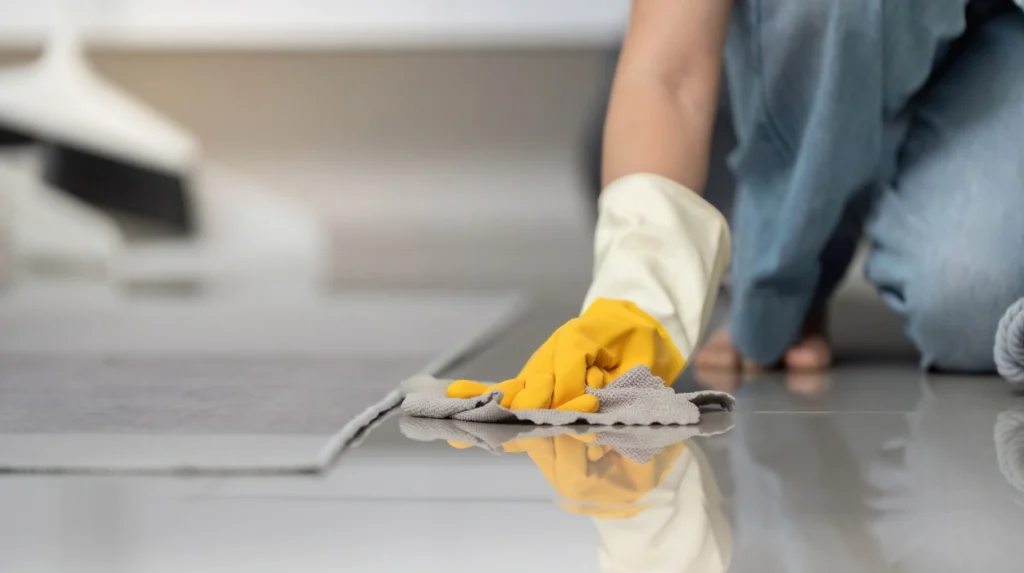
Surface cleaning is also significant, but it has some obvious boundaries. Cleaning in shared spaces of Manchester is usually about the looks and not hygiene. Vacuums can be used on floors and bins emptied, and still, dangerous microorganisms can be left. And these germs keep on being transmitted by touch and air. That is why the basic cleaning is enough to create an illusion of safety.
The Difference Between Cleaning and Sanitizing
Cleaning involves getting rid of dirt, dust, and visible marks. But sanitizing is a step further, where the bacteria and viruses are brought down to safe levels. Most individuals think that after something appears clean, it is hygienic. As a matter of fact, germs are tiny and invisible. Within the communal areas, such confusion can be dangerous. The deeper sanitization involves approved products and procedures that aim at addressing dangerous microorganisms. This method is particularly necessary when there is high traffic with repeated touching of surfaces in a certain area over the day.
The Hidden Germs on All Touchpoints
Shared spaces have some of the dirtiest localities that people touch without thinking. Light switches, lift panels, door frames, and shared equipment can be contaminated with more bacteria than one would imagine. These touchpoints are visited by hundreds of people on a weekly basis in the busy buildings in Manchester. Even normal wiping can fail to get corners, crevices or surfaces touched since they have already been wiped. With tim,e the germs accumulate and proliferate readily. These neglected areas are covered in deeper sanitization, which assists in decreasing the risk in general in shared environments.
Manchester-Specific Factors That Increase Risk
Manchester is not an exception in this regard, as it faces its own dilemma in terms of shared space hygiene. The structure of the city, climate, and the way people live are some of the factors that contribute to the transmission of germs. This knowledge of these local factors assists in the explanation of why deeper sanitization is vital, in this case.
Dense Buildings and High Footfall
Manchester is a congested urban centre with a high population of residential and commercial establishments. The same entrances, corridors, and facilities are being used by many people daily. An increased number of visitors implies an increase in the volume of dirt, bacteria and viruses that are carried in. Shoes, bags, and coats bring contaminants to the common areas. Germs have a greater chance of propagating in places that are in constant flow. This is a greater contamination risk that should be dealt with by deeper sanitization that handles contamination on the surface level.
Damp Climate and Poor Ventilation
The climate in Manchester is also wet and thus can influence hygiene. Moisture will enable bacteria and mould to live longer on surfaces. Indoor air quality may be compromised in old buildings or in environments that are not well ventilated. Germs are able to persist in the air and rest on common surfaces. Simple cleaning does not go much further to solve these problems. Enhanced sanitization, including adequate ventilation awareness, will minimize the influence of a humid environment and contribute to a healthy environment.
Health Risks Linked to Poor Shared Space Sanitization
In case shared spaces are not sanitized efficiently, there is an upward risk of health issues. Germs easily transfer between surfaces and between individuals. This may influence masses of individuals within a short period in the shared environments in Manchester.
Bacteria, Viruses and Cross Contamination
Viruses and bacteria are transmitted easily through touch. Without even knowing that he/she is transmitting germs, someone can press a lift button, open a door or share equipment. The germs transfer to other surfaces, which results in cross-contamination. This cycle repeats itself day after day without further sanitization. With time, communal areas become disease-prone. Sanitization prevents this chain and helps to spread infections.
Impact on Vulnerable People
The immunity of not all people using shared spaces is not the same. The elderly, children and individuals with underlying illnesses are more susceptible to infections. Poor hygiene may expose these people to risk in the shared residential buildings and workplace. Greater sanitization will contribute to the provision of a safer environment for all, particularly those who might be more vulnerable to common diseases.
Why Deeper Sanitization Protects Everyone

Greater sanitization does not only involve responding to illness. It is a prophylactic measure which promotes long-term hygiene. Through the shared spaces in Manchester, it translates to the reduction of germs, improvement of air quality, and increased confidence for the people who use the space. When individuals feel secure, they find it easier to live, work and socialize in common settings. Periodic rigorous cleaning is also useful to keep the standards, and even the necessity of emergency cleaning is minimized due to the frequent deep sanitization.
Manchester has hidden risks from bacteria and viruses in shared spaces, which are a major part of life in the city. Cleaning only the surfaces will never be sufficient to prevent people from getting infected through the common areas. Antiviral sanitization eliminates these dangers by reaching the places with the most contact, raising hygiene levels, and backing up public health.
This practice is beneficial for both residential buildings and commercial places as it protects all users of the areas. If you are looking for professional help to improve the hygiene in shared spaces, Bee Cleaning Services Manchester is the right partner, as it offers expert sanitization solutions specifically tailored for the unique difficulties of the city.