

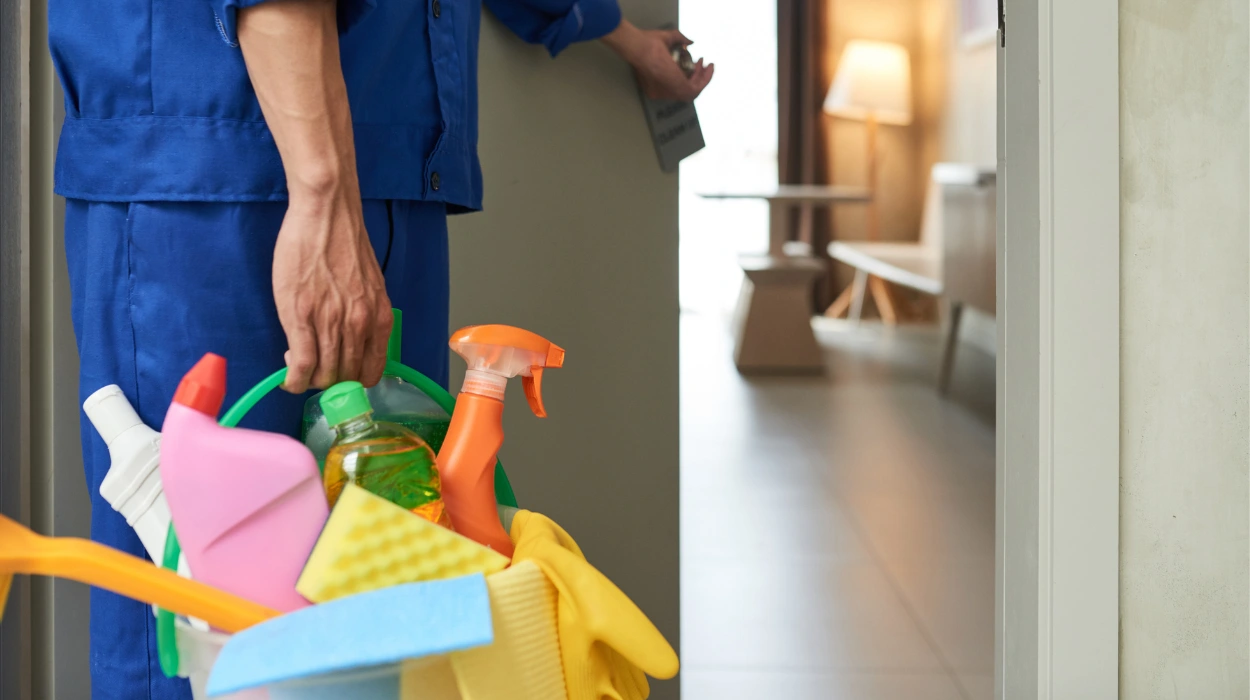
Clean homes and care environments do not only improve home aesthetics, but also directly influence the well-being of the residents, especially vulnerable ones. There are several supported living homes and care facilities in Manchester where aged persons, people with chronic illnesses, or those with limited mobility live. The health and safety of such individuals are put at risk when cleaning habits are not routinely followed or are not done properly.
They may cause breathing difficulties, infections, and worsen existing illnesses. In the case of residents who are dependent on staff members to provide them with care on a daily basis, even minor lapses in hygiene can lead to severe health issues. Knowledge improper cleaning affects vulnerable residents in Manchester
The Hidden Health Risks of Poor Cleaning in Supported Living
An unclean environment in the supported living conditions may cause dire health effects. The dust build-up, such as dust accumulation, may appear harmless; however, to the person with asthma or allergy, it may trigger frequent attacks. Growth of moulds, which appears mostly in the damp sections of old Manchester houses, emits spores which impact the respiratory system, causing coughing, wheezing and even infections. Poor sanitation may also encourage the development of bacteria, such as E. coli or MRSA, that can quickly diffuse in the crowded settings.
The more vulnerable residents may be prone to suffer due to the fact that the immunity is weaker or compromised. In addition to physical health, lack of hygiene may have an impact on mental well-being. Unclean living conditions frequently result in stress, discomfort and loss to confidence, particularly to individuals who have low mobility levels and cannot keep their surroundings clean. The awareness of these risks highlights the importance of supported living facilities cleaning up to the standards. The mitigation of such hazards requires regular inspection, trained personnel and appropriate cleaning products.
Why Proper Cleaning Matters
Infection control is crucial, especially in an environment with vulnerable residents. The cases of hygiene lapses in Nursing homes in Manchester can soon turn into an outbreak, and the number of sufferers can be many residents simultaneously. Tables, door handles and fixtures in the bathrooms need to be cleaned every time; the bacteria take up to hours to die.
Incorrect cleaning patterns tend to ignore these high-contact areas, and infection is spread. Studies indicate that regular sanitation not only prevents disease but also lowers the number of hospitalizations. Training of the staff is very important in the establishment of proper procedures. As an example, cleaning of various surfaces with the help of the right cleaning agents will make sure that the pathogens are removed, but not displaced.
The families and caregivers are to pay attention to hygiene practices, inquiring about the cleaning schedules and adherence to the safety standards. This proactive theory prevents residents, secures employees, and preserves care facilities’ reputations in Manchester.
Respiratory and Allergic Concerns From Neglected Hygiene
People living in houses that are not well-maintained usually have breathing or allergy disorders. Dust mites, pet dander and mould spores may either worsen asthma or lead to chronic cough or eczema. Older adults and people with already existing lung conditions are vulnerable individuals at high risk. The damp and poorly ventilated space in the older housing stock of Manchester also causes the mould to accumulate and can be unnoticed without the thorough cleaning of the space.
Even the most basic cleaning neglect, which may include not wiping the sills of the windows or cleaning carpets completely, may damage the quality of the air. These aerosol irritants pose significant risks to the residents whose oxygen treatments or ventilator usage rely on them. Timely cleaning schedules, regular air quality assessments and observation of high-risk areas are thus critical. All these measures will not only enhance physical health, but the quality of life of residents will become better, making people less unhappy and leading to a safer living environment.
The Psychological Impact of Poor Cleanliness
Residing in a dirty environment has an impact on mental health as much as it does on physical health. The susceptible people living in Manchester might be embarrassed or nervous by the fact that their environment is unsanitary. In the case of supported living homes, hygiene deprivation may result in the feeling of neglect or isolation among the lead characters whose needs are not met by the staff. The specifics of psychological stress due to slighter environments may add to the health problems, impair the immunity, and decrease involvement in social life.
The caregivers should know that the concept of cleanliness is combined with dignity and living standards. Minor details, such as laundry, clean beddings, and clean common places, carry a significant impact on the morale of residents. The holistic approach to hygiene, including physical and mental health concerns, will make sure that the care facilities ensure that residents feel respected, cozy, and supported.
Staff Training and Accountability in Cleaning
Poorly trained staff is one of the primary causes of improper cleaning that is still present. Caregivers have several tasks to attend to, and this can result in corners being cut. Supported living homes in Manchester should also adhere to the standards of the Care Quality Commission (CQC), which have provided clear requirements on cleanliness. Timely audits, regular cleaning schedules and accountability systems among staff members serve to keep hygienic procedures observable at all times. This should be trained on the use of disinfectants, sanitization of high-touch areas, and waste disposal measures.
The staff should also know how to recognize risks, e.g. water damage or mould, before they grow out of proportion. Through training and developing a culture of responsibility, care homes safeguard frail residents and minimize health risk factors that can be avoided. With strong leadership, cleaning will not be neglected, and this will make homes safer and more comfortable for all the residents.
Deep Cleaning: Beyond Surface-Level Hygiene
Dusting or wiping counters is not a sufficient practice that can keep residents free of health hazards. Deep cleaning aims at removing the dirt, bacteria and allergens that are found in places that are not usually noticed in the day-to-day activities. Pathogens tend to proliferate in carpets, vent ducts, bathroom grouts, etc., when not taken care of. Deep cleaning is necessary in the case of Manchester homes, especially old buildings, to handle long-term hygiene.
Planning regular deep cleaning and daily care minimizes the presence of infectious bacteria and eliminates the growth of mould. These measures are lifesaving to people who have weakened immune systems. Facility staff members should complete extensive sanitation by using professional cleaning services with regular checks. Incorporation of deep cleaning practices will lead to a safer and healthier environment that facilitates well-being and minimal preventable health problems.
Inadequate sanitation in supported living and care homes has dire repercussions for the already at-risk population in Manchester. It jeopardizes their physical fitness, makes them more prone to getting infected, and lowers their mental wellness. The whole range of consequences from air pollution and bacteria to stress and shyness can be very negative. The caregivers, managers of the facilities, and families have to make it their priority that the cleaning routines are very thorough, proper training is done, and regular inspections are conducted to ensure the protection of the residents.
If these strategies are adopted, Manchester’s supported living homes will be able to offer safer, healthier, and more pleasant living environments. For the residents and families who are looking for trustworthy professional assistance, Bee Cleaning Services Manchester is there, providing a complete range of NDIS cleaning solutions that are specially designed for vulnerable groups and at the same time guaranteeing the peace of mind, safety, and dignity of everyone concerned.