

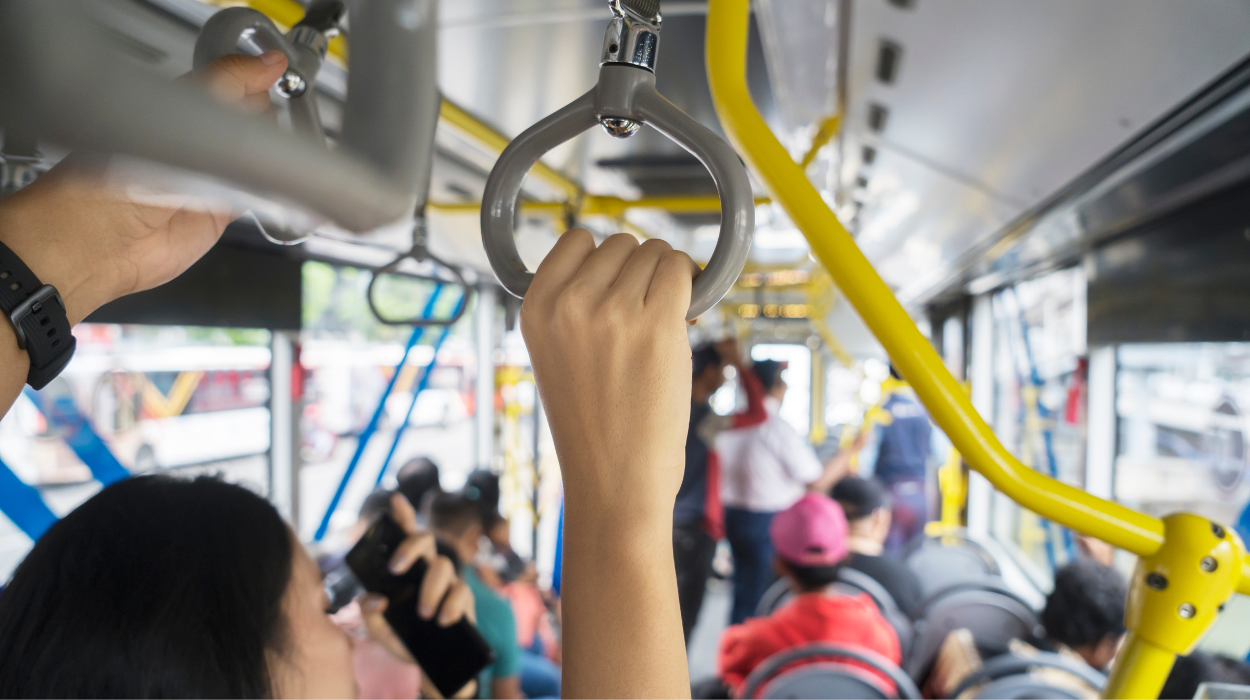
Bolton cannot do without public transport, which is a vital element of everyday life, yet it has some dark sides. All bus handles, door latch or handrails might be harbouring the germs of thousands of commuters. Cold, flu and stomach bugs can be passed on to another human being without anyone noticing, even though they can last longer than many people would imagine. The ability to know the lifespan of the germs on these surfaces is the key to keeping yourself and your family safe.
On the bus to the office, everywhere germs are–but two or three sensible things can help to shorten your contact with germs. This paper will discuss the survival of germs on community surfaces in the city of Bolton, the ways to keep yourself safe, and the contribution that professional cleaning can make to the hygiene of the community.
Why Bolton Bus Handles is a High-Risk Area
Germs are attracted to high-touch places in public transport. Each rider on the bus is a contributor to the microbial load on the handles, poles and the seatbacks. The risk is increased many times during the rush hour since dozens of hands touch the same surfaces. It is especially children and the elderly who are prone to any infection surviving on these touchpoints.
Germs’ survival directly depends on the number of passengers and the rate of surface cleaning. Knowledge of surfaces they come into contact with the most may be used to help commuters reduce the amount of contact and ensure that they are safe.
Cold Viruses on Hard and Soft Surfaces
Patterns of behaviour are significant in the transmission of the germs. Distributing of coughs and sneezes, washing hands, and unnecessary touching of surfaces in public places can highly decrease the spread of infection. On the contrary, the habit of touching the face and bad hand washing contribute to the issue. Awareness and education of good personal habits promote safer commuting habits, which protect the individual and the general population. Even small modifications to everyday practices may produce long-term effects on the general health of the population.
Flu Viruses and Their Lifespan
It is not only the type of surface that makes Germans survive. The moisture level, temperature, and the existence of bodily fluids impact the duration of viral and bacterial activity. Cold and dry weather usually increases the duration of flu and cold virus whereas warm and moist weather may decrease their duration.
Some bacteria, such as stomach bugs, can last days, particularly on smooth surfaces. This scientific knowledge can be used in leading the cleaning activities in transport and the other facilities in the town of Bolton, so that the measures of safety are properly directed.
Bacteria of the Stomach and Intestines
Such bacteria as the ones causing stomach upsets have the capacity to remain on the surface longer, lasting several days, unlike flu viruses. Carriers include handles, ticket machines and even armrests unless they are washed with disinfectants regularly. The best defence is hand hygiene.
The risk of being infected can be cut significantly by being conscious of what you touch and the frequency of washing your hands after travelling. Such understanding of these differences assists commuters in focusing on hygiene practices for the highest protection.
Common Misconceptions About Germ Transmission
The risk of infection via public surfaces is vastly underestimated or overestimated by a great number of people. Finding a surface that is more dangerous than others and some germs that are more infectious is not always true. A seat made of fabric may be safer than a bus handle, depending on how often it is washed and the kind of virus.
Knowing these subtleties will assist commuters in making decisions on the basis of wisdom and not on fear. Myth-busting also promotes more effective hygiene habits and does not lead to unnecessary anxiety.
Hands and Personal Hygiene
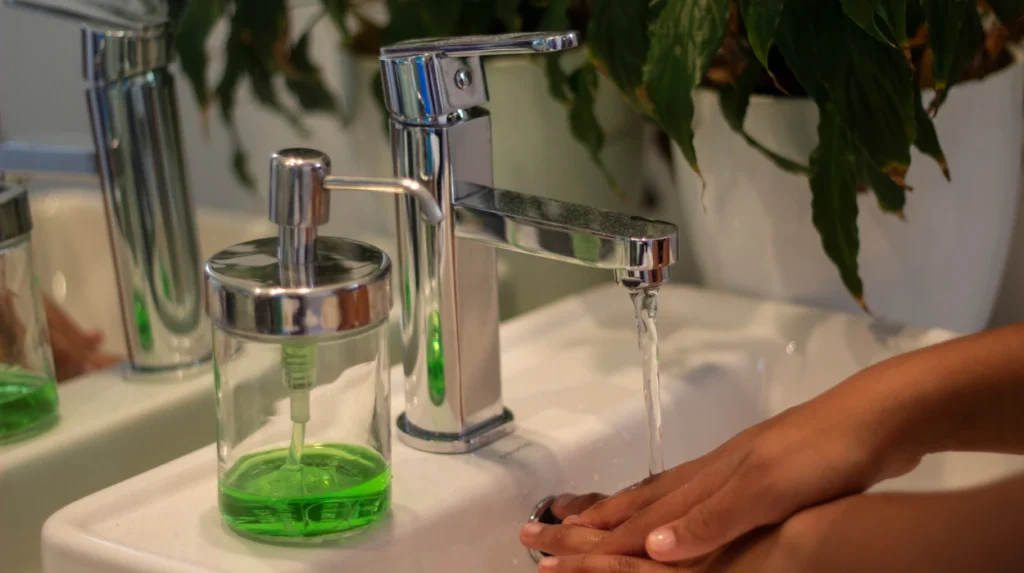
Germs on public surfaces are the primary vectors of infection to the body via hands. Viruses and bacteria are spread quickly through the contact of eyes, nose or mouth. The risk is considerably lowered in case of simple hygiene practices, such as hand washing after commuting or the use of alcohol-based Antiviral sanitiser. Proper hand hygiene education prevents exposure to infection.
Practical Measures to Reduce Exposure
By taking basic precautions, you can significantly reduce the chances of contracting germs in buses and other public places. It is very effective to carry a small hand sanitiser, use tissues when touching objects of common use and wash hands after travelling. Knowledge of high travel times and ensuring that one avoids congested places can also assist. Individual care is important: even such routine features as holding bags not by hand, but by handles, may decrease direct contact with contaminated surfaces.
Hygiene Tips
The best protection is always to wash hands in the proper way and frequently. Alcohol-based sanitisers are also a good alternative to soap and water, although they cannot replace the latter in situations that do not allow washing. Education about hand hygiene among children is a support in life long habits. When put together with surface awareness, these measures have a tremendous impact on reducing infections.
Prevention of Contaminated Surfaces
Where practicable, do not get in direct contact with public points of contact. The exposure can be reduced using gloves, tissues or holding bags instead of touching the handles. Although full prevention is not always feasible, minor conscious modulations in behaviour go a long way in the transmission of germs.
Disinfectants and Cleaning Solutions
Professional cleaning activities are very instrumental in minimizing the risk of health to the population’s health. Germs cannot build up on bus handles, ticket machines, and other high-touch points because they are regularly disinfected. Bee Cleaning Services Manchester offers the special services of cleaning up areas for people and businesses, which ensures a reduction in the spread of germs and protection of the community.
Benefits of Regular Public Area Cleaning
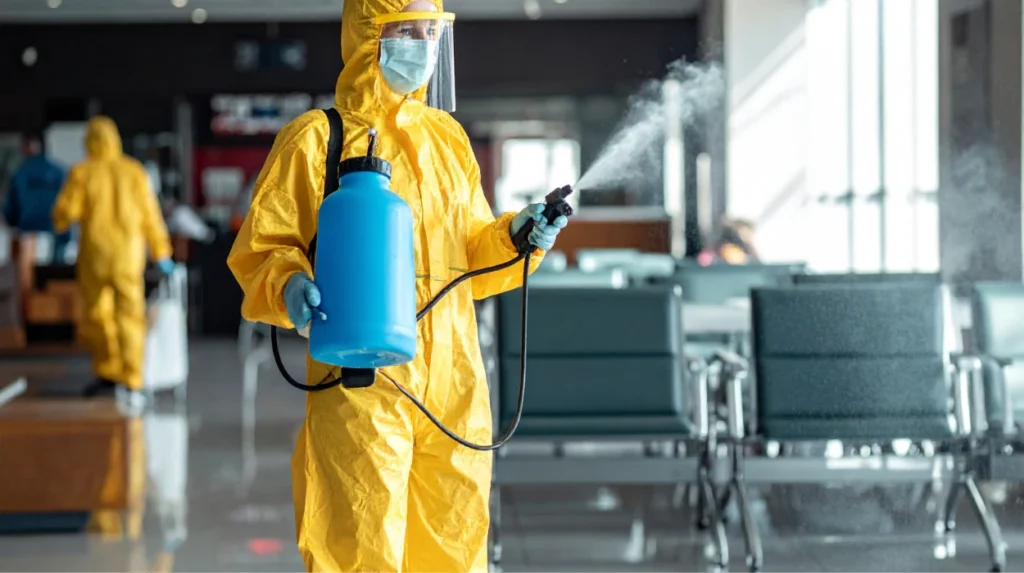
Regular cleaning and disinfection decrease the total microbial burden, which reduces the chances of spreading. It also gives confidence to commuters making it much safer to use public transport. Professional cleaning is an intrinsic to personal hygiene strategies and provides a two-pronged strategy to safety.
Simple measures such as washing hands, wiping of personal objects and changing outer garments after boarding a transport, will lower the remaining risk. These measures have to be implemented in everyday life so that the protection is not limited to the ride to work but also to the house.
Microorganisms are something that cannot be avoided, as they are present all over the place, and the most prominent one would be public transport. The three factors that help to reduce the risk of germs or viruses the most are awareness, personal hygiene and professional cleaning. It is known that bus handles and other touch points are infected with germs or viruses for specific periods. This information helps commuters in making their choices.
Hygienic Practices in Community
Collective responsibility is nurtured by neighbourhood programs, like school education or work policy. Simple hygiene practices in the community are encouraged to minimize the incidence of infections and safeguard the susceptible groups.
Bee Cleaning Services Manchester focuses on disinfection of the transport and business premises, making the community a healthier and cleaner place to live. Their skill means that commuters and the staff is not at risk of contracting viruses and bacteria. Professional intervention is the supplement of personal hygiene activities, forming a safer environment of all individuals.
Bee Cleaning Services will reduce the chances of germs spreading by concentrating on high-touch areas. Professional cleaning, along with informed behaviour of the population, is a critical aspect of keeping Bolton a healthy community.
Such small habits as using sanitizer, washing hand, and limiting contact with the surfaces that are used by the public are very effective. Besides those mentioned above actions, using Bee Cleaning Services Manchester will make both public places and private houses more secure for all. Keep being mindful, keep yourself clean, and, while using Bolton’s crowded public transport, make sure you are protected.