

Many of us don’t realise that sharing a bed with dust mites can quietly affect our health and sleep quality. These tiny creatures thrive in warm, humid environments like mattresses, feeding on dead skin cells. Over time, they can trigger allergy symptoms such as sneezing, itchy eyes, and even worsen asthma conditions. For residents in Altrincham, maintaining a clean and healthy mattress is especially important due to seasonal humidity changes that encourage dust mite growth.
Luckily, there are simple steps you can take to reduce their presence without completely overhauling your bedroom. In this article, we will explore practical, easy-to-follow methods to improve mattress hygiene and create a safer sleeping environment. By taking small but consistent actions, you can minimise allergens and enjoy more restful nights. Let’s dive into how to keep your bed healthier and make dust mites a thing of the past.
Why Dust Mites Thrive in Your Bed
Dust mites are microscopic arachnids that naturally inhabit our homes, feeding on tiny flakes of skin we shed daily. Your mattress, pillows, and even bedding provide a perfect home because they retain warmth, moisture, and organic matter. In Altrincham, homes often experience seasonal humidity that further encourages their growth. Unlike pests you can easily spot, dust mites are invisible to the naked eye, yet they can significantly impact health. They reproduce rapidly, and even a single mattress can house hundreds of thousands of mites if left unchecked.
Regular vacuuming alone is not enough, as mites hide deep within fibres. Understanding why they thrive is the first step in preventing them. Keeping humidity low, washing bedding frequently, and using protective covers are essential. By recognising their preferred conditions, you can make informed choices to create an inhospitable environment. Reducing dust mites is not just about cleanliness; it directly supports allergy prevention and overall sleep quality.
The Health Impact of Sharing a Bed With Dust Mites

Credit pexels
Sharing a bed with dust mites may seem harmless, but the health consequences can be subtle and long-term. Many people experience sneezing, nasal congestion, or itchy eyes without realising the cause is their mattress. Dust mites produce allergens that trigger immune responses in sensitive individuals. In some cases, prolonged exposure can worsen asthma symptoms, especially in children or older adults. Allergy sufferers often notice flare-ups during the night or upon waking, as mites concentrate in areas where we spend extended periods.
For residents in Altrincham, this can mean regular bouts of discomfort that affect daily life. Taking action against dust mites is crucial not only for immediate relief but also for long-term respiratory health. By understanding the risks, you can prioritise effective mattress care, reducing allergens and improving sleep hygiene. This knowledge empowers homeowners to adopt practical steps that protect both themselves and their families, creating a healthier sleeping environment.
Simple Steps to a Healthier Mattress in Altrincham
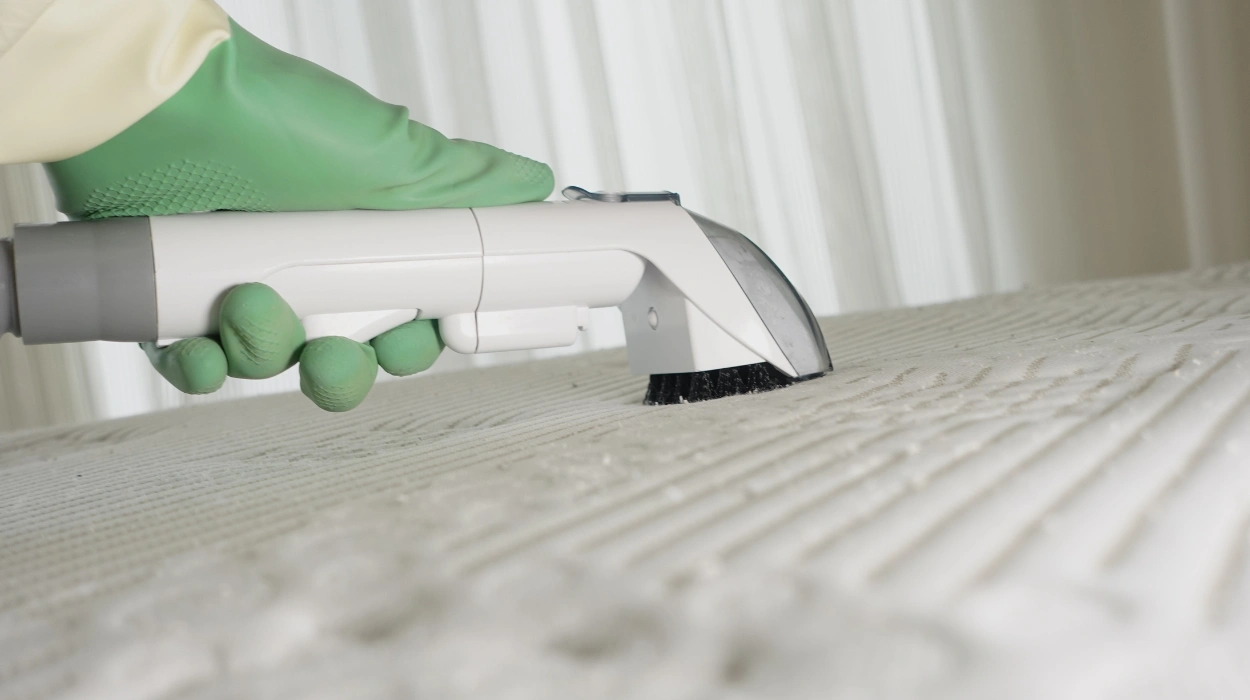
Keeping your mattress healthier doesn’t require drastic measures, just consistent care. Start by washing bedding in hot water at least once a week to kill dust mites and remove allergens. Mattress protectors designed for allergy sufferers act as a barrier, preventing mites from embedding themselves in the fibres. Vacuuming the mattress regularly with a HEPA filter vacuum helps remove surface debris while avoiding harsh chemicals that may cause irritation. Rotating your mattress every few months ensures even wear and reduces moisture accumulation.
For deeper cleaning, lightly steam cleaning is effective, but be sure the mattress dries completely to prevent mould growth. Airing your bed daily, especially on dry days in Altrincham, can reduce humidity and make the environment less suitable for mites. Small habits, like shaking pillows outdoors and reducing clutter, also make a significant difference. Implementing these steps consistently creates a healthier sleeping surface for you and anyone sharing your bed.
Humidity, Ventilation, and Bedroom Environment
Humidity levels play a key role in dust mite survival. High humidity encourages their growth, while lower humidity can significantly reduce their numbers. In Altrincham, seasonal changes can create fluctuations in indoor moisture levels, especially during damp winters or humid summers. Ensuring proper ventilation is essential; opening windows for a short period or using exhaust fans can help maintain airflow. Bedrooms should ideally be kept cool and dry, as warmer temperatures make dust mites more active. Investing in a dehumidifier is another effective strategy to control moisture levels without over-drying the air.
Simple daily practices, such as leaving the bed uncovered for a few hours after waking, can help reduce trapped humidity. Combining these methods with regular cleaning routines ensures a consistent approach to dust mite control. A well-ventilated, dry, and fresh bedroom environment not only reduces allergens but also contributes to better sleep quality, making these adjustments a worthwhile part of your mattress care routine.
Bedding Choices and Protective Covers
Choosing the right bedding is another key step in reducing dust mites. Allergy-proof mattress covers, pillow protectors, and breathable linens act as barriers that prevent mites from reaching your skin while sleeping. These covers are designed to trap allergens, making them easy to wash regularly. For bed sheets, opt for materials that are easy to clean at high temperatures, as frequent washing in hot water kills dust mites effectively. Synthetic fibres tend to dry faster and are less hospitable to dust mites compared to natural fibres that retain moisture.
Regularly changing and washing pillowcases and duvet covers is equally important, as mites accumulate there quickly. Layering protective covers with breathable sheets ensures comfort without compromising cleanliness. Investing in high-quality bedding might feel like an extra expense, but it significantly reduces allergen exposure. In Altrincham households, combining mattress hygiene, protective covers, and smart bedding choices leads to a more restful and healthier sleeping experience.
Advanced Dust Mite Prevention Tips
For those looking to take mattress hygiene a step further, a few additional habits can make a significant difference. Consider using a HEPA filter vacuum regularly, not just on mattresses but across carpets, curtains, and upholstered furniture, as dust mites often spread beyond the bed. Incorporating natural sunlight into your routine can also help; exposing pillows and duvets to direct sunlight for a few hours reduces moisture and naturally discourages mite growth. Washing soft toys and cushions on a monthly basis prevents hidden allergens from accumulating. Some households in Altrincham also benefit from using anti-allergen sprays or baking soda treatments on mattresses, which can absorb excess moisture and neutralise dust mite allergens.
Regularly decluttering your bedroom, keeping shoes out of sleeping areas, and minimising heavy drapes or fabrics that trap dust further improve air quality. By combining these advanced steps with standard cleaning routines, residents can create a nearly dust-mite-free bedroom, enhancing both sleep quality and long-term respiratory health. These measures complement everyday habits and offer extra reassurance for allergy-prone households.
Personal Story: Discovering Dust Mites at Home

Credit alexa-awans-images
A typical family in Altrincham noticed frequent sneezing and congestion during the night, despite keeping the bedroom tidy. After a routine check, they realised the mattress was a hotspot for dust mites, contributing to allergy flare-ups. Following advice from local experts, they began washing bedding weekly, using allergy-proof mattress protectors, and regularly vacuuming the mattress. They also implemented better ventilation, opening windows daily to reduce indoor humidity.
Within a few weeks, symptoms improved noticeably, and sleep quality increased. Even small changes like shaking pillows outdoors and rotating the mattress every few months made a difference. This real-life example highlights that dust mites are common, but manageable with consistent effort. By taking proactive steps, anyone sharing a bed in Altrincham can reduce allergens, improve sleep, and protect long-term respiratory health. Seeing tangible improvements reinforced the importance of daily habits in maintaining a dust-mite-free environment.
Sharing a bed with dust mites can impact health in ways we often overlook. By understanding why they thrive, recognising allergy symptoms, and implementing consistent cleaning routines, you can maintain a healthier mattress. Effective strategies include washing bedding weekly in hot water, using allergy-proof covers, vacuuming regularly, controlling humidity, and ensuring proper ventilation. Choosing suitable bedding materials and establishing daily habits further reduces allergen exposure.
These measures not only protect you from dust mite-related discomfort but also enhance sleep quality and overall wellbeing. Residents in Altrincham can benefit from applying these simple, realistic steps to create a cleaner and more comfortable sleeping environment. For professional mattress cleaning and deeper allergy protection, consider reaching out to Bee Cleaning Services Manchester, who specialise in maintaining hygienic, dust-mite-free bedding and provide tailored solutions for local homes.