

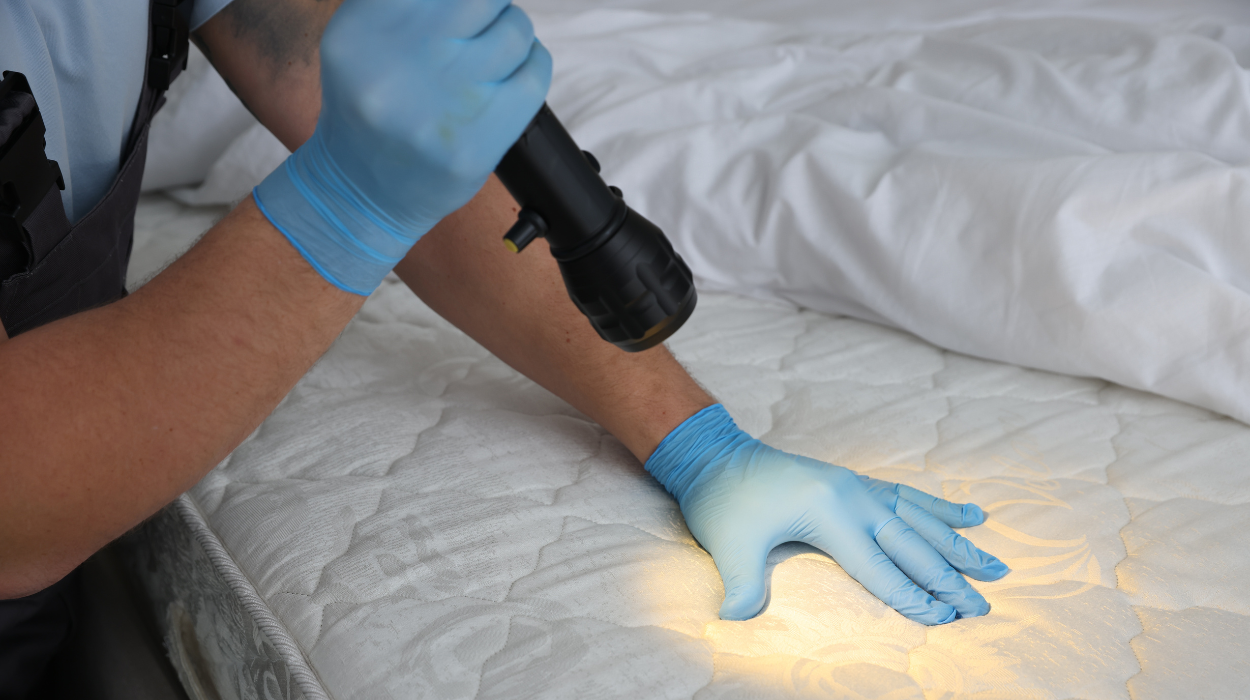
Night sweats staining beds can ruin your mattress and bedding over time, especially in places like Bury where humidity and warm nights can make sweat more likely. It is upsetting to wake up and find yellow marks or stubborn odours where you sleep, but there are gentle, effective ways to treat and remove these sweat stains without damaging your bed. If you take the right steps, you can keep your mattress fresher for longer and make your bedroom a more comfortable place to rest every night. In this article we share simple cleaning methods and sensible routines that help you deal with these stains at home, even if you sweat often during sleep.
Why Night Sweats Stain Beds
Night sweats happen to many people and they are not just about temperature. Sweating while asleep combines body salts, oils and moisture that gradually soak into sheets, mattress protectors and the mattress surface itself. This mix can lead to yellow coloured marks and a damp smell that lingers if left untreated. The staining happens because the sweat’s salt and urea react with fibres in the bedding over time, causing discolouration and odour.
If you notice this staining more often during the warmer months or after stressful days, you’re not alone. Many sleepers in the UK find that mattress protectors, moisture‑wicking bedding and regular cleaning make a big difference to both appearance and hygiene. Improving airflow and making sure bedding materials are breathable can reduce problems before they even start.
Preparing to Remove Sweat Stains Safely
Before treating any mattress or bedding, always remove all sheets, mattress covers and protectors. Wash sheets on the hottest setting they can safely handle to remove surface sweat and oils first. When dealing with a mattress itself, avoid soaking it with water as this can lead to mould far worse than any stain. Instead, start with dry methods like vacuuming to remove dust and loose fibres and then apply light cleaning. Baking soda, white vinegar and mild detergents are common natural cleaners that work well without harsh chemicals.
These cleaners help lift stains and neutralise smells. If your mattress is memory foam, be especially careful to use minimal moisture so the internal materials don’t get damaged. By planning your stain removal in gentle steps, you protect the mattress structure while still tackling the sweat marks that make your bed look older than it really is.
Step‑by‑Step Mattress Stain Removal That Works
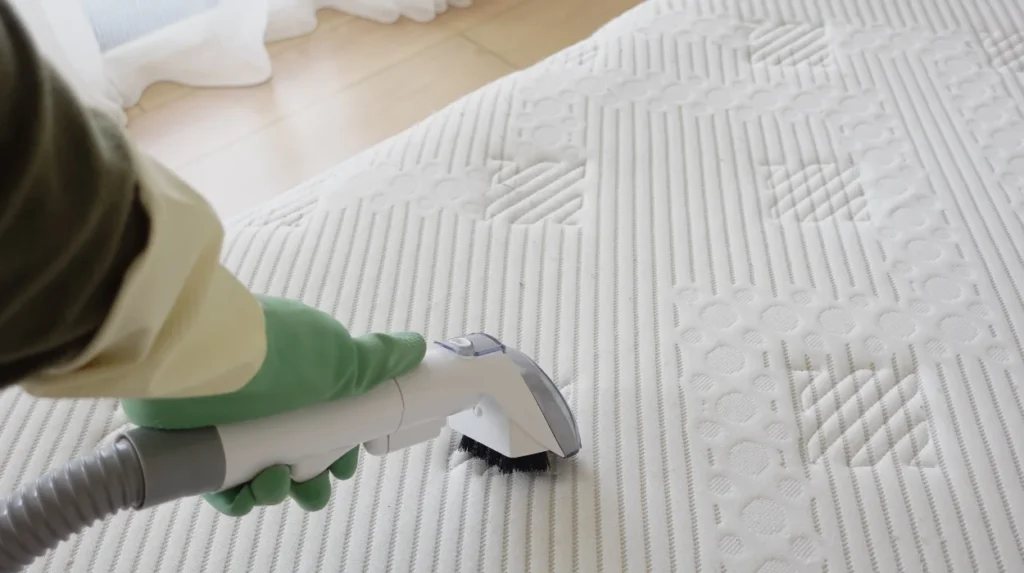
To effectively remove sweat stains from a mattress, follow these practical stages. First, remove all bedding and use a vacuum with an upholstery attachment to lift any loose dirt and debris. Next, sprinkle a generous layer of baking soda directly onto the stain area and let it sit for a few hours so it absorbs moisture and odours. After this initial wait, vacuum up the baking soda thoroughly to see how much the stain has lightened. For deeper marks, mix equal parts white vinegar and water in a spray bottle and mist lightly over the stain; this helps break down remaining residue without soaking the mattress.
Gently blot with a clean cloth, starting at the edges and working inwards. Finally, leave the mattress to dry completely before remaking the bed, ideally in a well‑ventilated room or near open windows. This approach uses everyday items without harsh chemical cleaners, but for very stubborn stains a product designed for upholstery stain removal can be added carefully if the care instructions allow it.
How to Prevent Future Night Sweat Stains
Prevention makes life easier and keeps the mattress looking newer for longer. Using a waterproof but breathable mattress protector forms a barrier that catches most sweat before it reaches the mattress fabric itself. Wash your bedding regularly, ideally weekly, because sweat and body oils stick to sheets and can transfer back to the mattress if left too long. Choosing bedding made from natural fibres like cotton or bamboo helps wick moisture away from your body so less reaches the mattress. Maintaining a comfortable bedroom temperature and low humidity, especially on warm Bury nights, also reduces sweating. Even opening a window or using a fan can make a big difference in how much you perspire during sleep. Taking simple steps like these each week means less stain removal work later and a fresher sleep space that feels cleaner every morning.
Mattress Types and Sweat Stain Challenges
Different mattresses react differently to sweat stains. Memory foam mattresses trap heat and moisture more than spring or natural fibre mattresses, which means stains and odours can take hold faster. If you have a foam mattress, it may be worth investing in a high quality mattress protector and changing bedding more often. Firmer sprung mattresses allow more airflow and can dry faster after cleaning. Regardless of mattress type, tackling stains sooner rather than later prevents them from setting deep into the fibres. If your mattress is very old or deeply stained, a professional clean may be the most effective solution, but many common sweat marks can be managed at home with patience and consistent care.
Real‑Life Experience: What Works for Sleepers in Bury
I once helped a friend in Bury who struggled with night sweats each summer. Her mattress had large yellow marks and a cloudy smell that laundry alone did not fix. After trying several home remedies, what helped most was a strict routine. She began washing her bedding every week, used a breathable waterproof protector and sprinkled baking soda the moment a stain first appeared. Most stains faded within a few applications and the mattress stayed much fresher overall. She also found that using lighter cotton bedding and keeping her bedroom cooler by opening windows at night made her sleep more comfortably and reduced sweating itself. This type of steady, simple care keeps your bed in better shape, as heavy chemicals or harsh scrubbing can damage the surface and make things worse over time.
The Role of Odour Control in Mattress Maintenance
Odour often lingers even after visible sweat stains are removed, which can make a bedroom feel less fresh and affect sleep quality. Night sweats stain beds not just with colour but with smells caused by bacteria and body salts. Addressing odours requires more than surface cleaning. After treating stains with baking soda or vinegar, leaving the mattress to air out completely is essential. Opening windows or using a fan can speed up drying and prevent damp smells from developing. For extra freshness, lightly sprinkle a natural deodoriser or more baking soda before vacuuming. A clean, odour‑free mattress makes sleep more comfortable and prevents bacteria from breaking down fibres further, which could make future stains worse. Regularly airing and deodorising bedding in Bury’s climate, especially during humid summer months, helps maintain hygiene and extends the life of the mattress. This simple step complements stain removal and reduces the need for harsh chemical cleaners. Consistent attention to odour control makes night sweats far less noticeable and keeps your sleep environment inviting.
Choosing the Right Bedding to Minimise Sweat Stains
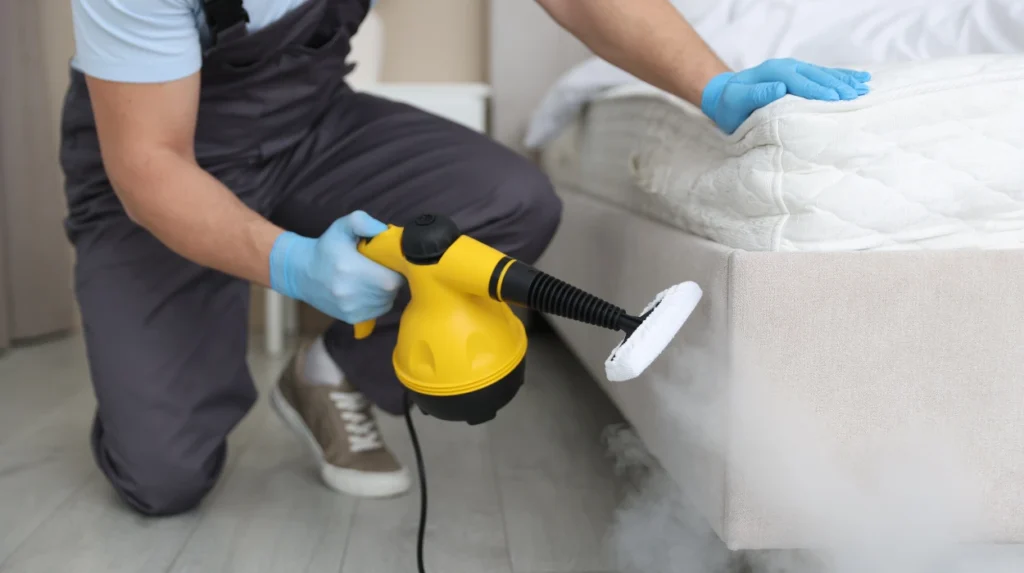
The type of bedding you use plays a crucial role in managing night sweats and protecting your mattress. Natural fibres such as cotton, bamboo or linen are breathable, allowing heat and moisture to escape, which prevents sweat from soaking deep into the mattress. Avoid synthetic sheets that trap heat and moisture, as these can worsen sweat stains over time. Mattress protectors that are waterproof yet breathable act as a first line of defence, capturing most of the sweat while remaining comfortable to sleep on.
Rotating bedding regularly, washing sheets weekly, and using pillow protectors also reduce the accumulation of oils and salts. For memory foam mattresses, consider adding a thin, washable top layer to absorb moisture without interfering with comfort. Investing in the right bedding materials and adopting small, consistent habits can dramatically reduce stains and odours. By pairing protective bedding with regular cleaning routines, night sweats staining beds becomes much easier to manage, and your sleep environment stays fresh.
Making Mattress Care Part of Your Weekly Cleaning Habit
Keeping night sweats from staining beds is easiest when mattress care becomes a normal part of your home routine. Set aside time each week to wash sheets and mattress protectors, air out the mattress, and vacuum the surface. If a stain appears, treat it quickly before it settles deeper. Over time this keeps your mattress looking newer, smelling fresher, and lasting longer without expensive cleaning services. Remember, night sweat stains are normal and happen to many households across the UK, but they do not have to be permanent or unsightly. With thoughtful care, effective stain removal and routine protection, your bed can remain a clean, inviting place to rest. If stains are persistent or you prefer professional help, consider reaching out to mattress care specialists.
For trusted support with deep cleaning or stubborn stains, Bee Cleaning Services Manchester can help keep your mattress and bedding in top condition with expert stain removal and ongoing care.