

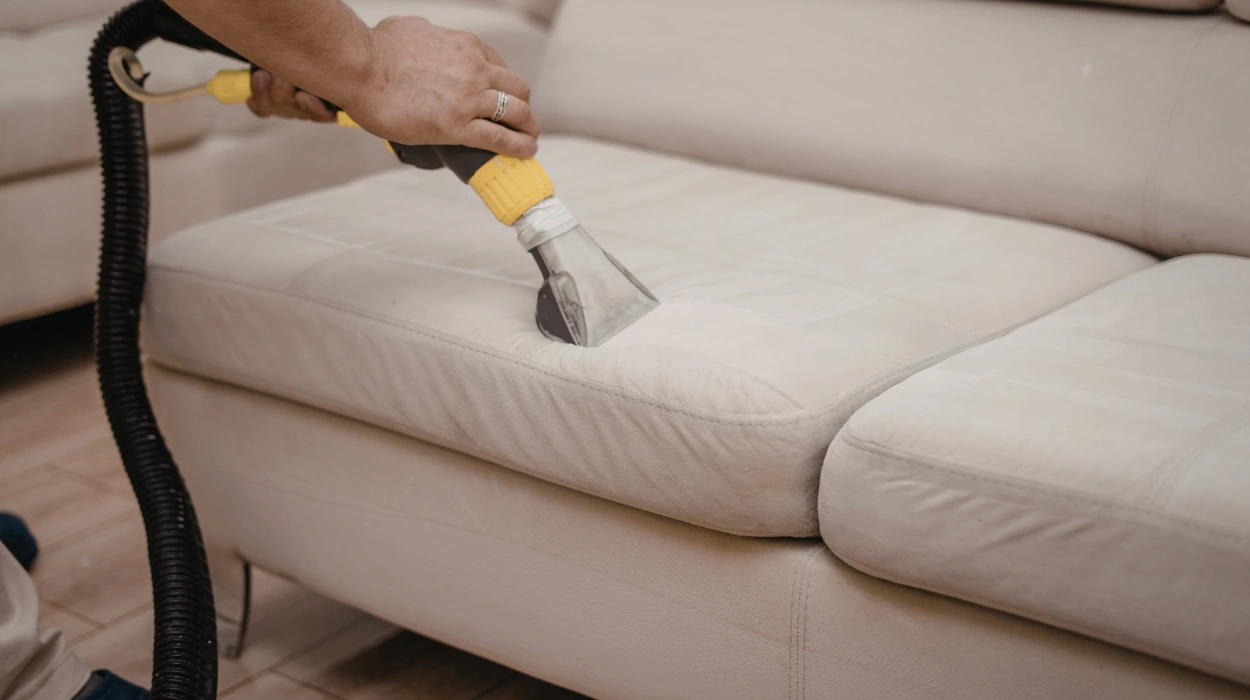
Leather furniture adds warmth and luxury to any home, but it requires proper care to last. Many homeowners unknowingly damage their leather by using the wrong cleaning methods, causing cracks and dryness. Understanding how leather responds to cleaning and conditioning is essential to maintain its natural softness. By adopting gentle care routines and professional guidance, you can protect your furniture for years. In Manchester, Bee Cleaning Services offers expert leather conditioning and upholstery care to prevent damage before it happens.
Why Leather Cracks: What Most People Get Wrong
Leather cracking often starts with a simple mistake. Many people believe any household cleaner can be used, but harsh chemicals strip leather of natural oils. Over‑wetting leather or scrubbing it aggressively accelerates dryness, leaving fibres brittle. Environmental factors like direct sunlight, radiators, and low humidity in winter also contribute to moisture loss. When leather loses its natural oils, it becomes stiff and starts to develop fine lines that eventually deepen into cracks.
Even routine cleaning can harm leather if done incorrectly. For example, vinegar or bleach-based products, while effective on other surfaces, are damaging to leather upholstery. Maintaining a consistent environment with moderate humidity and avoiding excessive heat can reduce these issues. Simple mistakes, like neglecting dust removal or using rough cloths, create friction that weakens the leather. Proper education and gentle care are key to stopping cracks before they start. Understanding these risks is the first step to keeping leather supple and long-lasting.
Proper Cleaning Steps Before Conditioning
Cleaning leather correctly is critical before applying any conditioner. Start by removing dust and debris with a soft, dry cloth or vacuum with a brush attachment. Avoid wet wipes or abrasive tools that can scratch the surface. Use a gentle, pH‑balanced leather cleaner to lift dirt without removing essential oils. Always perform a patch test in an inconspicuous area to ensure the solution does not affect colour or texture. Apply the cleaner sparingly and avoid soaking the leather, as excess moisture weakens fibres.
Work in small sections, following the natural grain to maintain flexibility. After cleaning, allow the leather to dry naturally at room temperature, away from direct sunlight or heat sources. This prevents uneven drying and reduces the risk of cracks. These steps not only prepare leather for conditioning but also remove grime that could otherwise interfere with oil absorption. Following these routines regularly ensures that your furniture remains both clean and resilient. In Manchester homes, these steps form the foundation of long-lasting upholstery care, preventing common mistakes that lead to leather damage.
How Regular Leather Conditioning Helps Prevent Cracking
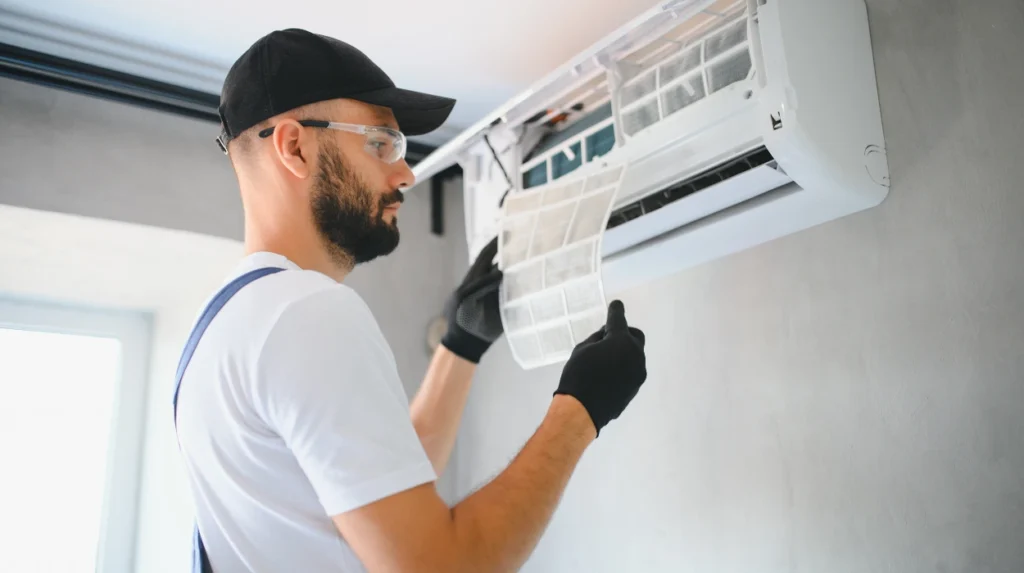
Leather conditioning is more than a cosmetic treatment; it restores vital oils lost through cleaning or environmental exposure. Regular conditioning keeps fibres supple, reducing brittleness and preventing fine lines from developing into cracks. High-quality leather conditioners penetrate the surface, replenishing moisture and maintaining elasticity. Apply conditioner sparingly using a soft cloth, ensuring even coverage without over-saturating. Over-conditioning can make leather sticky and attract dirt, so follow the product instructions carefully. Frequency depends on usage and climate, but generally, conditioning every three to six months helps leather withstand everyday wear.
Conditioning also protects against colour fading caused by sunlight and heat. By combining proper cleaning with timely conditioning, homeowners can prevent most common leather issues. Professional services, like those offered by Bee Cleaning Services in Manchester, provide expert application and advice, ensuring optimal care. Consistency and careful attention to leather maintenance dramatically extend the life and appearance of your furniture while keeping it comfortable for daily use.
Costly Mistakes That Cause Drying & Cracks You Didn’t Know
Even well-meaning homeowners can unintentionally harm leather. One common mistake is using household oils or creams not designed for leather. These products may leave residues or react chemically, accelerating cracking. Over-conditioning is another pitfall; while it seems helpful, excessive oils can make leather soft in the short term but weaken its structure over time. Neglecting humidity control can also contribute; leather dries out faster in heated or low-humidity rooms, especially during winter. Failing to address minor scratches or stains promptly allows damage to penetrate deeper into the fibres, making cracks inevitable.
Another overlooked factor is furniture placement; proximity to windows, radiators, or direct sunlight exposes leather to fluctuating temperatures that strip natural oils. Even dust particles left on the surface act like sandpaper over time, increasing friction and wear. By identifying these hidden risks, homeowners can prevent irreversible damage. Including these insights in your routine sets you apart from competitors who focus only on visible cracks. Using preventive measures ensures leather stays soft, flexible, and visually appealing for longer.
Tips for Maintaining Leather Furniture Between Cleanings
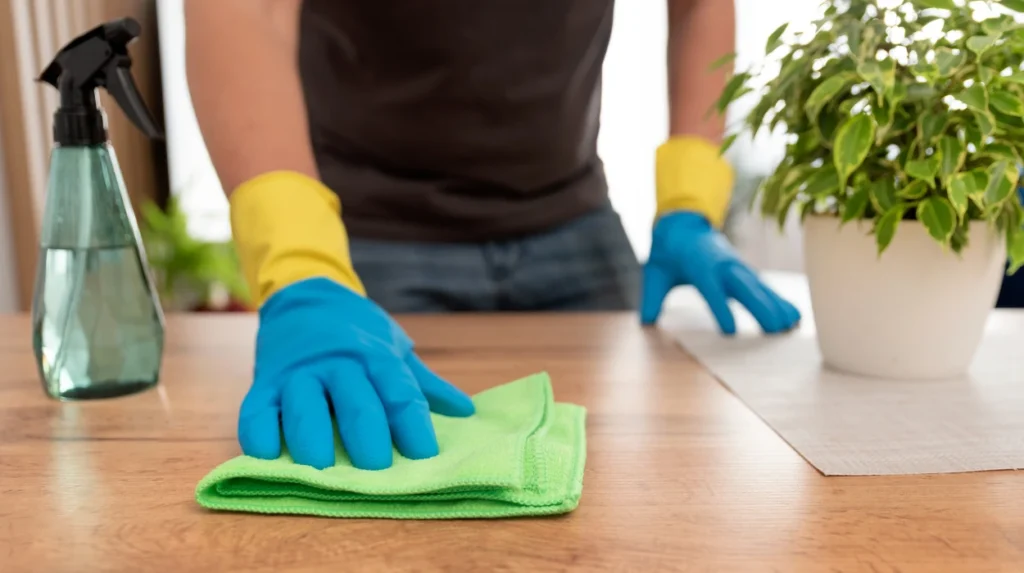
Maintaining leather furniture between deep cleans is just as important as professional care. Many homeowners overlook simple habits that prolong leather’s life and prevent cracking. Avoid placing leather sofas or chairs near direct sunlight or heat sources, as fluctuating temperatures can dry out fibres. Regularly dust and lightly wipe surfaces with a soft, damp cloth to prevent dirt from embedding in the grain. Using breathable leather covers during periods of heavy use, such as family gatherings or pets, protects against accidental spills and scratches. It’s also important to rotate cushions to ensure even wear and prevent certain areas from becoming brittle faster than others.
Small lifestyle adjustments, like keeping pets’ nails trimmed or avoiding clothing with sharp hardware, reduce friction and potential tears. Incorporating these daily habits, combined with periodic conditioning, ensures your leather remains supple and visually appealing. By making maintenance part of your routine, you minimise the risk of expensive repairs while enjoying soft, long-lasting furniture. This approach complements professional leather care and helps prevent cracking before it starts.
Choosing the Right Leather Products for Long-Term Care
Selecting the correct products is crucial to keeping leather soft, hydrated, and crack-free. Many homeowners mistakenly use household cleaners or oils, which can leave residues or damage the fibres over time. It’s best to choose pH-balanced, leather-specific cleaners and conditioners designed for your particular type of upholstery. Test any new product in a small, inconspicuous area first to ensure compatibility and prevent colour changes. When conditioning, apply a thin, even layer and allow the leather to absorb it naturally, avoiding excess which may attract dirt. Some high-quality conditioners contain natural oils like lanolin or neatsfoot, which restore suppleness without causing stickiness.
Regular use of the right products reinforces the leather’s natural barrier against dryness and environmental stress. Additionally, pairing product use with good humidity control at home enhances results. Investing in professional advice or products recommended by services like Bee Cleaning Services Manchester guarantees your leather receives expert care. Choosing the right products and using them consistently helps maintain the furniture’s elegance, comfort, and structural integrity over years of daily use.
When To Call Professionals For Upholstery Care
Some leather problems require expert attention. Signs that professional care is needed include deep cracks, significant colour fading, or stiffening of the material. Bee Cleaning Services in Manchester offers specialised leather conditioning that restores natural oils safely and extends furniture life. Professionals use products that are gentle yet effective, ensuring no damage occurs during cleaning or conditioning. They also assess underlying issues like hidden dryness, uneven wear, or previous chemical damage. Routine professional care complements your at-home maintenance, providing a deeper restoration that cannot be achieved with DIY methods. Even minor imperfections, if treated early by experts, prevent future cracks and costly repairs. In addition, trained technicians can advise on the best conditioning products for your specific leather type and environmental conditions. Incorporating periodic professional cleaning into your routine ensures that your investment remains in top condition. With Bee Cleaning Services, homeowners in Manchester can trust their leather furniture receives precise care tailored for longevity, keeping it soft, attractive, and fully protected.
Leather furniture deserves careful attention to prevent cracks and preserve its beauty. Proper cleaning, regular conditioning, and awareness of common mistakes are essential steps for longevity. Environmental factors, product choices, and maintenance routines all play a role in keeping leather supple and resilient. By implementing these strategies at home and combining them with professional services, you can enjoy leather furniture that looks and feels luxurious for years. Bee Cleaning Services Manchester offers expert leather conditioning and upholstery care, helping homeowners prevent damage while keeping their furniture in pristine condition. With professional guidance and regular upkeep, your leather will remain soft, strong, and visually appealing, proving that thoughtful maintenance is always worth the effort.