

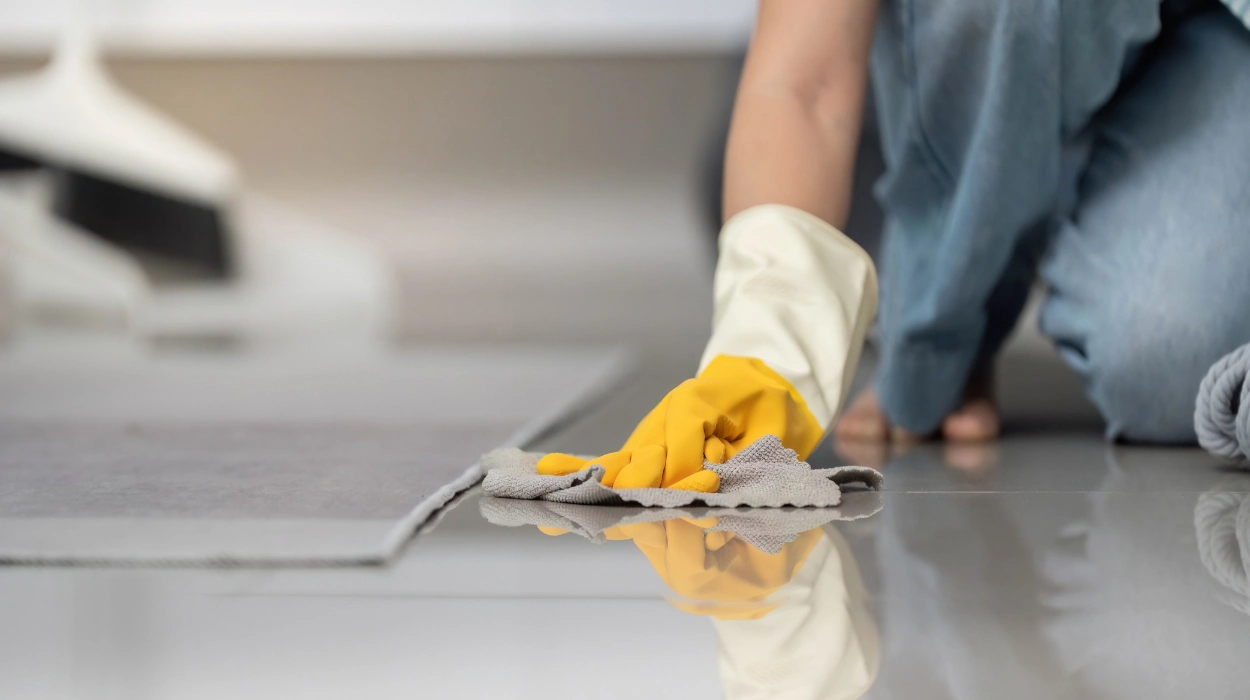
Incomplete NDIS Deep Cleans Leaving Biohazards in Bury Properties is becoming a growing concern for families and housing providers. Many assume a deep clean means every surface is sanitised and safe. Sadly, that is not always the case. When corners are cut, hidden dirt and harmful bacteria remain. In supported housing, this can quickly turn into a public health risk. Infection control cleaning is not just about wiping surfaces. It requires proper disinfection protocols and attention to high-touch areas. If cross-contamination occurs, vulnerable tenants may suffer. For NDIS participants, even minor hygiene failures can lead to serious illness. That is why NDIS housing compliance cleaning must be done carefully and fully.
What Biohazards Are Commonly Left Behind in Bury Properties
Biohazards in Bury properties often include bodily fluids, mould growth, and contaminated waste. In some supported accommodation cleaning jobs, cleaners may overlook mattresses, soft furnishings, or bathroom grout. These hidden areas can hold bacteria and strong odours. Without proper biohazard cleaning services Bury, harmful pathogens may remain active. Trauma cleaning Bury services are sometimes needed when there has been an accident or health crisis.
Sharps disposal is another serious issue in certain properties. If needles or medical waste are missed, the risk increases for both tenants and cleaning staff. Mould removal in Bury is also critical, especially in damp flats. Ignoring mould can cause breathing issues and worsen existing health conditions.
Why Some NDIS Cleaning Services Fail to Meet Standards

There are many reasons why NDIS cleaning services Bury may fall short. Some teams are rushed due to tight schedules. Others may not have the right training in high risk cleaning services. Deep cleaning for NDIS participants requires more than standard domestic cleaning. It involves risk assessment, infection prevention, and correct chemical use. If cleaners are not trained in NDIS cleaning standards UK, mistakes happen. Supported accommodation cleaning should include careful checks of kitchens, bathrooms, and shared spaces. When supervision is weak, rooms may be skipped. This is how incomplete NDIS deep cleans happen. Over time, these gaps build up and create unsafe living conditions. Professional cleaners Bury must follow clear procedures to avoid these failures.
The Impact on Vulnerable Tenants and Families
When a property is not cleaned properly, the impact is real. Vulnerable tenants may already have low immunity or long term health conditions. Exposure to bacteria or mould can trigger infections. Families often feel stressed when they notice strong odours or visible dirt after a supposed deep clean. It breaks trust. Safeguarding cleaning standards exist to protect people who rely on care support. There is also a duty of care for housing providers and agencies. If biohazards remain, complaints can follow. In some cases, local council housing cleaning inspections may fail the property. This adds pressure and cost. Clean, safe housing should not be optional. It is a basic right for everyone in supported living.
How to Tell If a Deep Clean Was Truly Completed
Many people ask how to check if a deep clean was done properly. First, look beyond visible surfaces. Check skirting boards, behind furniture, and inside cupboards. A proper NDIS property cleaning should leave no lingering odour. Infection prevention means disinfecting high touch areas like switches and door handles. Ask for a property inspection cleaning report. This shows what tasks were completed and what products were used. Reliable NDIS approved cleaners Manchester usually document their work clearly. If a service avoids giving details, that can be a warning sign. A true deep clean for NDIS participants should feel fresh, safe, and thorough. It should not leave you questioning whether key areas were missed.
The Importance of Specialist Biohazard Cleaning in Bury
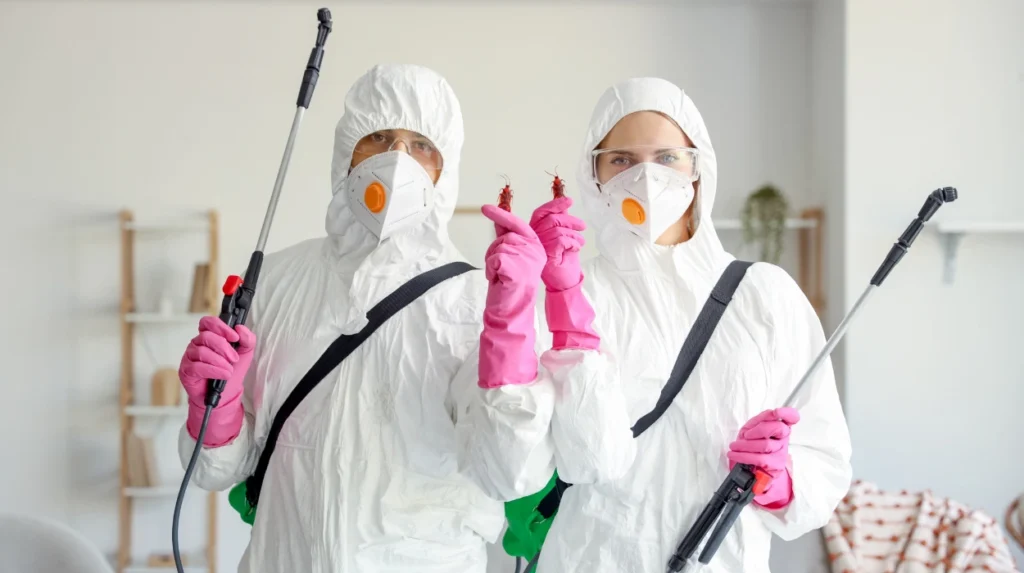
Specialist biohazard cleaning services Bury are essential when dealing with contamination. Standard cleaning tools are not enough in these cases. Professional teams use protective equipment, hospital grade disinfectants, and safe waste disposal methods. Emergency biohazard response may be needed if there has been an accident or medical issue in the property. Incomplete NDIS deep cleans often happen when companies treat high risk jobs like routine tasks. That approach puts people at risk. High risk cleaning services require training in cross contamination control and safe chemical handling.
Trauma cleaning Bury services also ensure that all affected materials are treated or removed properly. This level of care protects tenants, staff, and visitors. It also supports health and safety compliance for landlords and housing providers. In Bury, where supported housing continues to grow, specialist knowledge makes a clear difference in outcomes.
Compliance, Documentation and Peace of Mind
Compliance is more than ticking boxes. NDIS cleaning services Bury must align with health and safety compliance rules and clear hygiene standards. Proper documentation helps prove that infection control cleaning was carried out correctly. Housing associations and supported accommodation managers often request detailed cleaning records. Without them, there can be disputes about responsibility. NDIS housing compliance cleaning should include clear risk assessments before work begins. It should also confirm safe disposal of waste, including sharps disposal when required. When documentation is in place, families feel reassured. They know the environment has been treated seriously. Professional cleaners Bury who understand sanitisation services Manchester standards can provide that extra confidence. Good records also protect service providers from complaints. In the long term, transparency builds trust and reduces repeat issues linked to incomplete NDIS deep cleans.
Choosing a Reliable NDIS Cleaning Service in Bury
Finding the right team matters. Look for NDIS approved cleaners Manchester who understand supported accommodation cleaning. Ask about their experience with biohazard cleaning services Bury. A reliable company will explain their process clearly. They should discuss risk assessment, infection prevention, and safe product use. Avoid services that offer quick fixes without detail. Deep cleaning for NDIS participants requires patience and care. If possible, check reviews from other local clients in Bury. Consistency is key. A trustworthy provider will treat every property as if someone they care about lives there. That mindset helps prevent incomplete NDIS deep cleans and keeps vulnerable tenants safe.
If you are concerned about Incomplete NDIS Deep Cleans Leaving Biohazards in Bury Properties, it may be time to speak with a team that understands both safety and care. For thorough NDIS property cleaning and specialist biohazard support, contact Bee Cleaning Services Manchester and arrange a detailed assessment for your property today.