


Germs and viruses commonly spread in homes and workplaces when people touch contaminated surfaces and then touch their face or when infectious respiratory droplets from coughing, sneezing, or talking land on people or objects. This transmission happens with ordinary daily activities and shared spaces.
Understanding how germs move through environments highlights why proactive hygiene measures and Antiviral Sanitisation Services in Farnworth are important for healthier indoor spaces and lower infection risk.
What Are Germs and Viruses?
Germs is a broad term for microscopic organisms like bacteria, viruses, fungi and parasites that can cause infection and illness. Viruses are a type of germ that require living cells to reproduce and can spread rapidly through populations. Because they are microscopic, people cannot see them on surfaces or in the air without specialized equipment.
Core Routes of Transmission
Germs and viruses spread through a few basic mechanisms:
- Direct Contact: Touching an infected person, such as hugging or shaking hands, transfers pathogens directly from one body to another.
- Contact with Contaminated Surfaces: People pick up germs from common touchpoints and then transfer them to their mouth, nose or eyes.
- Respiratory Droplets: When someone coughs, sneezes, talks or breathes, small droplets containing viruses can be inhaled by others or settle onto surrounding surfaces.
- Indirect Environmental Exposure: Indoor spaces with limited ventilation or high humidity can enhance lingering particles in the air or on surfaces.
These mechanisms apply in both household and workplace settings, making certain environments more susceptible to contagion without proper hygiene measures.
How Germs Spread in Homes
Homes are hubs of daily life and provide many opportunities for germs and viruses to circulate.
Common Household Transmission Paths
In residential spaces, people interact with many shared surfaces and objects. Frequent touchpoints include:
- Door handles and light switches
- Kitchen counters and appliance handles
- Bathroom taps and toilet flush levers
- Mobile phones, remotes and keyboards
- Children’s toys and dining tables
Studies show that viruses like cold and flu can survive on hard surfaces, such as plastic and metal, for hours to days unless properly disinfected.
Routine activities such as cooking, laundry, pet care or washing up provide moments where pathogens can move from one surface to another. For example, touching a contaminated remote control then touching your face without washing hands can lead to infection.
Practical Impacts in Homes
When someone in the house is sick, the risk of spread increases dramatically without effective cleaning. Pathogens deposited on bedding, countertops or shared devices can be picked up by family members unless surfaces are cleaned and disinfected regularly.
Daily habits like proper hand hygiene, sanitising high-touch areas, and limiting shared personal items help reduce transmission. But to break deeper chains of contamination, more thorough Antiviral Sanitization Services in Farnworth may be advised.
How Germs Spread in Workplaces
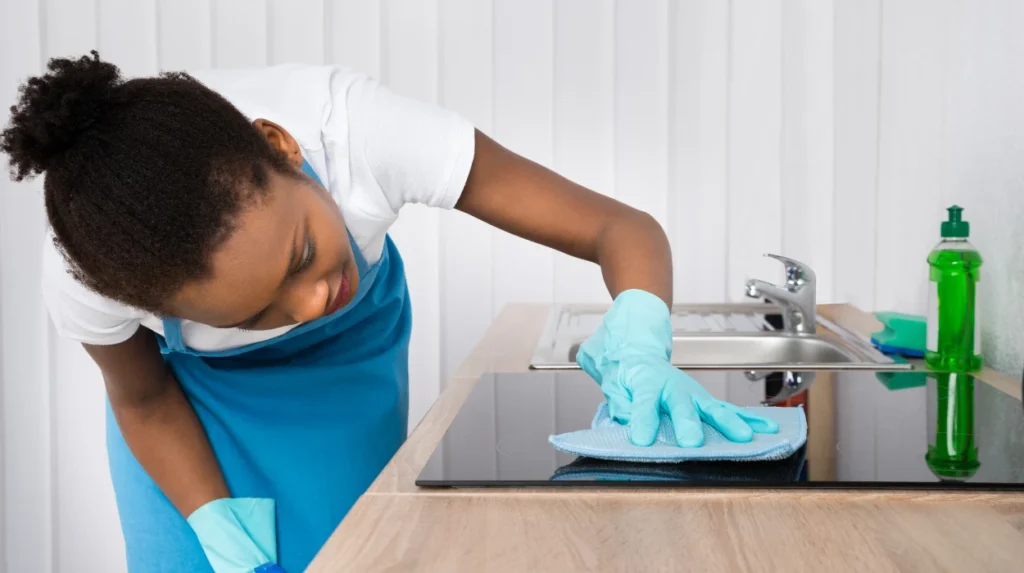
Workplaces share many of the same infection pathways found in homes, but higher foot traffic and more people interacting increase potential exposure.
Shared Offices and High-Use Areas
In office or commercial environments, germs can spread quickly through:
- Shared desks, chairs, keyboards and mice
- Communal kitchens and break rooms
- Meeting room tables and conference equipment
- Elevator buttons and stair handrails
- Restrooms and washing facilities
Just like homes, these surfaces can act as conduits for pathogens. Without regular sanitisation, daily interactions among employees multiply opportunities for transmission.
Respiratory Spread in Work Environments
Besides surface contact, respiratory droplets from talking, coughing or sneezing remain a key route of spread indoors. In enclosed rooms with limited ventilation, aerosolised droplets can persist in the air and be inhaled by others nearby.
Combining surface risk with airborne particles means workplaces must adopt both environmental cleaning and behavioural hygiene to effectively reduce the spread of germs and viruses.
High-Risk Surfaces and Environments
Both homes and workplaces have areas where germs are more likely to accumulate and transmit infections.
High-Touch Surfaces
Any surface touched frequently by multiple people can harbour pathogens. Common high-risk items include:
- Countertops, table tops and handrails
- Light switches and door handles
- Telephones and computer peripherals
- Appliance handles and shared equipment
- Bathroom fixtures such as taps and toilet handles
These objects are fomite surfaces—materials carrying infectious agents—which can maintain viable viruses long enough for transmission to occur.
Shared Indoor Spaces
Enclosed areas like break rooms, restrooms, shared meeting rooms and family living spaces naturally expose people to others and to frequently touched surfaces. Without cleaning and sanitisation, these places act as hubs where germs multiply and spread.
In settings where someone has recently been ill, the risk of lingering germs increases without proper measures. Regular housekeeping reduces visible dirt, but sanitisation targets microbial contamination that might otherwise go unnoticed.
Why Antiviral Sanitisation Matters
Understanding the transmission pathways above makes clear that not all cleaning is equal. Basic cleaning with soap and water reduces visible dirt and some germs, but professional antiviral sanitisation is more comprehensive.
Difference Between Cleaning and Sanitisation
- Cleaning removes visible dirt and debris but does not necessarily deactivate viruses.
- Sanitisation and disinfection involve chemical or professional methods that kill or inactivate germs, reducing pathogen load on surfaces beyond what casual cleaning can achieve.
Professional Antiviral Sanitisation Services in Farnworth use products and techniques specifically designed to lower viral and bacterial contamination in homes, offices, retail spaces and other shared environments. These methods help protect occupants by reducing the reservoir of infectious particles on surfaces.
Benefits of Professional Treatment
Professional sanitisation often includes systematic disinfection of high-touch areas, application of antiviral agents to hard-to-reach spots, and strategic planning for spaces with high foot traffic or frequent contact. This helps minimise the potential for disease spread, particularly during cold and flu seasons or other periods of elevated infection risk.
How Indoor Air Quality Influences Germ and Virus Movement

Indoor air quality plays a significant role in how viruses travel and how contagious particles linger in a space. Poor airflow or inadequate ventilation in homes and workplaces makes it easier for tiny droplets and aerosol particles containing viruses to accumulate rather than disperse. Increasing fresh air exchange — such as opening windows or improving HVAC filtration — reduces the concentration of airborne pathogens and makes it less likely for occupants to inhale infectious particles over time. Sources like the U.S. Environmental Protection Agency emphasise that ventilation and air cleaning help lower indoor viral exposure by diluting contaminants and removing them from occupied spaces.
Maintaining good air quality is especially important in rooms where people spend extended periods, such as open‑plan offices or living rooms. Portable air purifiers with HEPA filters can help capture microscopic particles that may not settle quickly on surfaces, thereby lowering the overall risk of airborne transmission. This approach complements surface cleaning and sanitisation practices, creating a safer indoor environment that supports general health.
Environmental and Behaviour Factors That Increase Spread
Not all environments present the same level of transmission risk; factors such as crowding, humidity, and the type of surfaces present influence how easily germs and viruses spread. Enclosed spaces with many people close together increase the chance of contact between infected droplets and susceptible individuals, while non‑porous materials like metal or plastic surfaces can harbour viable viruses longer than porous ones.
Additionally, indoor humidity levels impact virus survival in both air and on surfaces. Evidence suggests that maintaining moderate humidity — typically between 40 % and 60 % relative humidity — in homes and workplaces may reduce viral stability in the environment and support healthier respiratory defenses. Very low humidity in winter months, for example, can worsen respiratory irritation and help viral particles remain infectious longer on surfaces and in the air.
Everyday Habits That Reduce Spread
In addition to professional sanitization, individuals and organisations can adopt daily practices that interrupt transmission pathways:
- Hand hygiene: Wash hands with soap for at least 20 seconds, especially after returning from outside or interacting with shared objects.
- Focus on touchpoints: Wipe down frequently touched surfaces daily, such as door handles, counters and devices.
- Avoid touching face: Keeping hands away from eyes, nose or mouth helps prevent pathogens entering the body.
- Ventilation: Increasing fresh air circulation reduces airborne concentration of droplets in enclosed spaces.
Together, these behaviours and professional services form an effective hygiene strategy to reduce the presence and spread of germs and viruses indoors.
Germs and viruses spread through direct contact, contaminated surfaces, and respiratory droplets in both homes and workplaces. Everyday interactions with familiar objects and shared spaces help pathogens move between people. While individual hygiene practices reduce exposure, deeper contamination often requires more advanced cleaning methods.
Professional Antiviral Sanitization Services in Farnworth help target and lower virus and germ presence on high-risk surfaces, complementing daily hygiene measures for healthier indoor environments. Exploring structured sanitisation through experienced providers like Bee Cleaning Services Manchester supports better protection in both residential and commercial settings.