

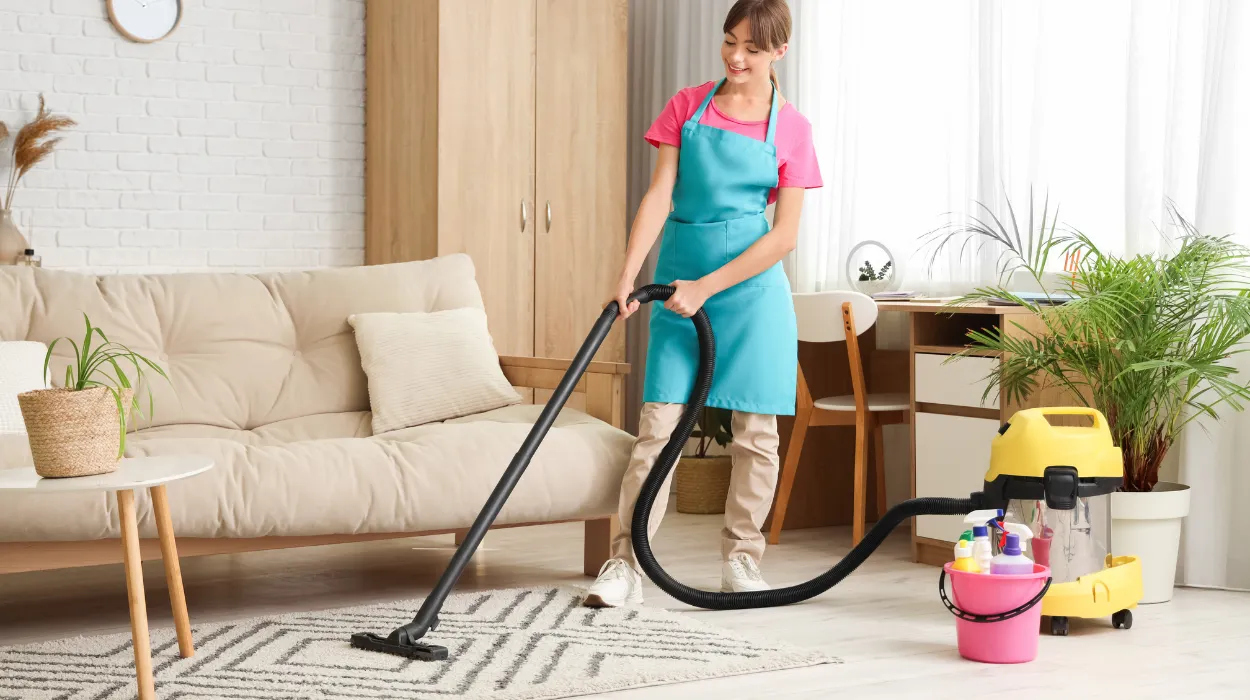
Dirty and stained carpets usually occur due to everyday household activity, dust buildup, spills, and inadequate cleaning routines. Understanding the common causes of dirty and stained carpets helps homeowners prevent damage and maintain healthier indoor spaces.
Carpets act like large fabric filters inside a home. They collect dust, pollen, oils, food crumbs, and microscopic particles that settle from the air or are brought in on shoes. Over time these materials accumulate deep within carpet fibres and begin to change the appearance and smell of the flooring. Without proper care, stains become embedded and routine vacuuming is no longer enough. Many households underestimate how quickly contamination builds beneath the surface. Professional cleaning helps restore fibres and remove deep residues that ordinary household methods cannot fully address.
Why Carpets Become Dirty Faster Than Expected
Many homeowners assume carpets only become dirty when visible stains appear. In reality, contamination begins long before discoloration becomes noticeable. Tiny particles settle into fibres throughout the day and are gradually compacted through foot traffic. This process pushes dirt deeper into the carpet backing where normal cleaning tools cannot reach. As layers accumulate, carpets begin to look dull and feel rough. Even rooms that appear clean may hold significant trapped debris beneath the surface.
Indoor environments also contribute heavily to carpet contamination. Dust from furniture fabrics, pet hair, cooking oils, and airborne particles all settle into carpet fibres. When humidity increases, these materials can cling more tightly and form stubborn residues. Over months this buildup changes the texture and colour of carpets. Professional deep cleaning removes embedded dirt and restores fibre structure. For many households, this becomes necessary at least once or twice a year to maintain hygiene and appearance.
Foot Traffic and Everyday Wear
One of the most significant causes of carpet staining is consistent foot traffic. Hallways, living rooms, and entrance areas experience the most movement throughout the day. Shoes carry soil, sand, and outdoor debris directly into carpet fibres. These materials grind against the fibres when walked on repeatedly, gradually wearing down the surface. Over time, the carpet develops darker paths where traffic is highest. These marks are often mistaken for permanent stains but are actually compacted dirt.
Heavy traffic also pushes oils from skin and footwear into carpet fibres. These oils attract more dirt and cause carpets to become sticky or discoloured. Regular vacuuming helps remove loose debris, but cannot fully eliminate embedded oils. This is why professional extraction cleaning is often recommended in busy homes. For residents seeking deep carpet cleaning for homes in Farnworth.
Spills and Liquid Stains
Liquid spills are among the most visible and common causes of carpet staining. Drinks such as coffee, tea, juice, and wine contain pigments that quickly bond with carpet fibres. When spills are not treated immediately, the colour molecules penetrate deeper layers of the carpet. This makes stains harder to remove with household cleaners. Many people attempt to scrub stains aggressively, which can actually spread the liquid further and damage fibres.
Food spills create additional complications because they often contain oils and sugars. These residues attract dust and bacteria if not fully removed. Even when a stain appears to disappear, leftover particles may remain in the fibres. Over time these areas become darker and sticky. Professional carpet cleaning uses extraction methods designed to lift residues rather than push them deeper. Understanding proper cleaning processes can help homeowners prevent long term damage.
Pet Activity and Biological Residue
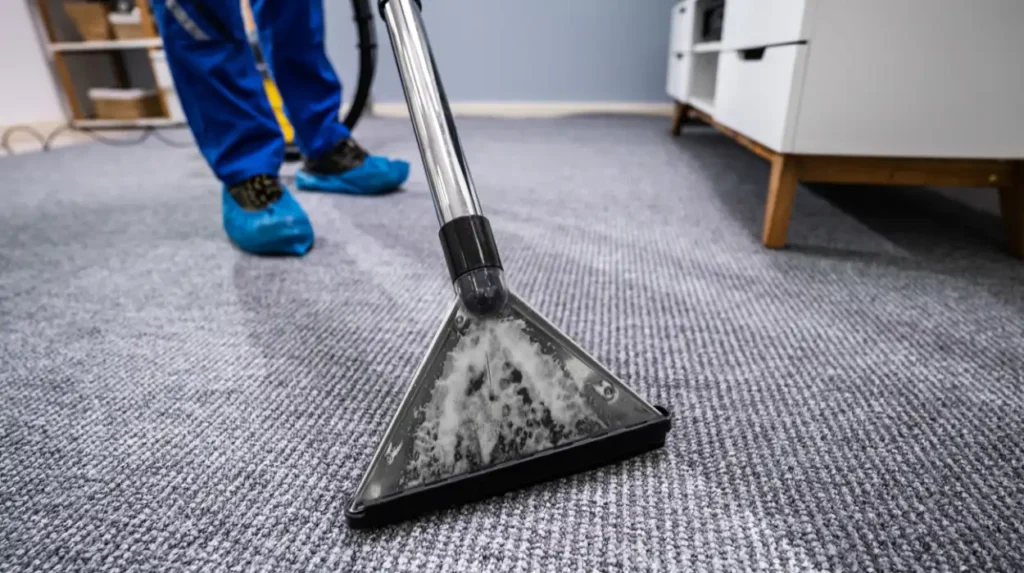
Homes with pets frequently experience unique carpet staining challenges. Pets naturally shed hair, oils, and dander that accumulate within carpet fibres. These particles can combine with dust and moisture to produce noticeable odours. Additionally, accidental pet urine or other biological stains can penetrate deep into carpet padding if not treated quickly. Standard cleaning products often mask the smell but do not fully eliminate the bacteria responsible for persistent odours.
Biological stains require specialised treatment because they interact chemically with carpet materials. Professional cleaning solutions break down these compounds and neutralise odours rather than simply covering them. Deep extraction also removes the moisture trapped in the carpet backing. Learning what to expect during a professional carpet cleaning appointment can help homeowners understand how these treatments work and why specialised equipment is often necessary.
Dust and Airborne Contaminants
Carpets continuously collect dust from the surrounding environment. Every time doors or windows open, tiny airborne particles enter the home. These particles include soil, pollen, textile fibres, and pollutants from outdoor air. Heating and ventilation systems also circulate dust through indoor spaces. Much of this material eventually settles into carpet fibres where it becomes trapped.
When carpets are disturbed by walking or vacuuming, some of these particles become airborne again. This cycle can affect indoor air quality and contribute to allergy symptoms in sensitive individuals. Deep carpet cleaning removes embedded dust layers and improves air circulation in living spaces. Regular professional cleaning is therefore often recommended for households with allergies or respiratory concerns.
Moisture and Humidity Effects
Moisture plays a significant role in carpet staining and deterioration. When carpets remain damp due to spills, humidity, or improper cleaning, they become more susceptible to mould growth and bacterial activity. Moisture also causes dirt to bind more tightly to carpet fibres. This can result in dark patches or uneven discoloration that becomes difficult to remove.
Bathrooms, kitchens, and entryways often experience higher moisture levels. Wet shoes and umbrellas introduce additional water into carpeted areas. Over time repeated moisture exposure weakens carpet backing and encourages unpleasant odours. Professional cleaning equipment uses controlled water extraction methods to ensure carpets dry properly. Proper drying is essential to prevent long term structural damage.
Infrequent Vacuuming and Maintenance
Routine vacuuming is the first line of defence against carpet contamination. However many households vacuum less frequently than recommended. Dust and soil particles remain in the carpet and gradually settle deeper into the fibres. Once compacted by foot traffic, these particles become difficult to remove with standard vacuum cleaners. This buildup contributes to fading colours and rough textures.
Effective carpet maintenance involves consistent vacuuming combined with periodic deep cleaning. Vacuuming removes loose debris while professional cleaning addresses embedded dirt and oils. When carpets are maintained regularly, they retain their original colour and softness much longer. Maintenance routines also extend the lifespan of carpet materials by preventing fibre breakdown caused by abrasive particles.
Household Oils and Residue
Carpet fibres easily absorb oils from everyday household activities. Cooking vapours, skin oils, cosmetics, and hair products can all settle into the carpet over time. These substances create a slightly sticky film on the fibres that attracts additional dirt. Even clean looking carpets may contain invisible oily residues that contribute to gradual discolouration.
This type of buildup is particularly common in living rooms and bedrooms where people spend extended time. Once oils accumulate, standard cleaning products may struggle to dissolve them completely. Professional carpet cleaning uses specialised detergents designed to break down oil based residues safely. Removing these residues restores the carpet’s natural texture and reduces future dirt accumulation.
Poor Cleaning Techniques
Improper cleaning methods can sometimes make carpet staining worse. Many store bought carpet shampoos leave behind detergent residue if not rinsed thoroughly. This residue attracts dust and causes carpets to become dirty again quickly. Over-wetting carpets during cleaning can also force dirt deeper into the padding beneath the fibres.
Another common mistake is scrubbing stains aggressively with rough brushes. This damages the fibre structure and spreads the stain across a larger area. Professional cleaning technicians use equipment designed to lift contaminants while protecting the carpet material. Homeowners researching important factors when choosing a carpet cleaning company often look for providers that use modern extraction equipment and safe cleaning solutions.
Long Term Impact of Untreated Carpet Stains
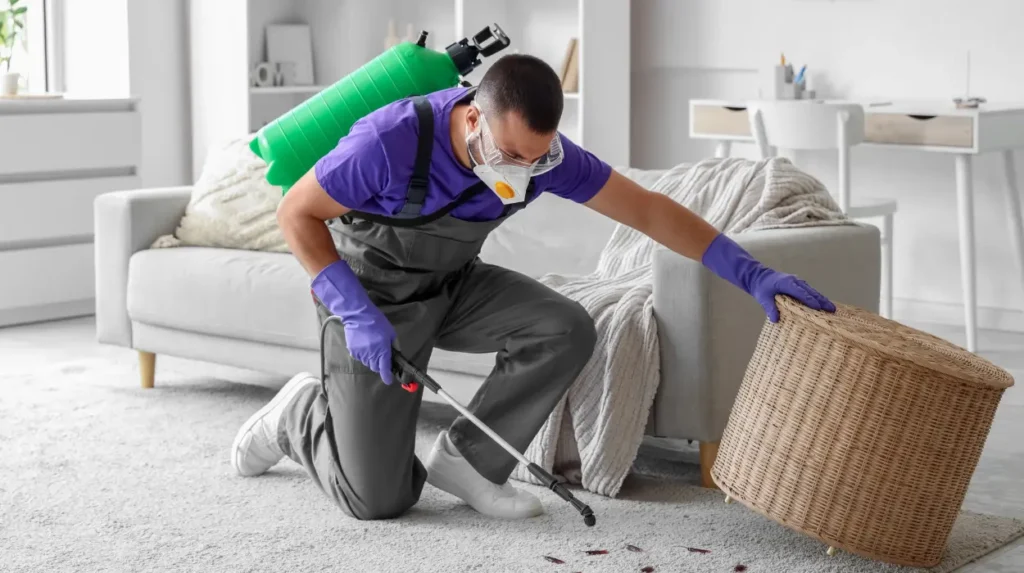
When carpet stains remain untreated for long periods, they gradually alter the structure of the fibres. Dirt particles act like tiny abrasives that weaken fibres with repeated pressure. As fibres break down, carpets lose their softness and appear permanently dull. In severe cases stains may penetrate into the carpet backing where removal becomes much more difficult.
Untreated contamination can also affect the overall hygiene of a home. Dust mites, bacteria, and allergens thrive in environments where organic debris accumulates. Regular professional cleaning helps remove these contaminants before they cause long term damage. Preventative maintenance is generally more effective and affordable than replacing heavily damaged carpets.
How Professional Carpet Cleaning Helps
Professional carpet cleaning addresses the deeper causes of staining rather than only surface marks. Modern extraction equipment uses controlled water pressure and specialised detergents to dissolve oils, lift dirt, and remove bacteria. High powered suction then extracts moisture along with the contaminants trapped in the fibres. This process restores the carpet’s original colour and softness.
Companies such as Bee Cleaning Services Manchester provide cleaning solutions designed for residential carpets exposed to everyday wear. Their Carpet Cleaning Services in Farnworth focus on removing embedded debris while protecting fibre integrity. Professional cleaning also helps eliminate odours and improve indoor air quality. For many households this process forms an important part of maintaining a healthy indoor environment.
Maintaining Cleaner Carpets at Home
Preventing carpet stains begins with simple household habits. Removing shoes at the entrance reduces the amount of soil carried indoors. Immediate treatment of spills helps prevent liquids from penetrating deep into the fibres. Using entrance mats also captures outdoor dirt before it reaches carpeted areas.
Regular vacuuming combined with periodic deep cleaning maintains carpet condition over time. Professional cleaning removes residues that standard equipment cannot reach. Bee Cleaning Services Manchester recommends routine maintenance to prevent long term damage caused by embedded dirt and oils. When carpets receive consistent care, they remain cleaner, healthier, and more durable throughout their lifespan.
Carpets become dirty and stained for many reasons including foot traffic, spills, dust buildup, pet activity, and household oils. These factors gradually embed contaminants deep within the fibres where regular cleaning methods cannot reach. Understanding the common causes of dirty and stained carpets helps homeowners take preventative steps to maintain cleaner living spaces.
Professional cleaning plays an important role in restoring carpets affected by everyday wear. Bee Cleaning Services Manchester provides specialised cleaning solutions that remove deep residues and improve the overall condition of carpets. Through proper maintenance and periodic professional care, carpets can remain cleaner, healthier, and longer lasting in residential homes.
What happens if you leave baking soda on the carpet for too long?
Leaving baking soda on carpet for too long can cause it to absorb moisture and settle deep into the fibers. This may make it harder to vacuum completely and sometimes leave a powdery residue behind.
How to disinfect a carpet naturally?
You can disinfect a carpet naturally by sprinkling baking soda, letting it sit for about 15–20 minutes, and then vacuuming thoroughly. A light spray of diluted white vinegar can also help reduce bacteria and odors.
How to sanitize a room?
Sanitizing a room involves ventilating the space, wiping surfaces with disinfectant, vacuuming carpets, and removing dust from frequently touched areas. Regular cleaning reduces germs and improves indoor air quality.
How long can bacteria survive on carpet?
Bacteria can survive on carpet for several hours to even days depending on moisture, temperature, and organic debris present. Regular vacuuming and periodic deep cleaning help reduce bacterial buildup.
What is the 20 minute rule of cleaning?
The 20 minute rule suggests cleaning a specific area for just 20 minutes at a time. This short, focused approach helps maintain consistency and prevents cleaning tasks from feeling overwhelming.