
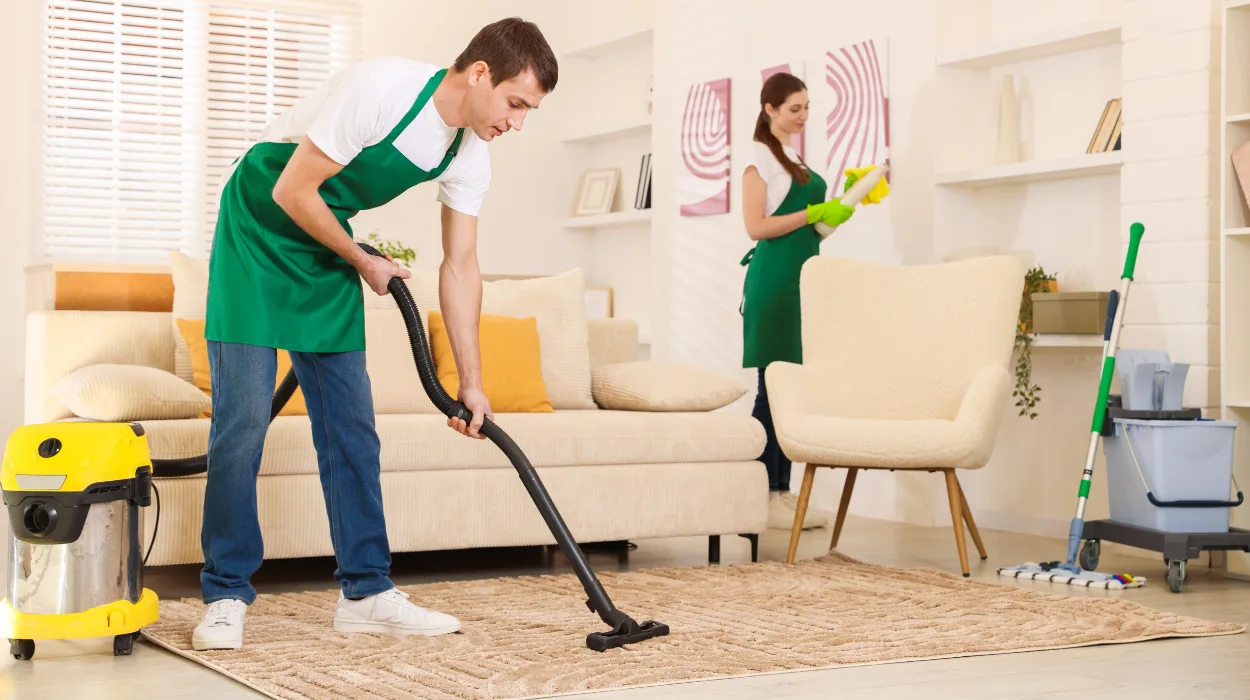
A professional carpet cleaning appointment usually includes inspection, stain treatment, deep extraction, and drying guidance. The process is structured to remove embedded dirt while protecting carpet fibers.
Understanding what happens during the visit helps homeowners prepare properly and get better cleaning results. Knowing the steps also clarifies why professional cleaning delivers deeper hygiene than routine vacuuming.
Why Professional Carpet Cleaning Matters for Homes and Offices
Carpets collect dust, allergens, food particles, and microscopic debris that normal vacuuming cannot remove completely. Over time these contaminants settle deep inside carpet fibers and padding. Professional carpet cleaning uses specialized equipment designed to reach below the surface layer of the carpet. The cleaning process breaks down soil that has bonded with the fibers through daily foot traffic. This deeper cleaning approach helps restore appearance while also improving indoor hygiene. Homes with pets, children, or frequent visitors often experience faster carpet contamination. A scheduled professional service helps maintain cleanliness and extends the lifespan of the carpet materials.
Many property owners assume carpet cleaning only improves visual appearance, but the process actually supports indoor air quality as well. Dust mites, pollen particles, and bacteria can accumulate inside carpet fibers over months of use. When carpets are cleaned professionally, these contaminants are extracted rather than redistributed through vacuum airflow. This is one reason landlords and property managers often require professional cleaning during property turnover. Professional technicians also assess fiber type, carpet condition, and soil level before choosing the appropriate cleaning method. Companies like Bee Cleaning Services Manchester follow a structured cleaning process designed to protect fibers while removing deeply embedded dirt.
Preparing Your Home Before the Appointment
Preparing the room before a professional carpet cleaning appointment helps technicians work efficiently and achieve consistent results. Most cleaning providers recommend removing small furniture items, decorative objects, and fragile items from the room. Clearing floor space allows technicians to clean the entire carpet area without obstacles. Vacuuming the carpet beforehand can also remove loose surface dust that may interfere with deeper extraction steps. Homeowners should also identify any visible stains or high traffic areas that require special attention. Communicating these details ensures the technician focuses on problem areas during the cleaning process.
Another important preparation step involves securing pets and ensuring clear access to the cleaning area. Professional cleaning equipment often includes hoses, machines, and water extraction systems that require space to operate safely. Access to power outlets and water supply may also be necessary depending on the equipment used. Technicians typically discuss the cleaning plan once they arrive at the property. This short consultation ensures expectations are clear before work begins. Proper preparation not only saves time during the appointment but also contributes to a more consistent cleaning outcome.
Initial Carpet Inspection and Fiber Assessment
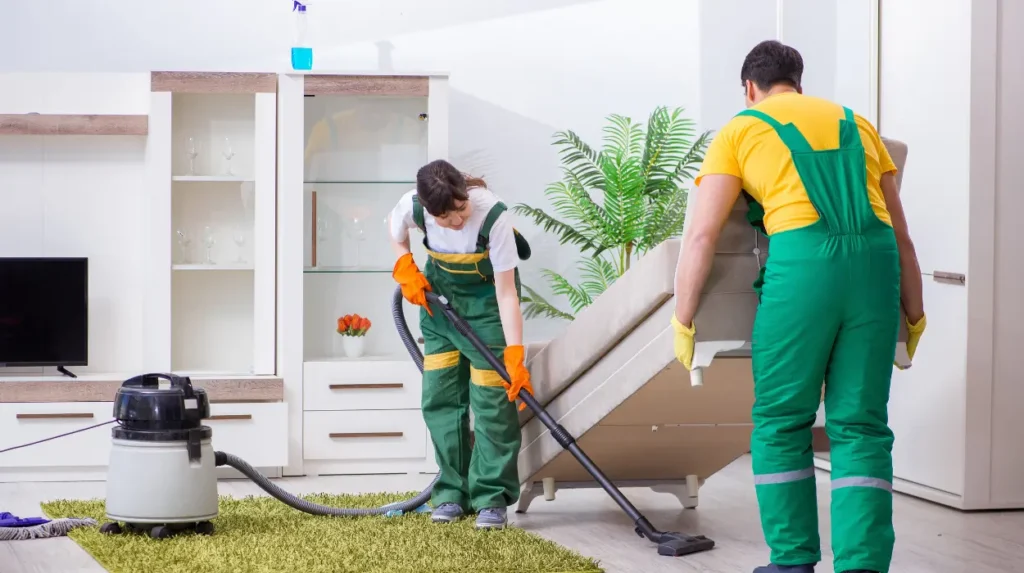
The first technical step during a professional carpet cleaning appointment is the inspection phase. During this stage the technician examines the carpet fiber type, pile density, and visible soil level. Different carpet materials such as nylon, polyester, or wool require different cleaning approaches. The technician may also identify areas where stains have penetrated deeply into the fibers. Understanding the condition of the carpet allows the cleaning professional to choose the most effective method. This evaluation also prevents damage that could occur if the wrong cleaning solution is used.
The inspection stage also identifies high traffic areas where dirt accumulation is typically heavier. Entryways, hallways, and living room areas usually experience the most wear and contamination. Technicians may mark these areas for additional treatment during the cleaning process. Some carpets may require specialized stain removers or pre treatment solutions. The inspection ensures the cleaning plan addresses both cosmetic appearance and deeper hygiene concerns. Companies such as Bee Cleaning Services Manchester emphasize this stage because it allows the technician to tailor the cleaning process to each carpet type.
Pre Treatment and Stain Removal Process
Once the inspection is complete the technician usually begins the pre treatment stage. Pre treatment involves applying a cleaning solution that breaks down dirt, oils, and stains embedded in carpet fibers. This solution helps loosen contaminants that have bonded to the fibers through daily use. High traffic areas often receive additional application because they contain heavier soil buildup. The solution is allowed to dwell for a short period so it can penetrate deeper layers of the carpet. This stage prepares the carpet for the main extraction cleaning process.
Stain treatment may also occur during this phase depending on the type of marks present. Coffee stains, food spills, and pet related spots often require targeted cleaning products. The technician applies these treatments carefully to prevent damage to the carpet color or fiber structure. Some stubborn stains may require agitation using specialized brushes or tools. Proper stain treatment improves the chances of successful removal during extraction. Homeowners interested in understanding carpet maintenance methods can explore practical carpet care and prevention tips to reduce staining between professional cleanings.
Deep Extraction Cleaning Stage
The deep cleaning stage is the most important part of a professional carpet cleaning appointment. During this step powerful equipment injects hot water and cleaning solution into the carpet fibers. Immediately afterward the machine extracts the water along with dissolved dirt and debris. This hot water extraction process is widely recognized as one of the most effective carpet cleaning methods. The equipment removes contaminants that standard household tools cannot reach. This stage significantly improves both cleanliness and carpet appearance.
Technicians move the extraction machine slowly across the carpet to ensure thorough cleaning coverage. Multiple passes may be required in areas where dirt accumulation is heavier. The equipment is designed to remove most of the moisture during extraction to support faster drying. Professional machines also produce stronger suction compared to rental units. This difference allows technicians to extract deeper soil particles. Many cleaning providers including Bee Cleaning Services Manchester rely on this method because it delivers consistent and reliable cleaning results.
Grooming the Carpet and Post Cleaning Inspection
After the deep extraction stage the technician may groom the carpet fibers using specialized tools. Carpet grooming helps realign the fibers and distribute remaining moisture evenly across the cleaned area. This step also improves the visual finish of the carpet once it dries. Grooming prevents fibers from drying in uneven patterns that could affect the carpet appearance. Technicians usually groom carpets in the direction of the natural pile to maintain consistency. This stage may seem minor but it contributes significantly to the final result.
Following grooming the technician conducts a final inspection of the cleaned carpet. This inspection ensures that stains have been treated effectively and that the cleaning process was completed thoroughly. If any areas require additional attention they may be treated again during this stage. The technician may also discuss drying time and provide care instructions. Property owners interested in preparing for professional services can learn more about key factors when choosing a carpet cleaning provider (https://example.com/questions-to-ask-before-hiring-a-carpet-cleaning-company) to understand service quality indicators.
Drying Time and Post Cleaning Care
Drying time is an important part of the carpet cleaning process. Although extraction machines remove most moisture, carpets typically require several hours to dry completely. Ventilation plays an important role in speeding up this process. Opening windows or using fans can help circulate air and reduce drying time. Walking on the carpet should be limited until it is mostly dry to prevent soil transfer. Some technicians place protective pads under furniture legs to avoid stains while the carpet dries.
Homeowners should also avoid placing heavy furniture back onto the carpet immediately after cleaning. Waiting until the carpet is fully dry helps maintain the cleaned fiber structure. In some cases professional technicians may recommend applying protective treatments after cleaning. These treatments can help resist future stains and extend the life of the carpet. Maintaining carpets between appointments also involves regular vacuuming and prompt stain removal. Professional cleaning combined with good maintenance practices keeps carpets hygienic and visually appealing for longer periods.
The Value of Professional Cleaning Services
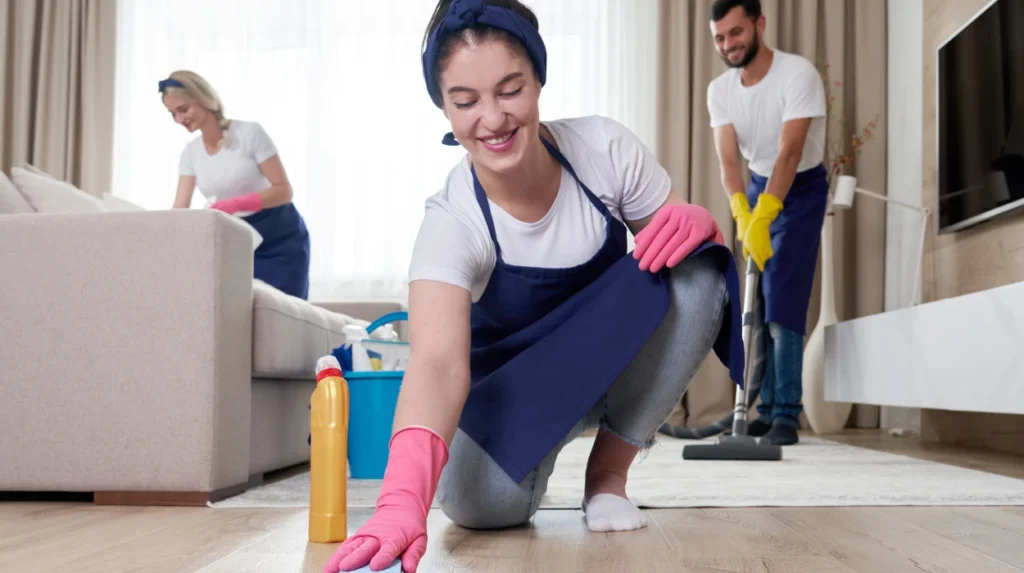
Professional carpet cleaning appointments involve far more than surface level cleaning. Each stage from inspection to extraction and drying plays a role in restoring carpet hygiene. The structured approach used by professional technicians ensures that dirt, allergens, and stains are addressed systematically. This process improves both the lifespan and appearance of carpeted flooring. It also reduces the buildup of contaminants that can affect indoor environments. Routine professional cleaning is especially valuable in homes with heavy foot traffic.
Cleaning providers use specialized equipment and solutions designed for different carpet materials. This expertise helps prevent accidental damage caused by incorrect cleaning techniques. For homeowners seeking deep carpet cleaning services for healthier interiors, professional technicians deliver results that household equipment cannot achieve. Understanding the process also helps property owners appreciate the skill involved in maintaining carpet hygiene
A professional carpet cleaning appointment follows a structured process that includes inspection, pre treatment, deep extraction, grooming, and drying guidance. Each stage is designed to remove embedded contaminants while preserving carpet fiber integrity. Knowing what to expect allows homeowners to prepare their space properly and understand the value of professional cleaning methods.
Professional cleaning services such as Bee Cleaning Services Manchester apply systematic techniques and specialized equipment to restore carpet cleanliness and support healthier indoor environments. By understanding the process behind a professional carpet cleaning appointment, property owners can maintain carpets more effectively and schedule cleaning services at the right intervals.
Do you have to vacuum before a professional carpet cleaner?
Yes, light vacuuming before a professional carpet cleaning appointment can help remove loose surface dust and debris. This allows the professional equipment to focus on extracting deep dirt embedded within the carpet fibers.
What is the 80/20 rule for cleaning?
The 80/20 rule suggests that 80% of visible dirt usually collects in 20% of high-traffic areas such as hallways and entrances. Professional cleaners focus extra attention on these areas during carpet cleaning appointments.
What are the 7 stages of cleaning?
Professional carpet cleaning commonly follows seven stages: inspection, vacuuming, pre-treatment, agitation, hot water extraction, grooming, and drying. These steps ensure deep cleaning while protecting carpet fibers.
What is a fair wage for a cleaner?
A fair wage for cleaners varies by location, experience, and job complexity. In many professional cleaning services, trained cleaners receive competitive hourly pay that reflects skill, equipment handling, and service quality.
What is the correct order to clean your house?
The recommended order is to clean from top to bottom and from dry tasks to wet tasks. Dusting surfaces first, then vacuuming carpets, and finishing with floor cleaning helps prevent dirt from spreading during the process.