

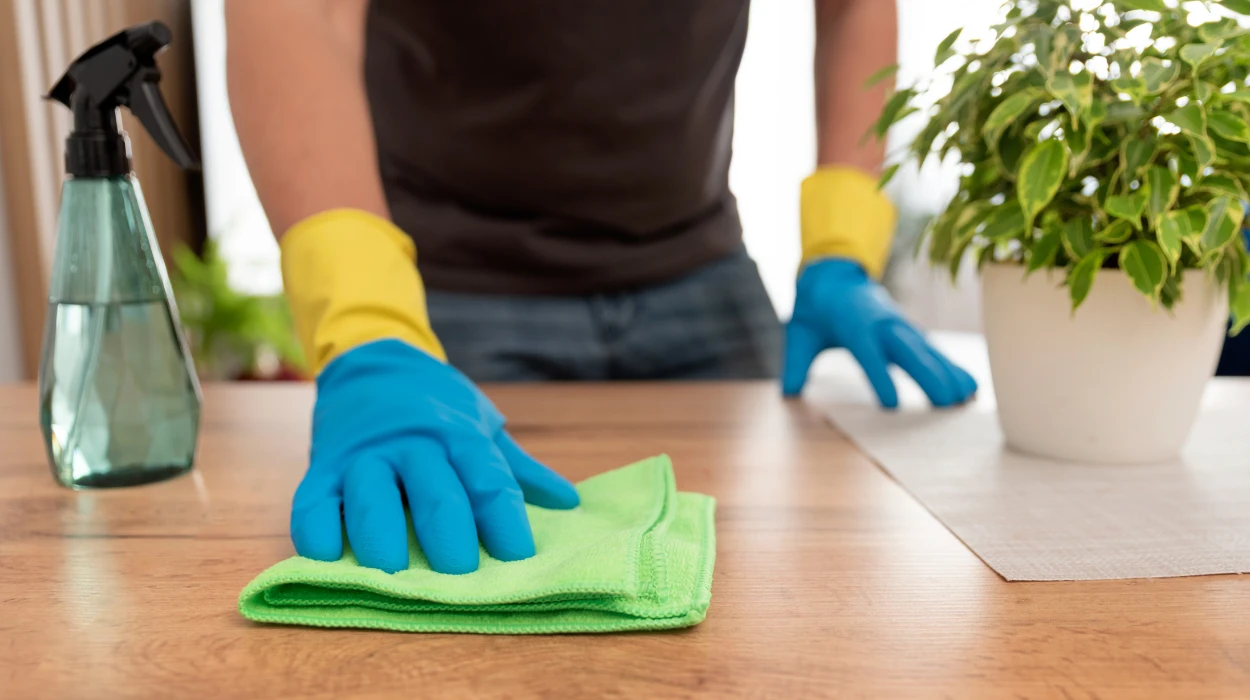
Offices and retail shops in Farnworth need antiviral sanitisation to reduce the spread of viruses on shared surfaces and protect employees, customers, and visitors. Regular disinfecting of high-touch areas helps maintain a safer commercial environment and supports modern hygiene standards.
Commercial spaces experience constant foot traffic, which means germs can quickly accumulate on desks, counters, door handles, and payment terminals. Professional antiviral sanitisation provides deeper protection than routine cleaning and helps businesses maintain a healthier workplace.
Antiviral Sanitisation in Commercial Spaces
Antiviral sanitisation refers to a targeted cleaning process designed to neutralise viruses and harmful microorganisms on frequently touched surfaces. Unlike general cleaning that focuses on visible dirt, sanitisation uses specialist disinfectants and techniques that are proven to reduce microbial contamination. Businesses in busy commercial areas require this level of hygiene because viruses can survive on surfaces for hours or even days.
In offices and shops across Farnworth, shared equipment and public access areas increase the likelihood of surface contamination. Computer keyboards, door handles, lift buttons, and checkout counters are examples of surfaces that people touch repeatedly throughout the day. Without structured sanitisation, these areas can become transmission points for viruses and bacteria.
Professional antiviral sanitisation services focus on cleaning these high-contact areas using approved disinfectants and safe application methods. The process typically involves surface preparation, disinfectant application, and contact time that allows the product to effectively neutralise pathogens. Businesses often combine this process with routine cleaning schedules to maintain continuous hygiene.
Why Commercial Properties Face Higher Hygiene Risks
Offices and retail stores naturally experience higher human interaction than residential environments. Employees interact with shared equipment, customers browse products, and visitors enter and exit the premises throughout the day. Each interaction increases the chance that microbes will transfer from one surface to another.
In retail environments, the risk increases because customers frequently handle merchandise, baskets, and payment terminals. Even simple actions such as opening doors or using public restrooms can contribute to the spread of microorganisms. When cleaning focuses only on appearance rather than sanitisation, many of these risks remain unaddressed.
Workplaces also face operational challenges if hygiene standards decline. Increased illness among staff can lead to absenteeism, lower productivity, and disruptions to daily operations. This is one reason many companies now integrate structured disinfecting routines with their regular cleaning plans.
How Antiviral Sanitisation Protects Employees and Customers
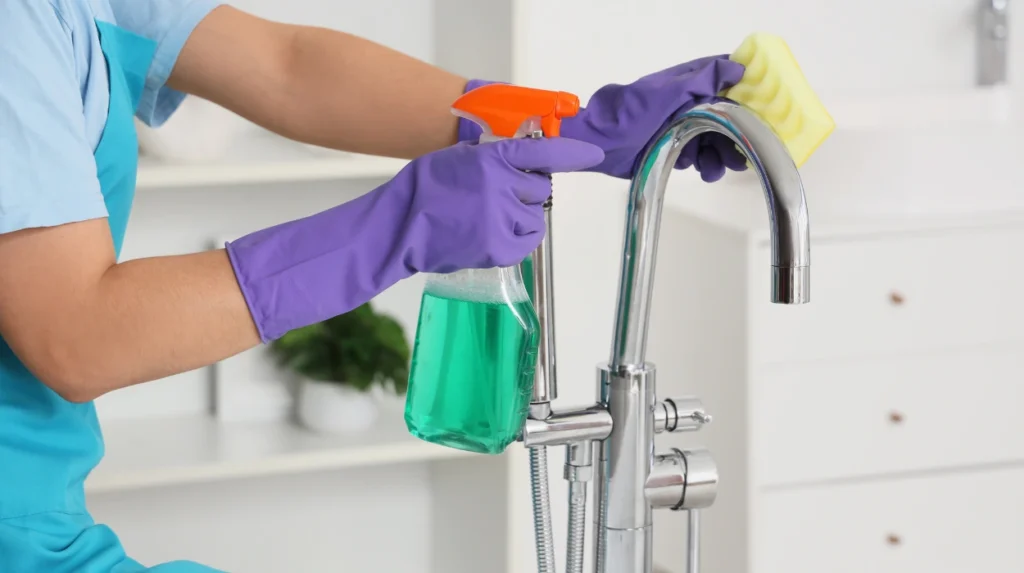
Maintaining a healthy workplace requires more than surface cleaning. Antiviral sanitisation targets microbes that cannot be seen but can still affect health and workplace safety. By using disinfectants that break down viral particles, businesses can significantly reduce contamination on high-touch surfaces.
A properly sanitised workspace helps limit the risk of viruses spreading between employees and visitors. Desks, shared office equipment, reception counters, and meeting room tables are sanitised with specialised products that eliminate pathogens rather than simply removing dust. This creates a cleaner and safer working environment for everyone who enters the premises.
Companies that adopt antiviral cleaning practices also demonstrate a commitment to workplace wellbeing. Staff members often feel more confident working in an environment where hygiene standards are visibly maintained and professional cleaning processes are followed consistently.
High Touch Surfaces That Require Regular Sanitisation
Commercial properties contain numerous surfaces that require regular antiviral treatment. Door handles are among the most frequently touched items in offices and retail spaces, making them one of the primary points for microbial transfer. Payment terminals, keyboards, touch screens, and lift buttons also accumulate germs quickly during busy working hours.
Another common area of concern is shared office equipment such as printers, photocopiers, and telephones. Employees often use these items multiple times per day, which means viruses can spread quickly if surfaces are not sanitised regularly. Reception desks and waiting areas also require careful attention because they are the first points of contact for visitors.
Effective antiviral sanitisation ensures that these surfaces are treated with disinfectants designed to neutralise viruses while remaining safe for commercial environments. Businesses that prioritise these areas significantly reduce the potential for contamination within the workplace.
The Difference Between Routine Cleaning and Antiviral Sanitisation
Routine cleaning focuses on removing visible dirt, dust, and debris from surfaces. While this is essential for maintaining a tidy workplace, it does not always eliminate viruses or bacteria effectively. Many microbes remain on surfaces even after standard cleaning methods are applied.
Antiviral sanitisation adds an additional step that targets harmful microorganisms directly. Specialised disinfectants are applied to surfaces after initial cleaning, allowing them to break down viruses and reduce microbial presence. This process requires specific dwell time so the disinfectant can work effectively.
Commercial environments often combine these two processes to achieve optimal hygiene results. Standard cleaning maintains the appearance of the space, while antiviral sanitisation addresses invisible health risks. Businesses seeking structured hygiene management often explore professional workplace disinfecting solutions as part of their broader cleaning strategy.
Why Local Businesses Are Prioritising Sanitisation
In recent years, workplace hygiene has become a priority for many commercial property managers. Companies have recognised that maintaining a clean environment is not only about appearance but also about safeguarding employee health and maintaining operational continuity.
Retail stores in Farnworth rely heavily on customer confidence. Shoppers expect businesses to maintain visible hygiene standards, especially in shared areas such as checkout counters and fitting rooms. A structured sanitisation programme reassures customers that the business is actively managing cleanliness.
Office environments also benefit from proactive hygiene management. Employees share workspaces, meeting rooms, and communal kitchens, which increases the potential for contamination. Businesses that implement antiviral sanitisation routines create workplaces that support both health and productivity.
The Role of Professional Antiviral Sanitisation Services
Professional cleaning providers use industry-approved disinfectants and structured application methods to achieve consistent sanitisation results. These services typically begin with a detailed assessment of the workspace to identify high-contact areas and sanitation priorities.
Technicians apply disinfectants using controlled techniques designed to ensure even coverage across surfaces. Proper dwell time allows the disinfectant to break down viruses effectively, which is essential for achieving the desired hygiene outcome. In some cases, electrostatic or misting techniques may be used to reach difficult areas.
Businesses that require consistent hygiene management often work with experienced providers such as Bee Cleaning Services Manchester. Their commercial antiviral sanitisation expertise for workplaces supports offices and retail properties that need structured disinfection processes.
How Sanitisation Supports Workplace Compliance and Safety
Health and safety standards often require businesses to maintain hygienic environments that protect both employees and the public. Regular sanitisation helps companies meet these expectations by reducing microbial risks on surfaces that people touch frequently.
Workplace policies often include cleaning schedules, hygiene procedures, and sanitation protocols. Antiviral sanitisation complements these measures by providing targeted treatment for surfaces that carry higher contamination risk. This structured approach supports broader workplace safety initiatives.
Companies that adopt consistent sanitisation routines also find it easier to maintain documented cleaning standards. This can be helpful during workplace inspections, internal audits, or when communicating hygiene practices to staff and customers.
Maintaining Sanitisation Alongside Daily Cleaning

While antiviral sanitisation plays a critical role in workplace hygiene, it works best when integrated with routine cleaning schedules. Daily cleaning removes dirt and organic matter that could reduce the effectiveness of disinfectants. Once surfaces are clean, antiviral products can be applied more effectively.
Businesses often develop cleaning plans that include regular sanitisation of high-touch areas, particularly in busy retail or office environments. Kitchens, washrooms, and shared equipment areas usually require the most frequent treatment due to the number of people who use them daily.
Companies exploring hygiene improvements frequently review key advantages of antiviral sanitisation for commercial buildings to understand how structured cleaning can enhance workplace health and operational reliability.
Why Farnworth Businesses Are Investing in Preventive Hygiene
Commercial property managers increasingly view sanitisation as a preventive measure rather than a reactive one. Instead of waiting for illness outbreaks or hygiene concerns, businesses are proactively implementing disinfection routines that maintain healthier environments.
Retail shops benefit from improved customer confidence when visible hygiene practices are maintained. Clean counters, disinfected payment terminals, and sanitised door handles signal that the business values customer wellbeing. These small details can influence how customers perceive a brand’s professionalism.
Office managers also recognise the long-term value of preventive hygiene. By maintaining structured cleaning routines, businesses reduce disruptions caused by workplace illness and create environments where employees feel comfortable and safe.
Antiviral sanitisation plays an important role in maintaining safe and hygienic workplaces in Farnworth. Offices and retail shops experience high levels of interaction between employees, visitors, and customers, which increases the potential for surface contamination. Targeted disinfecting helps reduce microbial risks on high-touch surfaces and supports healthier working environments.
By combining routine cleaning with structured antiviral sanitisation, businesses can maintain consistent hygiene standards that protect both staff and visitors. Professional cleaning providers such as Bee Cleaning Services Manchester help commercial properties implement effective sanitisation processes that support modern workplace cleanliness expectations.
Why must the working area be cleaned with a disinfectant?
Working areas should be cleaned with disinfectant to remove harmful bacteria and viruses that normal cleaning may not eliminate. In offices and shops in Farnworth, disinfecting high-touch surfaces helps reduce contamination and maintain a safer workplace environment.
What are the 5 C’s in food safety?
The 5 C’s in food safety are Cleaning, Cooking, Chilling, Cross-contamination prevention, and Checking food quality. These practices help businesses maintain hygienic food preparation areas and reduce health risks in commercial kitchens.
How often should you sanitize kitchen surfaces?
Kitchen surfaces should be sanitised multiple times a day, especially after food preparation, spills, or heavy use. Regular sanitisation prevents bacteria buildup and supports safe hygiene standards in commercial workplaces.
What is the 20 minute rule in cleaning?
The 20 minute rule encourages focusing on cleaning tasks for short, dedicated intervals to maintain consistent hygiene. In busy workplaces, this approach helps staff regularly wipe and sanitise surfaces before germs accumulate.
What are the 4 C’s of decluttering?
The 4 C’s of decluttering are Clear, Categorise, Clean, and Continue maintaining the space. Keeping work areas organised makes it easier to clean surfaces and maintain proper sanitisation in offices and shops.