

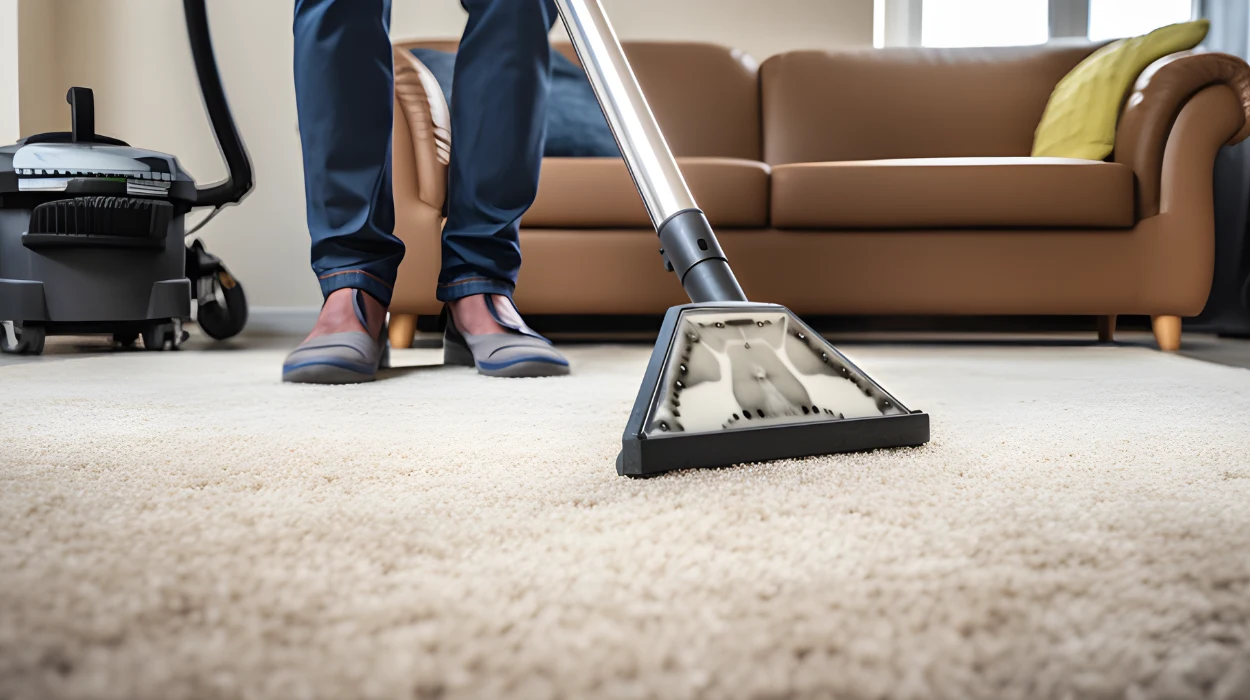
Carpet cleaning usually takes 20 to 40 minutes per room, depending on carpet size, dirt level, and the cleaning method used.Drying time typically ranges from 4 to 12 hours, although ventilation, humidity, and equipment can shorten or extend this timeframe.
Carpets collect dust, allergens, stains, and everyday debris that normal vacuuming cannot fully remove. Professional cleaning restores carpet fibres and improves overall hygiene inside homes and workplaces. Many property owners often ask how long carpet cleaning actually takes and how long carpets remain damp afterward. Understanding the process helps homeowners plan cleaning around daily routines, work schedules, or property maintenance tasks.
The duration depends on carpet condition, cleaning equipment, and the drying environment. When done by trained professionals, the process is efficient while still delivering deep cleaning results. For residents seeking Carpet Cleaning Services in Farnworth, knowing the timeline ensures realistic expectations and better preparation.
Why Carpet Cleaning Time Varies Between Homes
The time required for carpet cleaning differs because carpets vary significantly in material, usage, and maintenance history. Some carpets are made from synthetic fibres that release dirt quickly, while others like wool absorb more moisture and require careful cleaning. Heavy foot traffic also increases the amount of embedded dirt, meaning technicians must spend more time treating and extracting contaminants. Stains from pets, food spills, or mud also extend the cleaning process because they require targeted stain treatment. Furniture movement can add preparation time if large items need to be shifted before cleaning begins. Room size also matters since open living areas naturally take longer than small bedrooms. These practical variables explain why cleaning timelines can differ from one property to another.
Professional cleaners also assess carpet thickness and pile depth before choosing the most suitable cleaning method. Dense carpets require slower extraction to remove moisture effectively. Thin commercial carpets, by contrast, often clean faster due to their low pile structure. Environmental conditions also influence the speed of the process, particularly humidity and indoor airflow. Homes with good ventilation often experience faster cleaning and drying cycles. In professional services such as Carpet Cleaning Services in Farnworth, technicians evaluate these factors before starting work to ensure effective results without unnecessary delays.
Typical Time Required for Professional Carpet Cleaning
In most homes, professional carpet cleaning takes approximately 1 to 2 hours for a standard two bedroom property. Each individual room typically requires around 20 to 40 minutes for preparation, treatment, and extraction. Larger spaces such as lounges or hallways may take slightly longer because technicians must cover a wider surface area. Stain removal treatments may also add additional time depending on the severity of the marks. Despite these variables, trained technicians follow a structured process to maintain efficiency while still delivering thorough results. This balanced approach ensures that carpets are cleaned deeply without rushing the process.
Professional cleaning usually involves several stages including inspection, vacuuming, stain treatment, deep cleaning, and extraction. Each stage plays a specific role in restoring the carpet fibres and removing embedded dirt. Skipping any step could reduce cleaning effectiveness, which is why professionals follow a systematic process. Companies such as Bee Cleaning Services Manchester apply consistent procedures to ensure reliable outcomes for residential and commercial carpets. This structured workflow keeps the process organised while maintaining the quality expected from professional carpet care services.
The Carpet Cleaning Process Step by Step
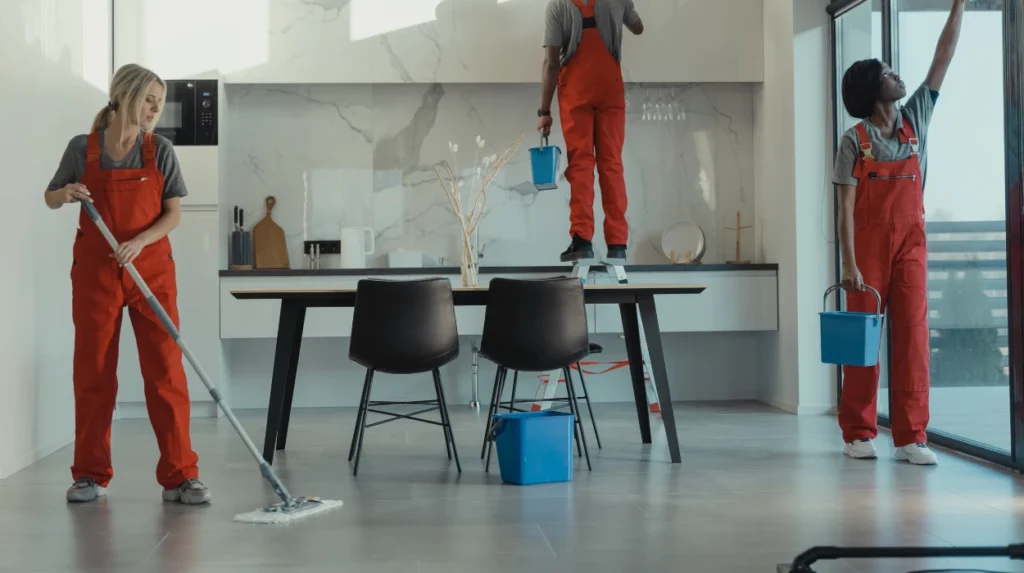
The carpet cleaning process begins with an initial inspection where technicians evaluate the carpet material, stains, and overall condition. This assessment determines the appropriate cleaning method and products needed for effective treatment. After inspection, the carpet is vacuumed to remove loose dirt and debris that could interfere with deeper cleaning stages. Pre-treatment solutions are then applied to break down oils, dust particles, and stubborn stains embedded in the fibres. These cleaning agents loosen contaminants, making them easier to extract during the main cleaning phase.
The next stage involves deep cleaning using equipment designed to flush dirt from the carpet pile while extracting moisture simultaneously. This step removes both the cleaning solution and the dissolved dirt particles from the carpet. After extraction, technicians perform a final inspection to ensure stains are treated properly and the carpet texture is restored. Proper airflow may also be recommended to help carpets dry evenly. When handled professionally, this process restores both cleanliness and comfort within living spaces.
Factors That Influence Carpet Drying Time
Drying time after carpet cleaning depends on several environmental and structural factors inside the property. Air circulation plays a major role because moving air helps evaporate moisture from carpet fibres more quickly. Opening windows, running fans, or using ventilation systems can significantly shorten drying time. Temperature also affects drying speed since warm air absorbs moisture more efficiently than cold air. Properties with central heating often experience faster drying compared to colder environments.
Carpet material also influences how long moisture remains trapped in the fibres. Thick wool carpets retain water longer than synthetic options such as nylon or polyester. Humidity levels in the home can also slow evaporation because moisture already present in the air reduces drying efficiency. Professional cleaners sometimes use high powered extraction equipment to remove excess moisture during cleaning, which reduces overall drying time. When managed properly, most carpets dry comfortably within several hours after cleaning.
Differences Between Cleaning Methods and Their Timelines
Different carpet cleaning methods have slightly different cleaning and drying timelines. Steam cleaning, often called hot water extraction, is widely used because it removes deep seated dirt and allergens effectively. This method uses warm water and cleaning solutions that penetrate the carpet fibres before being extracted by powerful machines. Because water is involved, carpets cleaned this way generally require 6 to 12 hours to dry completely. However, the results often provide deeper sanitation and improved carpet freshness.
Dry cleaning methods use significantly less moisture and rely on specialised cleaning compounds or low moisture equipment. These systems allow carpets to dry much faster, sometimes within 2 to 4 hours depending on conditions. However, dry cleaning may not remove deeply embedded contaminants as effectively as hot water extraction. Many homeowners explore both options before choosing the most suitable method. For readers who want a broader understanding of how cleaning methods affect hygiene, this guide on improving indoor air quality through carpet maintenance explains the connection between deep cleaning and healthier indoor environments.
Preparing Your Home for Carpet Cleaning
Preparing the home before carpet cleaning can help reduce overall cleaning time and improve results. Removing small furniture, decorative items, or fragile objects allows technicians to access the carpet more easily. Clear walkways also help equipment move efficiently through different rooms. Vacuuming lightly before professional cleaning can remove surface debris, although most professionals perform their own pre cleaning vacuum as well. Proper preparation ensures technicians can focus directly on deep cleaning rather than clearing obstacles.
Homeowners should also consider ventilation before cleaning begins. Opening windows or preparing fans can accelerate drying once the cleaning process is complete. Pets and children may need temporary access restrictions to prevent stepping on damp carpets immediately after cleaning. These small preparation steps improve safety while also supporting the drying process. Professional services typically provide preparation guidance before the appointment to ensure the cleaning visit runs smoothly.
Professional Equipment and Its Role in Faster Cleaning
Modern carpet cleaning equipment plays an important role in both cleaning efficiency and drying time. Industrial extraction machines remove dirt and moisture far more effectively than standard household tools. These machines use strong suction power to lift water and debris from deep within the carpet fibres. As a result, carpets remain only slightly damp rather than heavily soaked after cleaning. This reduces the overall drying time and prevents moisture related issues.
Advanced equipment also ensures consistent cleaning results across large carpeted areas. Professional cleaning companies regularly maintain their machines to ensure maximum performance during each job. Bee Cleaning Services Manchester uses equipment designed to provide efficient cleaning while maintaining the integrity of carpet fibres. This approach helps achieve deep cleaning without prolonging drying time unnecessarily. Property owners benefit from both cleaner carpets and faster room usability after service completion.
When Carpets Are Safe to Walk On
Many people assume they must avoid walking on carpets for an entire day after cleaning, but this is not always necessary. In most cases, carpets are safe for light foot traffic within a few hours as long as clean socks or protective shoe covers are worn. Avoiding heavy pressure helps maintain the carpet pile while it finishes drying. Placing furniture back too quickly should also be avoided because trapped moisture may affect both the carpet and furniture legs.
Complete drying typically occurs within the same day under normal conditions. Proper airflow and ventilation speed up the process significantly. Homeowners should follow any instructions provided by the cleaning technicians to ensure optimal results. When professional cleaning is carried out correctly, carpets regain their texture and comfort quickly. This practical understanding helps homeowners schedule cleaning without disrupting daily activities for too long.
The Value of Professional Carpet Cleaning
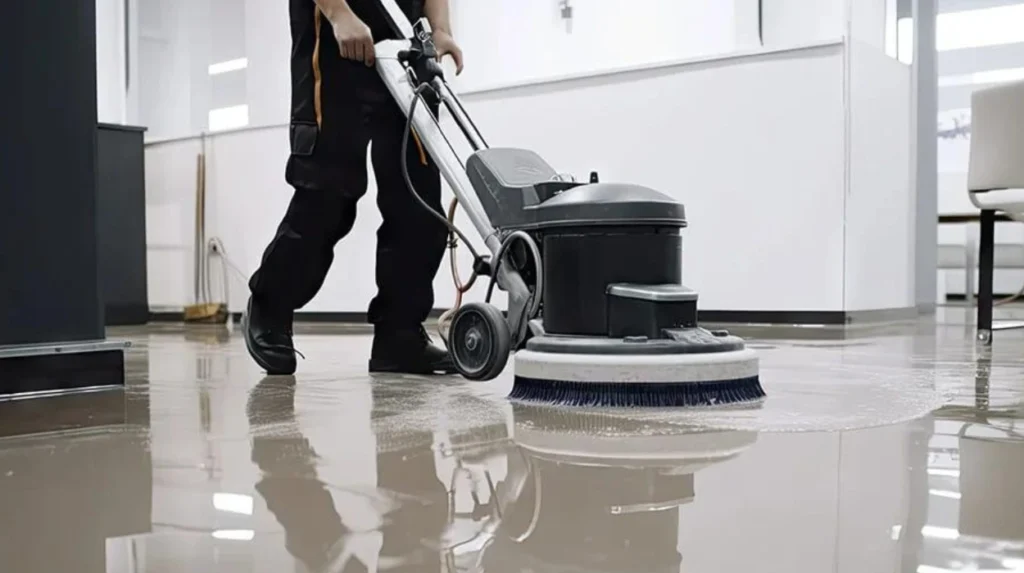
Professional carpet cleaning provides benefits beyond simple appearance improvements. Deep cleaning removes allergens, dust mites, and pollutants that accumulate over time within carpet fibres. This contributes to healthier indoor environments and improved comfort for occupants. Regular professional cleaning also helps extend the lifespan of carpets by preventing fibre deterioration caused by dirt abrasion. These long-term benefits make periodic professional cleaning an important part of property maintenance.
Property owners often compare the advantages of hiring trained technicians versus attempting intensive cleaning themselves. Professional cleaners have access to specialised equipment, safe cleaning solutions, and proven techniques. For readers considering this option, understanding the advantages of choosing experienced local carpet cleaning experts can help clarify the practical benefits of professional services. Knowledge of cleaning timelines and drying expectations further supports informed decisions about maintaining carpet hygiene.
Carpet cleaning typically takes 20 to 40 minutes per room, while drying time generally ranges from 4 to 12 hours depending on ventilation, humidity, and carpet type. Several factors influence these timelines including carpet material, cleaning method, equipment efficiency, and environmental conditions inside the property.
Understanding these practical aspects helps homeowners plan carpet cleaning with minimal disruption to daily routines. Professional services ensure carpets are cleaned thoroughly while maintaining safe drying conditions. Bee Cleaning Services Manchester provides professional support for properties seeking reliable Carpet Cleaning Services in Farnworth, delivering structured cleaning processes that prioritise both hygiene and efficiency. Proper cleaning methods combined with realistic drying expectations allow carpets to remain fresh, comfortable, and well-maintained for years.
Can carpet cleaning help with allergies?
Yes, professional carpet cleaning can help reduce allergy symptoms by removing dust mites, pollen, pet dander, and other allergens trapped in carpet fibres. Deep cleaning methods like hot water extraction improve indoor air hygiene and make carpets healthier for allergy sufferers.
What are the disadvantages of steam carpet cleaning?
Steam cleaning can require longer drying times, sometimes up to 12 hours depending on ventilation and humidity. If not done properly, excess moisture may remain in the carpet and could lead to mould or odour issues.
What is the 30 3 rule for cleaning?
The 30–3 rule suggests spending 30 seconds addressing small messes immediately and 3 minutes doing quick daily cleaning tasks to prevent dirt buildup. This approach helps maintain cleanliness and reduces the need for deep cleaning later.
What is the hardest smell to get out of carpet?
Pet urine is often considered the hardest smell to remove from carpets because it penetrates deep into fibres and the carpet backing. Professional cleaning with enzyme treatments is usually needed to break down the odor-causing bacteria.
What happens if you leave baking soda on carpet for too long?
Leaving baking soda on carpet for too long can cause it to settle deep into the fibres and become difficult to vacuum completely. Excess residue may dull carpet appearance and clog vacuum filters if not removed properly.