
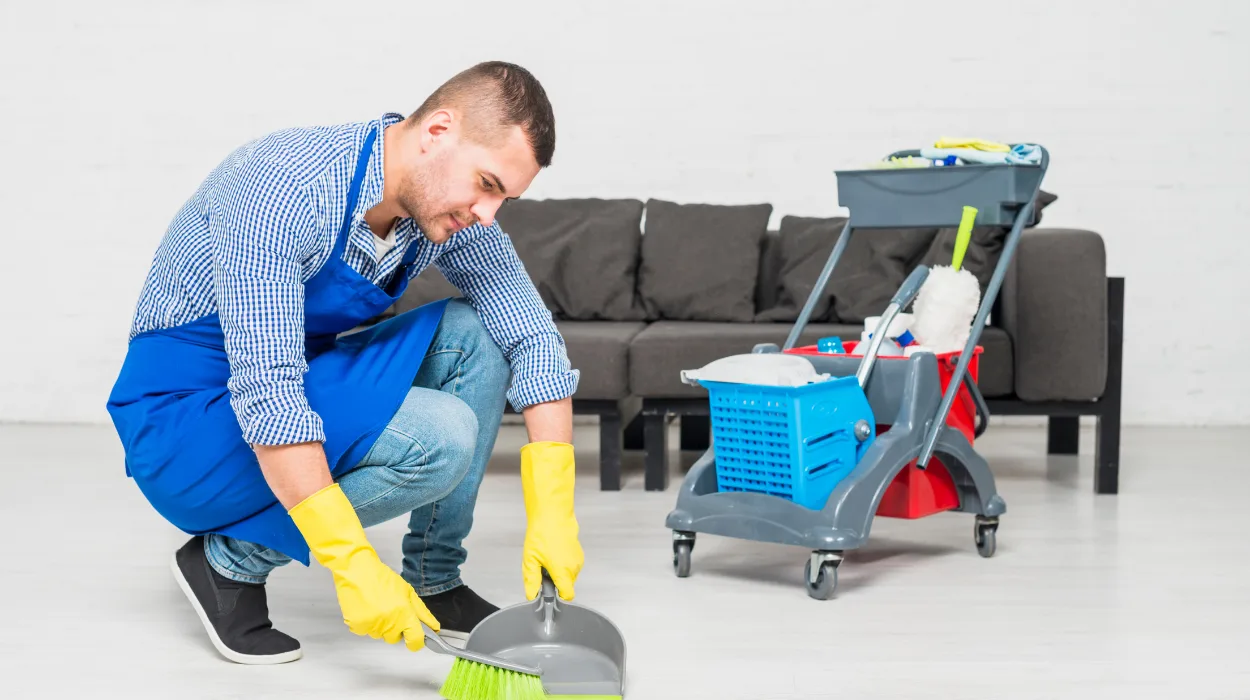
Commercial cleaners perform a wide range of tasks including deep cleaning, sanitation, waste management, and maintenance of workspaces. Their role ensures a hygienic, safe, and professional environment for employees and visitors. They handle everything from daily surface cleaning to specialized services like carpet care, window cleaning, and disinfection, depending on the needs of the facility.
Role of Commercial Cleaning Services
Commercial cleaning is a structured and professional approach to maintaining business environments. It goes beyond basic tidying and focuses on hygiene standards, safety compliance, and long-term maintenance. Businesses rely on trained cleaners to manage cleaning schedules efficiently without disrupting daily operations.
Professional cleaners use industry-approved equipment and methods to ensure consistent results. This includes cleaning high-traffic areas, sanitizing surfaces, and addressing hidden dirt buildup. Their work supports workplace productivity and reduces health risks.
Companies like Bee Cleaning Services Manchester deliver tailored solutions based on property size, usage, and industry requirements. Their services are designed to adapt to offices, retail units, and industrial spaces. This flexibility ensures every client receives appropriate care.
In areas such as Farnworth, businesses often seek reliable Commercial Cleaning Services in Farnworth to maintain professional standards. Clean environments create positive impressions and contribute to employee wellbeing. This makes commercial cleaning a critical operational function.
Understanding what cleaners actually do helps businesses make informed hiring decisions. It also clarifies expectations regarding service quality and scope. This knowledge becomes especially important when comparing service providers.
Daily Cleaning Tasks in Commercial
Daily cleaning forms the foundation of any commercial cleaning service. These tasks are essential for maintaining cleanliness and preventing dirt accumulation. Cleaners typically focus on visible and frequently used areas throughout the workspace.
Dusting desks, wiping surfaces, and disinfecting touchpoints are standard daily activities. High-contact areas such as door handles, switches, and shared equipment require regular sanitation. This helps reduce the spread of germs and illness.
Vacuuming carpets and mopping floors are also routine responsibilities. These tasks ensure that dirt, debris, and allergens are consistently removed. Clean floors contribute to both safety and appearance.Waste collection and bin management are another key part of daily cleaning. Cleaners empty bins, replace liners, and ensure waste is disposed of properly. This prevents odors and maintains hygiene standards.
Restroom cleaning is performed daily to maintain sanitation. This includes cleaning toilets, sinks, mirrors, and replenishing supplies. Proper restroom hygiene reflects the overall professionalism of a business.
Deep Cleaning and Periodic Maintenance
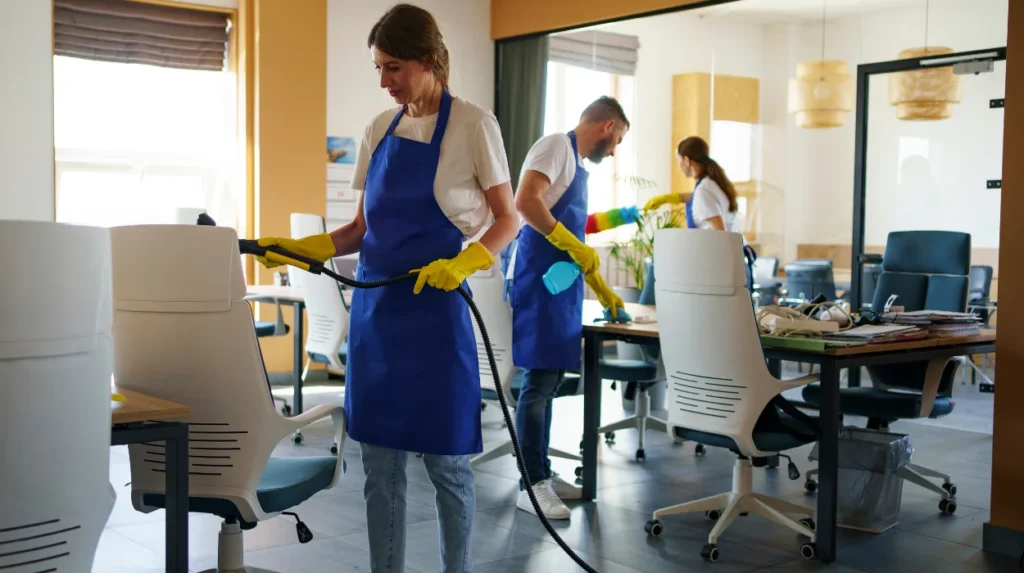
Deep cleaning involves more intensive tasks that are not required daily. These services target areas that accumulate dirt over time and require specialized attention. They are usually scheduled weekly, monthly, or quarterly. Carpet cleaning is a common deep cleaning task. It removes embedded dirt, stains, and allergens that regular vacuuming cannot address. This improves air quality and extends carpet lifespan.
Window cleaning is another important service, especially for commercial properties. Clean windows enhance natural light and improve the overall appearance of the building. This is particularly valuable for customer-facing businesses. Upholstery cleaning ensures that office furniture remains clean and hygienic. Chairs, sofas, and partitions can harbor dust and bacteria. Regular deep cleaning keeps them in good condition.
Floor polishing and hard floor maintenance are also included in periodic cleaning. These tasks restore shine and protect surfaces from wear. Proper maintenance reduces long-term repair costs.
Businesses exploring professional cleaning solutions often benefit from understanding detailed service breakdowns such as those discussed in this guide on commercial cleaning service evaluation criteria .
Specialized Cleaning Services
Commercial cleaners often provide specialized services tailored to specific industries. These services address unique cleaning challenges and compliance requirements. Not all businesses require the same level of cleaning. Healthcare facilities require strict sanitation protocols. Cleaners must follow guidelines to prevent contamination and maintain sterile environments. This includes disinfecting medical equipment and surfaces.
Industrial sites may require heavy-duty cleaning. This involves removing grease, chemicals, and debris from machinery and floors. Specialized equipment and safety training are essential for these tasks.Retail spaces focus on presentation and cleanliness. Cleaners ensure that floors, displays, and fitting areas are spotless. A clean retail environment enhances customer experience and trust.
Educational institutions require consistent cleaning of classrooms, corridors, and shared facilities. This helps maintain a healthy environment for students and staff. High-traffic areas require extra attention.Businesses in Farnworth often choose Commercial Cleaning Services in Farnworth that can handle both standard and specialized cleaning needs. Providers like Bee Cleaning Services Manchester offer adaptable services for different industries.
Hygiene and Disinfection Practices
Hygiene and disinfection have become essential components of commercial cleaning. Cleaners use approved disinfectants to eliminate bacteria and viruses from surfaces. This ensures a safer working environment. High-touch surfaces receive special attention during cleaning routines. These include desks, keyboards, door handles, and shared equipment. Regular disinfection reduces the risk of illness transmission.
Electrostatic spraying and fogging are advanced disinfection methods. These techniques allow cleaners to cover large areas efficiently. They are often used in high-risk or high-traffic environments.
Proper use of cleaning chemicals is crucial for safety. Professional cleaners are trained to handle products correctly and follow guidelines. This prevents damage to surfaces and ensures effectiveness.Maintaining hygiene standards is not only about cleaning but also about consistency. Scheduled cleaning routines ensure that standards are maintained over time. This builds trust among employees and clients.
Waste Management and Recycling
Waste management is an integral part of commercial cleaning services. Cleaners ensure that waste is collected, sorted, and disposed of properly. This supports both hygiene and environmental responsibility. Recycling practices are increasingly important for businesses. Cleaners may separate recyclable materials such as paper, plastic, and glass. This helps organizations meet sustainability goals.
Hazardous waste requires special handling and disposal procedures. Commercial cleaners follow regulations to ensure safety and compliance. This is particularly important in industrial and medical settings. Regular waste removal prevents the buildup of trash and unpleasant odors. It also reduces the risk of pests and contamination. Clean workspaces contribute to a healthier environment.
Businesses benefit from structured waste management systems. These systems ensure efficiency and consistency in waste handling. Professional cleaners play a key role in maintaining these systems.
Equipment and Tools Used by Commercial Cleaners
Commercial cleaning relies on specialized equipment and tools. These tools improve efficiency and ensure high-quality results. Professional cleaners are trained to use them effectively. Vacuum cleaners with HEPA filters are commonly used in offices. They capture fine dust particles and improve indoor air quality. This is especially important for allergy-sensitive environments.
Floor scrubbers and polishers are used for large surface areas. These machines provide deep cleaning and restore floor appearance. They are essential for commercial spaces with heavy foot traffic. Microfiber cloths and mops are widely used for cleaning surfaces. They are effective in trapping dirt and reducing the need for harsh chemicals. This supports eco-friendly cleaning practices.
Advanced equipment such as steam cleaners and pressure washers may also be used. These tools handle tough cleaning tasks and ensure thorough results. Proper equipment enhances overall service quality.Companies like Bee Cleaning Services Manchester invest in modern tools to deliver efficient Commercial Cleaning Services in Farnworth. This ensures consistent and professional outcomes for clients.
Health, Safety, and Compliance Standards
Commercial cleaning services must follow strict health and safety regulations. These standards ensure that cleaning processes are safe for both workers and occupants. Compliance is a key aspect of professional cleaning. Cleaners use protective equipment such as gloves and masks when necessary. This protects them from exposure to harmful substances. Safety protocols are followed during all cleaning tasks.
Proper labeling and storage of cleaning chemicals are essential. This prevents accidents and ensures safe usage. Professional cleaners are trained in handling hazardous materials. Workplace safety also includes preventing slips and falls. Cleaners use warning signs when mopping floors or performing maintenance. This reduces the risk of accidents.
Compliance with industry standards builds trust and reliability. Businesses prefer service providers who follow regulations consistently. This ensures accountability and professionalism.
Why Businesses Rely on Professional Commercial Cleaners
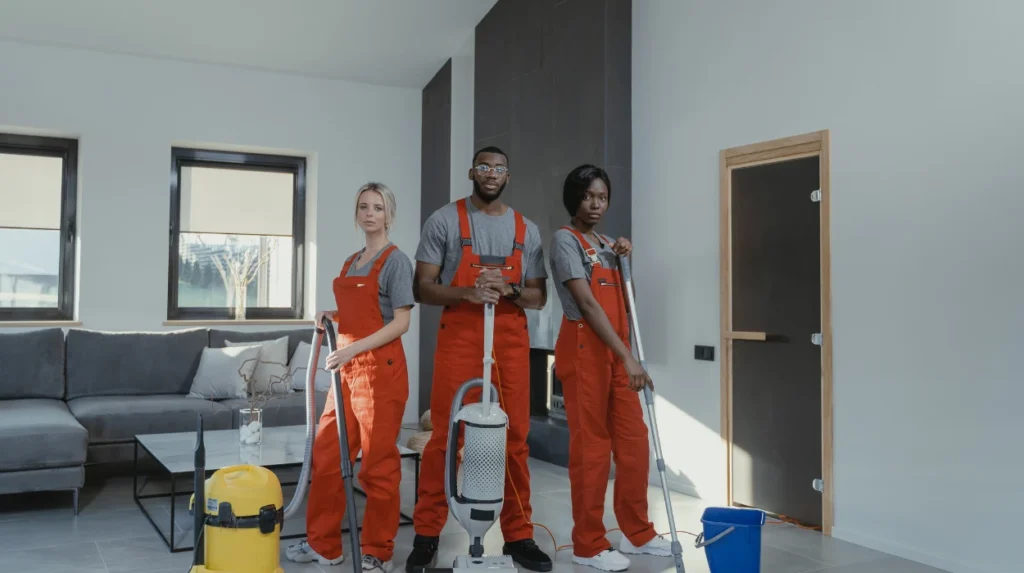
Businesses rely on commercial cleaners to maintain consistent standards of cleanliness. Professional services save time and allow employees to focus on core tasks. This improves overall productivity.
Outsourcing cleaning ensures access to trained professionals and proper equipment. It also provides flexibility in scheduling and service customization. Businesses can scale services based on needs.
Clean environments enhance employee wellbeing and reduce absenteeism. They also create positive impressions for clients and visitors. This contributes to business reputation.
Regular cleaning helps extend the lifespan of assets such as carpets and furniture. Preventive maintenance reduces long-term costs. This makes professional cleaning a cost-effective solution. In Farnworth, businesses often choose Commercial Cleaning Services in Farnworth for reliable and efficient cleaning solutions. Providers like Bee Cleaning Services Manchester offer structured services tailored to different industries. Commercial cleaners perform a wide range of essential tasks that go beyond basic cleaning. From daily maintenance to deep cleaning and specialized services, their work ensures safe, hygienic, and professional environments.
Bee Cleaning Services Manchester delivers structured and reliable cleaning solutions designed to meet diverse business needs. Their approach to Commercial Cleaning Services in Farnworth focuses on consistency, hygiene, and long-term maintenance.
What are the 7 stages of cleaning?
The 7 stages typically include preparation, dry cleaning, wet cleaning, rinsing, sanitizing, drying, and inspection. These steps ensure a thorough and hygienic cleaning process in commercial environments.
What pH level is good for cleaning?
A neutral pH of around 7 is ideal for general cleaning, while acidic or alkaline cleaners are used for specific tasks like removing limescale or grease. Professional cleaners choose pH levels based on surface type and dirt.
What chemicals make bleach?
Bleach is commonly made from sodium hypochlorite diluted in water. It is widely used in commercial cleaning for disinfection and stain removal due to its strong antimicrobial properties.
What is the 3-minute rule in cleaning?
The 3 minute rule suggests completing small cleaning tasks immediately if they take less than three minutes. This helps maintain cleanliness and prevents buildup of dirt in busy commercial spaces.
What is the one touch rule for cleaning?
The one touch rule means handling an item only once while cleaning, such as picking up and placing it in its proper place immediately. This improves efficiency and reduces time spent on repetitive tasks.