


Commercial cleaning is not limited to basic tidying. It is a structured, process-driven service designed to maintain cleanliness standards across workplaces. Businesses in Farnworth rely on professional providers like Bee Cleaning Services Manchester to ensure consistent hygiene, especially in high-traffic environments. These services are tailored to offices, retail units, and industrial spaces where cleanliness directly impacts employee productivity and customer perception.
A professional cleaning plan is usually built around daily, weekly, and periodic tasks. This ensures that both visible cleanliness and deeper sanitation requirements are addressed. For businesses seeking reliable commercial cleaning services in Farnworth, structured workflows help maintain consistency and reduce missed tasks. A defined cleaning schedule also supports compliance with workplace health expectations and safety protocols.
Daily Cleaning Tasks in Commercial Environments
Daily cleaning forms the foundation of any commercial cleaning plan. These tasks focus on maintaining hygiene and preventing the buildup of dirt and bacteria. Cleaners typically begin with surface cleaning, ensuring desks, counters, and shared workstations are wiped and disinfected. High-touch points such as door handles, keyboards, and switches are sanitized regularly to reduce contamination risks.
Floor care is another essential daily responsibility. Vacuuming carpets and mopping hard floors help remove dust, debris, and allergens from the workplace. Waste management is equally important, with bins emptied and liners replaced to maintain cleanliness and prevent odors. Restroom cleaning is performed daily, ensuring toilets, sinks, and mirrors are disinfected and supplies are replenished.
These routine tasks ensure that the workspace remains presentable and hygienic throughout the working week. Businesses that invest in consistent daily cleaning often experience fewer hygiene-related disruptions and improved employee satisfaction.
Weekly and Periodic Deep Cleaning Activities
While daily cleaning maintains surface-level cleanliness, weekly and periodic tasks address deeper cleaning requirements. These include cleaning office furniture, detailed dusting, and sanitizing equipment such as monitors and shared devices. Windows and glass partitions are cleaned to remove smudges and maintain a professional appearance across the workspace.
Periodic cleaning also focuses on areas that are not cleaned daily. This includes high-level dusting of vents, light fixtures, and ceiling corners. Floor maintenance may involve polishing, buffing, or deep carpet cleaning depending on the type of flooring. These tasks help extend the lifespan of office materials and maintain a healthier indoor environment.
For businesses comparing Farnworth Commercial Cleaning Plans from Bee Cleaning Services Manchester, understanding the difference between routine and deep cleaning is essential. A comprehensive plan ensures that no area is overlooked over time.
Cleaning of High-Traffic and Shared Areas
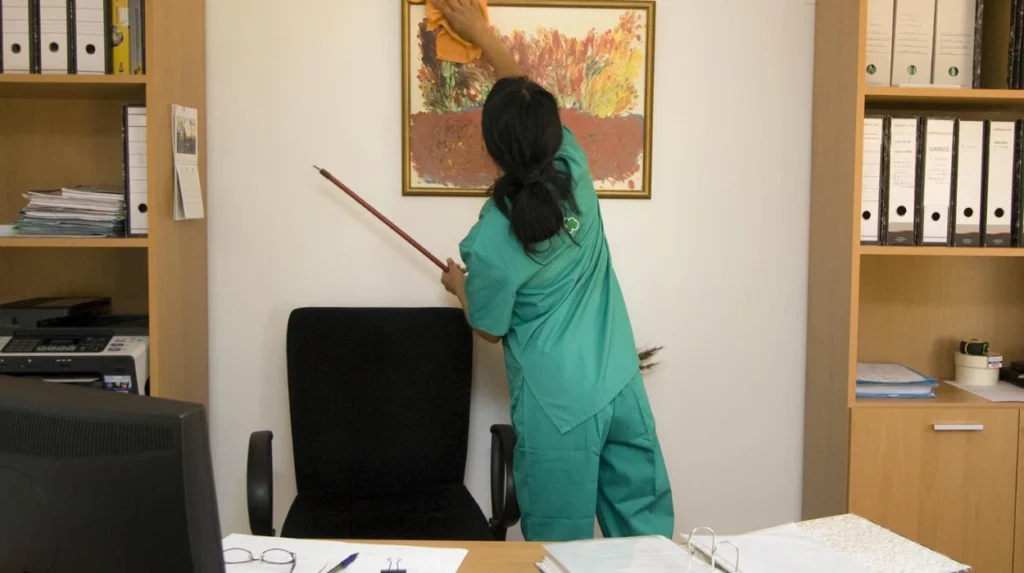
High-traffic areas require special attention due to frequent use. Reception areas, hallways, and meeting rooms accumulate dirt quickly and must be cleaned regularly. Cleaners focus on dusting surfaces, sanitizing shared furniture, and ensuring floors remain spotless. These areas are often the first impression for clients and visitors, making consistent cleanliness essential.
Break rooms and kitchens are also critical zones in commercial cleaning. Surfaces, appliances, and sinks are disinfected to maintain hygiene standards where food is handled. Regular cleaning of these spaces helps prevent bacteria buildup and ensures compliance with workplace health expectations.
A structured cleaning approach ensures that shared spaces remain safe and comfortable for employees. Businesses benefit from reduced illness transmission and a more organized working environment.
Restroom and Hygiene-Focused Cleaning Tasks
Restroom cleaning is one of the most important aspects of commercial cleaning services. Cleaners are responsible for disinfecting toilets, urinals, sinks, and all surrounding surfaces. Mirrors are cleaned to maintain a polished appearance, while floors are mopped with disinfectants to eliminate bacteria.
In addition to cleaning, restocking hygiene supplies such as soap, paper towels, and toilet paper is a standard task. Proper restroom maintenance ensures compliance with workplace standards and creates a positive impression for both employees and visitors. Regular sanitation also reduces the spread of germs, which is critical in shared environments.
Companies like Bee Cleaning Services Manchester integrate strict hygiene protocols into their cleaning plans. This ensures that high-risk areas such as restrooms are maintained to professional standards at all times.
Waste Management and Environmental Cleaning Practices
Waste removal is a core responsibility in commercial cleaning. Cleaners ensure that all bins across offices, kitchens, and restrooms are emptied regularly. Liners are replaced, and waste is disposed of according to proper guidelines. This helps maintain cleanliness while supporting safe waste handling practices.
Environmental cleaning also includes managing recycling processes and ensuring that disposal systems are used correctly. Cleaners may report maintenance issues such as leaks or damage, contributing to overall facility management. These tasks go beyond basic cleaning and support the long-term upkeep of the workspace.
A well-managed cleaning system ensures that waste does not accumulate, reducing health risks and improving the overall work environment. This is a key factor when businesses evaluate professional cleaning services.
Specialized Cleaning Services and Add-On Tasks
In addition to routine cleaning, commercial cleaners often provide specialized services. These may include carpet deep cleaning, window cleaning, and upholstery maintenance. Such services are typically scheduled periodically or as required based on the condition of the workspace.
Some businesses may also require disinfection services, especially in healthcare or high-risk environments. These services involve advanced cleaning techniques and professional-grade products to ensure thorough sanitation. Specialized cleaning helps maintain a higher standard of hygiene where regular cleaning may not be sufficient.
For those exploring commercial cleaning services in Farnworth, understanding available add-on services helps in selecting the right cleaning plan. Tailored solutions ensure that each business receives cleaning support suited to its specific needs.
How Cleaning Checklists Ensure Consistency
A structured cleaning checklist is a fundamental part of commercial cleaning operations. It ensures that all tasks are completed systematically and consistently across every visit. Checklists help cleaners follow defined processes, reducing the chances of missed areas or inconsistent service quality.
These checklists typically divide tasks into daily, weekly, and monthly categories. This approach ensures that both routine maintenance and deep cleaning tasks are performed at the right intervals. It also allows businesses to track cleaning performance and maintain accountability.
If you want to understand how these processes work in detail, you can explore this guide on commercial cleaning task breakdown and workflow planning . It explains how structured cleaning systems improve efficiency and service quality.
Choosing the Right Cleaning Plan for Your Business
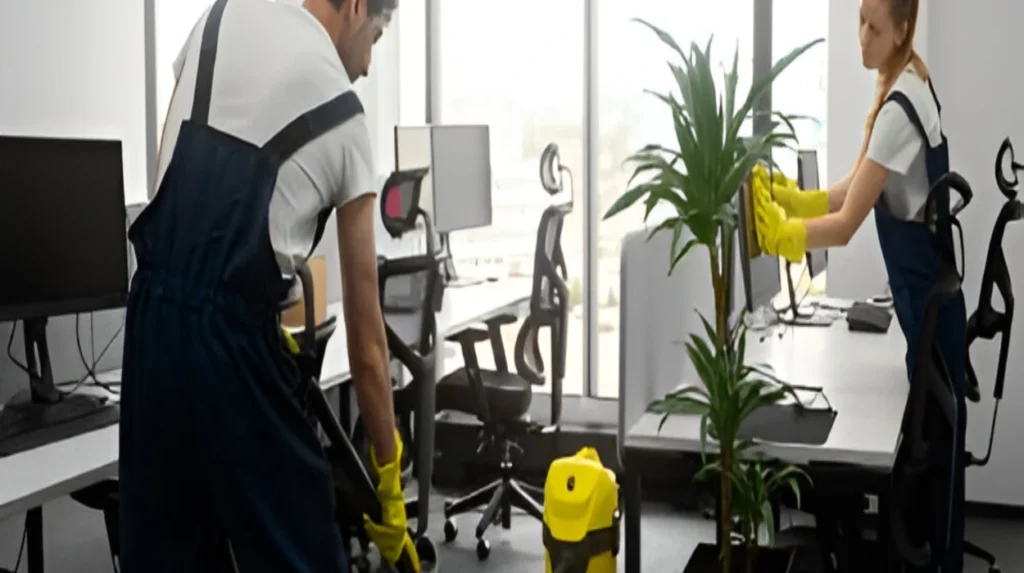
Selecting the right cleaning plan involves understanding your business requirements and workspace usage. Factors such as foot traffic, industry type, and operating hours influence the frequency and scope of cleaning services. Businesses should evaluate whether they need daily maintenance, periodic deep cleaning, or a combination of both.
Comparing service providers also involves reviewing their cleaning processes, equipment, and flexibility in customizing plans. For example, businesses comparing providers can review professional office hygiene solutions tailored to business needs to better understand service outcomes.
Decision-making should also include evaluating reliability and consistency. For businesses ready to make a final decision, reviewing how to choose a commercial cleaning provider for long-term results can provide useful insights into selecting the right partner
Commercial cleaners perform a wide range of tasks that go beyond simple cleaning. From daily sanitation and waste management to deep cleaning and specialized services, their role is essential in maintaining a safe and professional workspace. Structured cleaning plans and checklists ensure that every area is consistently maintained to high standards.
Bee Cleaning Services Manchester provides professional cleaning solutions tailored to business environments in Farnworth. By combining routine cleaning with detailed processes, businesses can maintain hygiene, improve workplace conditions, and ensure a clean and organized environment.
What type of cleaning is the most profitable?
Commercial cleaning is generally the most profitable due to recurring contracts and higher job volumes, with margins often reaching 15–25% or more.
Specialized services like medical or post-construction cleaning can also command premium pricing, increasing profitability further.What skills are needed for commercial cleaning?
Commercial cleaning requires attention to detail, time management, and knowledge of cleaning chemicals and equipment. Cleaners must also follow safety protocols and work efficiently to maintain hygiene standards across different business environments.
What are the 5 factors of cleaning?
The key factors of cleaning include time, temperature, chemical action, mechanical action, and procedure.
These elements work together to ensure effective dirt removal and proper sanitation in commercial spaces.What is the golden rule of cleaning?
The golden rule of cleaning is to clean from top to bottom and from clean areas to dirty areas.
This prevents recontamination and ensures a systematic and efficient cleaning process.What is lean working?
Lean working in cleaning focuses on minimizing waste, saving time, and improving efficiency in every task.
It involves optimized scheduling, proper resource use, and streamlined workflows to deliver consistent results with less effort.