

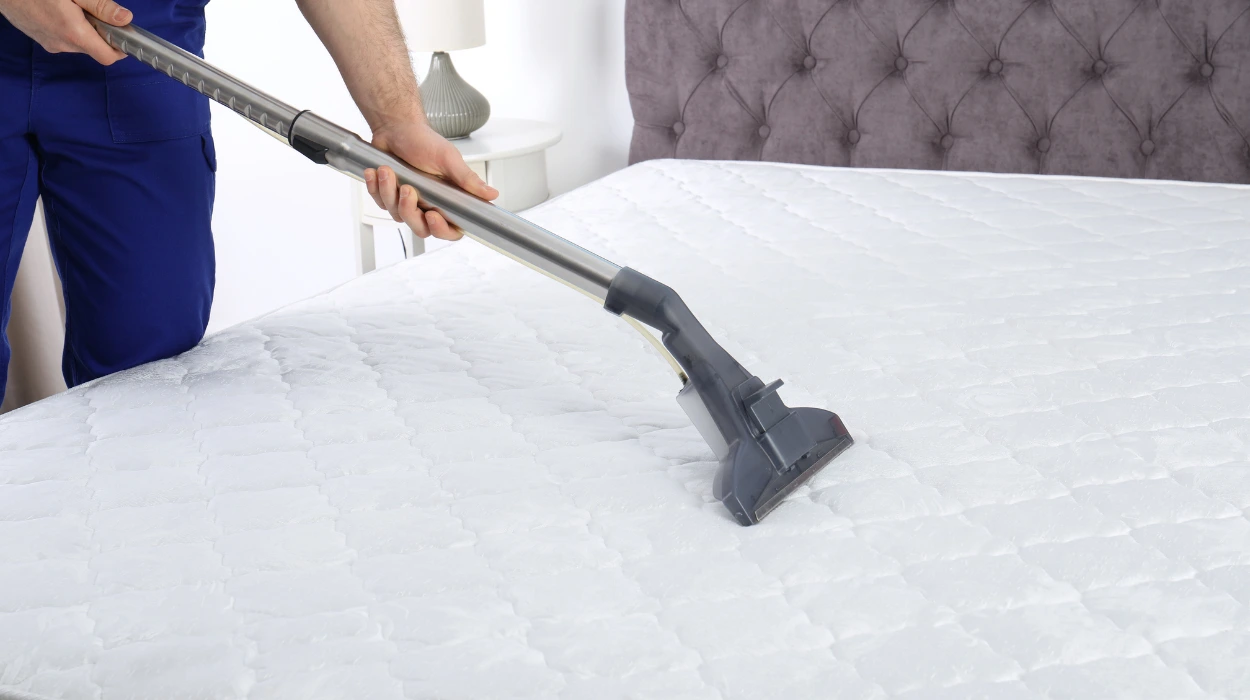
Mattress Cleaning Services in Farnworth confirm that dust mites can indeed live in memory foam, although the dense structure makes it more difficult for them to penetrate compared to traditional innerspring beds. While the material is often marketed as hypoallergenic, skin cells and moisture still accumulate on the surface and within the microscopic pores of the foam over time.
The Reality of Dust Mite Habitats
The misconception that memory foam is entirely immune to dust mites stems from the physical density of polyurethane foam. Unlike open-coil mattresses that have large internal air pockets where debris can easily settle, memory foam is a solid block of viscoelastic material. However, dust mites are microscopic organisms that do not require much space to thrive. They primarily reside in the top layers of the foam, the mattress cover, and the bedding where they have direct access to their primary food source: shed human skin cells. Without professional intervention, these colonies can grow and trigger respiratory issues or skin irritation for sleepers in Farnworth.
Environmental Triggers in Manchester
Environmental factors play a significant role in how hospitable a memory foam mattress becomes for allergens. Manchester’s climate often introduces higher humidity levels indoors, which is a primary catalyst for dust mite reproduction. When moisture from perspiration or ambient air gets trapped against the foam, it creates a damp microclimate. This moisture softens the skin cells trapped in the fabric fibers, making them easier for mites to consume. Regular surface vacuuming is rarely enough to address this issue because it fails to reach the biological matter embedded just beneath the surface of the viscoelastic cells.
The Anatomy of Memory Foam and Debris
Understanding the anatomy of memory foam is crucial for effective maintenance. Memory foam is engineered to react to body heat and pressure, which means the cells expand and contract during use. This movement can actually pull fine dust and allergens deeper into the material over time. Once these particles are lodged within the core, standard household cleaning methods often prove ineffective. This is why residents often seek out specialized mattress cleaning in Farnworth to ensure that the structural integrity of the foam is preserved while the biological contaminants are neutralized through professional-grade equipment and eco-friendly solutions.
Identifying Allergic Reactions
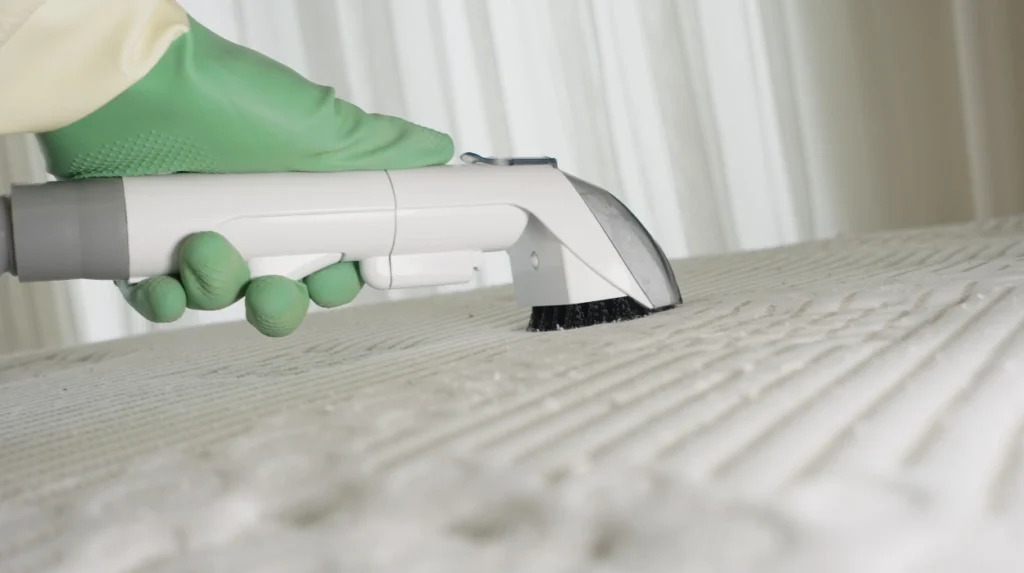
The allergic reactions associated with dust mites are not caused by the mites themselves, but rather by the enzymes found in their waste products. These proteins are potent allergens that can cause sneezing, itchy eyes, and exacerbated asthma symptoms. Because memory foam retains heat, it can often lead to increased sweating during the night, which provides the hydration these pests need to survive. Transitioning from a basic cleaning routine to a more robust hygiene strategy is necessary to prevent the accumulation of these invisible triggers. Professional deep cleaning ensures that these microscopic particles are effectively extracted from the dense foam layers.
Navigating Sanitization Methods
To maintain a healthy sleeping environment, it is helpful to understand the distinction between various sanitization methods. While some homeowners attempt to use steam or wet chemicals, memory foam is notoriously sensitive to moisture and high heat. Excess water can lead to mold growth inside the foam, which is a far more difficult problem to solve than dust mites. Choosing the right professional sanitization process is vital to ensure the foam is not damaged by improper liquid saturation or aggressive heat settings that could melt the delicate synthetic structures.
Consistency in Allergen Management
Consistency is the most important factor when managing allergens in a local Manchester home. Even if a mattress feels clean, the microscopic reality can be quite different after several months of use. Using a high-quality, zippered mattress protector can provide a physical barrier, but it is not a foolproof solution. Over time, the protector itself can collect dust, and small tears or zipper gaps can allow mites to migrate onto the foam. Combining preventative covers with a periodic schedule for advanced foam extraction can significantly improve the air quality of the bedroom and the longevity of the mattress.
Myths Regarding Chemical Repellents
Many people wonder if the chemicals used in the manufacturing of memory foam act as a natural repellent. While the synthetic nature of the foam is less organic than cotton or wool, it does not contain active pesticides that kill dust mites. The term hypoallergenic refers to the fact that the material itself is less likely to cause an allergic reaction, not that it is a sterile environment. Over several years, the weight of a mattress can increase significantly due to the accumulation of organic debris. This makes the intervention of certified foam cleaning technicians a practical necessity for long-term health and hygiene.
Heat Retention and Pest Survival
The density of the foam also means that airflow is restricted compared to other mattress types. This lack of ventilation allows heat to build up, creating the warm environment that dust mites prefer. In Farnworth homes, where heating systems are frequently used during the colder months, the internal temperature of a memory foam mattress can remain consistently high throughout the night. This thermal retention makes it even more important to address the surface hygiene and internal cleanliness of the bed. Professional cleaners use specialized tools designed to penetrate the foam without leaving behind any harmful residues or excessive moisture.
The Science of Deep Extraction
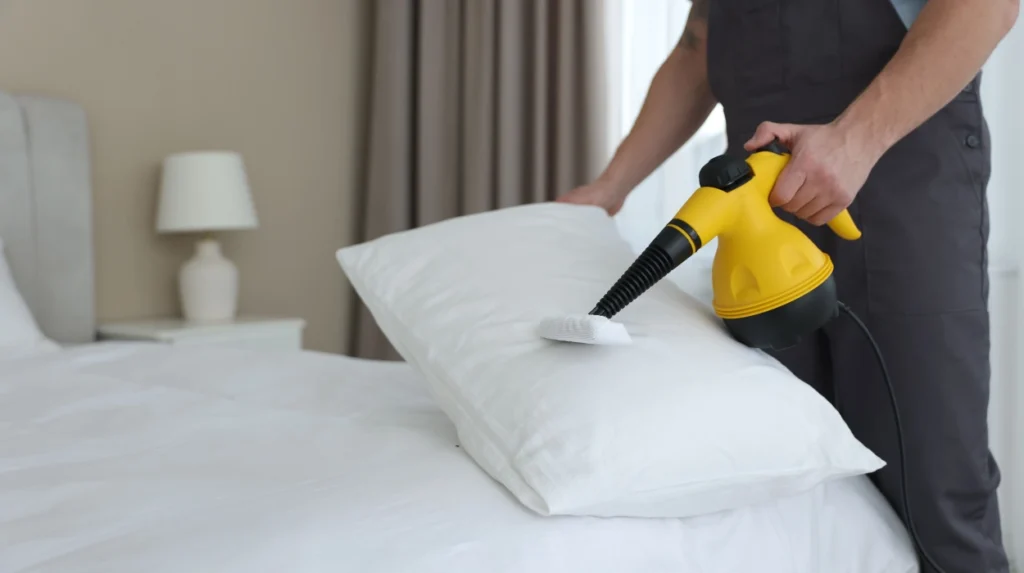
When considering the long-term care of an investment like a memory foam mattress, the focus should remain on deep extraction. Unlike traditional fabrics that can be scrubbed, memory foam requires a delicate balance of suction and specialized cleaning agents. Applying the wrong household cleaner can break down the cellular structure of the foam, leading to sagging and loss of support. Professional services are trained to identify the specific type of foam and apply the correct pH-balanced solutions that break down the oils and proteins left behind by human contact, effectively starving the dust mite population.
Holistic Bedroom Hygiene
A comprehensive approach to bedroom hygiene involves more than just the mattress itself. Dust mites also inhabit pillows, duvets, and carpets surrounding the bed. However, the mattress remains the primary hub because of the sheer volume of skin cells it collects. By ensuring the main sleeping surface is professionally sanitized, you reduce the overall allergen load in the room. This systematic reduction in dust mite populations can lead to noticeably better sleep quality and a reduction in morning congestion. It is an essential part of home maintenance for anyone living in the Manchester area.
Bee Cleaning Services Manchester understands the complexities involved in maintaining modern bedding materials. Proper care for memory foam requires a nuanced understanding of its chemical composition and physical properties. By addressing the myths surrounding dust mite resistance, homeowners can take more effective steps toward a cleaner home.
Whether it is through preventative measures or the employment of Mattress Cleaning Services in Farnworth, maintaining the purity of your sleep surface is a vital component of a healthy lifestyle. Professional expertise ensures that your memory foam continues to provide the comfort and support it was designed for.
What kills dust mites immediately?
Extreme heat is the most effective “instant” killer. Washing bedding in water at least 60°C (140°F) or using a high-heat steam cleaner will neutralize mites and their allergens on contact.
Do dust mites live in your pillows?
Yes, pillows are prime real estate for dust mites because they provide warmth, moisture from your breath, and a constant supply of skin cells. Using an allergen-proof zippered cover is the best way to trap them and prevent new ones from entering.
What is the best mattress to prevent dust mites?
Latex mattresses are generally considered the best because they are naturally antimicrobial and more resistant to dust mites than inner-spring or fiber-filled beds. Regardless of the material, a “dust-mite-proof” encasement is your strongest line of defense.
What smell does dust mite hate?
Dust mites are repelled by strong essential oils like eucalyptus, tea tree, and peppermint. While these scents don’t usually kill an entire infestation, adding a few drops of eucalyptus oil to your laundry can help significantly reduce their numbers.
Why do I feel tiny bugs crawling on me in bed?
If you don’t see actual bugs (like bedbugs), it is likely Formication—a physical sensation often triggered by skin irritation from dust mite allergens, dry skin, or even anxiety. Dust mites are too microscopic to be felt moving, but their waste can cause an itchy, “crawling” allergic reaction.