

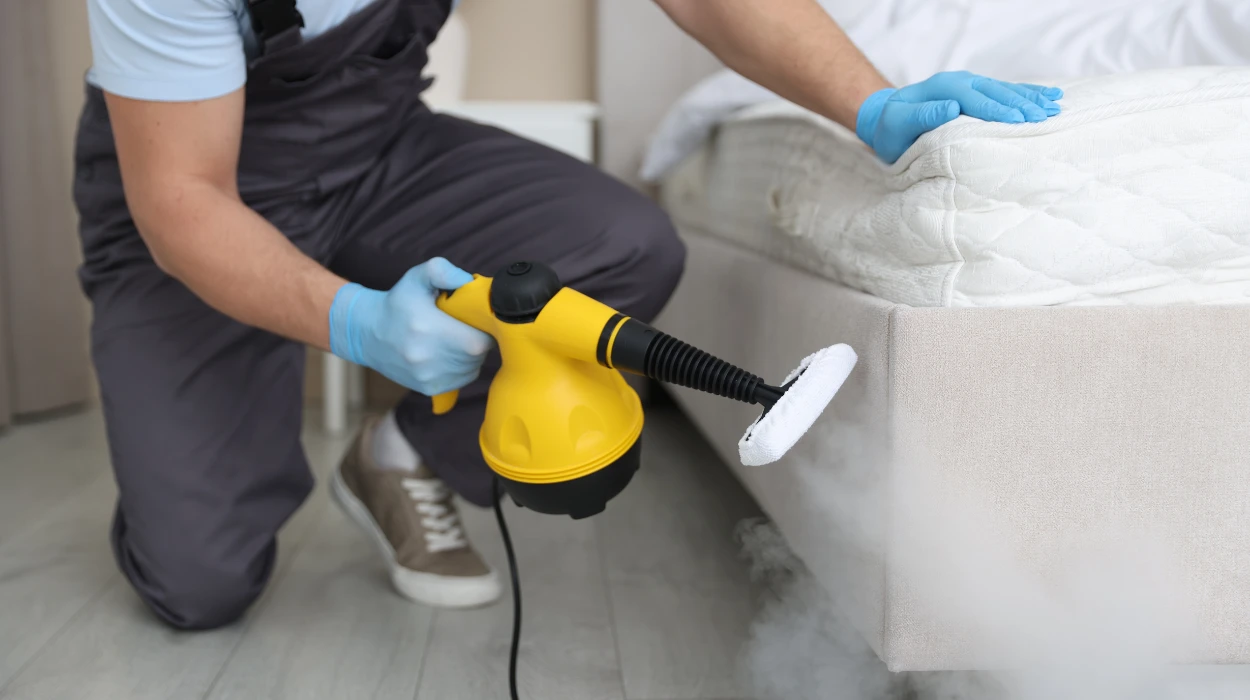
For memory foam mattresses, dry extraction is the professionally recommended and structurally safer cleaning method. Steam cleaning, despite its effectiveness on many surfaces, introduces moisture levels and heat conditions that memory foam’s cellular composition cannot safely tolerate over time.
Why Cleaning Method Matters for Memory Foam Mattresses
Mattress Cleaning Services in Farnworth have seen growing demand as memory foam mattresses now represent a significant portion of the residential bedding market across the Greater Manchester area. Memory foam is not a generic or uniform material; it is an engineered viscoelastic compound designed to respond to body heat and pressure, gradually redistributing weight to reduce joint stress and improve sleep posture. This responsive design makes the material uniquely effective for rest and recovery, but the same chemical composition that gives memory foam its comfort properties also makes it unusually vulnerable to the conditions that conventional cleaning methods produce.
Applying an inappropriate technique to a memory foam mattress can compromise the internal cellular structure, alter the foam’s original density, and in persistent cases, create conditions where mould and bacteria develop undetected within the deeper layers long after the surface appears dry. Understanding the practical differences between steam cleaning and dry extraction is therefore not a matter of personal preference but a question with genuine implications for both mattress longevity and household health. The cleaning method chosen is a direct factor in how many years the mattress continues to perform as designed and how hygienically safe the sleep surface remains for nightly use.
The Physical Properties of Memory Foam That Define Its Cleaning Needs
Memory foam is manufactured through a chemical process that produces an open-cell foam structure, highly porous in nature and designed to allow body heat and air to pass through the layers at a controlled rate. This porosity is a deliberate functional feature that contributes to the foam’s pressure-relief performance, but it also means that any liquid introduced during a cleaning process penetrates quickly and does not evaporate from the interior layers at a rate comparable to the surface. Unlike a cotton mattress cover or a tightly woven synthetic fabric, the foam core cannot be subjected to rapid heat-based drying or compressed to expel moisture, which severely limits which cleaning approaches are practically safe to use.
The material’s sensitivity to sustained heat is equally significant, because elevated temperatures cause the viscoelastic polymers within the foam to soften unevenly, leading to permanent indentations, premature sagging, or an irreversible loss of the supportive pressure-distribution that defines the mattress’s performance. Multi-layer memory foam constructions add another layer of complexity, as the adhesive compounds bonding individual layers can degrade when exposed to repeated moisture and heat, eventually causing delamination that is difficult to detect from the surface but measurable in the mattress’s comfort output.
These physical realities are well-documented within the professional cleaning industry and are precisely why memory foam requires a dedicated methodology rather than a generalised approach applied across all mattress types.
How Steam Cleaning Works and Where It Is Appropriate

Steam cleaning operates by converting water into superheated vapour, typically at temperatures ranging from 100 to 180 degrees Celsius, and directing that vapour under controlled pressure toward the surface being treated. The heat produced through this process denatures biological contaminants including dust mite waste, bacteria, and mould spores, while the moisture component loosens embedded soils and brings them toward the surface for extraction or removal.
On hard, non-porous surfaces such as tile grout, kitchen countertops, sealed stone, and bathroom fittings, this method is highly efficient, leaves surfaces hygienically clean, and eliminates the need for chemical agents in many applications. For certain upholstery materials featuring tightly woven, moisture-tolerant fibres with adequate airflow between the threads, steam cleaning can also be applied appropriately when followed immediately by professional extraction and thorough ventilation.
The challenge arises specifically when this method is directed at memory foam, where the vapour penetrates deeply into the open-cell structure faster than any extraction process can recover it, leaving the interior layers saturated with moisture and simultaneously subjected to damaging heat levels. Steam cleaning is not a flawed or inferior method in a general sense; it is simply a tool designed for materials that can absorb and release its conditions quickly, and memory foam does not fall within that category.
The Specific Risks of Steam Cleaning on Memory Foam
The most immediate concern when steam is applied to a memory foam mattress is moisture retention, in which condensed water vapour becomes trapped within the foam’s interior cell structure and remains there long after the surface feels dry to the hand. Under conditions of adequate warmth and limited airflow, this trapped moisture creates an environment where mould spores and bacterial colonies can become established within 24 to 48 hours of the cleaning treatment, creating a hygiene problem significantly more serious than the original soiling that prompted the clean.
Beyond internal moisture, the sustained heat from direct steam exposure accelerates degradation of the binding compounds used in multi-layer foam constructions, which can cause delamination that affects the mattress’s supportive profile in ways that neither the occupant nor a visual inspection will immediately identify. Many mattress manufacturers explicitly include steam cleaning prohibitions in their care documentation, noting that the method can void product warranties and cause forms of material failure that are not covered by standard guarantees.
For individuals who depend on memory foam for therapeutic support, post-surgical recovery, or management of chronic musculoskeletal conditions, this undetected structural deterioration has functional consequences that extend well beyond the aesthetic or hygienic dimension of the cleaning decision. Professionals providing professional mattress cleaning in Farnworth consistently identify moisture damage caused by inappropriate steam application as one of the most common forms of avoidable harm seen in memory foam mattresses presented for assessment.
What Dry Extraction Involves and Why It Is Different
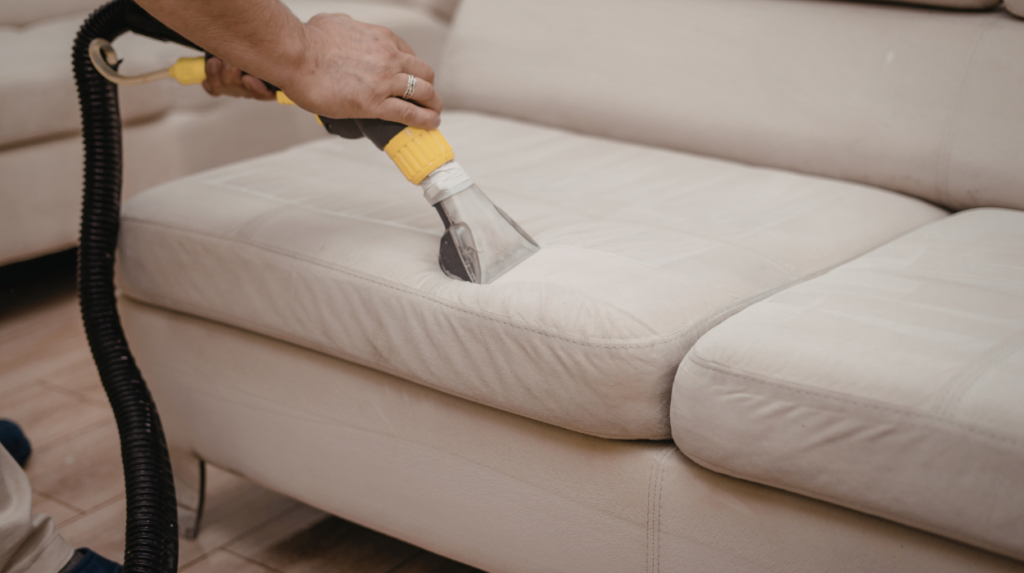
Dry extraction, also known in professional circles as low-moisture or encapsulation cleaning, relies on specially formulated compounds applied in measured quantities that bind to soils, allergens, and organic contaminants at a microscopic level without introducing significant volumes of liquid into the material being treated. The compound is distributed across the sleep surface in a controlled manner, given time to interact with the contamination present, and then removed together with the captured particles using professional-grade extraction equipment capable of lifting the material from the surface without disturbing the underlying foam layers.
Because the process does not rely on heat or large amounts of liquid to achieve its results, the drying period following treatment is substantially shorter, often falling between one and two hours under standard room ventilation conditions compared to the extended and uncertain drying window associated with steam-based approaches.
The encapsulation mechanism is particularly well-suited to addressing the allergen profile accumulated in a regularly used mattress, capturing dust mite waste, dead skin deposits, and airborne particulate matter from the sleep surface without driving those contaminants deeper into the foam during the cleaning process. For those interested in understanding how dust mites behave in memory foam environments, the relationship between allergen accumulation and surface cleaning effectiveness helps clarify why a low-moisture method that acts on the surface layer produces more consistent allergen-reduction outcomes than heat-based alternatives. The method also protects the mattress’s quilted cover and comfort layers, which sit directly above the main support core and represent the zone of greatest biological exposure during daily use.
Why Dry Extraction Has Become the Professional Industry Standard
Across specialist cleaning practice, dry extraction has become the established standard for memory foam mattress care because it directly addresses the material’s physical vulnerabilities without sacrificing cleaning effectiveness or allergen-reduction outcomes. The foam retains its original density and pressure-distribution profile after a correctly performed dry extraction clean because neither the cellular structure nor the adhesive bonds within the foam are subjected to the conditions that cause their deterioration. Allergen management results are also consistently more reliable through encapsulation, because the process captures and removes biological material from the sleep surface rather than altering its composition through heat and redistributing it as vapour within the room.
Property managers and homeowners in Farnworth who maintain memory foam mattresses across longer occupancy periods have a particular interest in cleaning methods that support material longevity, as the cost of mattress replacement represents a significantly higher expense than the cost of properly conducted routine maintenance. Those evaluating certified memory foam cleaning specialists in Farnworth will find that professional technicians trained in material-specific care universally recommend low-moisture extraction as the primary approach for this category of mattress, with steam reserved for entirely different surface types.
The measurable difference in outcomes between an appropriate dry extraction clean and an incorrectly applied steam treatment becomes apparent not just in the immediate results but in how the mattress continues to perform across the weeks and months following treatment.
Assessing Individual Circumstances Before Selecting a Method
The choice between these two methods is not always resolved by a single rule, and experienced cleaning technicians consider a range of factors when evaluating a mattress before recommending any form of treatment. The age and structural condition of the mattress, the nature and penetration depth of any staining, the specific foam construction and layer count, the presence of any manufacturer care restrictions, and the ventilation characteristics of the room all contribute to an informed assessment that a generalised cleaning formula cannot account for.
In properties where multiple mattress types are being maintained simultaneously, it is common for different cleaning methods to be applied to different items in the same session, with the technician identifying the appropriate approach for each based on material composition rather than applying a uniform process. The presence of significant biological soiling, including fluid penetration or persistent odour from organic sources, may also introduce the need for pre-treatment compounds or specialist deodorising agents that form part of the overall cleaning protocol before the primary extraction phase begins.
What remains consistent across these variable circumstances is that memory foam, in any of its standard configurations including gel-infused, zoned-support, or hybrid multi-layer constructions, responds best to methods that keep moisture levels low and avoid elevated temperatures at every stage of the process. This consistency across different foam constructions and contamination scenarios is part of what gives professional guidance on this subject its reliability and authority within the cleaning industry.
How Bee Cleaning Services Manchester Approaches Memory Foam Treatment
Bee Cleaning Services Manchester delivers Mattress Cleaning Services in Farnworth through a methodology grounded in material science, allergen management principles, and professional product selection appropriate to each mattress type and condition encountered. Every treatment begins with a structured assessment of the mattress, during which technicians identify the foam construction, evaluate the level and distribution of soiling, note any pre-existing damage that would affect the approach, and confirm that the chosen method aligns with any manufacturer care guidance associated with the product.
Cleaning compounds are selected and applied in concentrations calibrated to the specific contamination profile of the mattress rather than using a standardised product across all materials, which produces more targeted results and avoids the risk of over-treating areas where the foam surface is already showing signs of wear.
The extraction equipment employed is professional-grade and precisely adjusted to avoid over-wetting the foam surface, ensuring that drying times remain predictable and that no residual moisture is retained within the inner layers after treatment is completed. Post-treatment checks confirm the condition of the sleep surface, note any areas that may benefit from a follow-up visit, and provide the occupant with guidance on maintenance practices that will extend the interval between professional cleans. For residents and property managers in Farnworth seeking a cleaning outcome that supports both the hygiene and the structural longevity of their memory foam investment, this level of professional specificity produces a measurably different result from generalised or consumer-grade approaches.
Memory foam mattresses represent a meaningful long-term investment in sleep quality, and the cleaning decisions made over their lifespan either preserve or gradually diminish the material’s ability to perform as originally designed. Dry extraction, when performed by a trained technician using appropriate compounds and correctly calibrated equipment, is the method most consistently supported by both the physical properties of memory foam and the practical outcomes observed by professionals across the cleaning industry.
Steam cleaning remains a valuable and effective tool in many cleaning contexts, but its application must be matched to surfaces and materials where the heat and moisture it produces can be managed and resolved quickly without causing internal structural harm.
Bee Cleaning Services Manchester provides professional mattress care across Farnworth with a technical approach designed to protect both the hygiene and the material integrity of every mattress type treated. For anyone seeking to make an informed and responsible decision about memory foam maintenance, the evidence from material science and professional practice consistently supports low-moisture dry extraction as the method of choice.
Can I steam clean a memory foam mattress?
Steam cleaning is not recommended for memory foam mattresses. The heat and moisture penetrate the open-cell foam structure and become trapped inside, creating conditions for mould growth and structural damage over time.
What are the disadvantages of steam cleaners?
Steam cleaners introduce significant heat and moisture that moisture-sensitive materials like memory foam cannot safely absorb. They also carry longer drying times, risk of delamination in layered foam products, and can void manufacturer warranties when used on incompatible surfaces.
What is the safest extraction method?
Dry extraction, also known as low-moisture or encapsulation cleaning, is the safest method for memory foam mattresses. It removes allergens and soiling without saturating the foam, preserves the material’s structural integrity, and significantly reduces drying time compared to wet methods.
Can steam cleaning help with allergies?
Steam cleaning can neutralise allergens on hard or moisture-tolerant surfaces by using heat to denature biological matter. However, on memory foam, the trapped moisture it leaves behind can encourage mould and bacterial growth, which may worsen allergy symptoms rather than relieve them.
Can we dry cleaning at home?
Basic surface vacuuming and spot treatment with low-moisture products can be done at home, but they rarely match the depth or effectiveness of professional dry extraction. Professional equipment applies compounds at the correct concentration and removes them fully, producing results that consumer-grade tools cannot consistently replicate.